Highlights
- Biliopancreatic diversion with duodenal switch (BPD-DS) is a complex two-stage surgery that combines stomach reduction with intestinal rerouting to achieve significant weight loss.
- The procedure is highly effective for treating morbid obesity and metabolic diseases, often resulting in a 70-80% loss of excess weight and high remission rates for Type 2 Diabetes.
- Due to the malabsorptive nature of the surgery, patients must commit to lifelong nutritional supplementation and rigorous medical follow-ups to prevent vitamin and mineral deficiencies.
In the realm of advanced bariatric solutions for severe obesity, biliopancreatic diversion with duodenal switch (BPD-DS) stands as a highly effective, yet complex, surgical procedure. This intervention is designed for individuals grappling with morbid obesity and associated life-threatening co-morbidities, offering a pathway to substantial and sustained weight loss, as well as significant improvements in metabolic health. As a leading medical tourism destination, Turkey provides access to world-class facilities and expert surgeons specializing in such intricate procedures, drawing patients from the United Kingdom and beyond who seek quality care at competitive prices.
Table of Contents
What is Biliopancreatic Diversion with Duodenal Switch (BPD-DS)?
The biliopancreatic diversion with duodenal switch is a two-stage surgical procedure, though often performed as a single operation, that aims to significantly reduce food intake and alter nutrient absorption. This procedure is characterized by its dual impact: a reduction in stomach size and a substantial rerouting of the small intestine. The ultimate goal is to achieve profound and lasting weight loss, alongside the resolution or significant improvement of obesity-related health conditions such as Type 2 Diabetes, hypertension, and sleep apnea. Its intricate nature requires a surgeon with considerable expertise and a thorough understanding of gastrointestinal anatomy and physiology.
The first component involves a restrictive element where a portion of the stomach is removed, leaving a tubular gastric sleeve. This remaining stomach is significantly smaller than the original, limiting the amount of food that can be consumed at one time. However, unlike a standard gastric sleeve, the pyloric valve (the valve that controls the emptying of the stomach into the small intestine) is preserved, which helps prevent dumping syndrome and aids in the natural digestion process.
The second, and arguably more impactful, component is the malabsorptive element. This involves dividing the small intestine and rerouting it in a specific manner. The upper part of the small intestine (duodenum) is connected to the new stomach pouch. The digestive juices from the liver and pancreas are rerouted to meet the food much further down the intestine, creating a short common channel where nutrient absorption primarily occurs. This significantly reduces the amount of calories and nutrients the body can absorb, contributing to the exceptional weight loss observed with BPD-DS.
Candidacy and Eligibility for Duodenal Switch Surgery
Determining suitability for biliopancreatic diversion with duodenal switch surgery involves a comprehensive evaluation by a multidisciplinary team. This rigorous assessment ensures that candidates are not only medically appropriate for such a significant intervention but also psychologically prepared for the lifelong commitment to dietary changes, vitamin supplementation, and regular follow-up appointments. The stringent criteria reflect the procedure’s power and potential for nutritional deficiencies.
Typically, candidates for BPD-DS have a Body Mass Index (BMI) of 50 or higher, or a BMI of 40-49 with severe obesity-related co-morbidities. In some cases, individuals with a BMI of 35-39 with uncontrolled Type 2 Diabetes or other serious conditions may also be considered, especially if previous weight loss attempts have been unsuccessful. It is critical that patients demonstrate a clear understanding of the procedure, its risks, benefits, and the profound lifestyle changes required post-operatively. Adherence to a strict post-operative regimen is non-negotiable for success and long-term health.
Medical Evaluation
A thorough medical history and physical examination are fundamental. This includes blood tests to assess nutritional status, liver and kidney function, and screening for existing co-morbidities. Cardiovascular health, respiratory function, and endocrine system health are meticulously reviewed to ensure the patient can safely undergo general anesthesia and tolerate the surgery. Any pre-existing conditions, particularly those related to cardiac or pulmonary function, must be optimized before considering surgery.
Psychological Assessment
A crucial part of the evaluation is a psychological assessment. This helps identify any untreated mental health conditions (such as severe depression or eating disorders) that could impede successful outcomes post-surgery. Patients must demonstrate realistic expectations about weight loss, an understanding of the challenges, and a commitment to following medical advice. Support systems are also considered, as a strong network is often a predictor of long-term success.
Nutritional and Lifestyle Commitment
Patients must exhibit a genuine commitment to adopting a healthy lifestyle, including dietary modifications and regular physical activity. Education on the specific dietary requirements after BPD-DS, including the need for lifelong vitamin and mineral supplementation, is provided. This also includes understanding potential issues like protein malnutrition and vitamin deficiencies, which are more pronounced with malabsorptive procedures.
Advantages and Outcomes of BPD-DS
Biliopancreatic diversion with duodenal switch offers several distinct advantages, primarily its unparalleled efficacy in achieving significant and sustained weight loss. This procedure is recognized for yielding the highest excess weight loss among all bariatric surgeries, with many patients losing 70-80% or more of their excess body weight. This dramatic reduction in weight often translates into profound improvements in overall health and quality of life.
One of the most compelling benefits is its exceptional impact on metabolic diseases, particularly Type 2 Diabetes. Numerous studies have demonstrated that BPD-DS leads to the highest rates of diabetes remission compared to other bariatric procedures. Patients often experience resolution of Type 2 Diabetes within days or weeks of surgery, even before significant weight loss occurs, due to the hormonal changes induced by the intestinal rerouting. This makes it a powerful metabolic surgery option.
Resolution of Co-morbidities
Beyond diabetes, BPD-DS significantly improves or resolves a wide array of obesity-related co-morbidities: Hypertension, sleep apnea, high cholesterol, and joint pain are frequently ameliorated or entirely resolved following surgery. These improvements reduce reliance on medications, enhance mobility, and drastically improve life expectancy and daily functioning. Patients report significant enhancements in their physical activity levels and overall well-being.
Long-Term Research Findings
A systematic review and meta-analysis published in *Obesity Surgery* (2018) examined the long-term outcomes of biliopancreatic diversion with duodenal switch. Key findings indicated that BPD-DS consistently achieved superior long-term weight loss compared to other bariatric procedures, maintaining an average of 70-80% excess weight loss beyond five years. Furthermore, the review highlighted BPD-DS’s profound efficacy in resolving Type 2 Diabetes, with remission rates often exceeding 90% in the long term, making it an exceptionally powerful tool against severe metabolic disease. However, the research also underscored the imperative for lifelong nutritional supplementation due to the increased risk of vitamin and mineral deficiencies.
Potential Risks and Complications
Like any major surgical intervention, biliopancreatic diversion with duodenal switch carries inherent risks and potential complications. Patients must be fully aware of these before committing to the procedure. While severe complications are rare, understanding them is crucial for informed consent and diligent post-operative monitoring. The complexity of the surgery contributes to a slightly higher risk profile compared to less invasive bariatric options.
Immediate Post-Operative Risks
Immediate risks associated with BPD-DS are similar to those of other abdominal surgeries, including bleeding, infection at the surgical site, and adverse reactions to anesthesia. There is also a small risk of anastomotic leaks, where digestive fluids can leak from the surgical connections, requiring prompt medical intervention. Pulmonary complications, such as pneumonia or blood clots, are also potential concerns, though preventive measures are always taken.
Long-Term Complications
The long-term complications of BPD-DS are primarily related to its malabsorptive nature. These include nutritional deficiencies in vitamins and minerals (e.g., Vitamin D, B12, Iron, Calcium, fat-soluble vitamins A, E, K), which necessitate lifelong supplementation and regular monitoring. Protein malnutrition can also occur if dietary guidelines are not strictly followed. Other potential long-term issues include: dumping syndrome (less common than with gastric bypass due to pylorus preservation), gallstones, marginal ulcers, and hernia formation. Patients may also experience changes in bowel habits, including increased frequency or steatorrhea.
Comparing BPD-DS with Other Bariatric Surgeries
| Factor | Biliopancreatic Diversion with Duodenal Switch | Gastric Bypass (Roux-en-Y) | Gastric Sleeve | Adjustable Gastric Banding |
|---|---|---|---|---|
| Mechanism | Restrictive & Malabsorptive | Restrictive & Malabsorptive | Restrictive | Restrictive |
| Weight Loss (EWL) | Highest (70-80%+) | High (60-70%) | Moderate (50-60%) | Lowest (40-50%) |
| Diabetes Remission | Highest (90%+) | High (80%+) | Good (60%+) | Variable |
| Nutritional Deficiency Risk | Highest | High | Moderate | Lowest |
| Reversibility | Difficult/Partial | Partial | Non-reversible | Fully Reversible |
| Complexity | Highest | High | Moderate | Lowest |
The Surgical Procedure: What to Expect
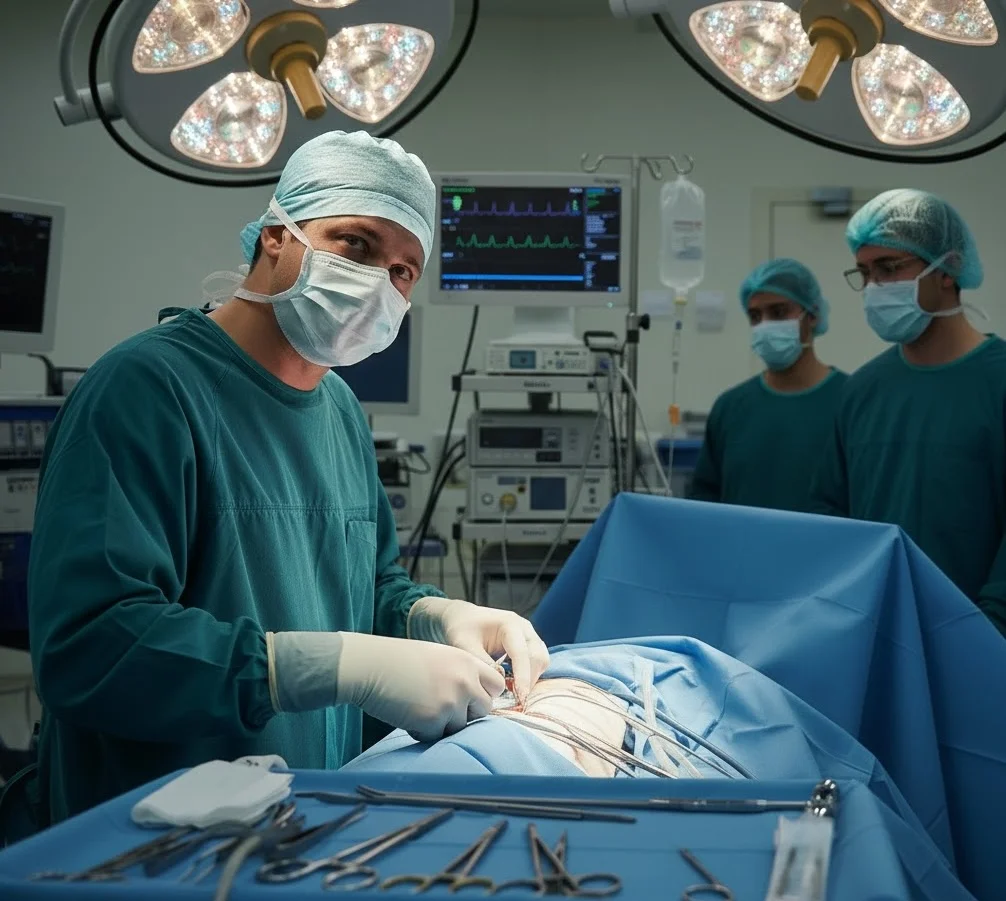
The biliopancreatic diversion with duodenal switch is a complex procedure typically performed under general anesthesia. It usually involves a hospital stay of several days. Patients are often encouraged to become mobile soon after surgery to aid recovery and prevent complications like blood clots. The surgical team, including surgeons, anesthetists, and nurses, will meticulously plan and execute each stage of the operation.
Pre-Operative Preparation
Preparing for BPD-DS involves several steps to optimize patient health and ensure a smooth procedure. This often includes a pre-operative liquid diet to shrink the liver, making surgery safer. Patients will undergo comprehensive evaluations, including blood tests, imaging studies, and consultations with various specialists. Education about the procedure, dietary changes, and post-operative expectations is provided to ensure full preparedness. Discontinuing certain medications, such as blood thinners, will be necessary prior to surgery.
The Operation Day
On the day of surgery, patients will be admitted to the hospital, and final checks will be performed. The procedure is typically performed laparoscopically, using small incisions and specialized instruments. This minimally invasive approach generally results in less pain, smaller scars, and a faster recovery compared to traditional open surgery. However, in some cases, an open procedure may be necessary.
Post-Operative Care
Following surgery, patients will be closely monitored in the recovery room and then transferred to a regular ward. Pain management is a priority, and medication will be provided as needed. The dietary progression begins with clear liquids, moving gradually to full liquids, pureed foods, soft foods, and eventually solid foods over several weeks. Adherence to this strict dietary plan is critical for healing and preventing complications.
Recovery Timeline and Long-Term Management
Recovery from biliopancreatic diversion with duodenal switch is a gradual process requiring patience and strict adherence to medical advice. While initial recovery from surgery might take a few weeks, the journey towards optimal health and weight management is lifelong. Understanding the timeline and commitment to long-term care is vital for success.
Week 1-2: Immediate Recovery
During the first two weeks, patients will be focused on healing from surgery. Pain will gradually decrease, and mobility will improve. The diet will consist primarily of clear liquids, progressing to full liquids. It is crucial to consume adequate fluids to prevent dehydration. Light walking is encouraged to promote circulation and prevent complications.
Month 1-3: Dietary Progression and Adaptation
By this stage, patients will have transitioned to pureed and then soft foods. This period is critical for adapting to the new eating habits, learning portion control, and ensuring adequate protein intake. Patients will also begin lifelong vitamin and mineral supplementation. Regular follow-up appointments with the bariatric team are essential to monitor progress, address any concerns, and adjust nutritional plans. Patients who have had bariatric surgery may also consider family planning, and can learn more about conception after weight loss surgery and pregnancy to prepare.
Month 3-6: Sustained Weight Loss and Lifestyle Integration
Significant weight loss will be evident during this period. Patients will typically be consuming a regular, healthy diet, focusing on lean protein, fruits, and vegetables. Regular exercise will become an integral part of their routine. Psychological support may be beneficial as patients adjust to their new body image and lifestyle. Some individuals may start considering body contouring procedures at this stage, such as understanding thigh lifts: medial vs. lateral to address excess skin.
Beyond 6 Months: Lifelong Monitoring
Long-term management involves continued adherence to dietary guidelines, lifelong vitamin and mineral supplementation, and regular follow-up appointments with the bariatric team. These appointments typically occur annually after the first year to monitor nutritional status, weight, and overall health. Lifelong commitment to these practices is the cornerstone of successful long-term outcomes and prevention of complications.
Price Comparison: Biliopancreatic Diversion with Duodenal Switch
| Service/Item | Turkey Price (GBP) | UK Price (GBP) |
|---|---|---|
| BPD-DS Surgery | £10,000 – £15,000 | £25,000 – £40,000 |
| Pre-op Consultations | Included | £200 – £500 |
| Hospital Stay (5-7 days) | Included | £5,000 – £10,000 |
| Post-op Follow-ups (1 year) | Included | £500 – £1,500 |
| Nutritional Counselling | Included | £300 – £800 |
CK Health Turkey: Your Partner in Bariatric Surgery
CK Health Turkey stands as a premier destination for international patients seeking high-quality bariatric surgery, including the complex biliopancreatic diversion with duodenal switch. Our commitment to excellence is reflected in our state-of-the-art facilities, which are equipped with the latest medical technology, and our team of highly experienced, board-certified surgeons who specialize in advanced weight loss procedures. We understand the unique needs of international patients, particularly those from the UK, and provide comprehensive support throughout their medical journey.
From initial consultation to post-operative care, CK Health Turkey ensures a seamless and supportive experience. Our patient coordinators assist with travel arrangements, accommodation, and all logistical aspects, allowing patients to focus entirely on their health and recovery. We pride ourselves on transparent communication, personalized care plans, and outcomes that consistently meet international standards. Choosing CK Health Turkey means opting for a healthcare partner dedicated to your long-term health and well-being. We invite you to experience the difference of world-class medical care. Get in touch with us today for a personalized consultation or visit our website to learn more about how we can support your weight loss goals.
FAQs
How much weight can I expect to lose with BPD-DS?
Patients typically lose 70-80% or more of their excess body weight within 12-18 months following biliopancreatic diversion with duodenal switch surgery. Individual results may vary based on adherence to dietary and lifestyle changes.
Is BPD-DS reversible?
The biliopancreatic diversion with duodenal switch is largely irreversible due to the significant rerouting and removal of parts of the digestive system. While some aspects can be altered, it is not considered a fully reversible procedure.
What kind of diet will I follow after BPD-DS?
Post-operative diet progresses from clear liquids to full liquids, pureed foods, soft foods, and eventually solid foods. It emphasizes high protein intake, low carbohydrates, and strict avoidance of sugary and fatty foods. Lifelong vitamin and mineral supplementation is essential.
How long is the recovery period?
Initial recovery in the hospital typically lasts 5-7 days. Full recovery and adaptation to new eating habits can take several months. Most patients can return to light activities within 2-4 weeks, with full activity resuming by 6-8 weeks.
Are there specific vitamins I need to take for life?
Yes, due to the malabsorptive nature of BPD-DS, lifelong supplementation of vitamins and minerals is crucial. This typically includes a high-potency multivitamin, Vitamin B12, Vitamin D, Calcium, and Iron, among others.
What are the long-term health benefits of BPD-DS?
The long-term benefits include significant and sustained weight loss, high rates of remission for Type 2 Diabetes, improvement or resolution of hypertension, sleep apnea, high cholesterol, and joint pain, leading to enhanced quality of life and increased life expectancy.
What are the potential complications of BPD-DS?
Potential complications include nutritional deficiencies (vitamins, minerals, protein), dehydration, marginal ulcers, gallstones, bowel obstruction, and a higher risk of surgical complications compared to less complex bariatric procedures. Strict follow-up and adherence to guidelines minimize these risks.
How often do I need follow-up appointments after surgery?
Typically, follow-up appointments are frequent during the first year (e.g., 1 month, 3 months, 6 months, 1 year) and then annually for life. These visits monitor weight loss, nutritional status, and overall health.