Highlights
- Surgical drains are essential after a tummy tuck to prevent fluid accumulation, such as seromas, and to promote optimal tissue healing.
- Patients must diligently manage drains by emptying collection bulbs every 4-8 hours and logging fluid output to monitor recovery progress.
- Drains are typically removed when fluid output drops below 30ml per day, after which patients should wait at least 7-10 days before flying to avoid complications like blood clots.
Following a tummy tuck (abdominoplasty), managing drainage tubes after tummy tuck is a key aspect of recovery. These temporary devices are essential for healing and complication prevention. This guide offers authoritative insights for UK patients on drain purpose, care, and removal, covering common concerns regarding pain, travel, and recovery.
Table of Contents
Understanding Abdominoplasty Drains
What Are Tummy Tuck Drains and Why Are They Necessary?
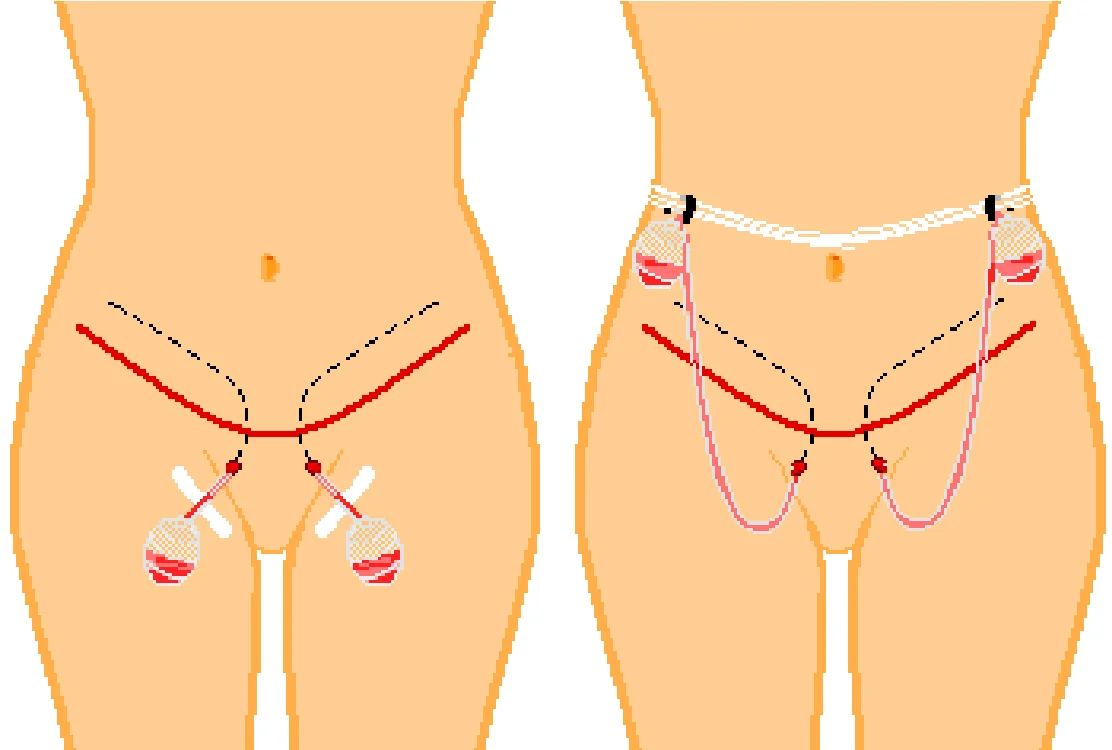
Following an abdominoplasty, surgical drains are typically placed beneath the skin to collect excess fluid, such as blood and serosanguinous fluid, that the body naturally produces after surgery. Without drains, this fluid can accumulate, forming a seroma. A seroma is a collection of fluid that can cause swelling, discomfort, and potentially lead to infection or delayed healing. The drains provide a safe and efficient exit route for this fluid, reducing the risk of such complications and promoting optimal healing of the tissues.
Types of Drains Used
Most commonly, closed suction surgical drains are used. These consist of a small tube inserted into the surgical site, with the other end connected to a collection bulb or reservoir. The bulb creates a gentle suction, encouraging fluid to be drawn away from the surgical area. These are generally more comfortable and less prone to infection than older, open-drainage systems.
What to Expect Post-Surgery: The Role of Drains
Daily Care and Hygiene
Caring for your drains requires diligence and attention to detail. Your surgical team will provide specific instructions, but general principles apply:
- Emptying the Drains: The collection bulbs need to be emptied regularly, typically every 4-8 hours, or when they are half to three-quarters full. This is done by unclipping the bulb, draining the fluid into a measuring cup or toilet, and then re-establishing the suction by squeezing the bulb flat before reconnecting it securely.
- Monitoring Fluid Output: Keep a log of the amount and colour of the fluid drained. This information is vital for your surgeon to assess your healing progress. Initially, the fluid may be bloody, gradually becoming more serous (clear or pinkish). A sudden decrease in output or a change in colour can be a sign to contact your surgeon.
- Securing the Drains: The tubes are usually secured with a stitch to your skin. It is essential to keep this area clean and dry to prevent infection. Your surgeon will advise on showering and bathing protocols.
- Hygiene Practices: Gentle cleansing of the insertion sites with soap and water, as directed by your surgeon, is important. Avoid applying lotions or powders directly to the drain sites. Wearing loose-fitting clothing, ideally with front buttons or zippers, will prevent irritation and accidental pulling on the drains.
Mobility and Sleep Positioning
Mobility after a tummy tuck is crucial for preventing blood clots and aiding recovery, but it needs to be managed carefully with drains in place. You will be advised to walk in a slightly stooped position to minimise tension on the incision lines and drains. Avoid sudden movements or activities that could dislodge the tubes. Sleeping upright in a recliner or with extra pillows to elevate your upper body is often recommended to reduce swelling and discomfort.
Signs for Drain Removal
Drain removal is typically performed once the daily fluid output drops below a certain threshold, usually around 30 ml per 24-hour period, per drain. Your surgeon will assess the amount of fluid, its consistency, and the overall healing of the surgical site. This process is usually straightforward and can often be done in your surgeon’s clinic.
Managing Pain and Discomfort
The Pain of Drain Removal
One of the most frequently asked questions concerns the pain associated with removing drainage tubes after tummy tuck. While individual pain tolerance varies significantly, most patients report that the removal itself is more of a sharp pulling sensation rather than severe pain. The tubes are usually removed by cutting the securing stitch and then gently withdrawing the tube. It is a quick procedure, and pain medication can be taken beforehand if recommended by your surgeon. The period leading up to drain removal can sometimes be the most uncomfortable, with patients experiencing pressure and discomfort from the accumulated fluid. Once the drains are out, many report a significant improvement in comfort and mobility.
Pain Management Strategies
Effective pain management is key to a comfortable recovery. Your surgeon will prescribe pain medication, which should be taken as directed. This typically includes a combination of stronger painkillers for the initial days and over-the-counter options for later stages. Staying hydrated, eating a balanced diet, and gentle movement as advised can also help manage discomfort. It is vital to communicate any persistent or severe pain to your surgical team immediately.
Preparing for Your Tummy Tuck Recovery: What to Pack
To ensure a comfortable and prepared recovery period, especially with drains in place, consider packing the following essentials:
- Loose-fitting, front-buttoning tops: These are essential for easy dressing without disturbing the incision sites or drains.
- Comfortable pyjamas or loungewear: Opt for soft fabrics that do not constrict.
- Supportive undergarments: While not restrictive, comfortable bras or supportive garments may be helpful.
- Sanitary pads: These can be discreetly placed under clothing to catch any minor leakage from the drain sites.
- Wet wipes and hand sanitiser: For maintaining hygiene, especially when out and about.
- Scarlet pads or absorbent dressings: As advised by your surgeon for covering drain sites.
- A small bag or pouch: To hold the drain bulbs when you are mobile.
- Medication: Ensure you have all prescribed pain relief and any other necessary medications.
- Entertainment: Books, tablets, or magazines for downtime.
- A recliner or extra pillows: For comfortable upright sleeping and resting positions.
Travel Logistics: Flying After Your Tummy Tuck
When Can You Fly After Drain Removal?
This is a critical consideration for international patients. It is generally advised to wait until at least 7-10 days post-surgery and after drain removal before undertaking long-haul flights. Some surgeons recommend a longer stay of 10-14 days to ensure a more stable recovery and to monitor for potential complications. Flying too soon can increase the risk of blood clots (Deep Vein Thrombosis – DVT) due to prolonged immobility in a confined space. Your surgeon will provide specific guidance based on your individual recovery progress and the extent of your procedure. For patients considering combined procedures, such as an extended tummy tuck with a breast uplift, the recovery period may be longer, and this should be discussed thoroughly. The Mummy Makeover Timing: Breastfeeding & Weight Loss article may offer insights into managing recovery from multiple procedures.
Spending Assumptions for Travel
When planning your trip, budget for essentials beyond the surgery itself. This includes accommodation, food, transportation, and any necessary post-operative supplies. Your assumed daily spending will depend on your chosen accommodation level and dining preferences. Local transportation costs can vary. In Turkey, for example, the cost of living and medical tourism packages often make it a more affordable option compared to the UK. Patients should budget for at least 7-14 days in the destination country to allow for adequate recovery and follow-up care before travelling home.
CK Health Turkey: Your Partner in Cosmetic Surgery Abroad
For international patients seeking high-quality cosmetic procedures, CK Health Turkey stands as a premier choice. Specialising in a range of services, including state-of-the-art bariatric surgery and various plastic surgery procedures, we are committed to providing exceptional care and achieving outstanding results. Our experienced medical team utilises advanced techniques to ensure patient safety and satisfaction. We understand the unique needs of international travellers and offer comprehensive packages designed for comfort and peace of mind. If you are considering a tummy tuck or any other cosmetic enhancement, we encourage you to discover the CK Health Turkey difference. Contact us today to schedule your consultation and learn more about how we can support your aesthetic goals.
Medical Research Spotlight
Research into post-operative fluid management following abdominoplasty highlights the effectiveness of closed suction drains in preventing seroma formation. A study published in the *Aesthetic Surgery Journal* (2018) reviewed outcomes of abdominoplasty patients and found that the use of drains significantly reduced the incidence of seromas compared to drains-free techniques. Furthermore, the study indicated that drain removal based on output volume (less than 30ml/24h) correlated with lower complication rates. This supports the standard practice of monitoring fluid output as a key indicator for drain removal, ultimately contributing to a safer and more efficient recovery. Patients seeking information on body contouring might also find the Before & After gallery helpful in visualising results.
General Comparison: Recovery Timeline Factors
| Factor | Standard Tummy Tuck | Extended Tummy Tuck + Breast Uplift |
|---|---|---|
| Initial Drain Presence | 7-14 days | 10-14 days |
| Primary Recovery Period | 4-6 weeks | 6-8 weeks |
| Return to Light Work | 2-3 weeks | 3-4 weeks |
| Return to Strenuous Activity | 6-8 weeks | 8-10 weeks |
| Final Scar Maturation | 1-2 years | 1-2 years |
FAQs
What is the typical pain level before tummy tuck drain removal?
Many patients report the period leading up to drain removal as uncomfortable, often feeling pressure or tightness. However, the drain removal itself is usually a brief pulling sensation rather than severe pain. Pain management strategies are key to managing discomfort.
Will my drains be removed before I fly home?
Yes, it is standard practice to have your drains removed before you fly home. Patients are typically advised to wait at least 7-10 days post-surgery and after drain removal before travelling, especially on long flights. This ensures a more stable recovery and reduces the risk of complications.
What is the overall recovery experience for a standard tummy tuck with muscle repair?
Recovery for a standard tummy tuck with muscle repair involves managing pain, wearing a compression garment, and being mobile. You’ll need to avoid strenuous activity for several weeks. While drains are in place, there’s a need for careful hygiene and monitoring. Most patients find significant improvement after drains are removed and can gradually resume normal activities within 6-8 weeks.
How long is the recommended length of stay after an extended tummy tuck with breast lift?
For combined procedures like an extended tummy tuck and breast uplift, a longer stay is typically recommended, usually between 10-14 days. This allows for sufficient healing, monitoring by the surgical team, and ensures you are stable for travel. It is essential to follow your surgeon’s specific advice regarding your discharge and travel plans.
What essentials should I bring for my post-tummy tuck recovery stay?
Key essentials include loose, front-buttoning tops, comfortable pyjamas, sanitary pads for potential leakage, wet wipes, prescribed medications, and a small bag for drain bulbs. A recliner or extra pillows for sleeping upright are also highly recommended.
Can I eat certain foods after a tummy tuck surgery?
It is advisable to eat a balanced diet rich in protein and fibre to aid healing. Avoid gas-producing foods initially, as bloating can add to post-operative discomfort. Staying hydrated is also paramount. For more detailed guidance, refer to resources like Bariatric Nutrition: Energy Needs Before and After Surgery, which offers insights into post-surgical dietary considerations.
How do I care for the drain insertion sites?
Keep the insertion sites clean and dry as per your surgeon’s instructions. Typically, gentle washing with soap and water is advised. Avoid applying lotions, powders, or heavy dressings directly to the sites. Monitor for signs of infection, such as increased redness, swelling, warmth, or discharge.
Is it possible to dislodge the drains accidentally?
Yes, it is possible to accidentally dislodge the drains, especially during the first few days. This is why it’s crucial to be mindful of your movements, wear loose clothing, and secure the drains properly. If you suspect a drain has been dislodged or is leaking significantly, contact your surgical team immediately.
What should I do if the fluid output from my drains suddenly stops?
A sudden drop in fluid output might indicate a blockage or that the drains are no longer needed. However, it could also be a sign of a developing complication. Report this change to your surgeon promptly so they can assess the situation. Don’t attempt to manipulate the drains yourself.
How long do abdominoplasty drains usually stay in place?
Abdominoplasty drains are typically kept in place for 7 to 14 days, or until the daily fluid output is consistently low, usually below 30ml per 24 hours. Your surgeon will determine the exact duration based on your individual healing progress.