
Highlights
- The MHRA has issued a safety alert for semaglutide-based drugs like Ozempic and Wegovy due to a rare risk of Non-Arteritic Anterior Ischemic Optic Neuropathy (NAION), which causes sudden vision loss.
- Scientific studies indicate that the risk of this 'eye stroke' is significantly higher in patients using these medications for obesity and diabetes compared to those who do not.
- The article argues that bariatric surgery offers a safer and more permanent alternative to pharmacological treatments by eliminating the need for long-term chemical use and its associated systemic risks.
Patient safety must always be the primary pillar in the fight against obesity. The modern medical world closely monitors the long-term outcomes of next-generation pharmacological interventions.
Table of Contents
The MHRA’s Critical Alert on Semaglutide-Based Medications
The UK Medicines and Healthcare products Regulatory Agency (MHRA) recently issued a formal safety update for medications containing semaglutide, such as Wegovy and Ozempic. This alert draws attention to a potential link between the drug’s use and a rare but severe ocular condition.
The condition in question is Non-Arteritic Anterior Ischemic Optic Neuropathy (NAION), which is characterized by sudden, painless vision loss. The MHRA has announced that this risk will be added to product information as a “very rare” side effect, affecting fewer than 1 in 10,000 users.
Individuals attempting weight control through these medications are advised to stop treatment immediately if they experience sudden blurring or cloudiness in one eye. Such systemic risks associated with pharmacological methods often lead patients toward safer, more definitive clinical solutions.
- Active Ingredient: Semaglutide (GLP-1 Receptor Agonist).
- Affected Brands: Wegovy, Ozempic, and Rybelsus.
- Reason for Warning: Risk of “eye stroke” involving the optic nerve, potentially leading to blindness.
- Clinical Advice: Immediate cessation of the drug and ophthalmological intervention upon symptom onset.
Scientific Evidence: The Harvard Mass Eye and Ear Study
The foundation of this warning lies in a study published in JAMA Ophthalmology in July 2024, led by Dr. Joseph Rizzo. This research analyzed retrospective data from over 17,000 patients and found that semaglutide use significantly increases the risk of NAION.
According to the research data, the risk was 4.28 times higher in patients with diabetes and 7.64 times higher in those treated specifically for obesity. These figures prove that pharmacological treatments can have unforeseen effects, particularly on the microvascular structure of the optic nerve.
The World Health Organization (WHO) and the European Medicines Agency (EMA) have adopted a similar stance to the MHRA, officially recording this side effect. Such complications in drug-based treatment cycles highlight the importance of the structural safety offered by obesity surgery.
- Mass Eye and Ear Findings: A strong correlation between semaglutide and NAION diagnosis.
- EMA Decision: Mandatory update of product leaflets to include this risk starting in 2025.
- Case Analysis: Following the distribution of 10.2 million packs of semaglutide in the UK, safety audits were tightened as reports increased.
Pharmacological Treatment vs. Surgical Approach: A Safety Comparison
Drug treatments like semaglutide require continuous use and carry a high risk of weight regain once discontinued. In contrast, bariatric surgery (weight loss surgery) is a one-time intervention that fundamentally resets the metabolism.
The risk of NAION, or “eye stroke,” caused by medications is not a side effect encountered in surgical procedures. Instead of injecting the body with continuous hormone-like chemicals, gastric sleeve or bypass surgeries optimize the natural capacity of the digestive system.
Complication rates in modern bariatric surgery are remarkably low when performed by experienced teams. Long-term data demonstrate that surgery completely eliminates the risk of systemic toxicity associated with chronic drug use.
| Criteria | Semaglutide Drug Therapy | Gastric Surgery (Bariatric) |
|---|---|---|
| Eye Health Risk (NAION) | Very rare but present | No reported risk |
| Weight Loss Sustainability | High regain risk after stopping | Permanent and sustainable |
| Treatment Duration | Lifelong or long-term use | One-time procedure |
| Cost-Effectiveness | High cost with continuous refills | Most economical in the long run |
| Metabolic Effect | Stimulates hormone receptors | Restructures digestive capacity |
Standards of Patient Safety in Obesity Surgery
Bariatric surgery regulates the patient’s blood sugar and hormonal balance through natural pathways, unlike pharmacological treatments. The weight loss achieved post-surgery promotes recovery by maintaining the body’s internal balance (homeostasis).
Surgical methods do not involve the unknown side effects on the optic nerve or other organs that drugs might cause. Patients are evaluated against all risks through a comprehensive pre-operative “Check-Up” screening process.
Surgical success, combined with the right technique and expert follow-up, offers a freedom that ends drug dependency. The most important factor in this process is for the patient to partner with a professional institution focused solely on surgery.
- Risk Management: 360-degree health screening before surgery.
- Natural Recovery: Weight control without the support of chemical drugs.
- Permanent Result: A definitive solution supported by sustainable lifestyle changes.
CK Health Turkey: A Secure Future with Expert Surgical Focus
At CK Health Turkey, we do not provide temporary drug treatments that carry side effect risks; we focus exclusively on scientifically proven surgical solutions. Our institution offers patients pure surgical expertise, free from the pharmacological uncertainties of weight loss jabs.
Our team, which possesses world-class experience in operations such as Sleeve Gastrectomy and Gastric Bypass, closely monitors updates from agencies like the MHRA. In our approach, our patients step into a new life through a professional surgery rather than living in fear of daily side effects.
The multidisciplinary support system at CK Health Turkey combines the power of surgery with nutritional and psychological guidance. As one of Turkey’s leading healthcare providers, we prioritize your safety as much as you do.
- Surgery Only: A specialized bariatric center far from the risks of medication.
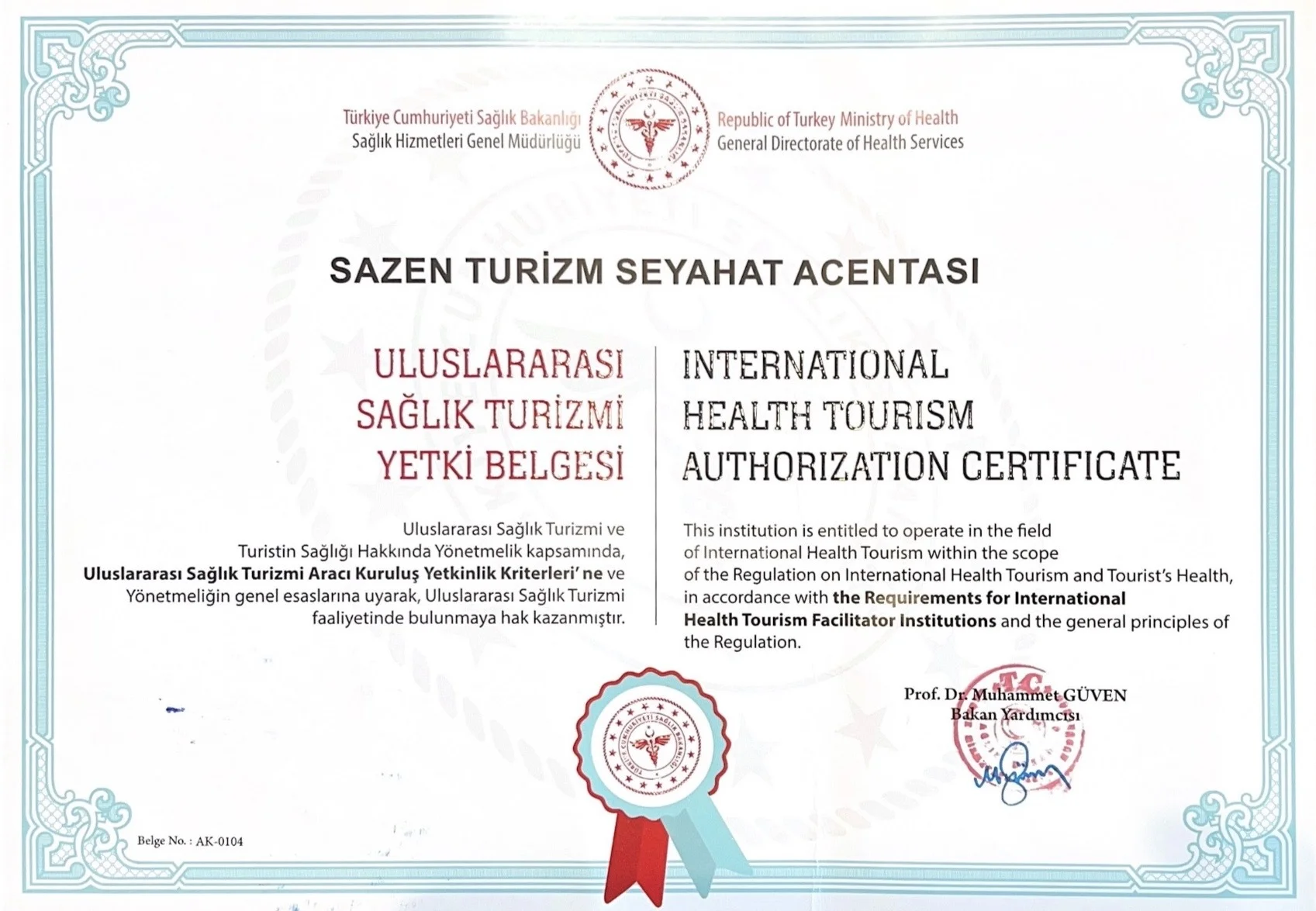
- International Accreditation: Full compliance with the Turkish Ministry of Health and global standards.
- Continuous Follow-up: Expert control and support lasting 2 years post-surgery.
NAION Symptoms and Advice for Surgical Candidates
For patients currently using semaglutide and considering a transition to surgery, it is critical to monitor eye health closely. If sudden loss of vision field or dark spots appear, an ophthalmologist should be consulted without delay.
Ideal candidates for obesity surgery are typically individuals with a BMI of 35 or higher who have not achieved desired results from drugs or had to quit due to side effects. Gastric surgery is the safest harbor for these patients.
Modern medicine increasingly recommends the clear and predictable results of surgery over the complex side effects of medications. Making the right decision in light of scientific data is vital to securing your future health.
Healthcare is a process where risks are minimized and expertise is the foundation. With the right treatment method, it is possible to safely escape the entire burden of obesity.