
From beginning to end, I couldn’t fault a single part of the service and procedure I received. From booking all the way to leaving the country, everything was handled with the utmost professionalism and care.
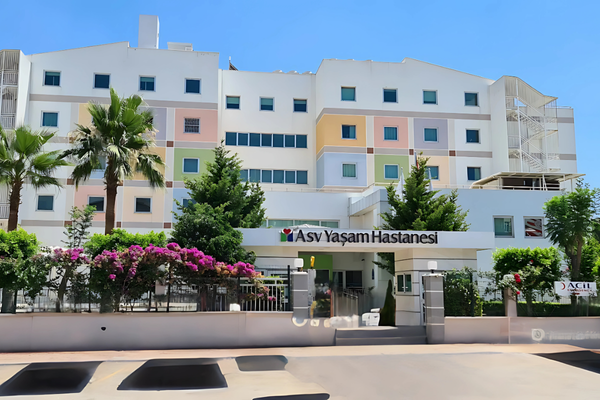
The hospital was impeccably clean, and the entire team made sure I was comfortable and informed throughout every step. The surgery went smoothly, and I was consistently supported by check-ups and follow-ups. The coordinators kept in regular contact, ensuring that every aspect of my care was tailored to me, while the wonderful nurse and nutritionist provided invaluable guidance that made me feel safe and looked after.
I could not speak more highly of this exceptional team. A special thank you to Dr. Erdem, Hamza, Fatma, Naz, Arda, Ulash, and all the dedicated nurses! You have truly changed my life, and for that, I am forever grateful.

Amy Dove
Gastric Sleeve PatientI’ve just had a gastric sleeve with CK Health Turkey. The service has been incredible, from the booking process to my arrival in Turkey, through to the operation, and now, while I’m staying at the hotel as I write this review. I had never had surgery before, let alone abroad, and given the way UK media portrays procedures in Turkey, I can say, hand on heart, that CK Health is exceptional.
Liza was my initial point of contact, followed by Arda, Hamza, and Ulash – all super friendly and informative. Both nurses, Fatima and Hazel, were fantastic. Everyone made me feel cared for and safe. Dr. Erdem Can Yardimci performed my gastric sleeve without any complications, and I’m excited to start this new chapter! See you all in a year for plastics!
Annalisa Toccara-Jones
Gastric Sleeve PatientAfter having used another cosmetic company in Turkey previously I decided to look for the best for my next procedure and I was not disappointed in CK health. I did a lot of looking into the company and my surgeon and flew out solo on October 14th 2024 for a full face lift and arms. I was picked up by Sebastian at the airport and taken to the hospital for my pre opp tests. The next day I had my procedure . I woke up to the loverly nurse Fatama who did absolutely everything for me to feeding and watering me to putting eye drops in she is an absolute angel 😇.
My coordinators were Felix & Ulash and all I can say is nothing was too much trouble thankyou to you all at CK health to Sebastian, fatama, nurses, Ulash, Felix and my wonderful surgeon Dr. ASIM USUL for looking after me so well 🙏 ❤️ I would recommend this company so much so I'm going back as I miss these guys. So much so we still keep in touch.
Clare Hayman
Plastic Surgery PatientI had Gastric Sleeve Surgery at CK Health Antalya on the 3rd Sept 2024. Spent 3 nights in their hospital, and then 2 nights in a partner hotel.
Couldn't fault the hospital at all. Their communication before, during and after was excellent, their staff are knowledgeable and helpful. The surgeon (Dr Erdem) was fantastic and helped to keep my mind at ease.
Hospital is the cleanest I've ever seen, the area has lots of shops and cafes around too for a companion (or even yourself) to have a wander around.
I'd 100% recommend CK health to anybody considering surgery abroad. I'm 17lbs down 2 weeks post op, had no complications at all. And feeling amazing.

Toni Ashworth
Gastric Sleeve PatientMy journey with CK health was fantastic from time I arrived to time I left hospital. They looked after me so well and nothing was too much. Special thanks to Sebastian my driver, Ulash and tuber the coordinators, Fatma and Shenai my English speaking nurses were brilliant and of course Dr. Erdem the brilliant surgeon.
Highly recommended as they put your mind at rest and look after everything.

Gary Kent
Gastric Sleeve PatientIf you’re thinking of surgery, get in contact with CK Health. I researched for a year looking round different places but found myself coming back to CK Health.
I had a Tummy Tuck, vaser lipo and abdominal's repaired. Members of staff have been very informative, Arda, Myra the patient coordinators. Fatima the VIP nurse who looked after me throughout the night. The surgeon Dr Asim Uslu has done a brilliant job, very talented, skilled & professional. Not forgetting Sebastian our transport driver! All in all a fantastic service. Highly recommend. Keep up the great work CK Health! 👏

Kelly Beedle
Plastic Surgery PatientI had my gastric sleeve done at CK health in July. I can honestly say, hand on heart I had the best experience. From speaking to them on what's app answering all my questions, to being picked up by Sebastian and everything else that followed.
The team are FANTASTIC. You have lots of test's before surgery to make sure you are fit for it. I went VIP and had the lovely ladies stay in my room every night to make sure I was there and needed anything. I cannot recommend this company enough. My only regret is that I wish I did it 10 years ago. I have lost a total of 36lb in 7 weeks and feel absolutely amazing. Do not hesitate book with them.

Laura E Buttle
Gastric Sleeve PatientFirst class treatment at CK health. I had a gastric sleeve procedure. Your health is their priority, so expect lots of pre op and post op tests. All of the staff were very kind and helpful.
I would recommend that you take a spare towel for your companion. I would have liked a chair in the room at the hospital and at the hotel as it would have been more comfortable than sitting or laying on the bed all of the time.

Emma Roberts
Gastric Sleeve PatientThe staff at CK Health have looked after and my son very well. They arranged transport to and from the clinic and to and from the airport. They arranged the hotel accommodation which was lovely and clean and the staff were so friendly and helpful, everything was taken care off which was less stressful for me.
The hotel provided soup 24/7 which was great as that all I could eat!!! Lol Looking forward to my return visit in November for my final treatment.

Denise Cuddy
Dental PatientI have been extremely happy all supporting I had been receiving from everyone from day one.
Please if you need any help to decide using CK Health Turkey , you are welcome to ask me.
I don't work from them. I have been receiving a great support,service and felt like home.

Alex Melo Covre
Gastric Sleeve PatientWell, it’s the day following my surgery & I’m back at the hotel recovering with a beautiful sea view. This is my second visit to CKHealth & I can’t find fault in anything or anyone involved in the whole process. Prof Asim Uslu - my surgeon is nicknamed ‘Mr Awesome’ because he is exactly that 😊
The whole team from start to finish - Liza, Myra, Prof Asim Uslu, Fatma, Sebastian & thewhole team of professional, caring, fantastic nurses make the stay feel like home. They can’t do enough for you & are always there if & when you need them. With CKHealth there are no hidden costs & you are kept informed of exactly what’s going on at all times. I would recommend CKHealth 100% & can’t thank the team enough for their ongoing support 🥰

Sarah Bradley
Plastric Surgery PatientI have came here twice and both times was greeted by Sebastian the lovely driver then the hospital staff where there to guide me and make me feel extremely comfortable, after surgery I was well taken care of and had amazing after care. Would recommend for anyone considering to come here.

Darcy Gordon
Plastric Surgery PatientThe whole service from the first WhatsApp message to finally having the surgery in less than 2 weeks has honestly been amazing. Every single person I have been in contact with from Ck health have all been so professional and could not have done anymore for me and my partner if they tried. The patient co Ordinaters and all the CK VIP nurses couldn't been anymore professional and caring.
You do get what you pay for. You can find the surgery cheaper else where but I can assure you the service and care is not the same (friends have used). I am that pleased with my gastric sleeve and the treatment I received and I will be booking me and my partner to go back with CK Health and have our teeth done. Thanks all great team CK.

Jamie Doyle
Gastric Sleeve PatientFrom first booking and getting all the information to getting all my pre ops done they made me feel at ease and that this was the right thing to do. The service has been brilliant and I would definitely recommend to anyone looking at having a gastric sleeve.
Everyone from the drivers, the coordinators and nurses to the surgeon made you feel like you were in the right hands and looked after you so well. Thank you to everyone at CK Health.

Shaunna Boyd
Gastric Sleeve PatientWell what can I say, this is my 3rd visit to CK Health and had such a wonderful experience again from all the staff from transport to hospital, VIP nurses, surgeon, reps that go above and beyond to meet your needs, nothing is to much for them always done with a warm heart and big smiles.
As on previous surgery's I have travelled on my own and seriously there is nothing to be worried about so if your thinking of using CK Health I would highly recommend 100% your in safe hands. I can't thank my team enough.

Jane Murray
Plastic Surgery PatientCould not fault this hospital, from the minute I got there was looked after from transfer hospital stay and hotel, staff was amazing looked after me and my partner really well. Explained everything to me what was happing. Highly recommended this hospital to anyone

Makaila Peel
Gastric Sleeve PatientI have had bariatric surgery in 2020 with CK Health and lost 96% of my excess body weight, any questions I had I was able to contact CK health. I now even have a WhatsApp group for anyone who wants to talk to those who have had it done with CK for emotional support and general questions as the time goes on.
I have now just returned after a mommy makeover with CK Health and trust them enough to allow them to operate on my own daughter who had her implants. If I didn't trust them I would never have allowed my daughter to do it and I literally put my life in thier hands. If you want to talk to me ask Liza gor my number.

Shereen Bouwer
Gastric Sleeve PatientIt was an amazing experience, and i want to thank you all for being helpful and caring. Especially surgeon Erdem, lovely nurse Fatma from CK and my coordinators Arda and Beyza.
The aftercare was excellent, they always come at the right time and explaining what is happening. The team was amazing, hospital was clean and nice. I would recommend CK Health to everyone!

Adele Nanna Taylor
Gastric Sleeve PatientFrom the moment of contact (Facebook) the communication was amazing, I was given all the information on my procedure as well as information on what was included. Informed, we thought about this for a couple months before deciding to proceed. I’m so glad we did. The whole process was smooth and stress free. Everything taken care of. Everyone was so friendly and welcoming. We were collected from the airport and taken to the hospital where they were very thorough with pre-op tests, then had my surgery. My husband was also informed every step of the way, we felt supported throughout. I can’t recommend CK Health enough, they were incredible.
Now post op, I am still receiving support with diet and any questions are answered promptly. I promise if you choose to go with CK Health you will not regret it. 5* 10/10! An amazing experience for me! Thank you!!

Nicola Weekes
Gastric Sleeve PatientCK Health Turkey is one of the most professional and sincere health tourism outlets out there. I recommend CK Health Turkey to everyone who wishes to have their health goals met. The pickup from the airport and 24/7 customer services are amazing.
You feel like they really care about you and your wellbeing. I had two lovely experiences. Also for what you are getting in terms of price is totally worth. 100/10. Thankyou Janan and Liza.

Abdi Mohamed
Gastric Sleeve Patient












First Contact
Your journey begins with a warm welcome and personalized assistance to address your initial inquiries.
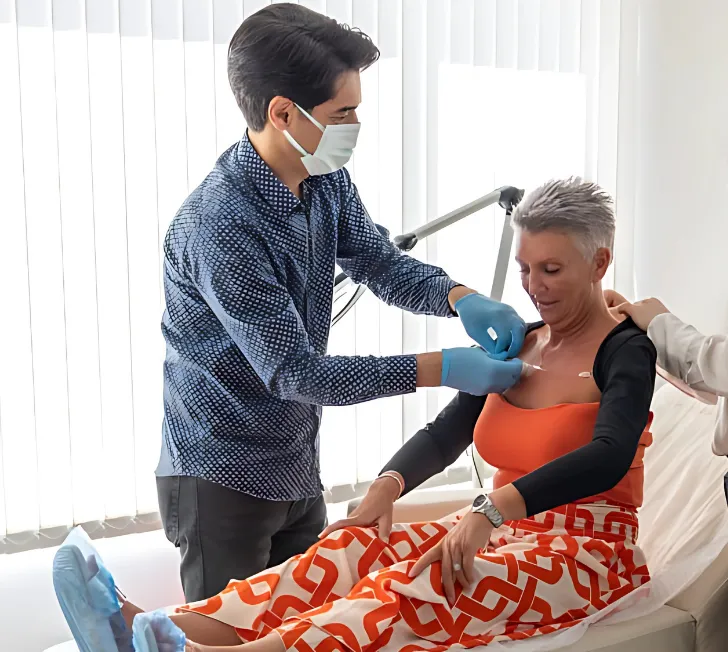
Consultation
A detailed consultation with our experts to assess your needs and discuss the best treatment options.
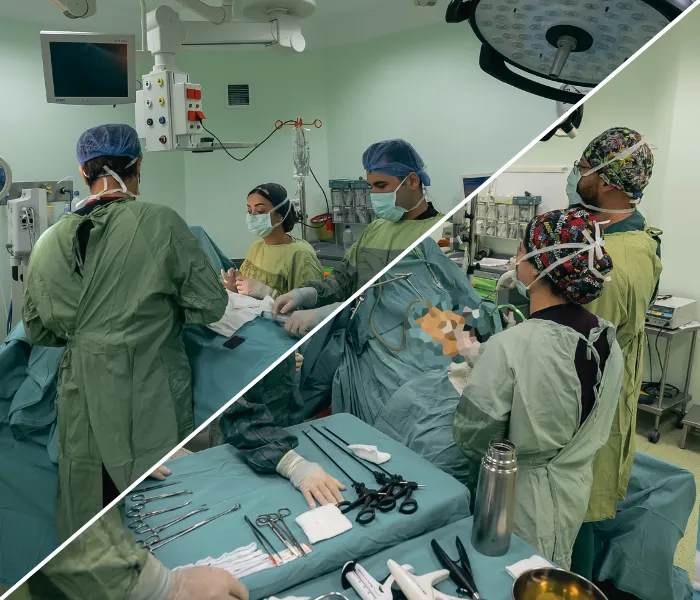
Treatment & Process
We create a tailored treatment plan and guide you through the entire process with clear steps.
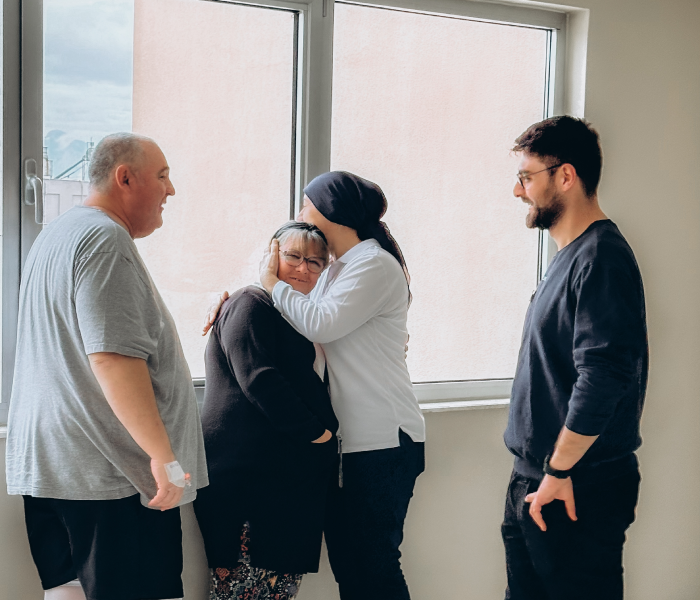
Post Operative Care
After treatment, we provide thorough post-operative care to ensure a smooth and speedy recovery.

Review & Feedback
We value your feedback to ensure continuous improvement and your complete satisfaction with the results.
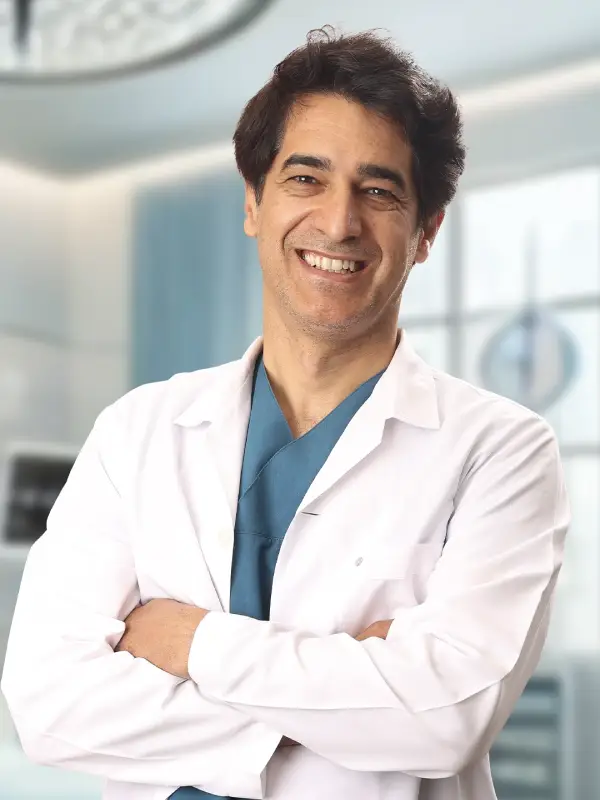
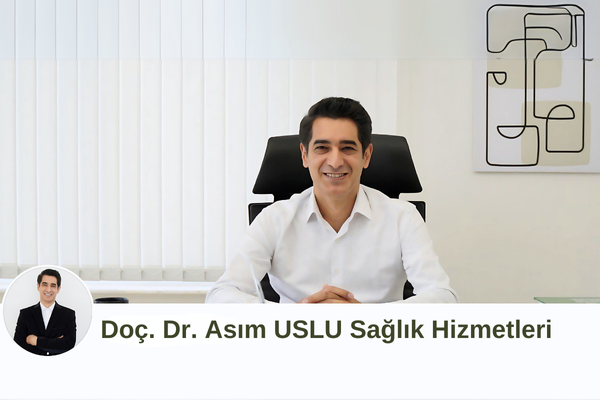
Assoc.Prof.Dr.Asım Uslu
Plastic, Reconstructive and Aesthetic Surgeon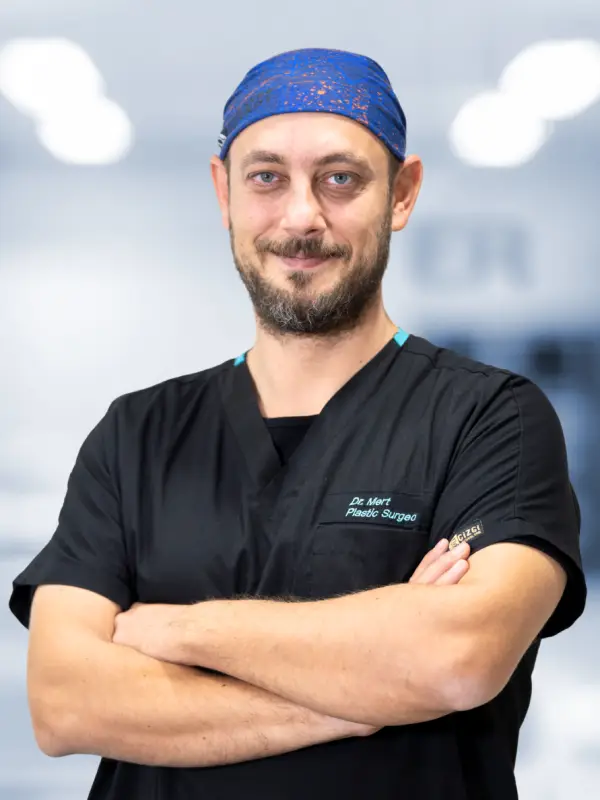
Dr. Hasbi Mert Meral
Plastic, Reconstructive and Aesthetic Surgeon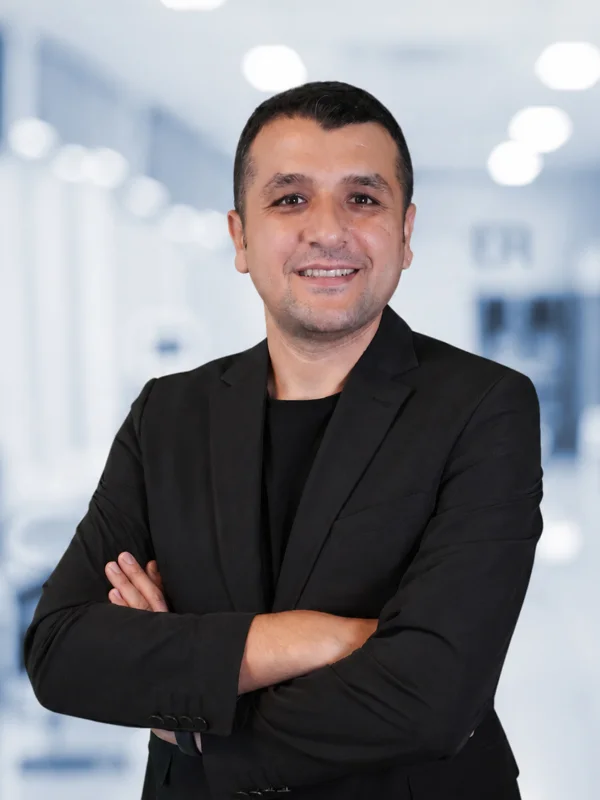
Op. Dr. Mustafa Keleş
Plastic, Reconstructive and Aesthetic Surgeon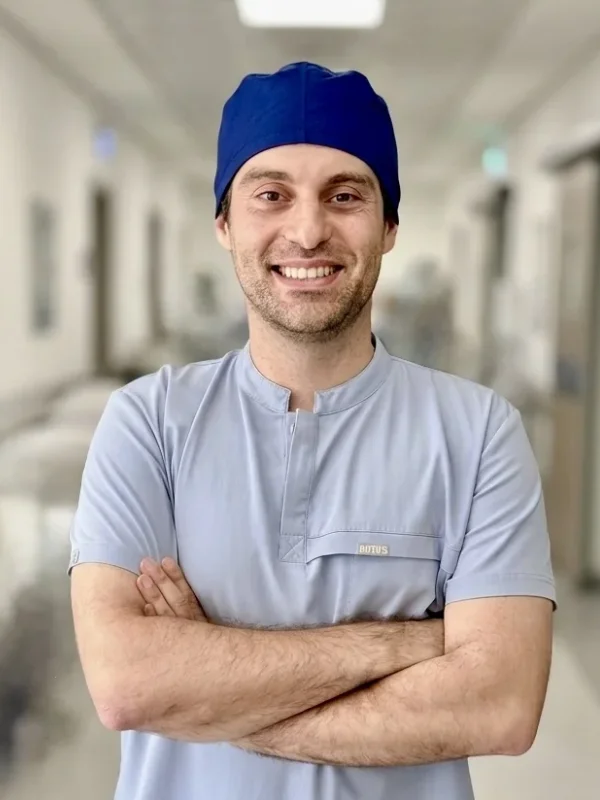
Dr. Oğuzhan Sağlam
Plastic, Reconstructive and Aesthetic Surgeon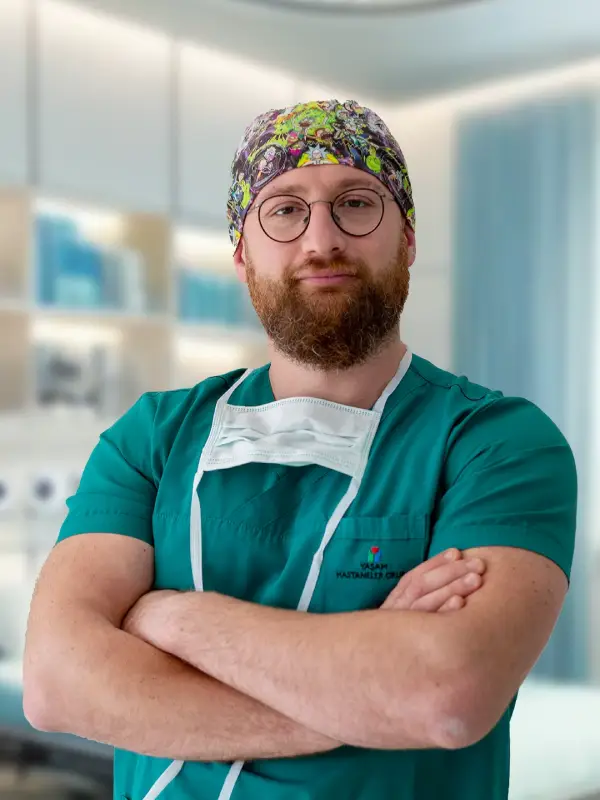
Op.Dr.Erdem Can Yardımcı
Obesity&General Surgeon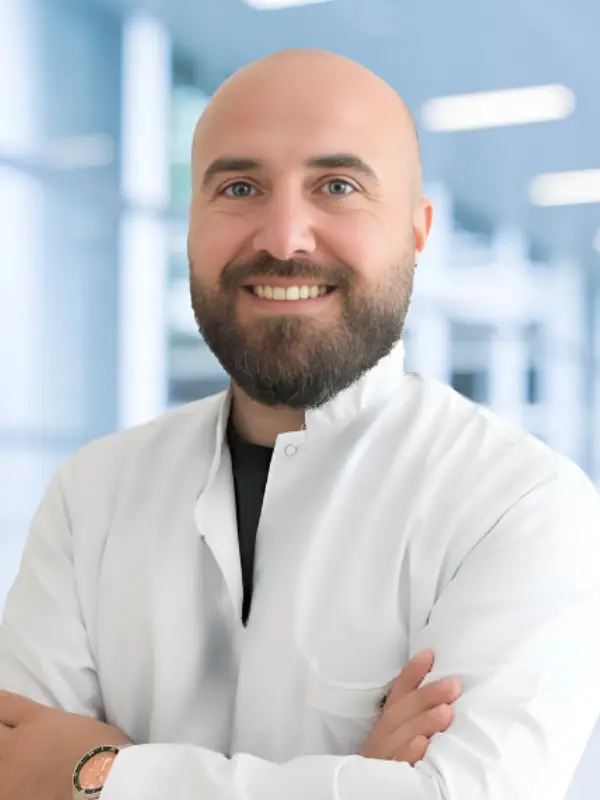
Op. Dr. Ali Acar
Obesity&General Surgeon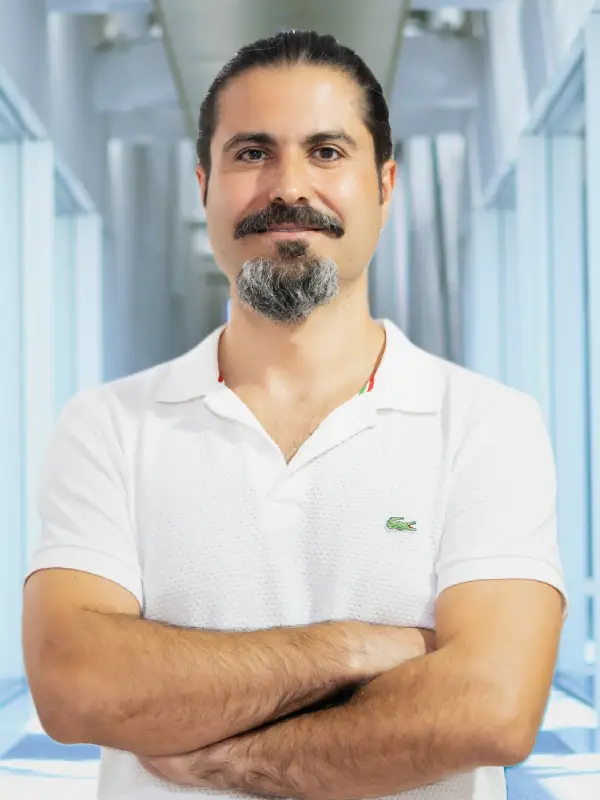
Op. Dr. Eser Çatal
Ophthalmologist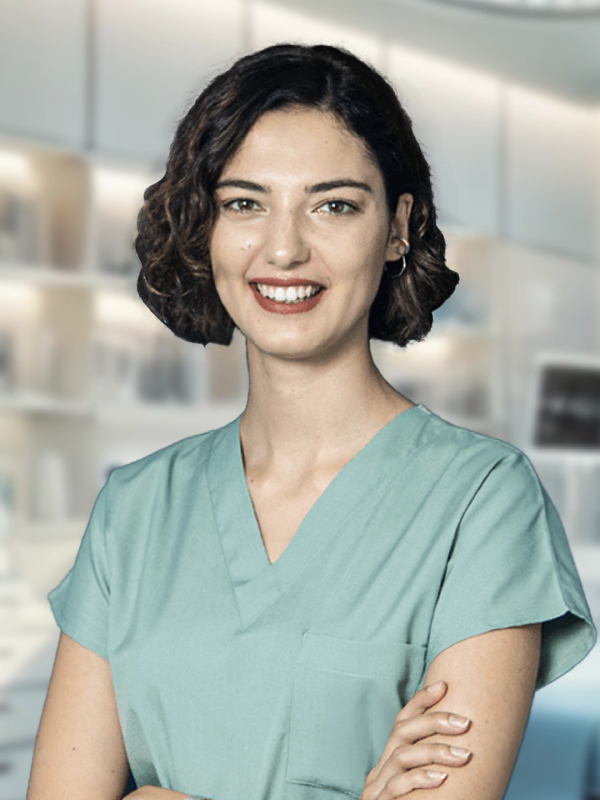
Dds. Duygu E. Ceyran
Dentist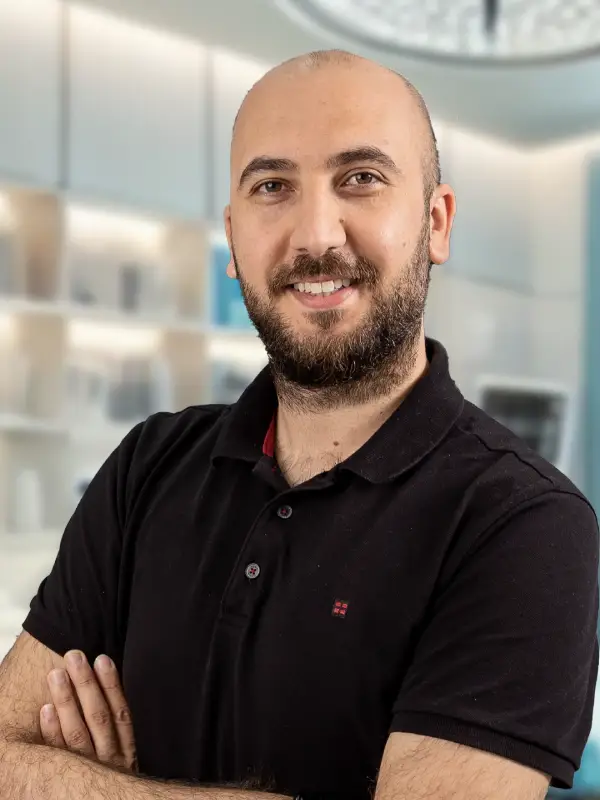
Dds. M. Kerim Ceyran
Dentist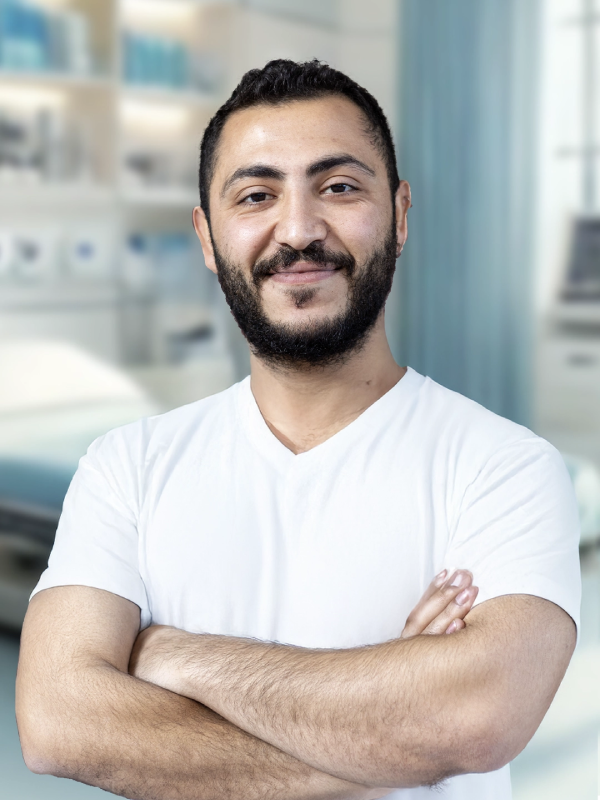
Dds. Onur Bozkurt
Dentist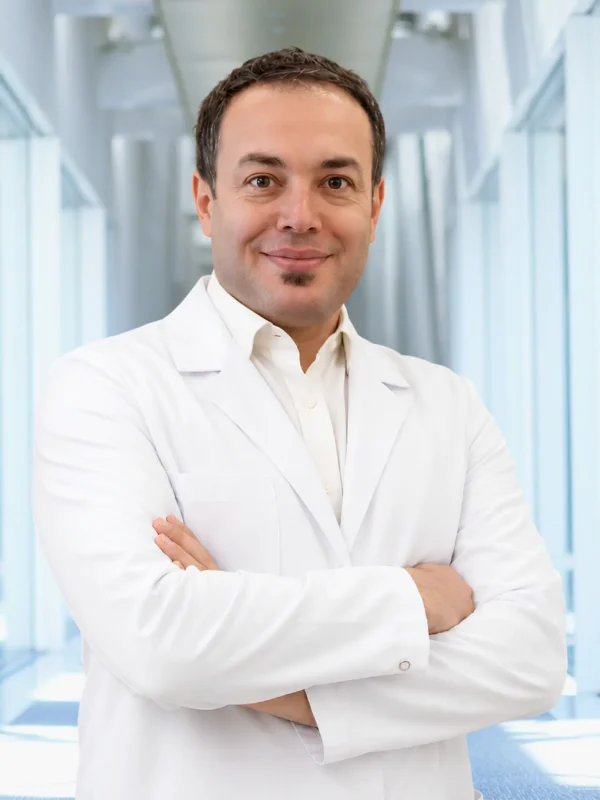
Dr. Sinan Serdar Ay
Gynaecologist & Gynaecologic Oncology Specialist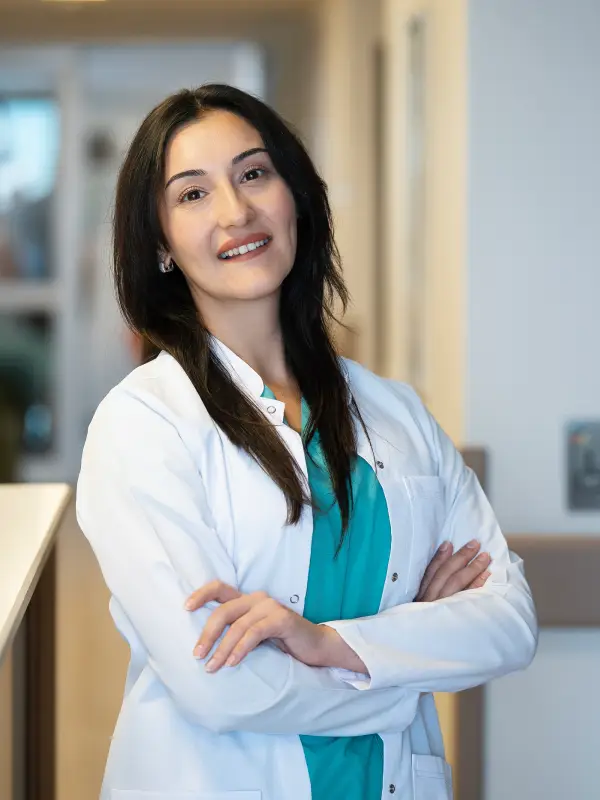
Dr. Aynur
Gynaecologist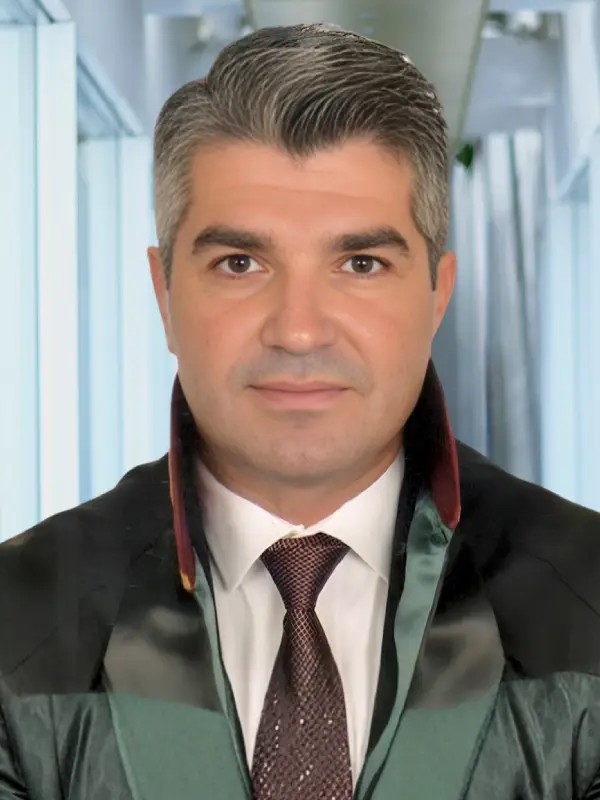
Adv. Mustafa Balaban
Attorney at Law (Antalya Bar Association Reg. No: 2670)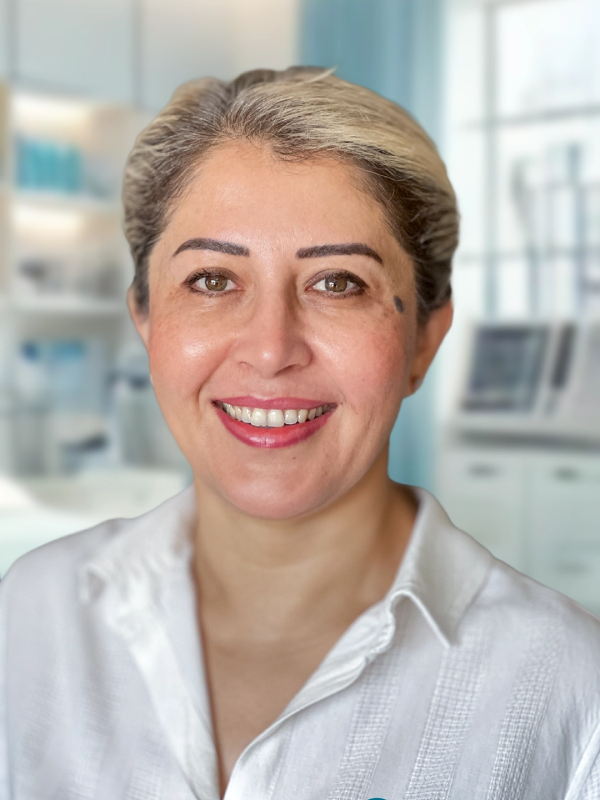
Janan
Healthcare Operations Coordinator
Jenghis
QC&A & Digital Marketing Coordinator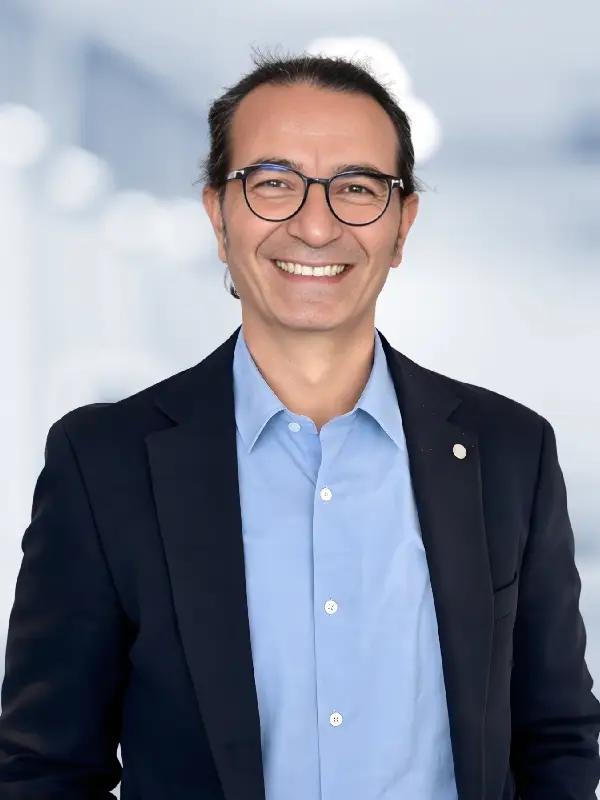
M. Ali
General Coordinator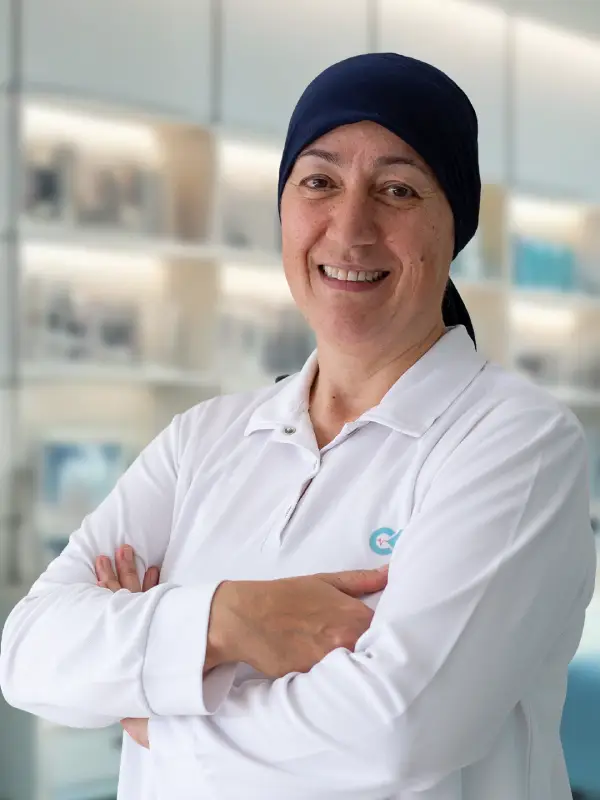
Fatma
VIP Nurse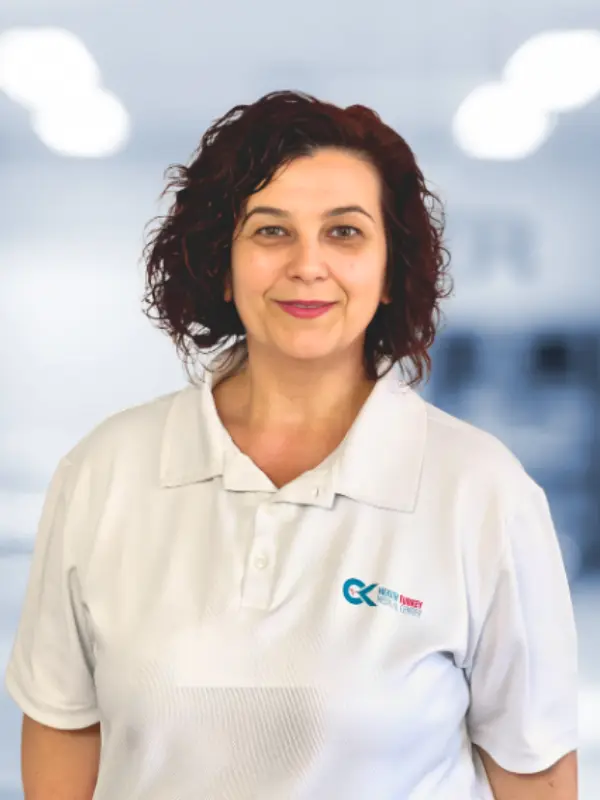
Bona
VIP Nurse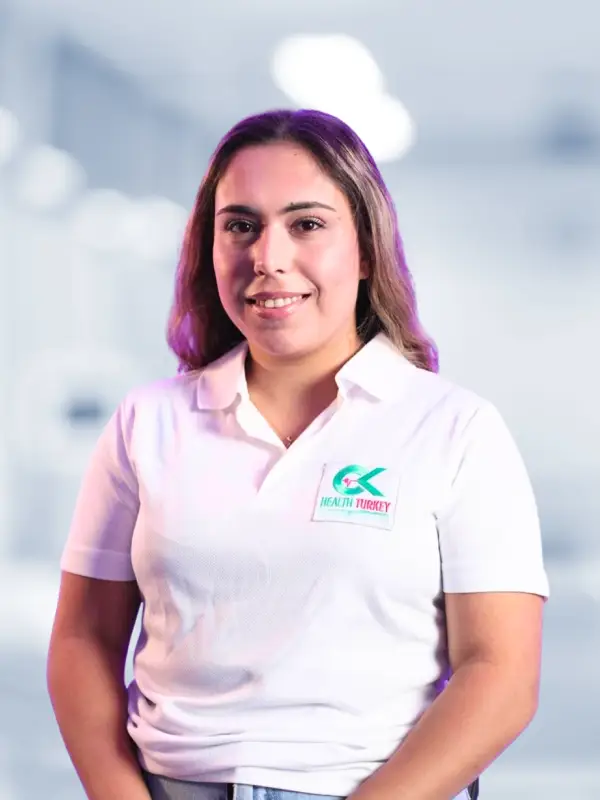
Pakize
VIP Nurse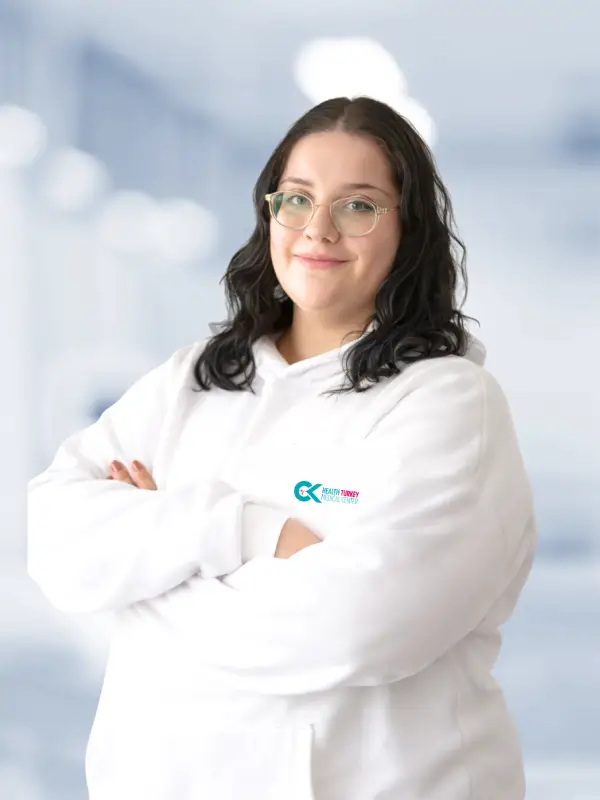
Yaren
VIP Nurse
Bella
Dietitian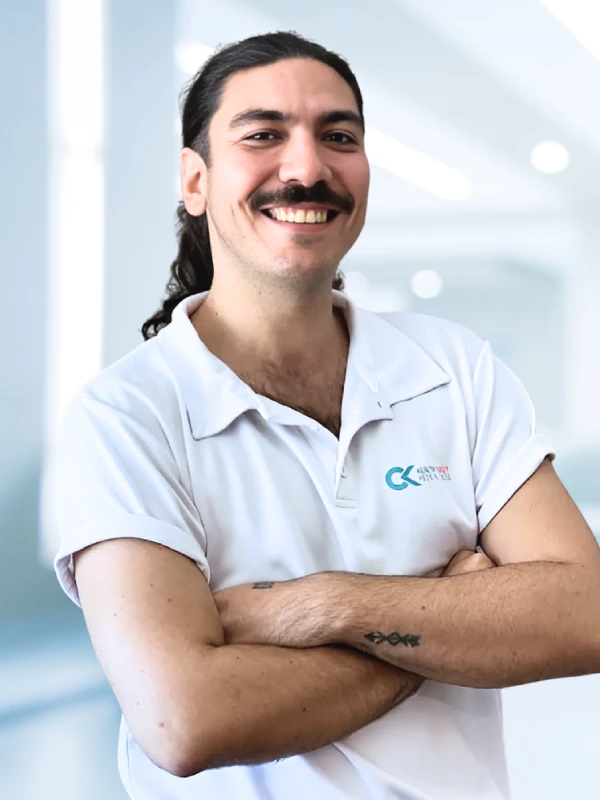
Ulash
Patient Coordinator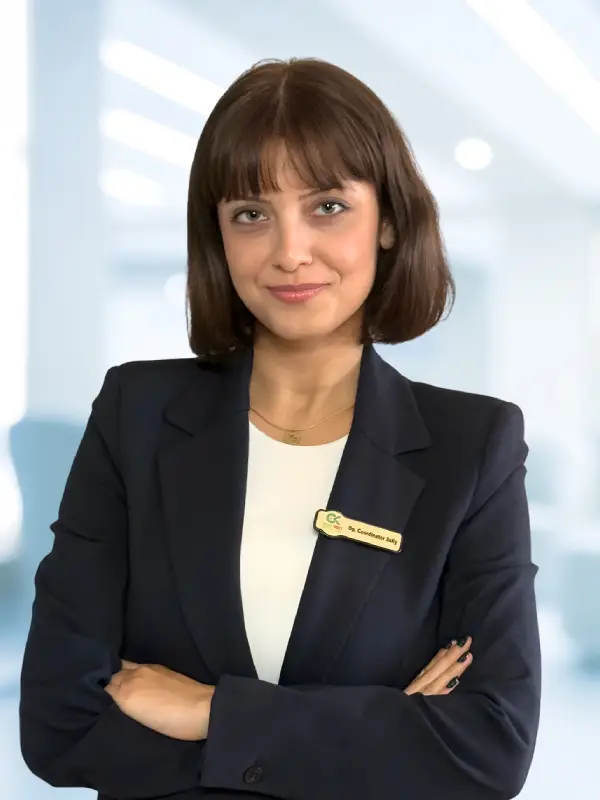
Sally
Patient Coordinator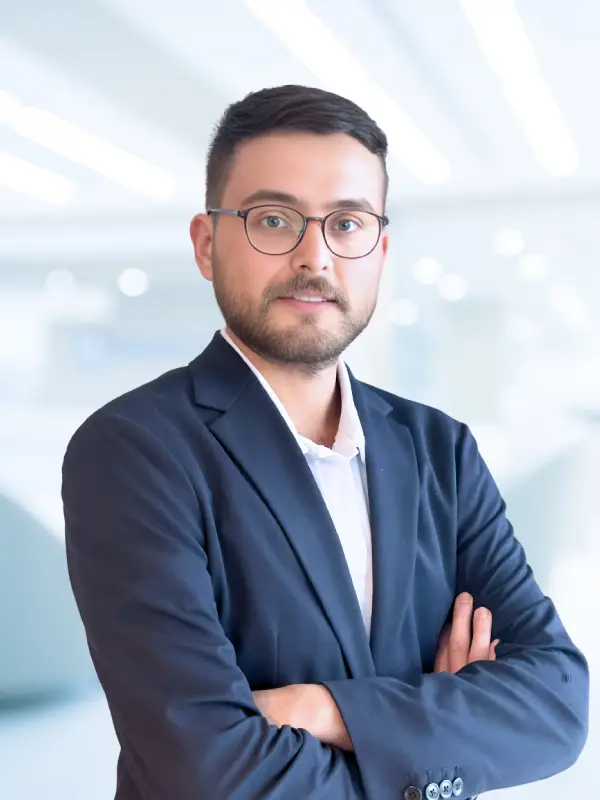
Finn
Patient Coordinator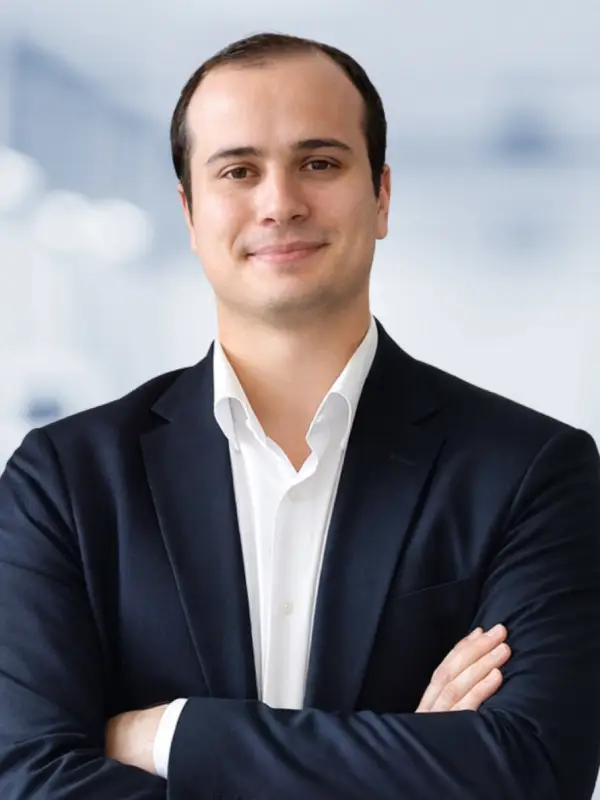
Batu
Patient Coordinator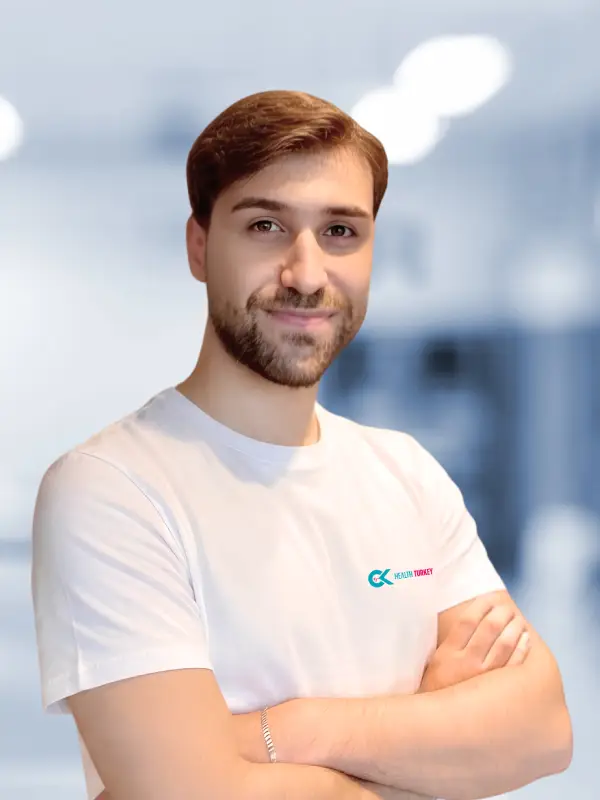
Alphie
Patient Coordinator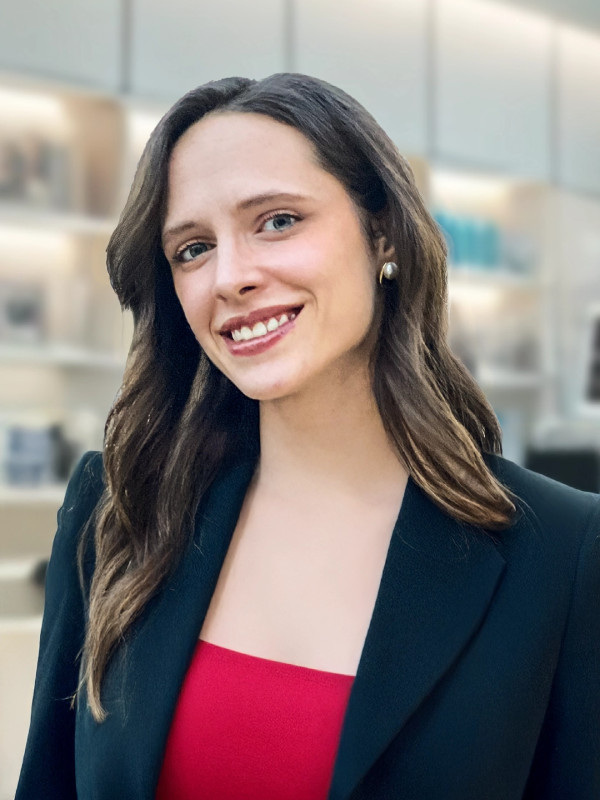
Liza
Health Consultant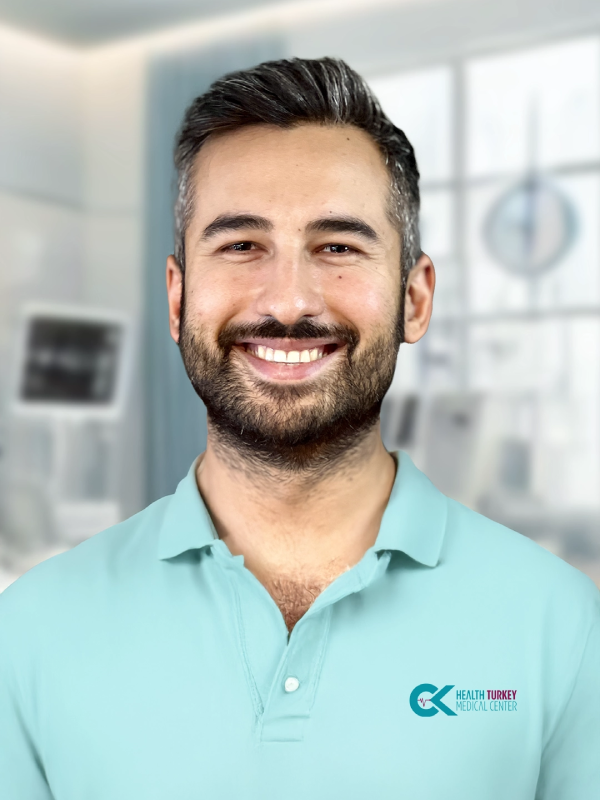
Felix
Health Consultant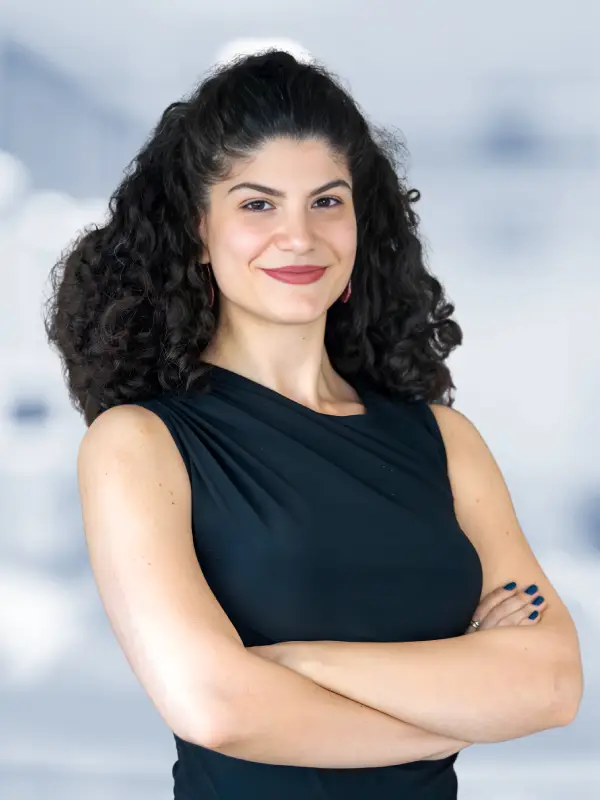
Victoria
Health Consultant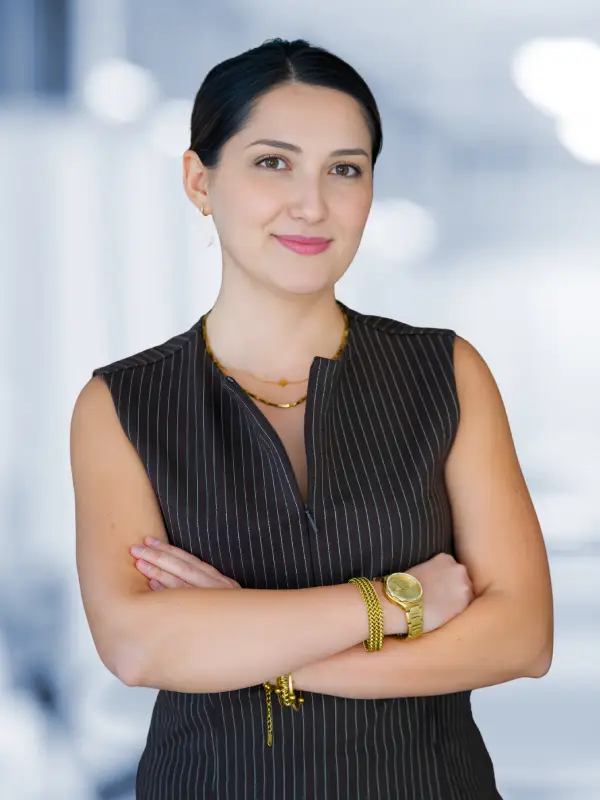
Lena
Health Consultant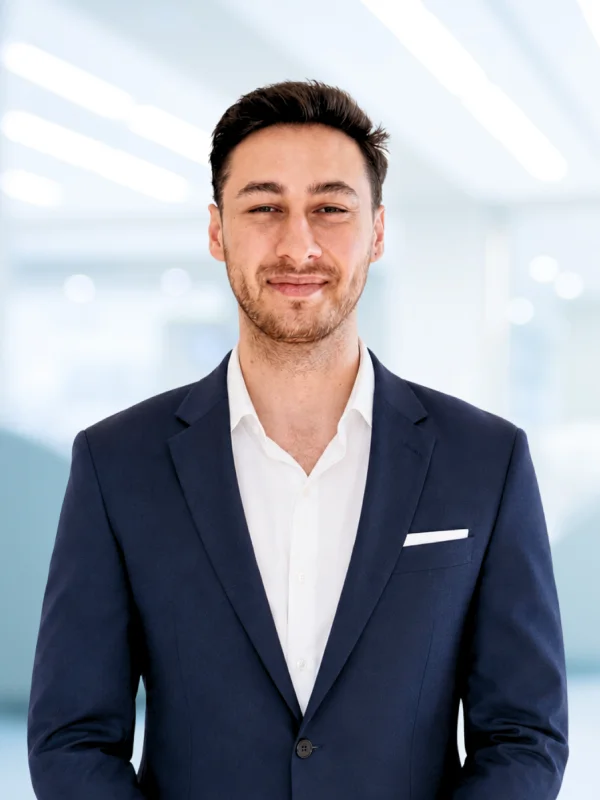
Aaron
Health Consultant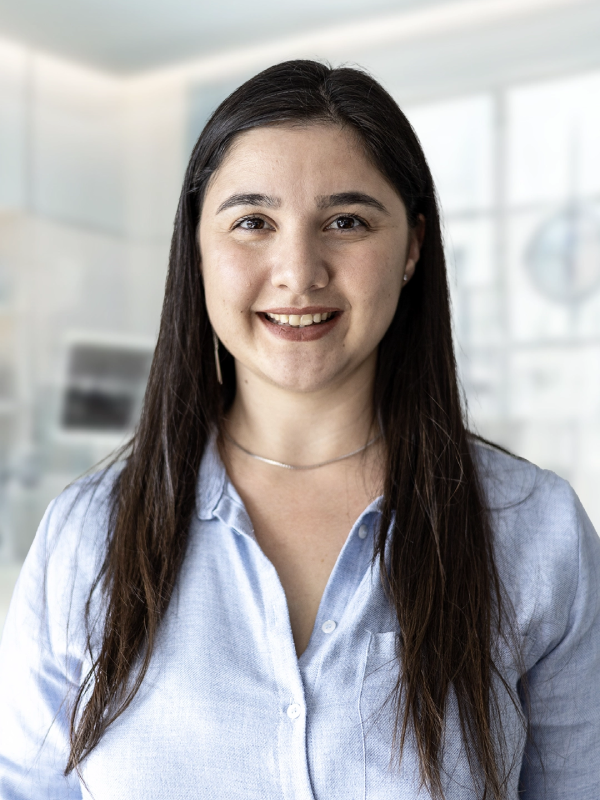
Ebru
Office Coordinator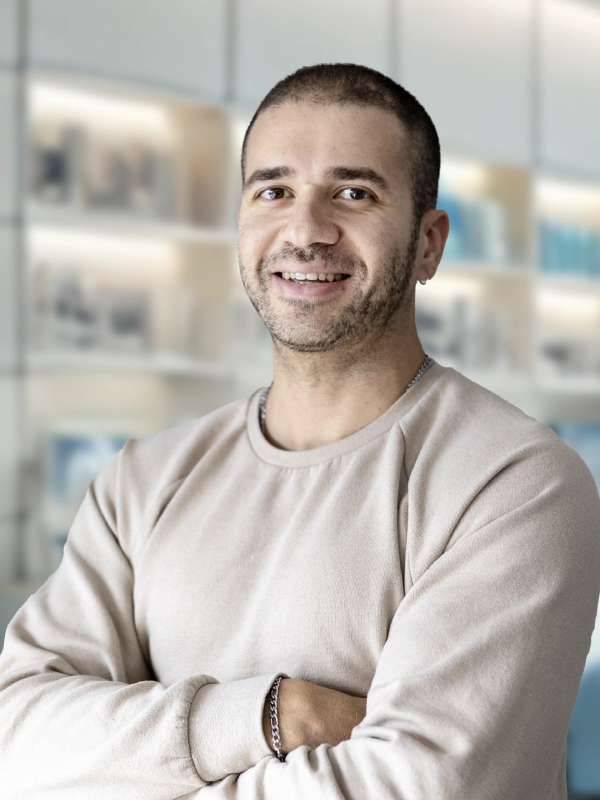
Tarkan
Digital Marketing Manager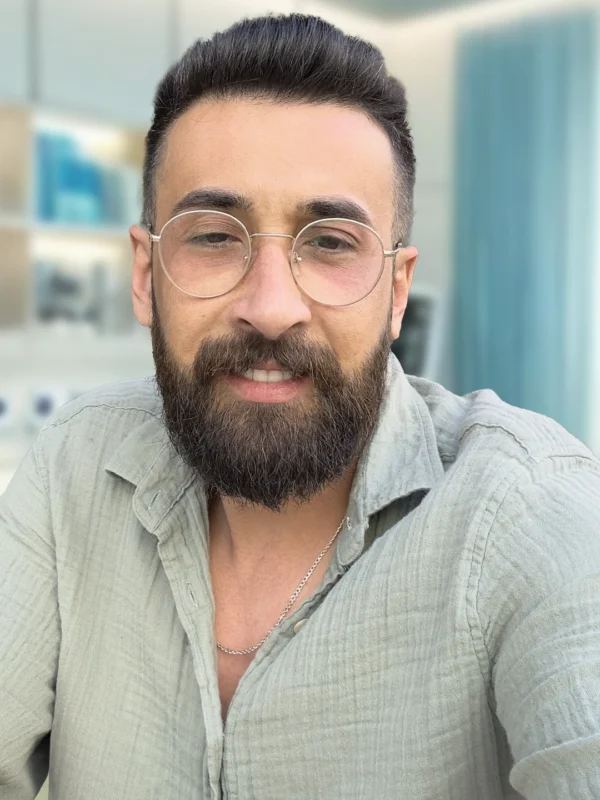
Orkun
Videographer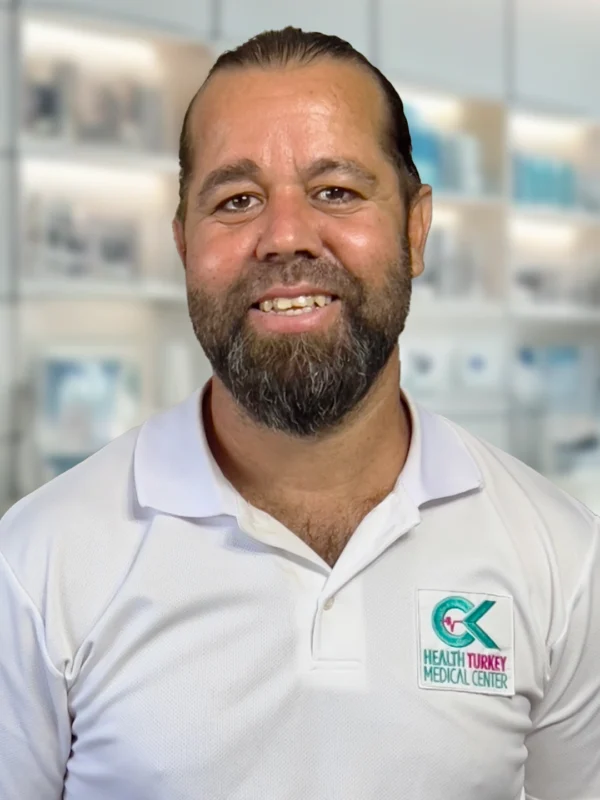
Sebastian
Welcome & Transfer
Erkan
Welcome & Transfer