Highlights
- Patients must wait at least 30 to 90 days after bariatric surgery before reintroducing caffeinated coffee to protect the sensitive stomach pouch and ensure proper healing.
- Caffeine is restricted early on because it acts as a diuretic that increases dehydration risk and stimulates stomach acid, which can irritate the surgical staple line and cause acid reflux.
- When reintroducing coffee, patients should start with decaf, avoid added sugars to prevent dumping syndrome, and ensure it does not interfere with vital nutrient and mineral absorption.
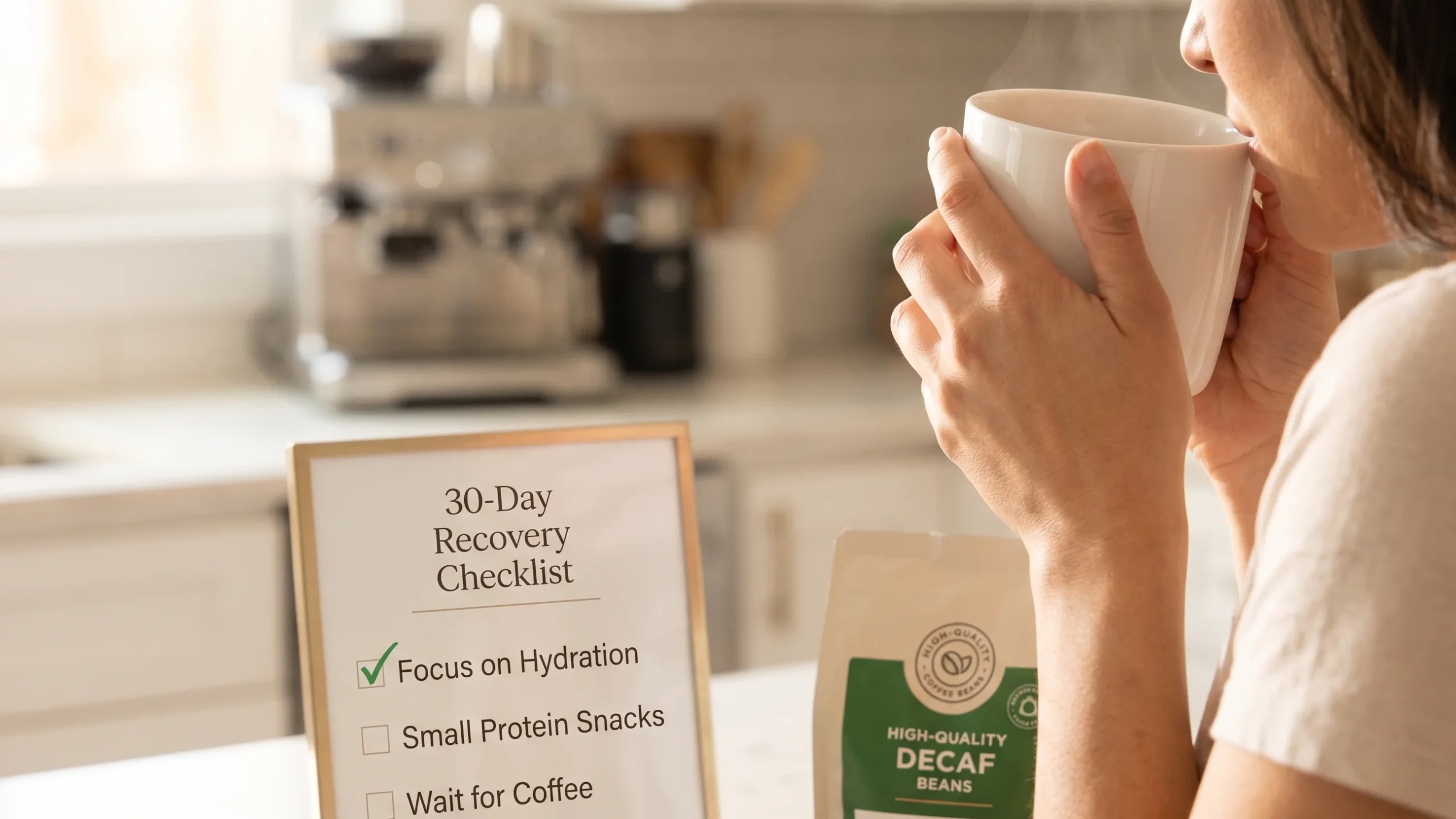
Undergoing bariatric surgery requires a total restructuring of your daily dietary habits to ensure proper recovery and long-term weight loss success. For many individuals, the most pressing question regarding post-operative life is, “When can I drink coffee after gastric sleeve?” Navigating this timeline carefully is critical to protecting your healing stomach from irritation, preventing dehydration, and ensuring optimal surgical outcomes.
Table of Contents
Detailed Timeline: When Can I Drink Coffee After Gastric Sleeve?
The general medical consensus across elite bariatric programs indicates that you must wait at least 30 days before introducing regular caffeinated coffee back into your diet. Some surgical teams recommend a full 90-day abstinence depending on individual healing rates and pre-existing gastrointestinal conditions. Your newly formed stomach pouch is highly sensitive during the initial months, making strict adherence to a phased beverage timeline essential.
- Weeks 1 to 2 (Clear and Full Liquids): Strict avoidance of all coffee and caffeine. Your primary focus during this immediate post-operative period is basic hydration and staple line healing.
- Weeks 3 to 4 (Pureed and Soft Foods): Caffeinated options remain entirely prohibited. Some clinics permit small amounts of cold or lukewarm decaffeinated black coffee if well tolerated, though plain water and protein shakes must remain the priorities.
- Month 2 (Weeks 5 to 8): This is the typical window where regular coffee can be cautiously reintroduced. This milestone is only permissible if you are consistently meeting your daily hydration goals and show no signs of acid reflux.
- Month 3 and Beyond (Long-term Maintenance): Moderate consumption of coffee is generally acceptable.However, you must continue to monitor your body for any delayed symptoms of gastric irritation or nutritional deficiencies.
Why Coffee and Caffeine are Restricted After Surgery
Understanding the anatomical and chemical reasons behind these strict dietary rules makes it much easier to stay on track during your recovery journey. Gastric sleeve surgery involves the permanent removal of roughly 75% to 80% of your stomach tissue. This radical reduction in size completely alters how your gastrointestinal tract processes acidic, chemically active liquids like coffee.
The Diuretic Effect and Risk of Dehydration
Staying sufficiently hydrated is the single most important, yet frequently challenging, task in the first few months following a sleeve gastrectomy. Because your new stomach can only hold a few ounces of liquid at any given time, you must sip fluids continuously throughout the day.
- Caffeine functions as a natural diuretic that accelerates fluid loss through frequent urination.
- Introducing a diuretic early on dramatically compounds the risk of clinical dehydration.
- Dehydration post-surgery manifests as extreme fatigue, severe dizziness, chronic headaches, and in serious instances, acute kidney complications.
- Meeting a baseline goal of 64 ounces of pure, non-caffeinated fluid daily is mandatory before any coffee can be safely considered.
Increased Gastric Acidity and Acid Reflux
A smaller stomach naturally possesses a significantly lower buffering capacity for highly acidic substances. Regular coffee contains organic compounds that actively trigger the release of gastrin and stimulate the overproduction of stomach acid.
- The raw tissue along your surgical staple line is highly vulnerable to chemical irritation from concentrated acids.
- Exposing this sensitive area to coffee can cause intense burning sensations, nausea, and persistent vomiting.
- Sleeve gastrectomy inherently alters the pressure dynamics of the lower esophageal sphincter, increasing baseline vulnerability to gastroesophageal reflux disease (GERD).
- Drinking acidic beverages adds fuel to the fire, turning mild post-operative reflux into a chronic, painful issue.
Interference with Nutrient and Mineral Absorption
Achieving your goal weight depends heavily on consuming high-quality nutrients in small volumes, alongside consistent bariatric vitamin supplementation. Coffee contains dense networks of polyphenols and tannins that bind to vital minerals in the digestive tract.
- These compounds actively inhibit the absorption of non-heme iron, increasing the risk of early-onset anemia.
- Caffeine accelerates the excretion of calcium through the urinary tract while simultaneously reducing intestinal absorption rates.
- Because your total food intake is restricted, your body cannot afford any chemical interference with mineral uptake.
- Failing to separate your supplement schedule from your coffee consumption can lead to long-term bone density loss and systemic nutritional deficiencies.
Healing of the Stomach Staple Line
During the initial 30 days post-op, your stomach is focused on closing and healing the long vertical incision secured by surgical staples. Stimulants like caffeine can cause subtle, involuntary smooth muscle contractions within the gastric wall.
- These micro-contractions put unnecessary physical stress on the delicate tissue row as it attempts to form a secure seal.
- Minimizing gastrointestinal motility stress is a core tenet of early bariatric recovery.
- Allowing the physical structure of the stomach to stabilize completely without external chemical stimulation prevents micro-tears and chronic localized inflammation.
Scientific Research Insights on Post-Bariatric Fluid Tolerance
Clinical research published across prominent bariatric journals underscores the critical relationship between beverage choices and mucosal healing. According to guidelines supported by the American Society for Metabolic and Bariatric Surgery (ASMBS), establishing a predictable, non-irritating hydration baseline is the key factor in preventing early readmissions.
Studies monitoring post-operative compliance highlight that patients who introduce caffeinated, acidic liquids prior to the one-month mark report a significantly higher incidence of marginal ulcers and erosive gastritis. The data indicates that the hypersecretion of gastric acid triggered by coffee compounds directly correlates with delayed tissue remodeling along the gastric channel. For these reasons, medical protocols remain conservative, urging a minimum four-week window of complete caffeine abstinence to allow the remaining gastric anatomy to safely stabilize.
Safe Reintroduction: How to Drink Coffee Again
When your surgical team officially gives you the green light to enjoy coffee again, you cannot simply return to your old pre-surgery coffee routine. Your new anatomy requires a highly structured, cautious approach to prevent sudden digestive distress or stalls in your weight loss progress.
You should implement the following step-by-step process when reintroducing coffee into your lifestyle:
- Start exclusively with decaffeinated options to test your stomach’s tolerance to the natural acids in coffee without the compounding stimulant effects of caffeine.
- Ensure your stomach is never completely empty by enjoying your morning brew alongside a small portion of protein or shortly after an approved meal stage.
- Drink your coffee completely black or use a splash of nonfat, lactose-free, or unsweetened plant-based milk to avoid introducing unnecessary fats.
- Avoid adding any sugar, honey, or flavored syrups, as high sugar concentrations in liquid form will trigger dumping syndrome, resulting in rapid heart rate, severe abdominal cramping, and cold sweats.
- Sip the beverage slowly over the course of 20 to 30 minutes, completely avoiding the urge to gulp or use a straw, which introduces air bubbles that cause painful bloating.
- Keep a minimum 30-minute buffer window between drinking your coffee and taking your mandatory daily bariatric vitamins or iron supplements.
Comparing Post-Op Beverage Options
To maintain optimal health, you must evaluate every beverage based on its hydration value, acidity, and overall safety profile. The table below outlines how different morning liquids stack up during your gastric sleeve recovery process.
| Beverage Type | Safe Timeline | Acidity Level | Dehydration Risk | Nutritional Value |
| Pure Water | Immediate (Day 1) | Neutral | None (Primary Hydrator) | Essential for cellular recovery |
| Decaf Black Coffee | Weeks 2 to 4 | High | Low | Provides antioxidants only |
| Weak Herbal Tea | Week 2 | Low to Medium | Low | Soothing to the stomach lining |
| Regular Caffeinated Coffee | Month 2+ | High | High (Diuretic) | Can suppress appetite unsafely |
| Sugary Coffee Drinks | Avoid Long-term | High | High | Causes dumping syndrome and weight stalls |
Premium Bariatric Care with CK Health Turkey
Undergoing a life-changing procedure like bariatric surgery requires more than just an operation; it demands comprehensive, ongoing medical and dietary guidance. CK Health Turkey stands out as a premier destination for international patients seeking world-class metabolic and weight loss surgery. The specialized surgical teams understand that the weeks following your procedure can feel overwhelming, especially when adjusting to new lifestyle boundaries.
Patients choosing their bariatric journey receive personalized, step-by-step dietary roadmaps crafted by expert medical nutritionists. From managing your immediate liquid phases to safely calculating exactly when can I drink coffee after gastric sleeve, you are never left to figure things out on your own. Premium medical packages are designed to provide seamless care, combining cutting-edge surgical techniques with the continuous support necessary to achieve your long-term health goals safely and comfortably. If you are ready to take the next step toward a healthier, more vibrant version of yourself, reach out to the dedicated coordinators today to explore your options.
Your body will send clear signals if it is not ready for the chemical complexity of coffee, making it vital to listen closely to your stomach. Experiencing sudden heartburn, sharp abdominal pressure, nausea, or a rapid pulse after a few sips means you should immediately pause and return to pure, non-caffeinated hydration. Success following a sleeve gastrectomy relies on patience, mindfulness, and a willingness to prioritize structural healing above old routines. By respecting the designated timeline and moving forward gradually, you can eventually enjoy your favorite morning rituals without compromising the incredible progress you have made on your health journey.