Highlights
- High summer temperatures in Antalya increase the risk of surgical site infections by 39% due to sweat-induced bacterial growth and moisture retention.
- Heat-induced vasodilation exacerbates post-operative swelling, making it mandatory for patients to stay in strictly air-conditioned environments between 20-22 degrees Celsius.
- Successful recovery requires avoiding direct sunlight during peak hours, maintaining high hydration levels, and wearing breathable cotton clothing over compression garments.
Planning a medical procedure requires balancing clinical timelines with environmental realities. If you are contemplating having a surgery during Antalya in summer, what to expect what to care with? becomes an immediate practical concern. Managing a healing wound while the Mediterranean sun pushes ambient temperatures past forty degrees Celsius requires deliberate preparation.
Table of Contents
Many international patients choose the summer months for elective procedures because it aligns with their annual leave or academic breaks. However, there is a common misconception that medical tourism in a coastal paradise allows you to combine major surgery with a standard beach holiday. The reality is far more clinical, and understanding the physiological impact of high temperatures is vital for your safety.
The Reality of Having a Surgery during Antalya in Summer, What to Expect What to Care With?
Undergoing surgery during the peak of summer means your immediate post-operative environment must be tightly regulated. Antalya is famous for its intense heat and high humidity between June and September, factors that directly influence how your body heals.
Sweating and Incision Safety
Sweat is the body’s natural defense against overheating, but it is a major adversary for fresh surgical wounds. When sweat accumulates under dressings or surgical garments, it creates a warm, moist environment that encourages bacterial proliferation. This moisture can compromise the integrity of surgical tape, cause surgical glue to soften prematurely, and irritate the surrounding skin. Keeping your skin dry is not about comfort; it is a critical strategy to prevent wound breakdown.
Swelling and Vasodilation
High environmental temperatures trigger vasodilation, a physiological process where blood vessels widen to release heat. While this helps cool down a healthy body, it increases localized swelling and fluid retention in tissues that have recently undergone trauma. Patients undergoing body contouring, rhinoplasty, or breast surgery will notice that heat exacerbates post-operative edema. This makes the consistent use of specialized compression garments mandatory, even when the ambient temperature makes them feel uncomfortable.
The Indoor Recovery Environment
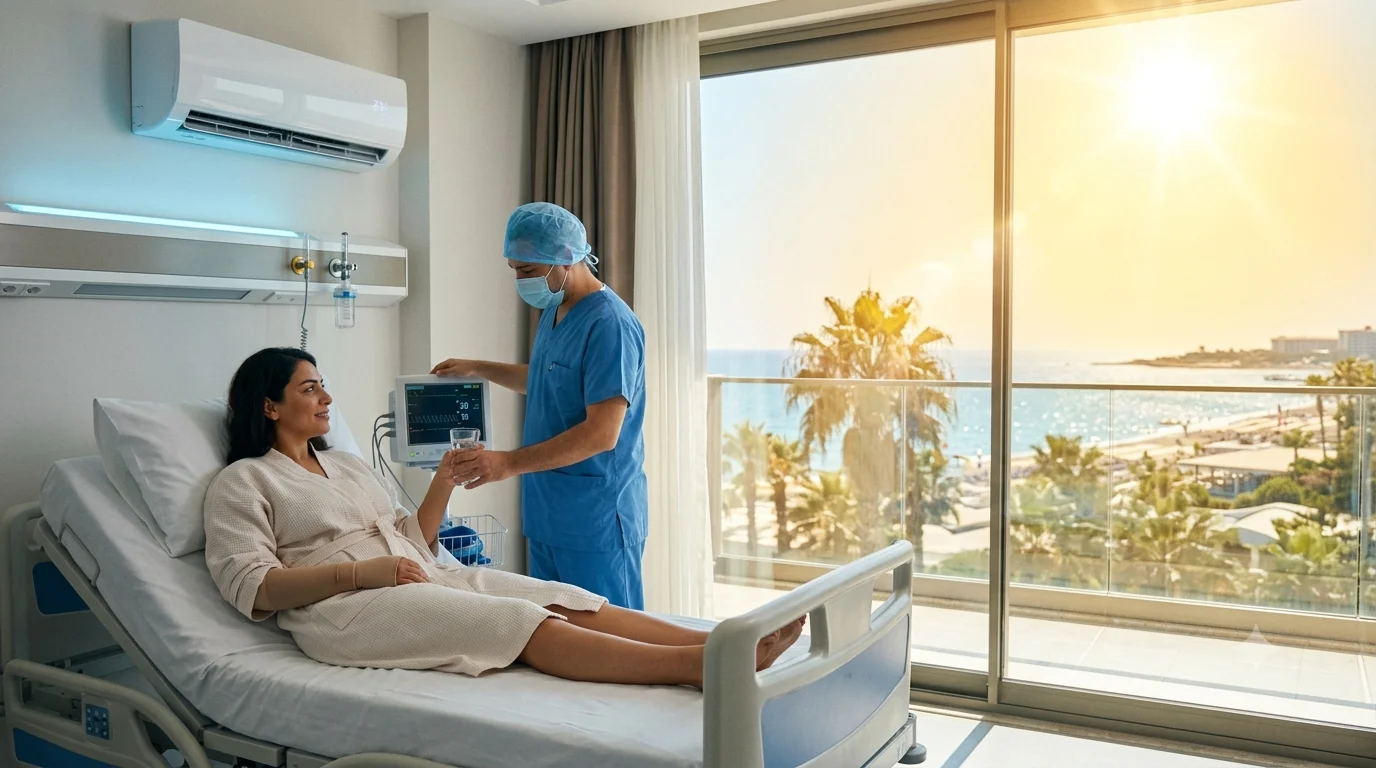
Choosing a summer procedure means trading the beach for a strictly managed indoor microclimate. Your recovery will take place entirely within air-conditioned spaces, moving directly from a climate-controlled hospital room to a similarly regulated hotel suite or apartment. The outdoor sights of the Turkish Riviera will have to be enjoyed from behind a glass window during the initial weeks, as direct exposure to extreme heat can induce dizziness, dehydration, and elevated blood pressure.
Medical Research on Seasonal Complications
Clinical data underscores the necessity of managing environmental risks during warmer months. A comprehensive systematic review and meta-analysis published in the journal Plastic and Reconstructive Surgery Global Open in 2021 evaluated data from over 58 million surgical patients across various geographic regions. The study demonstrated that warm weather seasons are associated with a statistically significant 39% increase in the risk of developing surgical site infections compared to colder periods of the year.
Researchers attribute this spike to increased skin colonization by pathogens like Staphylococcus aureus during hot weather, alongside higher rates of skin-to-skin friction and moisture retention. This insight highlights why modern, high-end surgical facilities utilize specialized laminar airflow and advanced HVAC systems to completely isolate patients from the external climate during their hospital stay.
Post-Operative Protocols for Warm Weather
To counteract the environmental challenges of a Mediterranean summer, patients must follow a structured, proactive care routine. If you are managing your recovery in a hot climate, implement the following steps precisely.
- Maintain indoor ambient temperatures between 20 and 22 degrees Celsius continuously to prevent the onset of sweating.
- Wear loose-fitting, light-colored clothing made of 100% breathable cotton over your prescribed compression garments to minimize skin irritation.
- Consume a minimum of three liters of water daily to maintain proper hydration and support cellular repair, as air conditioning dries out mucosal membranes.
- Keep all healing incisions completely shielded from direct sunlight by staying indoors during peak UV hours from ten in the morning until four in the afternoon.
- Cleanse the skin around your dressings strictly according to your surgeon’s instructions, using only approved antimicrobial solutions to keep the area sterile.
Comparing Recovery Seasons in Antalya
Every season presents a distinct set of variables for international patients traveling to Turkey for medical care. While winter offers an easier climate for physical recovery, summer provides logistical advantages regarding scheduling.
| Recovery Factor | Summer Season (June – September) | Winter Season (December – March) |
| Average Outdoor Temperature | 35°C to 42°C | 10°C to 15°C |
| Vasodilation and Swelling Risk | Significantly elevated due to heat | Minimal; cold ambient air aids constriction |
| Incision Infection Risk | Higher environmental risk from moisture | Lower risk; skin remains dry and cool |
| Sun Exposure Management | Requires strict indoor confinement | Easily managed with standard clothing layers |
| Travel and Hospital Logistics | High tourism volume; busier airports | Quieter facilities; lower accommodation costs |
Elevating Safety with CK Health Turkey
Navigating a surgical journey during the warmest months requires an experienced medical team that understands how to mitigate regional climate risks. CK Health Turkey coordinates your entire medical experience with a focus on seamless, climate-controlled transitions. From premium hospital facilities equipped with advanced air-purification systems to dedicated recovery accommodation, every aspect of your stay is engineered to protect your health.
The medical partners associated with the platform prioritize detailed preoperative preparation and comprehensive post-operative monitoring. International patients receive personalized guidance on managing compression wear, tracking hydration, and protecting scars from UV damage in the Mediterranean climate. You can reach out directly through the official website to consult with a patient coordinator and plan your procedure with a team that puts clinical safety first.
Navigating your post-operative period successfully depends entirely on respecting the local climate and adhering to strict clinical protocols. When scheduling your procedure, understanding having a surgery during Antalya in summer, what to expect what to care with? transforms an intense climate into a fully controlled environment, ensuring your aesthetic goals are met safely and effectively.