Highlights
- Composite bonding is a non-invasive cosmetic procedure that uses tooth-colored resin to repair minor imperfections while preserving the natural tooth structure.
- Turkey has become a top destination for this treatment because it offers high-quality materials and expert clinical care at a fraction of the cost found in Western countries.
- The procedure is highly durable with a 91% retention rate over five years, provided patients maintain good oral hygiene and avoid habits that could stain the porous resin.
If you are tired of Western dental clinics quoting prices that feel like you are financing their next luxury yacht, you are not alone. Opting for composite bonding in Turkey has become the go-to secret for achieving a flawless smile without sacrificing your life savings. This highly practical, non-invasive cosmetic treatment fixes minor imperfections with artistic precision and zero unnecessary drama.
Table of Contents
What Exactly is Composite Bonding?
Let’s face it: unless you were blessed with genetically perfect dental alignment and titanium enamel, looking in the mirror can occasionally feel like auditing a minor structural hazard. Fortunately, dentistry has evolved past the era of aggressive, irreversible drilling. Composite bonding is a highly conservative cosmetic procedure where a tooth-colored, pliable resin is applied directly to your teeth to repair minor blemishes.
The material itself is a sophisticated blend of organic polymers and microscopic glass or ceramic fillers. Unlike porcelain alternatives, which require sacrificing your healthy tooth structure, this technique works with what you already have. The dentist simply prepares the surface, shapes the resin, and hardens it using a specialized light. It is essentially high-end sculpting for your teeth, allowing you to walk out of the clinic with a fully restored smile in just a single appointment.
The versatility of this treatment makes it a favorite among patients who want immediate results. It is highly effective for smoothing out jagged edges, filling in small gaps between your teeth, and covering stubborn chemical stains that refuse to budge even after professional whitening. Because it preserves your natural enamel, the procedure is entirely reversible and can be adjusted as your dental needs evolve over time.
The Real Cost of Composite Bonding in Turkey
Western dental offices have successfully turned minor cosmetic adjustments into a luxury sport, charging rates that make dental health feel like an exclusive privilege. In the UK or the US, fixing a single chipped tooth can easily set you back several hundred dollars, leaving you to wonder if the resin is secretly mixed with liquid gold. Choosing composite bonding in Turkey eliminates this financial absurdity, offering premium-grade materials and exceptional clinical expertise at a fraction of the price.
The lower cost of living, favorable exchange rates, and highly competitive medical tourism market in cities like Antalya and Istanbul allow Turkish clinics to provide world-class dental care without the inflated markups. You are not paying for lower quality; you are simply stepping outside of a monopolized healthcare system that thrives on artificial inflation. Most reputable clinics utilize top-tier German and American composite brands, ensuring that your results are just as durable and aesthetically pleasing as those performed anywhere else in the world.
To put the financial landscape into perspective, here is a realistic comparison of average cosmetic dental costs across different countries:
| Country | Average Cost Per Tooth (USD) | Full Smile Makeover (16 Teeth) | Consultation & X-Rays |
| Turkey | $100 – $250 | $1,500 – $2,500 | Typically Free |
| United Kingdom | $350 – $650 | $5,500 – $9,000 | Paid Separately |
| United States | $400 – $1,000 | $6,000 – $14,000 | Paid Separately |
| Germany | $300 – $600 | $4,500 – $8,500 | Paid Separately |
While the affordability is highly appealing, you must remain vigilant when researching potential clinics. A price that seems too good to be true usually is, and cut-rate operations may compromise on sterilization protocols or dentist experience. Investing in a reputable clinic guarantees that you receive care from an experienced cosmetic dentist who understands facial harmony and tooth anatomy, saving you from costly corrective procedures down the line.
Step-by-Step: The Clinical Bonding Process
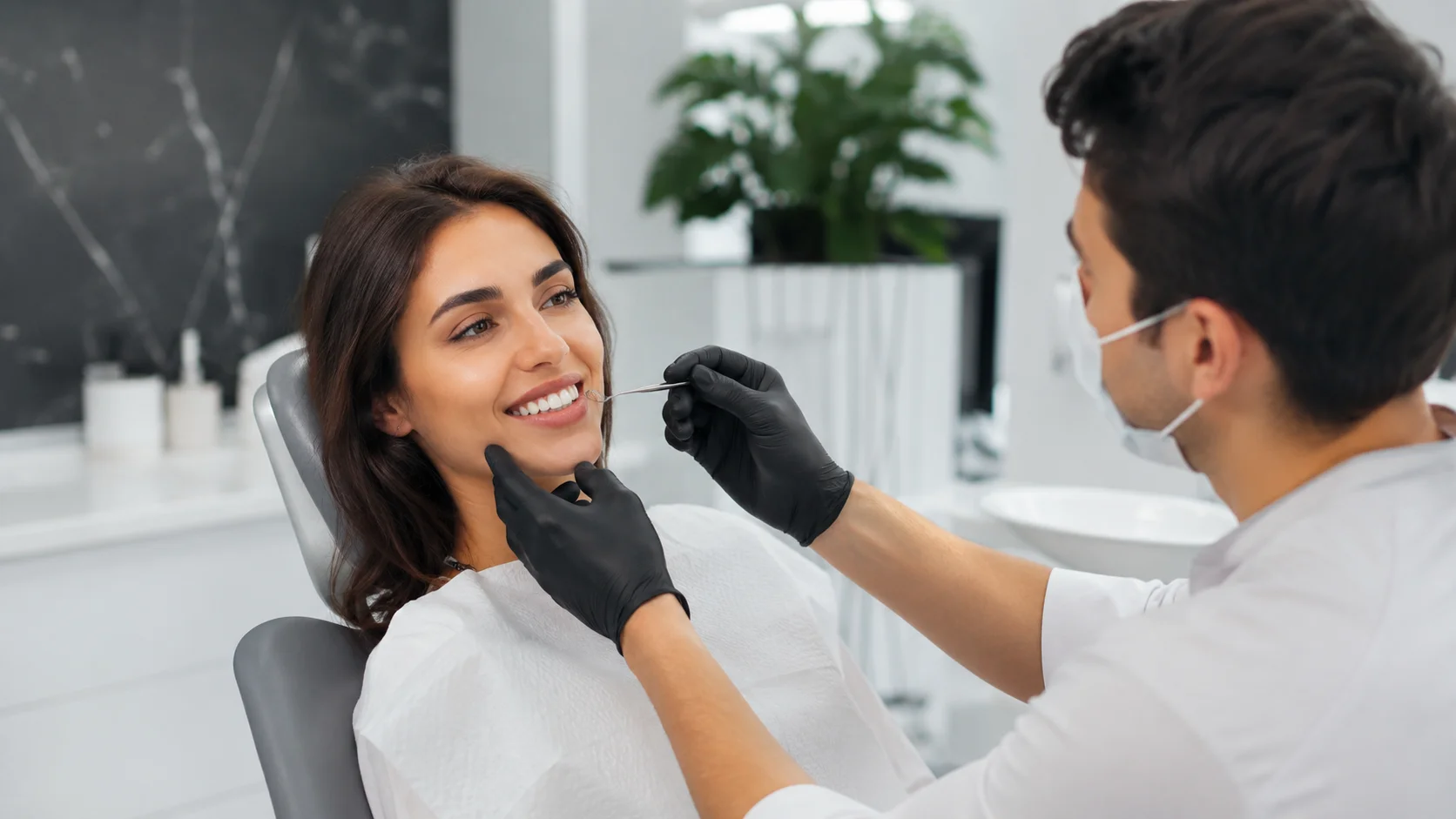
The entire treatment is remarkably straightforward and rarely requires local anesthesia unless you are treating underlying tooth decay. Because the process relies on the dentist’s manual skill and artistic eye, choosing a clinician with extensive cosmetic experience is paramount.
If you decide to undergo the procedure, you can expect a streamlined, comfortable clinical journey:
- First, your dentist conducts a thorough clinical examination and uses a shade guide to select a resin color that perfectly matches your natural teeth.
- Next, the targeted teeth are completely isolated using specialized dental dams to prevent saliva from contaminating the tooth surface.
- The dentist then applies a mild phosphoric acid gel to the enamel for fifteen to thirty seconds to create microscopic roughness.
- A high-quality bonding agent is brushed onto the etched surface and cured with a specialized blue light to establish a solid foundation.
- The composite resin is applied in thin, incremental layers, allowing the dentist to carefully sculpt and shape the material to correct imperfections.
- Each sculpted layer is cured using a high-intensity light-emitting diode device to initiate rapid polymerization and harden the material.
- Finally, the dentist uses fine-grit polishing discs and diamond paste to smooth out rough margins and achieve a natural-looking luster.
Scientific Longevity and Clinical Performance
Modern dental composites are engineered to withstand significant daily wear, but their longevity is deeply rooted in scientific clinical protocols. Research has continuously demonstrated that when dentists adhere to strict moisture control and acid-etching standards, composite materials perform exceptionally well over extended periods. It is not just about the aesthetic appeal; the structural integrity of the bond relies heavily on the quality of the resin and the precision of its application.
A five-year clinical evaluation published in the Journal of Contemporary Dental Practice analyzed the long-term performance of direct composite restorations used for midline diastema closure. The prospective study followed patients over a sixty-month period and revealed an outstanding overall retention rate of 91% for the composite restorations. Additionally, the research showed that seventy-three percent of the participants maintained excellent gingival health with zero signs of inflammation around the treated margins, provided they followed standard clinical bonding protocols and practiced proper oral hygiene. This clinical evidence strongly supports the use of high-quality resin materials as a reliable, semi-permanent solution for cosmetic dental corrections.
While the science proves the material is highly durable, your personal habits will ultimately dictate how long your bonding remains pristine. Unlike natural enamel, composite resin is slightly porous and can absorb pigments from coffee, red wine, and tobacco over time. Avoiding hard-biting habits, using a non-abrasive toothpaste, and attending bi-annual professional cleanings will protect your investment and prevent premature chipping or staining.
Composite Bonding vs. Porcelain Veneers
If you are trying to decide between bonding and porcelain veneers, you are essentially choosing between a conservative, additive approach and a permanent structural modification. Porcelain veneers are ultra-thin shells crafted in a dental laboratory that offer unmatched stain resistance and durability. However, getting them requires the permanent removal of a thin layer of your natural enamel, a prospect that understandably makes many patients nervous.
Composite bonding, on the other hand, is a completely additive process that preserves your natural tooth structure. If you ever change your mind, the composite can be safely polished off or replaced without leaving your underlying teeth compromised. It is an ideal entry point into cosmetic dentistry, allowing you to test-drive a new smile without committing to an irreversible medical procedure.
The table below outlines the primary differences between these two popular cosmetic treatments:
| Feature | Composite Bonding | Porcelain Veneers |
| Material Composition | Acrylic resin with glass fillers | Premium dental porcelain |
| Enamel Preparation | Microscopic etching only | Shaving of 0.5mm – 0.7mm of enamel |
| Average Lifespan | 4 to 8 years | 10 to 15+ years |
| Stain Resistance | Moderate (requires lifestyle care) | Extremely high (virtually stain-proof) |
| Repairability | Easily patched in a single visit | Requires complete replacement |
| Reversibility | Fully reversible | Permanent and irreversible |
If your primary concerns are minor alignment issues, chipped edges, or budget constraints, bonding is the clear winner. However, if you have severe discoloration, heavy structural damage, or want a permanent Hollywood smile that never stains, investing in porcelain may be the more suitable path. A candid discussion with an experienced cosmetic dentist will help you weigh these factors against your aesthetic goals and lifestyle.
Choosing CK Health Turkey for Your Smile Makeover
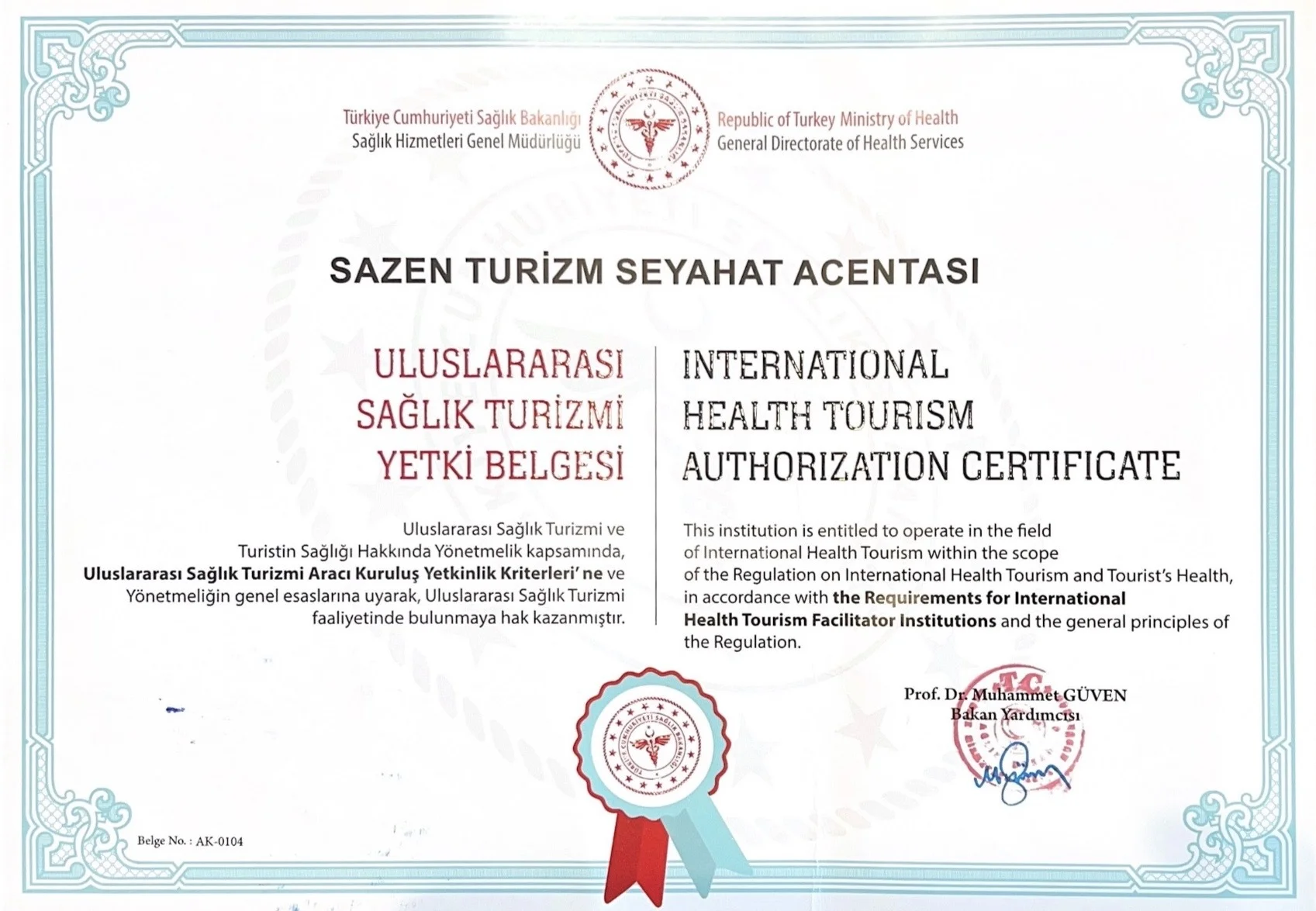
If you are looking to bypass the chaotic dental tourism factories and experience personalized, high-end care, partnering with CK Health Turkey is the logical step. Located in the Mediterranean hub of Antalya, we are dedicated to providing international patients with an elite clinical experience that combines technical excellence with honest, transparent communication. We do not believe in pushy sales pitches or promising unrealistic outcomes; our focus is on delivering beautiful, natural results that respect your dental anatomy.
Our handpicked teams of cosmetic dentists utilize the latest European dental technologies and premium, biocompatible composite resins to design your perfect smile. We understand that traveling for medical treatment can feel overwhelming, which is why we coordinate your entire journey, from private airport transfers to clinical appointments, with meticulous attention to detail. You can enjoy a relaxing Mediterranean getaway while receiving top-tier cosmetic care that rivals any premium clinic in London or New York. To take the first step toward a confident, radiant smile, reach out to us today to schedule your personalized clinical consultation.
Investing in your dental health should never feel like a financial penalty or a stressful compromise on quality. By prioritizing experienced clinicians, state-of-the-art materials, and realistic treatment plans, you can safely elevate your look and enjoy a naturally beautiful smile. Take charge of your self-confidence today and discover how choosing a trusted provider for composite bonding in Turkey can deliver the premium, stress-free results you deserve.