
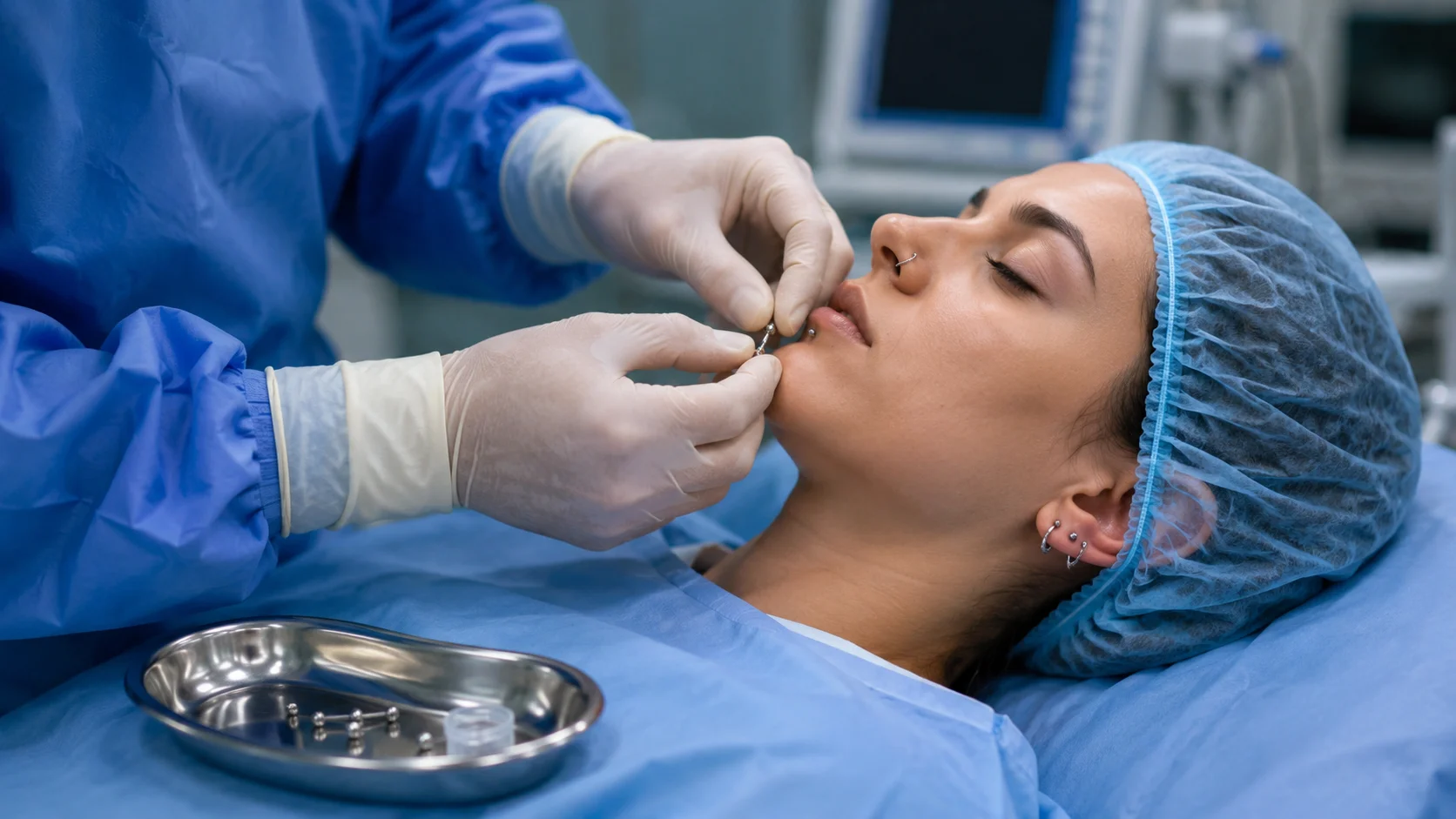
If you are preparing for an upcoming procedure, a common question is can you wear piercings during surgery. The short answer from surgical teams is almost universally no, as leaving metal or synthetic jewelry in place introduces serious safety hazards during an operation. Understanding the medical reasons behind this policy helps ensure your procedure remains safe and smooth.
Table of Contents
Can You Wear Piercings During Surgery? Key Medical Risks
Surgical team protocols requiring the removal of body jewelry are not arbitrary rules. Every piece of jewelry left on your body during an operation poses specific physical, electrical, and microbiological risks. The primary medical concerns that compel surgeons and anesthesiologists to mandate jewelry removal include:
- Electrocautery and Electrical Burn Hazards: During most surgical procedures, surgeons utilize monopolar electrosurgical units (ESU) to cut tissue and seal blood vessels to minimize bleeding. Electrocautery works by passing a high-frequency electrical current through the patient’s body to a grounding pad. If metal jewelry is present anywhere on the body, it acts as an alternate conductor. The electrical current can arc toward the metal, rapidly heating the jewelry and inflicting severe full-thickness skin burns at the piercing site.
- Airway Obstruction and Anesthesia Risks: When general anesthesia is administered, an anesthesiologist must place a breathing tube down your throat (endotracheal intubation). Oral and facial piercings, such as tongue barbells, lip rings, and nose studs, obstruct the physician’s view of your vocal cords. Furthermore, instruments used during intubation can accidentally strike and dislodge oral jewelry, causing the metal pieces to fall into the lungs or stomach, leading to airway blockage or internal tearing.
- Tissue Swelling and Ischemia: Surgery triggers a systemic inflammatory response, causing fluids to shift and tissues throughout the body to swell. If tight rings, studs, or barbells remain in place, the expanding tissue becomes trapped against the rigid jewelry. This localized pressure blocks blood flow, leading to tissue ischemia, severe necrosis, or nerve damage. In extreme cases, tight jewelry must be emergency-cut using specialized tools in the operating room to preserve limb or tissue viability.
- Infection and Sterility Compromise: Operating rooms maintain a strictly sterile environment to prevent surgical site infections. Body jewelry, even if cleaned daily at home, harbors microscopic nooks, crannies, and bacterial biofilms. During surgery, these bacteria can transfer to open surgical wounds or enter the bloodstream, potentially causing localized infections or life-threatening systemic bacteremia.
- Diagnostic and Monitoring Interference: Modern surgical suites rely heavily on monitoring devices like electrocardiograms (ECG), pulse oximeters, and intraoperative imaging like X-rays or fluoroscopy. Metal jewelry creates diagnostic artifacts or “metallic shadows” on radiologic scans, obscuring critical anatomical structures. Additionally, metal piercings located near monitoring sensors can distort electrical readings.
Scientific Research on Perioperative Piercing Risks
Clinical literature published in medical journals, such as the Journal of Dermatology and Clinical Research, highlights that body jewelry poses multidimensional risks during surgical procedures. Studies show that monopolar electrosurgical units (ESU) routinely used for hemostasis can divert electrical energy into metallic piercings, causing severe thermal and electrical burns to surrounding tissue. Furthermore, perioperative research demonstrates that oral and nasal piercings increase the incidence of difficult endotracheal intubation, airway trauma, and accidental aspiration into the lungs during general anesthesia. These scientific insights underscore why standardized surgical safety protocols recommend the pre-operative removal or controlled replacement of all body jewelry.
Risks Associated with Specific Piercing Locations
While all body jewelry poses general hazards, the location of your piercing dictates the specific complications surgical teams aim to avoid.
Oral and Facial Piercings
Oral piercings, including tongue barbells, labrets, lip rings, and smiley piercings, represent the highest risk category during surgical procedures involving general anesthesia. The primary concern is direct interference with airway management. During intubation, rigid metal pieces can break teeth, lacerate soft oral tissues, or unscrew and enter the trachea.
Facial piercings like nose rings, septum clickers, and eyebrow bars can interfere with oxygen masks, anesthesia tape, and facial monitoring equipment. Septum rings also harbor nasal bacteria, which increases the risk of surgical site contamination if the operation is located on the face or neck.
Body Piercings
Body piercings located on the torso, such as navel rings, nipple barbells, and surface dermal anchors, present significant risks during abdominal or thoracic operations. Navel and chest piercings lie directly within or near common surgical fields.
Leaving metal in these areas risks severe electrocautery burns due to proximity to the surgical site. Additionally, surgical drapes and instruments can easily catch on body jewelry, leading to accidental tearing of skin or displacement of the piercing. Genital piercings carry high risks of catheterization complications, localized tissue trauma during patient positioning, and bacterial infection.
Ear Piercings and Dermal Anchors
Ear cartilage piercings, including industrial bars, daith, rook, and helix jewelry, can press painfully into the skull during long surgeries. When a patient is unconscious, prolonged pressure from hard jewelry against operating table headrests can cause pressure ulcers and cartilage destruction.
Micro-dermal anchors present a unique challenge because they are embedded beneath the skin layer. Because removing dermal anchors requires a minor surgical excision, patients must inform their surgical team weeks prior to their procedure date so an appropriate management plan can be established.
Comparing Jewelry Options for Surgical Patients
Choosing how to handle your piercings before an upcoming operation depends on the material of the jewelry, the location of the procedure, and explicit hospital safety policies. The following comparison table outlines common jewelry management strategies and their respective clinical safety profiles:
| Jewelry Option | Electrocautery Burn Risk | Airway Obstruction Hazard | Infection & Sterility Risk | Recommended Use in Surgery |
| Metal Jewelry(Titanium, Gold, Steel) | High (electrical arcing and thermal conduction) | High (if oral or facial) | High (harbors bacterial biofilms) | Unsafe; strict pre-op removal required |
| Medical-Grade Glass Retainers | None (non-conductive) | Moderate (if oral or facial) | Low (smooth and easily sanitized) | Permitted in select non-oral areas |
| Bioflex / PTFE Retainers | None (non-conductive plastic) | Moderate (if oral or facial) | Low (flexible material) | Permitted in non-surgical fields with approval |
| Surgical Tape Coverage | High (tape does not stop electrical current) | High | Moderate (traps moisture underneath) | Strongly discouraged; unsafe workaround |
| Complete Removal | None | None | Lowest | Gold standard clinical safety protocol |
Step-by-Step Pre-Operative Preparation for Your Piercings
Managing your body jewelry efficiently before your procedure ensures that your surgery proceeds safely without losing unhealed piercing tracts. Follow these organized steps prior to your surgery date:
- Consult your surgical team and anesthesiologist at least two weeks before your procedure to review their specific jewelry removal guidelines.
- Perform a full-body audit to list every visible and hidden piercing on your body, including dermal anchors and genital jewelry.
- Visit a licensed professional piercer if you have tight, threaded, or captive bead jewelry that you cannot remove safely on your own.
- Purchase approved medical-grade glass or PTFE retainers if your surgical team explicitly confirms that non-metal alternatives are allowed for your procedure.
- Insert non-metal retainers or remove metal jewelry the evening before surgery to avoid day-of-surgery rush and potential tissue irritation.
- Clean the empty piercing sites thoroughly with saline solution and store your removed metal jewelry in a labeled, sterile container at home.
- Inspect your piercing sites after your operation and consult your piercer for assistance with reinserting your original jewelry once swelling subsides.
Are Non-Metal Piercing Retainers Safe During Surgery?
Many patients ask if replacing metal barbells with plastic, Bioflex, or glass retainers solves the safety issue. While non-metal retainers eliminate the risk of electrocautery electrical burns because they do not conduct electricity, they are not a universal solution.
Anesthesiologists frequently reject plastic or glass retainers in oral or facial locations because non-metal pieces still pose an airway obstruction, aspiration, or breakage risk during intubation. Furthermore, during diagnostic scans like MRIs, certain plastic materials or lower-grade acrylics can degrade or create imaging artifacts.
If your piercing is relatively new and prone to closing rapidly, you must request clearance from your surgical team before placing retainers. If non-metal retainers are prohibited, accept that preserving a piercing tract is secondary to maintaining your personal airway safety and surgical health.
Exceptional Surgical Care with CK Health Turkey
For international patients seeking world-class cosmetic, bariatric, or elective surgeries, CK Health Turkey stands out as a premier medical destination. Located in the Mediterranean hub of Antalya, CK Health Turkey combines accredited clinical excellence with comprehensive patient care tailored to international visitors.
The experienced medical team at CK Health Turkey understands that undergoing surgery abroad requires clear guidance at every stage. From detailed pre-operative assessments—including personalized instructions on body jewelry management, medical history reviews, and safety preparations—to state-of-the-art surgical execution and post-operative recovery support, patient safety remains the top priority.
Whether you are planning a cosmetic transformation or a specialized surgical procedure, choosing a clinic that adheres to rigorous international safety standards ensures peace of mind. To learn more about customized treatment packages, safety protocols, and surgical procedures, visit the official CK Health Turkey website or contact their patient care team to schedule your consultation.
Prioritizing your safety over jewelry preservation ensures a smooth surgical journey and a swift recovery. While patients often wonder can you wear piercings during surgery, following pre-operative guidelines regarding jewelry removal eliminates avoidable risks like electrical burns, airway complications, and severe swelling. Clear communication with your surgical team before your procedure date will help protect both your personal health and your piercings.