
Highlights
- Vaginal laxity after childbirth is caused by the stretching of pelvic muscles and connective tissues, leading to symptoms like reduced sensation and urinary incontinence.
- Treatment options range from non-surgical methods like pelvic floor physical therapy and energy-based laser or radiofrequency therapies to definitive surgical procedures like vaginoplasty.
- Clinical research confirms that surgical and energy-based interventions effectively reduce anatomical openings and stimulate collagen production to restore tissue elasticity and function.
Childbirth causes natural stretching of the pelvic floor muscles and supporting vaginal tissues. Many women explore vaginal tightening after childbirth to restore mucosal elasticity, intimate satisfaction, and pelvic stability. Understanding the full spectrum of non-surgical and surgical options allows you to choose the most effective path for your body.
Table of Contents
Understanding Vaginal Laxity After Delivery
Vaginal birth is a remarkable biological process that requires significant expansion of the birth canal. During labor, the vaginal walls, surrounding connective tissue, and pelvic floor muscles stretch considerably to accommodate the baby. While female tissue possesses impressive regenerative capabilities, repeated deliveries, high birth weights, or prolonged labor can lead to persistent hyperlaxity.
This condition, medically termed vaginal laxity, occurs when the fibrous structural framework and muscle fibers lose their baseline elasticity. Collagen fibers inside the vaginal mucosa become elongated and disordered, reducing the natural friction and firmness of the canal.
Physiological Changes During Vaginal Birth
The body releases hormonal signals such as relaxin and estrogen throughout pregnancy to loosen ligamentous structures in the pelvis. During vaginal delivery, mechanical pressure exerts substantial stress on the levator ani muscle group and the perineal body. In some cases, micro-tears in the deep pelvic fascia prevent the tissues from fully retracting to their pre-pregnancy dimensions once healing completes.
Symptoms of Postpartum Tissue Laxity
Vaginal laxity manifests differently in every woman, ranging from minor structural looseness to noticeable functional changes. Common signs include:
- Reduced physical sensation and friction during sexual intercourse
- Air entrapment within the vaginal vault during movement or exercise
- Mild stress urinary incontinence during coughing, laughing, or exercising
- A sensation of heaviness or lack of support in the lower pelvic region
- Decreased satisfaction for both partners during intimate activities
Non-Surgical and Surgical Options for Vaginal Tightening After Childbirth
Addressing post-delivery tissue changes depends on the severity of the laxity, your overall health, and whether you plan to have additional children. Treatment pathways range from conservative physical therapies to advanced energy-based modalities and definitive surgical repair.
Pelvic Floor Physical Therapy and Rehabilitation
Targeted rehabilitation forms the initial line of defense for mild tissue relaxation. Specialized physical therapists utilize pelvic floor exercises, biofeedback, and targeted neuromuscular electrical stimulation to strengthen the pubococcygeus muscles.
While pelvic physical therapy improves muscle tone and aids mild urinary control, it primarily targets voluntary skeletal muscle rather than the mucosal lining or overstretched connective tissue. Consequently, severe anatomical laxity often requires medical intervention beyond exercise alone.
Energy-Based Non-Surgical Therapies
Non-invasive energy devices offer an effective intermediate solution for women experiencing mild-to-moderate looseness who wish to avoid surgery. These treatments utilize focused thermal energy to stimulate structural remodeling within the vaginal wall.
- Fractionated CO2 Laser Therapy: Delivers controlled micro-pulses of laser light into the mucosal layer. The thermal impact creates controlled micro-injuries that trigger the production of fresh collagen and elastin fibers, thickening the vaginal lining and restoring tissue elasticity.
- Radiofrequency (RF) Rejuvenation: Uses radiofrequency energy to gently heat the deep dermal layers of the vaginal wall. This uniform heating compacts existing collagen strands and promotes localized vascularization, improving natural lubrication and tightness.
Energy-based treatments typically require two to three short sessions spaced several weeks apart, carrying minimal downtime and no surgical risk.
Surgical Vaginoplasty and Perineoplasty
For significant structural enlargement, severe muscle tearing, or pronounced loss of tightness, surgical intervention provides the most durable and definitive outcome.
- Vaginoplasty: A specialized reconstructive surgery that tightens the internal vaginal canal. The surgeon brings separated levator ani muscles together, tightens the underlying fascia, and removes excess, relaxed mucosal tissue along the posterior vaginal wall.
- Perineoplasty: Focuses on reconstructing the perineal body—the muscle and tissue area between the vaginal opening and the anus. This procedure repairs stretched or improperly healed episiotomy scars, narrowing the introitus (vaginal opening) and reinforcing structural support.
Medical Research and Clinical Evidence
Recent scientific literature supports medical interventions for postpartum pelvic floor restoration. A clinical study published in peer-reviewed pelvic surgery literature utilized objective translabial 3D/4D ultrasonography to measure anatomical outcomes following vaginoplasty. The research demonstrated statistically significant reductions in both the anteroposterior diameter and the levator ani hiatal area during rest and maximum Valsalva maneuvers.
Specifically, the mean hiatal area during strain decreased from a preoperative 29.14 cm² down to 23.51 cm² postoperatively, confirming a structural narrowing of the pelvic opening and improved support. Additionally, evaluations of non-surgical CO2 diode laser therapies show enhanced mucosal angiogenesis and neocollagenesis, leading to measurable increases in subjective Female Sexual Function Index (FSFI) scores.
Comparative Overview of Treatment Pathways
Selecting the appropriate treatment pathway involves evaluating invasiveness, recovery time, and expected durability against your personal lifestyle requirements.
| Treatment Pathway | Primary Mechanism | Level of Invasiveness | Typical Recovery | Ideal Candidate | Duration of Effect |
| Pelvic Floor Therapy | Voluntary muscle reinforcement | Non-invasive | Immediate | Mild laxity, early postpartum stage | Requires ongoing exercise |
| Laser / RF Therapy | Thermal collagen stimulation | Minimally invasive | 3–7 days (no intercourse) | Mild to moderate tissue looseness | 12–18 months (maintenance needed) |
| Surgical Vaginoplasty | Muscle re-approximation & mucosa removal | Surgical | 6–8 weeks | Severe structural laxity, muscle separation | Long-lasting (multi-year) |
Step-by-Step Patient Journey for Postpartum Restoration
If you decide to pursue treatment, following a structured clinical roadmap ensures safety and optimal aesthetic and functional results.
- Complete Initial Postpartum RecoveryWait at least six months following delivery and complete breastfeeding before undergoing energy-based or surgical procedures, allowing pelvic tissues to naturally involute and hormonal levels to stabilize.
- Undergo Gynecological EvaluationSchedule a thorough examination with a specialist in cosmetic gynecology or pelvic reconstructive surgery to assess muscle integrity, mucosal quality, and pelvic organ support.
- Formulate a Targeted Treatment PlanDetermine whether physical therapy, laser therapy, or surgical vaginoplasty aligns best with your symptoms, medical history, and future family planning goals.
- Undergo Selected ProcedureReceive your non-surgical session in a clinical setting or undergo outpatient surgery under appropriate anesthesia with board-certified surgical oversight.
- Adhere to Postoperative ProtocolFollow strictly outlined post-procedure care instructions, including avoiding heavy lifting, refraining from sexual intercourse during the recommended healing window, and maintaining hygiene.
Why Choose CK Health Turkey for Postpartum Care
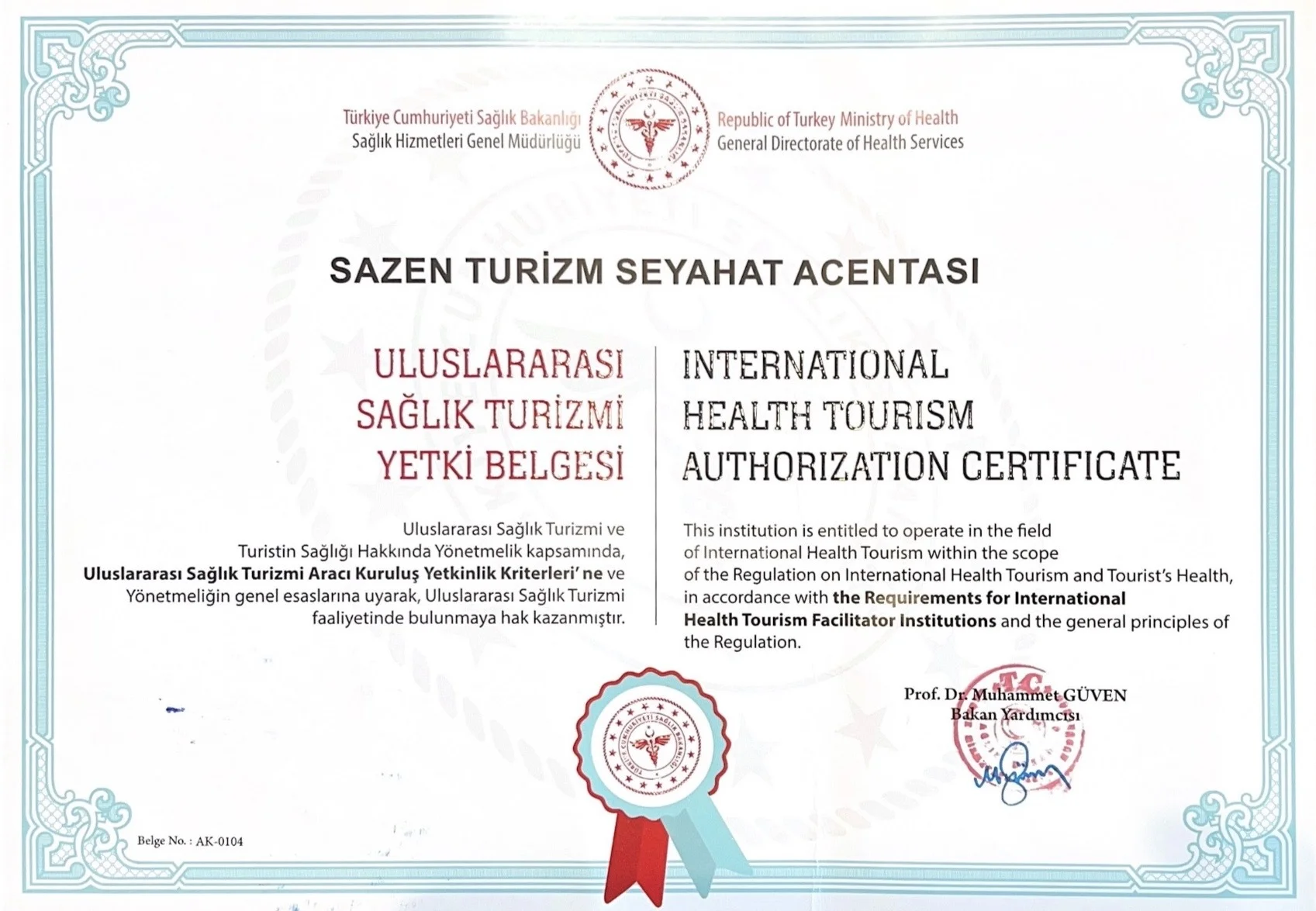
For women seeking top-tier cosmetic gynecology and pelvic reconstructive procedures abroad, CK Health Turkey stands out as a leading destination. Located in Antalya, Turkey, the clinic combines medical expertise with personalized care tailored to international patients seeking safe, discrete, and effective restorative treatments.
CK Health Turkey collaborates with experienced, board-certified gynecological surgeons who specialize in advanced vaginoplasty, perineoplasty, and non-surgical energy-based therapies. Patients benefit from modern surgical infrastructure, rigorous international safety protocols, and transparent all-inclusive packages that streamline travel, accommodation, and clinical treatment.
By prioritizing patient comfort, confidential consultations, and tailored recovery plans, CK Health Turkey ensures every patient receives exceptional care from initial inquiry through post-procedure follow-up. You can get in touch with their clinical team or visit their official platform to schedule a comprehensive private consultation.
Restoring your pelvic integrity and intimate confidence following delivery is a personal health decision that benefits from expert medical evaluation. Combining lifestyle adjustments, advanced energy therapies, or definitive surgical techniques allows you to select a path aligned with your long-term wellness. Consulting with experienced reconstructive specialists regarding vaginal tightening after childbirth ensures you receive a personalized, safe, and effective plan tailored to your body’s needs.