Highlights
- Combining umbilical hernia repair with bariatric surgery in a single session reduces anesthesia exposure and streamlines the overall recovery process for patients with obesity.
- Performing the repair simultaneously prevents the risk of bowel entrapment or incarceration, which can occur as internal abdominal pressure dynamics shift during rapid weight loss.
- Clinical evidence suggests that concurrent procedures are safe and cost-effective, though complex or infected cases may still require a staged approach for optimal safety.
Umbilical hernias are frequently diagnosed in individuals living with severe obesity due to elevated intra-abdominal pressure. Combining weight loss operations with abdominal wall reconstruction offers an efficient, single-stage medical solution. Undergoing bariatric surgery with umbilical hernia repair simultaneously allows patients to address structural defects and metabolic health under a single session of anesthesia.
Table of Contents
Understanding Umbilical Hernias in Bariatric Candidates
An umbilical hernia occurs when fatty tissue or a section of the intestine pushes through a weakened spot in the abdominal muscles near the belly button. In individuals seeking metabolic or weight loss surgery, this anatomical weakness is exceptionally common. Chronic intra-abdominal tension caused by excess visceral fat gradually stretches the abdominal fascia, expanding natural structural gaps around the navel.
Many patients carry silent or asymptomatic hernias for years before pursuing weight loss treatment. During a routine preoperative physical examination or diagnostic imaging scan, bariatric specialists frequently discover these defects. Leaving an active defect untreated prior to major weight loss can lead to progressive enlargement or sudden tissue entrapment as internal abdominal pressure dynamics shift post-surgery.
Why Severe Obesity Increases Hernia Risk
Excess abdominal mass exerts constant outward physical pressure against the anterior abdominal wall. Over time, this mechanical strain degrades the structural integrity of collagen fibers within the linea alba. Additional contributing factors include chronic cough from sleep apnea, elevated intra-abdominal fat volume, and frequent changes in intra-abdominal pressure during physical exertion.
Symptoms and Clinical Presentation
While some small umbilical hernias produce no noticeable discomfort, larger or symptomatic defects display clear physical signs. Recognizing these manifestations early helps your surgical team plan the appropriate surgical technique:
- A visible bulge or soft swelling near or directly inside the navel.
- Localized pressure, aching, or sharpness when coughing, bending, or lifting objects.
- Tenderness or sensitivity around the belly button after prolonged standing.
- Discoloration, redness, or severe localized pain if tissue becomes trapped or strangulated.
Key Considerations for Bariatric Surgery with Umbilical Hernia Repair
Combining two distinct procedures requires careful surgical planning and a thorough evaluation of individual patient risk factors. Bariatric operations, such as laparoscopic sleeve gastrectomy or Roux-en-Y gastric bypass, primarily alter upper gastrointestinal anatomy to promote metabolic weight loss. Repairing a hernia involves re-approximating fascial tissue or reinforcing the abdominal wall to eliminate structural defects.
Surgeons carefully evaluate defect diameter, soft tissue quality, and the presence of prior abdominal operations when determining whether a simultaneous approach is appropriate. For most small to moderate defects, performing both interventions concurrently provides substantial clinical advantages without compromising surgical precision.
Single Anesthesia Exposure
Undergoing general anesthesia carries inherent baseline risks for any surgical candidate, particularly those with higher body mass index values or obesity-related comorbidities like hypertension or obstructive sleep apnea. Completing both operations in a single setting cuts the required anesthetic interventions in half, reducing cumulative cardiopulmonary stress and streamlining overall hospital stays.
Preventing Incarceration During Rapid Weight Loss
Following bariatric procedures, patients experience rapid fat reduction inside the abdominal cavity. As visceral fat surrounding internal organs thins out, the ring of an unrepaired hernia defect remains fixed while the tissue passing through it becomes looser and more mobile. This structural alteration increases the probability of small bowel loops slipping into the open hernia defect, elevating the risk of tissue incarceration or acute bowel obstruction during the rapid weight loss phase.
Scientific Evidence and Surgical Safety Insights
Clinical research published in peer-reviewed surgical literature demonstrates that combining laparoscopic bariatric procedures with primary umbilical hernia repair is both safe and feasible without significantly increasing overall postoperative complication rates. A comprehensive systematic review evaluating concurrent bariatric and ventral hernia interventions confirmed that simultaneous repair—utilizing durable primary suture closure or appropriate synthetic reinforcement—effectively prevents post-operative tissue entrapment while maintaining low rates of wound infection under clean-contaminated surgical conditions.
Comparing Surgical Approaches: Simultaneous vs. Staged Repair
Medical teams generally choose between repairing the hernia during the primary bariatric procedure or postponing hernia management until weight loss stabilizes. The table below highlights key operational differences between these two management strategies.
| Factor | Simultaneous Repair (Combined) | Staged Repair (Post-Weight Loss) |
| Anesthesia Sessions | Single exposure | Two separate exposures |
| Total Recovery Duration | 4 to 6 weeks total | 8 to 12 weeks combined |
| Risk of Incarceration | Low (repaired immediately) | High (during active weight loss) |
| Cost Efficiency | High (single hospital admission) | Lower (two separate facility charges) |
| Surgical Complexity | Single integrated session | Two independent operations |
When Is a Staged Approach Recommended?
Although simultaneous correction is preferred for most candidates, specific clinical scenarios favor postponing the hernia repair. Staged repair is typically reserved for massive recurrent hernias, cases involving severe active skin infections around the navel, or complex revisional bariatric operations where GI tract contamination risk is significantly higher.
Step-by-Step Surgical Process
When both procedures are performed together, the surgical team follows a structured protocol to ensure optimal safety and anatomical access.
- Preoperative Assessment and Anesthesia Administration: The patient undergoes comprehensive preoperative bloodwork, abdominal ultrasonography or CT imaging, and administration of tailored general anesthesia.
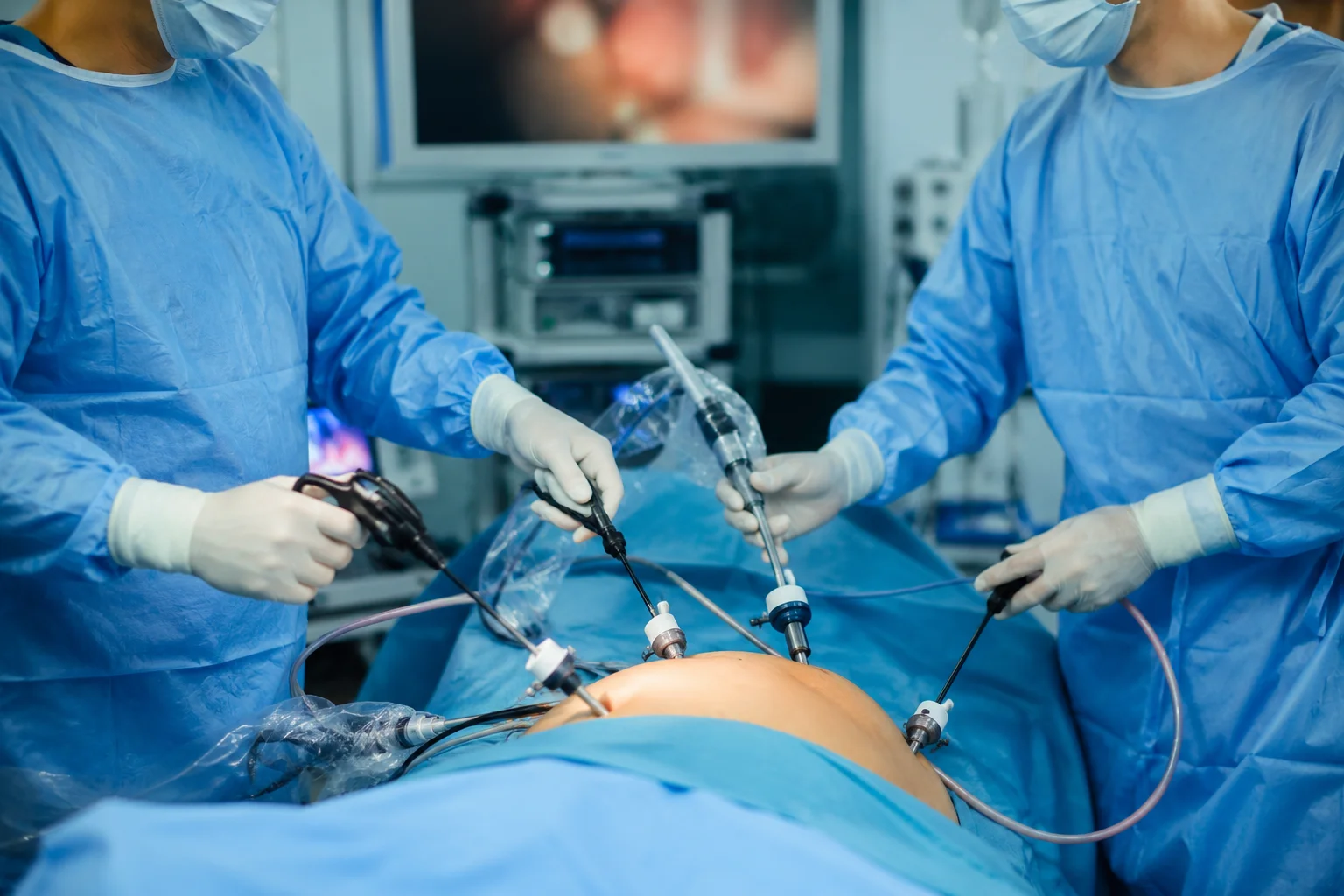
- Laparoscopic Access and Bariatric Phase: Port placement trocars are inserted away from the umbilical defect to complete the primary metabolic procedure, such as sleeve gastrectomy or gastric bypass.
- Hernia Defect Reduction: Under direct video visualization, any herniated omental fat or intestinal loops trapped within the umbilical ring are carefully reduced back into the abdominal cavity.
- Fascial Reconstruction: The muscular layer surrounding the umbilicus is re-approximated using heavy, non-absorbable primary sutures or lightweight mesh material depending on defect dimensions.
- Incisions Closure and Sterilisation: Laparoscopic port sites are closed layer by layer, and surgical dressings are applied to support proper tissue healing.
Recovery Timeline and Postoperative Care
Recovering from a combined operation requires balancing two sets of healing protocols: dietary progression for the metabolic surgery and physical restrictions for abdominal wall healing.
Patients must adhere strictly to a phased liquid-to-solid diet to allow newly stapled or sutured GI tract tissue to heal safely. Simultaneously, physical movement must be managed to protect the abdominal fascia repair from excessive mechanical tension.
Dietary Progression
The post-bariatric nutrition plan typically moves through four distinct stages over a six-week period: clear liquids, full liquids, smooth purees, and soft solids. Consuming adequate protein during these phases is critical to support muscle preservation and promote rapid fascial tissue healing at the hernia repair site.
Physical Activity and Restrictions
Protecting the abdominal wall during early tissue incorporation prevents hernia recurrence:
- Wear a supportive abdominal binder if prescribed by your surgical team to minimize strain.
- Engage in frequent, short walks around the home to prevent deep vein thrombosis and encourage bowel motility.
- Avoid lifting any objects heavier than 10 to 15 pounds for at least 4 to 6 weeks post-surgery.
- Refrain from vigorous abdominal exercises, core workouts, or heavy pushing and pulling until cleared by your surgeon.
Global Cost Overview for Combined Surgical Procedures
Healthcare costs for complex combined surgeries vary substantially depending on geographic location, facility fees, surgeon expertise, and inclusive care packages.
| Country | Estimated Cost Range (USD) | Standard Package Inclusions |
| United States | $22,000 – $35,000 | Surgeon fees, facility use, basic post-op follow-up |
| United Kingdom | £14,000 – £20,000 ($18,000 – $26,000) | Private hospital stay, surgeon and anesthetist fees |
| Germany / EU | €13,000 – €18,000 ($14,000 – $20,000) | Inpatient care, standard preoperative diagnostics |
| Turkey | $4,500 – $7,500 | Surgery, JCI facility fees, VIP transfers, hotel stay, full follow-up |
Combining Bariatric Surgery and Hernia Repair with CK Health Turkey
For international patients seeking exceptional surgical expertise combined with affordable pricing, CK Health Turkeyrepresents a premier destination in Antalya. Operating within state-of-the-art, JCI-accredited medical facilities, the surgical teams specialize in advanced laparoscopic metabolic surgery and concurrent general abdominal repairs. Patients traveling from abroad benefit from transparent, all-inclusive packages that cover comprehensive preoperative testing, dedicated multi-lingual patient coordinators, luxury accommodation, and private airport transfers.
Choosing a dedicated medical team ensures that both your weight loss goals and structural abdominal wall repairs receive personalized, world-class care from start to finish. To explore customized treatment options or request a personalized clinical evaluation, visit the official website or contact the patient care specialists at CK Health Turkey.
Selecting a single integrated treatment plan simplifies your surgical journey while eliminating the hassle of multiple hospitalizations and prolonged recovery periods. Working closely with experienced bariatric and general surgeons safeguards your physical health and optimizes long-term metabolic success. By choosing to undergo bariatric surgery with umbilical hernia repair, patients can confidently launch their health transformation with a fully restored abdominal wall and enhanced quality of life.