Highlights
- Cystocele and rectocele are pelvic floor disorders caused by weakened support tissues that lead to organ prolapse, often resulting from childbirth, aging, or chronic pressure.
- Surgical treatments like anterior and posterior colporrhaphy aim to restore anatomy and function when conservative methods like physical therapy or pessaries fail.
- Turkey has become a leading destination for these procedures, offering high success rates and JCI-accredited facilities at significantly lower costs than the US or UK.
Pelvic floor disorders can significantly impair physical comfort, intimate health, and daily confidence for women of all ages. Choosing to undergo cystocele and rectocele repair in Turkey offers access to internationally trained urogynecological surgeons and state-of-the-art surgical facilities at an accessible price. This comprehensive guide details the causes, surgical techniques, expected recovery, and total costs associated with pelvic floor reconstruction abroad.
Table of Contents
Understanding Cystocele and Rectocele: Causes and Symptoms
The pelvic floor consists of a complex matrix of muscles, ligaments, and fascia that support the pelvic organs, including the bladder, uterus, and bowel. When these structural supports stretch, weaken, or tear, adjacent organs bulge into the vaginal canal, creating pelvic organ prolapse (POP).
What Is a Cystocele?
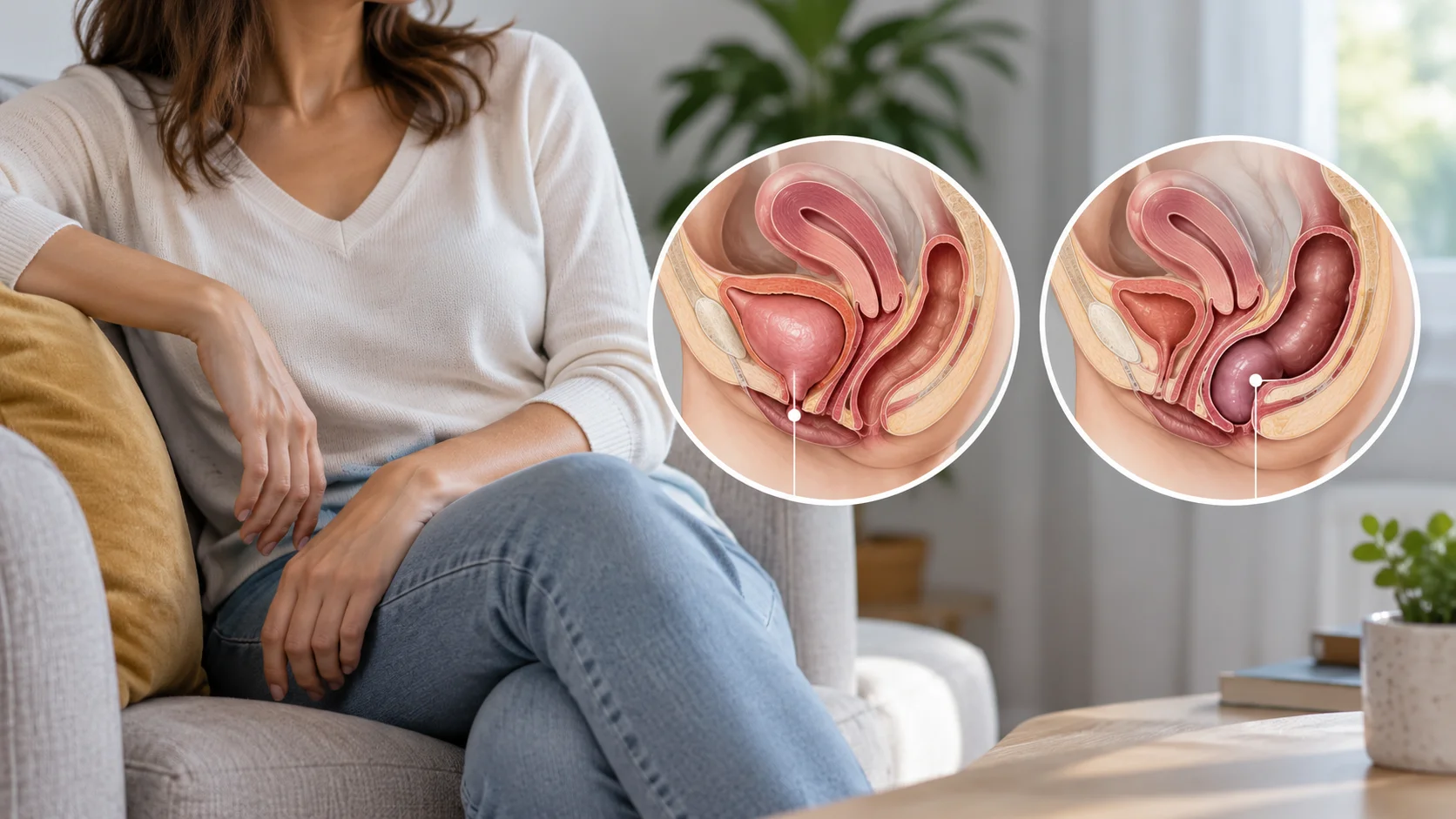
A cystocele, commonly referred to as a prolapsed bladder, occurs when the supportive tissue between a woman’s bladder and vaginal wall deteriorates. This structural weakness allows the bladder to drop downward and press into the front (anterior) wall of the vagina. Cystoceles are categorized by clinical severity ranging from Grade 1 (mild descent into the upper vagina) to Grade 4 (complete prolapse where the bladder protrudes beyond the vaginal opening).
What Is a Rectocele?
A rectocele develops when the rectovaginal septum—the tough connective fascia separating the rectum from the vagina—becomes thin or ruptured. As a result, the front wall of the rectum bulges into the back (posterior) wall of the vagina. This condition often causes pelvic heaviness and interferes with normal bowel evacuation.
Common Causes and Risk Factors
Pelvic floor structural failure rarely stems from a single isolated event. Instead, it results from cumulative strain over time, including:
- Vaginal childbirth, particularly prolonged second-stage labor, instrumental delivery, or multiple pregnancies
- Chronic intra-abdominal pressure caused by persistent coughing, chronic constipation, or heavy manual lifting
- Hormonal changes associated with menopause, which lead to a loss of tissue-supporting collagen
- Age-related tissue atrophy and natural weakening of deep muscle structures
- Previous pelvic surgeries, such as a hysterectomy, which alter internal anatomical support
- Genetic predispositions toward hypermobility or weak connective tissue
Signs You May Need Surgical Repair
Women experiencing pelvic floor prolapse often endure both physical discomfort and functional disruption. Symptoms frequently worsen toward the end of the day or after long periods of standing:
- A visible bulge or sensation of a firm lump at the vaginal entrance
- Chronic pressure, aching, or fullness in the lower abdomen and pelvis
- Urinary disturbances, including stress urinary incontinence, weak urinary stream, or incomplete bladder emptying
- Obstructed defecation, often requiring manual pressure against the posterior vaginal wall to complete a bowel movement
- Painful intercourse (dyspareunia) or a feeling of tissue looseness during intimacy
Diagnosis and Non-Surgical Treatment Options
Before surgical intervention is considered, a specialized urogynecologist conducts a thorough evaluation. Practitioners assess muscle strength, tissue integrity, and prolapse severity using the standardized Pelvic Organ Prolapse Quantified (POP-Q) staging system.
For early-stage or mild prolapse (Grade 1 or mild Grade 2), non-surgical conservative measures may manage symptoms effectively:
- Guided pelvic floor physical therapy and targeted Biofeedback to strengthen levator ani muscle groups
- Placement of a removable vaginal pessary to mechanically support the bulging vaginal walls
- Topical vaginal estrogen therapy in postmenopausal women to restore mucosal elasticity and tissue bulk
When non-surgical management fails to relieve bothersome symptoms, or when prolapse advances to Grade 3 or Grade 4, surgical reconstruction is recommended to restore normal pelvic anatomy and functional quality of life.
Surgical Techniques for Pelvic Floor Repair
Surgical correction aims to elevate fallen organs, reinforce weak supportive fascia, and re-establish proper vaginal shape and tension.
Anterior Colporrhaphy (Cystocele Repair)
Anterior colporrhaphy corrects bladder prolapse through a transvaginal incision. The surgeon opens the front vaginal wall to expose the weakened pubocervical fascia underneath. This fascial layer is folded and tightened using durable, absorbable sutures. Excess vaginal mucosa is trimmed, and the incision is closed, elevating the bladder back into its correct anatomical location.
Posterior Colporrhaphy (Rectocele Repair)
Posterior colporrhaphy reinforces the wall separating the rectum and vagina. Through an incision along the posterior vaginal mucosa, the surgeon repair and tightens the rectovaginal septum. If the perineal body between the vagina and anus has stretched or torn, a perineorrhaphy is performed simultaneously to rebuild the perineal muscles and restore proper vaginal opening alignment.
Combined Anterior and Posterior (A&P) Repair
Many women present with multi-compartment laxity involving both the bladder and rectum. A combined anterior-posterior (A&P) repair addresses both conditions in a single operative session under general or spinal anesthesia, delivering complete pelvic floor reconstruction.
Minimally Invasive and Robotic Approaches
In cases involving apical prolapse—where the top of the vagina or uterus has also dropped—surgeons may perform a sacrocolpopexy or sacrohysteropexy. Utilizing laparoscopic or robotic-assisted techniques through small abdominal incisions, a lightweight synthetic mesh is attached from the vaginal vault or cervix to the sacral bone, providing durable long-term suspension.
Scientific Evidence on Surgical Success and Long-Term Outcomes
Clinical studies demonstrate that transvaginal fascial repair yields high rates of anatomical restoration and symptom relief. A major observational study published in the International Urogynecology Journal analyzed surgical outcomes across more than 13,000 pelvic organ prolapse procedures, reporting 5-year subjective cure rates of 68% for cystocele, 70% for rectocele, and 74% for combined anterior-posterior native tissue repairs. Overall patient satisfaction exceeded 70%, with statistically significant long-term reductions in pelvic heaviness, urinary urgency, and obstructive bowel symptoms. These clinical findings confirm that reconstructive native tissue repair performed by skilled surgeons provides durable, long-term improvement in both anatomical support and patient quality of life.
Why Choose Cystocele and Rectocele Repair in Turkey?
Turkey has established itself as an international hub for high-grade medical tourism, particularly in specialized fields such as gynecology, urogynecology, and reconstructive surgery.
Hospitals in major medical centers across Turkey hold prestige accreditations like JCI (Joint Commission International), ensuring strict adherence to global safety protocols, sterilization standards, and advanced patient care. Turkish urogynecologists are highly experienced, frequently holding double board certifications and international surgical fellowships. Furthermore, medical travel in Turkey is structured around all-inclusive patient care, seamlessly combining surgical care, hospital stays, pre-operative testing, luxury hotel accommodation, and private transfers into one affordable package.
Cost Comparison: Turkey vs. UK, USA, and Europe
Choosing medical care in Turkey provides significant financial savings without sacrificing medical excellence or safety standards. Below is an overview of estimated costs for pelvic floor repair across different countries:
| Country | Estimated Cost (USD) | Hospital Stay Included | Package Scope |
| Turkey | $3,200 – $5,500 | Yes (1–2 nights) | All-inclusive (Surgery, diagnostics, hotel, VIP transfers) |
| United Kingdom (Private) | $9,000 – $15,000 | Extra fee | Surgical fee and basic hospital charge only |
| United States | $14,000 – $28,000+ | Extra fee | Out-of-pocket costs vary by insurance coverage |
| Germany / EU | $8,500 – $14,000 | Extra fee | Standard hospital treatment and physician fees |
All-inclusive healthcare packages in Turkey provide clear upfront pricing, eliminating unexpected hospital bills or hidden professional fees.
Step-by-Step Surgical Journey and Recovery Process
Undergoing pelvic floor reconstruction abroad follows a standardized clinical pathway designed to ensure patient safety and comfort at every stage:
- Virtual Assessment and ConsultationThe patient submits complete medical records, diagnostic reports, and symptom histories online for a detailed preliminary review by a senior urogynecologist.
- Arrival and Pre-Operative TestingUpon landing in Turkey, private transportation transfers the patient to the hospital for comprehensive pre-operative diagnostics, including blood panels, pelvic ultrasound, and an in-person surgical consultation.
- Surgical ProcedureThe operation is performed in an advanced operating theater under general or spinal anesthesia, lasting approximately 60 to 90 minutes based on procedural complexity.
- Immediate In-Hospital RecoveryThe patient spends 1 to 2 nights in a private hospital room under continuous specialized nursing care, with urinary catheter management and tailored intravenous pain relief.
- Hotel RecuperationAfter discharge from the hospital, the patient relaxes at a partner hotel for 4 to 6 days, receiving periodic check-ins and nursing care as needed.
- Post-Operative Evaluation and ClearanceThe surgical team conducts a final clinical check to inspect incision healing, confirm normal voiding function, and issue official fit-to-fly documentation.
- Long-Term Home RecoveryFull tissue healing occurs over 6 to 8 weeks, with remote follow-up support available once the patient returns home.
Preparing for Surgery and Post-Operative Care Guidelines
Proper pre-operative preparation and disciplined post-operative self-care play vital roles in achieving optimal surgical results and preventing complications.
Prior to surgery, patients should refrain from smoking for at least two weeks to optimize mucosal blood flow and wound healing. Medications that affect blood clotting, such as aspirin, NSAIDs, or specific herbal supplements, must be paused under medical guidance.
To protect the newly repaired fascial tissue during the initial 6 to 8 weeks of recovery:
- Avoid lifting any object heavier than 5 kilograms (11 lbs)
- Consume high-fiber meals and maintain generous fluid intake to prevent constipation and straining during bowel movements
- Do not use tampons, internal douche products, or submerge in bathwater, swimming pools, or hot tubs until fully cleared by your surgeon
- Refrain from sexual intercourse for 6 to 8 weeks to allow deep vaginal suture lines to integrate fully
- Engage in frequent, gentle walking to promote venous circulation and guard against blood clots
Dedicated Care with CK Health Turkey
Selecting the right healthcare provider is essential when traveling for specialized pelvic floor surgery. CK Health Turkeystands as a premier destination for international patients seeking top-tier urogynecological and reconstructive care. Collaborating with accredited clinical facilities and highly experienced pelvic surgeons, the organization delivers customized surgical management adapted to each patient’s individual anatomical needs.
From initial inquiry through full post-operative recovery, CK Health Turkey prioritizes patient comfort, safety, and privacy. Patients receive dedicated multi-lingual support, transparent pricing structures, VIP airport and clinic transfers, and structured post-discharge follow-up. Those interested in restoring pelvic comfort and function are invited to reach out directly or visit the website to request a confidential medical consultation.
Restoring structural pelvic support through cystocele and rectocele repair in Turkey provides women with an effective, lasting solution to uncomfortable tissue prolapse and functional disruption. By combining expert surgical technique with modern accredited facilities and all-inclusive international patient care, patients can achieve long-term anatomical repair, renewed physical confidence, and an enhanced quality of life.