
Highlights
- Vaginal PRP therapy is a non-surgical, autologous treatment that uses the patient's own blood platelets to stimulate tissue repair and collagen production.
- The procedure effectively addresses concerns such as vaginal atrophy, dryness, sexual dysfunction, and mild urinary incontinence by improving blood flow and nerve sensitivity.
- As a hormone-free alternative with minimal downtime, it offers a safe option for women seeking to restore pelvic wellness without the risks of surgery or synthetic chemicals.
Women experiencing age-related changes, hormonal shifts, or postpartum discomfort often seek natural, non-surgical solutions to restore intimacy and pelvic wellness. Vaginal PRP (Platelet-Rich Plasma) therapy has emerged as a premier autologous treatment designed to enhance tissue elasticity, natural lubrication, and sexual satisfaction. By utilizing the body’s natural growth factors, this regenerative procedure revitalizes delicate vaginal tissues without synthetic chemicals or invasive surgery.
Table of Contents
Understanding Vaginal PRP: What Is Platelet-Rich Plasma Therapy?
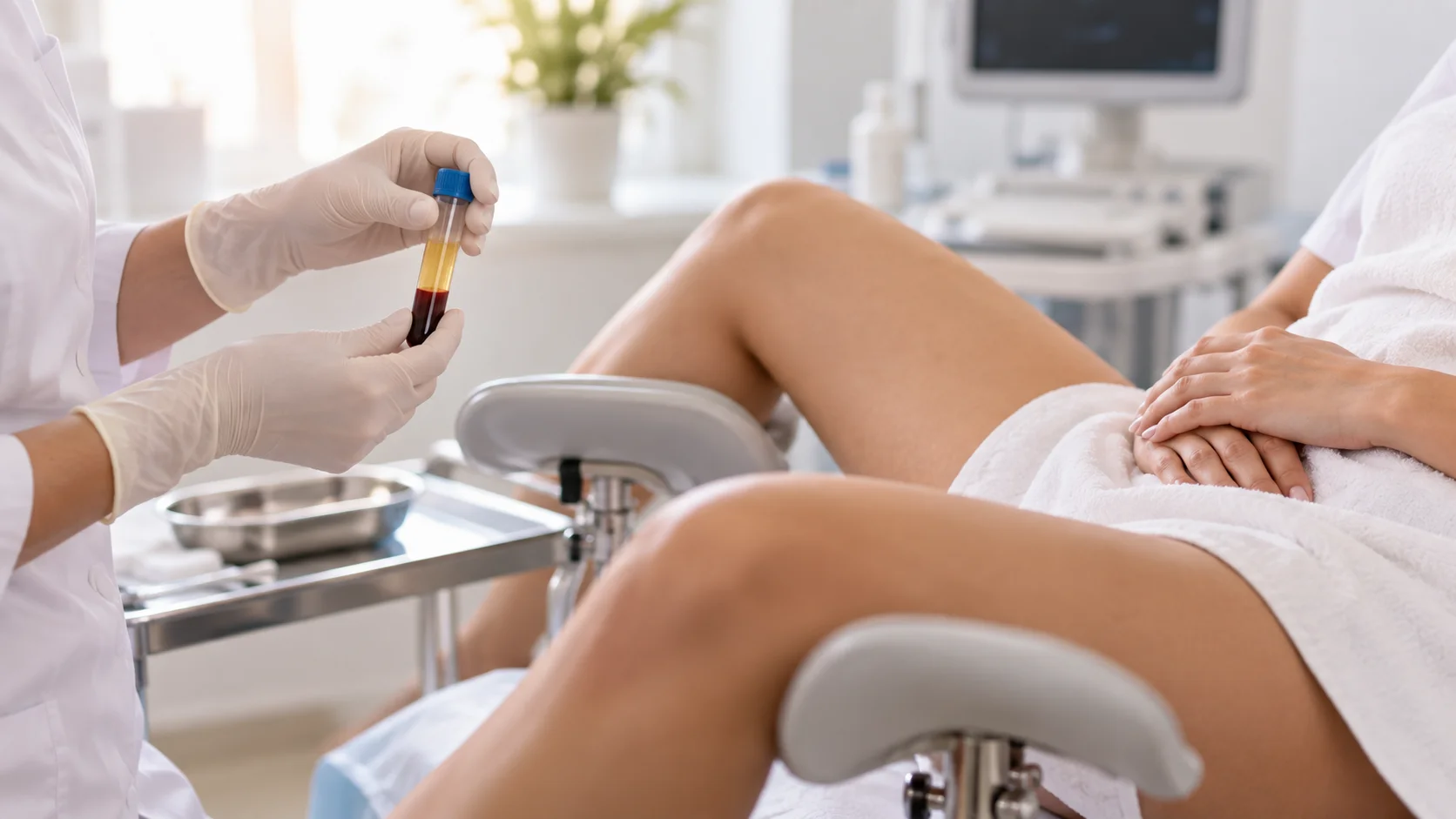
Platelet-rich plasma therapy relies on the healing capabilities of your own blood. A small blood sample is drawn and processed in a specialized centrifuge to isolate blood platelets from red and white blood cells. This concentrated plasma contains high levels of essential growth factors, including Transforming Growth Factor (TGF-beta), Vascular Endothelial Growth Factor (VEGF), and Platelet-Derived Growth Factor (PDGF).
When reinjected into mucosal and subcutaneous tissues, PRP vaginal rejuvenation stimulates localized cellular repair. The concentrated platelets trigger neovascularization—the formation of fresh capillary networks—and accelerate collagen and elastin synthesis. Over time, the treated vaginal and clitoral tissues undergo biological remodeling, leading to improved tissue thickness, better vascularization, and heightened nerve sensitivity.
Because the serum is derived entirely from the patient’s own body, the procedure carries virtually zero risk of allergic reactions, foreign-body rejection, or systemic side effects. This autologous nature makes platelet-rich plasma an appealing choice for women seeking a natural approach to gynecological wellness.
Main Indications and Symptoms Treated
Regenerative gynecology utilizes platelet-rich plasma to address both aesthetic and functional health concerns. Women seek this treatment for various reasons across different life stages, from early motherhood to postmenopause.
- Vulvovaginal Atrophy (VVA): Thinning, drying, and inflammation of the vaginal walls caused by declining estrogen levels during menopause or breast cancer recovery.
- Dyspareunia: Persistent discomfort or sharp pain during sexual intercourse due to insufficient lubrication or lost elasticity.
- Sexual Dysfunction: Decreased clitoral sensitivity, difficulty achieving orgasm, or low sexual desire.
- Mild Stress Urinary Incontinence (SUI): Involuntary urine leakage triggered by coughing, laughing, sneezing, or exercising due to weakened pelvic floor support.
- Lichen Sclerosus: A chronic inflammatory skin condition causing severe itching, scarring, and tissue fragility in the vulvar area.
Key Benefits of Vaginal PRP Treatment
Restored Lubrication and Tissue Hydration
Decreased blood flow and glandular changes often cause chronic vaginal dryness. The growth factors in platelet-rich plasma stimulate microcirculation and revitalize secretory glands within the vaginal mucosa. As blood flow improves, natural moisture production increases, reducing friction and chronic irritation during daily activities and intimacy.
Enhanced Sexual Function and Sensitivity
Injecting platelet-rich plasma near the clitoris and upper anterior vaginal wall improves neural responsiveness and localized vascular tone. Patients frequently report heightened tactile sensation, easier arousal, and stronger, more frequent orgasms following treatment.
Non-Hormonal Support for Menopausal Women
Many postmenopausal women or cancer survivors cannot safely undergo topical or systemic hormone replacement therapy. Platelet-rich plasma provides a hormone-free alternative that restores cellular vitality and mucosal integrity without introducing exogenous hormones into the bloodstream.
Minimal Downtime and Safety
Unlike surgical vaginoplasty or labiaplasty, regenerative plasma injections require no incisions, suturing, or general anesthesia. Patients return to their normal daily routines immediately after leaving the clinic.
Scientific Research and Clinical Findings
Clinical investigations published in peer-reviewed medical journals confirm the therapeutic benefits of autologous platelet-rich plasma in urogynecology. A randomized clinical trial evaluating premenopausal and postmenopausal women demonstrated that anterior vaginal wall PRP injections produced significant increases in total Female Sexual Function Index (FSFI) scores, specifically improving desire, lubrication, arousal, and orgasmic satisfaction compared to control groups.
Additional prospective research comparing platelet-rich plasma therapy directly to local vaginal estrogen therapy found that monthly PRP treatments yielded comparable clinical gains in Vaginal Health Index (VHI) scores. Histological findings indicate that growth factor release promotes neovascularization and collagen fiber reorganization within the lamina propria. These structural changes explain the sustained reductions in dyspareunia and mild stress urinary incontinence reported across clinical trials.
Is Vaginal PRP Painful? Step-by-Step Procedure Explained
A primary concern among women considering this treatment is whether is vaginal PRP painful. Because the treatment area is sensitive, medical practitioners prioritize patient comfort by applying high-potency topical numbing creams prior to any injections. Most patients report feeling mild pressure or a faint pinching sensation rather than actual pain.
- Medical Consultation: The physician conducts a thorough pelvic examination, reviews medical history, and confirms treatment eligibility.
- Blood Sample Collection: A healthcare professional draws approximately 10 to 20 milliliters of venous blood from the patient’s arm, identical to a routine blood test.
- Centrifugation: The blood sample is spun in a specialized centrifuge for 10 to 15 minutes to isolate the platelet-rich plasma layer.
- Topical Anesthetic Application: A topical numbing cream is applied to the upper vaginal wall, clitoral canopy, and vulvar region for 20 to 30 minutes to ensure full anesthesia.
- Targeted Injections: Using an ultra-fine needle, the specialist carefully injects the concentrated plasma into targeted anatomical sites, including the anterior vaginal wall and clitoral hood.
- Post-Treatment Guidance: The patient rests briefly before receiving post-procedure instructions and resuming daily activities.
The entire appointment takes between 45 and 60 minutes. Because anesthetic numbing is thorough, discomfort during the injection phase remains minimal.
Vaginal PRP vs. Alternative Rejuvenation Methods
Choosing the right gynecological rejuvenation treatment depends on your specific symptoms, health history, and budget. The table below compares platelet-rich plasma to fractional CO2 laser therapy and topical hormone therapy.
| Feature | Vaginal PRP Therapy | Fractional CO2 Laser | Topical Estrogen Therapy |
| Mechanism | Autologous growth factors | Thermal tissue micro-trauma | Exogenous hormone supplementation |
| Primary Goal | Tissue regeneration & sensitivity | Collagen tightening & resurfacing | Mucosal hydration restoration |
| Hormone-Free | Yes | Yes | No |
| Sessions Required | 1 to 3 sessions | 3 to 4 sessions | Ongoing continuous use |
| Systemic Absorption | None | None | Low systemic risk |
| Downtime | None (1-2 days pelvic rest) | 3 to 7 days pelvic rest | None |
| Invasiveness | Minimally invasive injection | Non-invasive thermal device | Non-invasive topical cream |
Cost Comparison of PRP Vaginal Rejuvenation Worldwide
Medical care costs vary significantly across regions due to differences in clinical overhead, operational fees, and healthcare market structures. Below is a realistic price comparison for single-session treatments.
| Country | Estimated Cost per Session (USD) | Package (3 Sessions) |
| United States | $1,200 – $2,500 | $3,000 – $6,000 |
| United Kingdom | $1,000 – $2,000 (£800 – £1,600) | $2,500 – $4,800 |
| Germany / EU | $900 – $1,800 (€850 – €1,700) | $2,400 – $4,500 |
| Turkey | $400 – $800 | $1,000 – $1,800 |
Why Choose CK Health Turkey for PRP Vaginal Rejuvenation?
International patients seeking premium medical care at accessible price points increasingly look to Turkey for advanced gynecological procedures. CK Health Turkey stands out as a dedicated healthcare provider offering specialized treatments tailored for international guests.
Located in Antalya, CK Health Turkey connects patients with experienced gynecologists operating in modern, accredited clinical environments. The clinic prioritizes patient safety, strict sterile protocols, and individual privacy throughout every stage of care. International patient packages often integrate clinical consultation, treatment sessions, personal translation services, and private local transportation to deliver a seamless experience.
If you are exploring non-surgical options to restore intimate health and confidence, contact the medical team at CK Health Turkey or visit their official website to request a personalized consultation.
Post-Treatment Care and Expected Results
Recovery after plasma injections is fast and uncomplicated. Patients can drive themselves home immediately and return to work or exercise the same day.
- Refrain from sexual intercourse, swimming pools, hot tubs, and tampons for 48 hours to prevent localized infection.
- Mild swelling, minor spotting, or slight bruising at the injection site may occur and typically resolves within 24 to 48 hours.
- Initial improvements in tissue hydration and sensitivity often appear within 2 to 3 weeks following the first session.
- Peak tissue remodeling and maximum functional results typically occur around 8 to 12 weeks post-treatment.
Optimal results are usually achieved with a initial series of 2 to 3 sessions spaced 4 to 6 weeks apart, followed by an annual maintenance treatment to sustain long-term tissue vitality.
Regenerative medicine offers a safe, natural, and scientifically backed approach for women seeking to restore intimate comfort and sexual wellness. Choosing an experienced clinical provider ensures that your customized vaginal PRPtreatment delivers lasting improvements in tissue hydration, sensitivity, and overall quality of life.