What Is Barbieplasty and How Is It Performed?
Barbieplasty is a specialized variation of labiaplasty that specifically aims to create a tucked-in, smooth, and flush aesthetic appearance of the female external genitalia. While conventional labiaplasty may focus solely on trimming protruding labia minora to reduce friction, a Barbieplasty goes a step further by sculpting the inner labia so they remain completely enclosed or nearly flush within the labia majora.
Table of Contents
The procedure addresses the labia minora (inner lips), the clitoral hood (prepuce), and occasionally the labia majora (outer lips). By carefully measuring and trimming redundant fold tissue, plastic surgeons create a streamlined look inspired by the clean, smooth aesthetic from which the procedure derives its name. Beyond aesthetics, many women seek this intervention because hypertrophic or asymmetric labial tissue causes physical discomfort during exercise, cycling, tight clothing wear, or intimate moments.
Surgical precision is essential during this delicate intervention. Modern cosmetic gynecologists and plastic surgeons employ advanced radiosurgical or laser cutting tools alongside microscopic suturing techniques. This combination minimizes intraoperative bleeding, prevents visible scarring, and preserves critical nerve endings responsible for sexual gratification and tactile sensation.
Barbieplasty vs. Traditional Labiaplasty
Understanding the distinction between standard surgical labial reduction and a specialized Barbieplasty is essential for patients setting expectations for their aesthetic outcomes.
Target Aesthetic Outcomes
A traditional labiaplasty aims to reduce the length of hypertrophic labia minora so that they no longer project beyond the outer labia majora. The primary goal is often functional relief, with a secondary emphasis on preserving a natural contour along the labial edge.
In contrast, Barbieplasty focuses on maximum aesthetic reduction and symmetry. The surgeon reduces the labia minora to a minimal, flush edge, ensuring that no excess tissue hangs or protrudes even when standing or sitting.
Technical Execution Differences
Traditional procedures frequently utilize a wedge resection technique, where a V-shaped section of tissue is removed from the central portion of the labia to keep the original natural border intact.
Barbieplasty almost exclusively utilizes an refined edge trim technique combined with a lateral clitoral hood reduction (unhooding). Removing the darker, hyperpigmented edges of the labia minora creates a uniform, pinkish margin while simultaneously tightening the surrounding vulvar skin. When needed, surgeons may complement the procedure with autologous fat transfer or hyaluronic acid fillers to the labia majora, creating a plump, youthful frame around the newly sculpted inner labia.
Ideal Candidates for Barbieplasty
Determining candidacy requires a thorough clinical assessment by a board-certified plastic surgeon or aesthetic gynecologist. Most healthy adult women who feel self-conscious about their intimate anatomy or suffer from tissue irritation are potential candidates.
An ideal candidate generally exhibits one or more of the following characteristics:
- Labial Hypertrophy: Enlarged, extended, or stretched labia minora that hang beyond the labia majora.
- Asymmetry: Significant imbalance in size, thickness, or length between the left and right labial lips.
- Physical Discomfort: Pain, tugging, or chafing caused by tight jeans, swimwear, or sports apparel.
- Hygiene and Irritation Concerns: Frequent chronic irritation, moisture retention, or difficulty maintaining hygiene during menstruation.
- Realistic Expectations: A clear understanding of surgical limitations, recovery demands, and anatomical variations.
Patients should be in good overall health, non-smokers, and free from active vaginal or urinary tract infections. Women planning an immediate pregnancy are generally advised to postpone the surgery, as childbirth can stretch the vulvar tissues once again.
The Surgical Procedure Step-by-Step
A Barbieplasty typically requires between 60 to 90 minutes to complete and is performed as an outpatient procedure under local anesthesia with sedation or general anesthesia.
- Initial Consultation and Pre-Operative Marking: The surgeon meets with the patient to review the surgical plan, answer lingering questions, and carefully mark the precise contours of tissue to be resected while the patient is relaxed.
- Anesthesia Administration: The patient receives targeted local anesthesia along with intravenous sedation or general anesthesia to ensure complete comfort and zero pain during the operation.
- Precise Incision and Resection: Utilizing a high-precision radiofrequency scalpel or surgical laser, the surgeon meticulously removes redundant labia minora tissue along the pre-marked boundaries.
- Clitoral Hood Contouring: Excess skin folds surrounding the clitoral hood are resected and contoured to harmonize with the newly reduced labia minora, avoiding an unbalanced upper bulge.
- Layered Suture Closure: The surgical sites are closed using ultra-fine, self-dissolving absorbable sutures concealed within natural anatomical folds to eliminate the need for stitch removal and prevent noticeable scars.
Recovery, Aftercare, and Healing Timeline
Adhering to proper post-operative care instructions directly impacts final cosmetic results and reduces the risk of complications.
Days 1 to 3: Immediate Post-Operative Phase
Initial swelling, mild bruising, and localized discomfort are completely normal during the first 72 hours. Patients are advised to rest horizontally with their hips slightly elevated. Applying cold ice packs wrapped in clean towels over the garment for 15-minute intervals significantly calms acute inflammation. Oral analgesics and prescribed preventative antibiotics help manage discomfort and shield against infection.
Week 1 to 2: Returning to Daily Routines
Most patients feel comfortable returning to desk jobs and light daily activities within 5 to 7 days. Gentle washing with lukewarm water or specialized antiseptic sitz baths after urination keeps the surgical area clean. Loose, breathable cotton underwear and flowing garments should be worn to avoid friction against healing incisions.
Weeks 3 to 4: Swelling Subsidgence
By the third week, the majority of localized swelling resolves, and absorbable sutures begin dissolving naturally. Light walking can be resumed, but strenuous workouts, heavy lifting, swimming, and hot tubs remain off-limits to protect fragile healing tissue.
Weeks 6 to 8: Complete Recovery
By week six, the surgical site has fully consolidated. After a final clearance check with the surgeon, patients can safely resume sexual intercourse, intense sports, horseback riding, and strenuous gym routines, enjoying their final aesthetic result.
Scientific Insights and Clinical Outcomes
Clinical research published in peer-reviewed plastic surgery journals underscores the profound physical and psychological benefits of aesthetic labial reduction surgeries. A prospective clinical study evaluating female sexual function and quality of life post-procedure demonstrated statistically significant improvements in patient outcomes. Researchers recorded a substantial rise in total Female Sexual Function Index (FSFI) scores, with marked gains across sexual desire, arousal, lubrication, orgasm, and overall satisfaction. Furthermore, post-operative Beck Depression Inventory (BDI) scores dropped significantly, reflecting enhanced body image and psychological well-being. Surgical complication rates across large-scale studies remain consistently low, with overall satisfaction rates exceeding 95%.
Global Cost Comparison for Barbieplasty Surgery
The cost of Barbieplasty varies widely across different regions, driven by surgeon expertise, hospital accreditation, local overhead, and package inclusions. International medical travel hubs like Turkey offer all-inclusive care packages at a fraction of Western European or North American prices without compromising clinical excellence.
| Country | Average Price Range (USD) | Package Inclusions & Features |
| Turkey | $2,500 – $4,000 | All-inclusive (Surgeon fee, JCI hospital, luxury hotel, private VIP transfers, follow-up care) |
| United Kingdom | $4,500 – $8,200 (£3,500 – £6,500) | Surgery & hospital fee only (Consultations, aftercare, and medication charged separately) |
| United States | $4,500 – $8,500 | Surgeon fee only (Facility charges, anesthesia, and post-op kits added to final bill) |
| Australia / Canada | $4,000 – $7,500 | Out-of-pocket surgical fees (Rarely covered by private or public health insurance) |
Why Choose CK Health Turkey for Your Procedure?
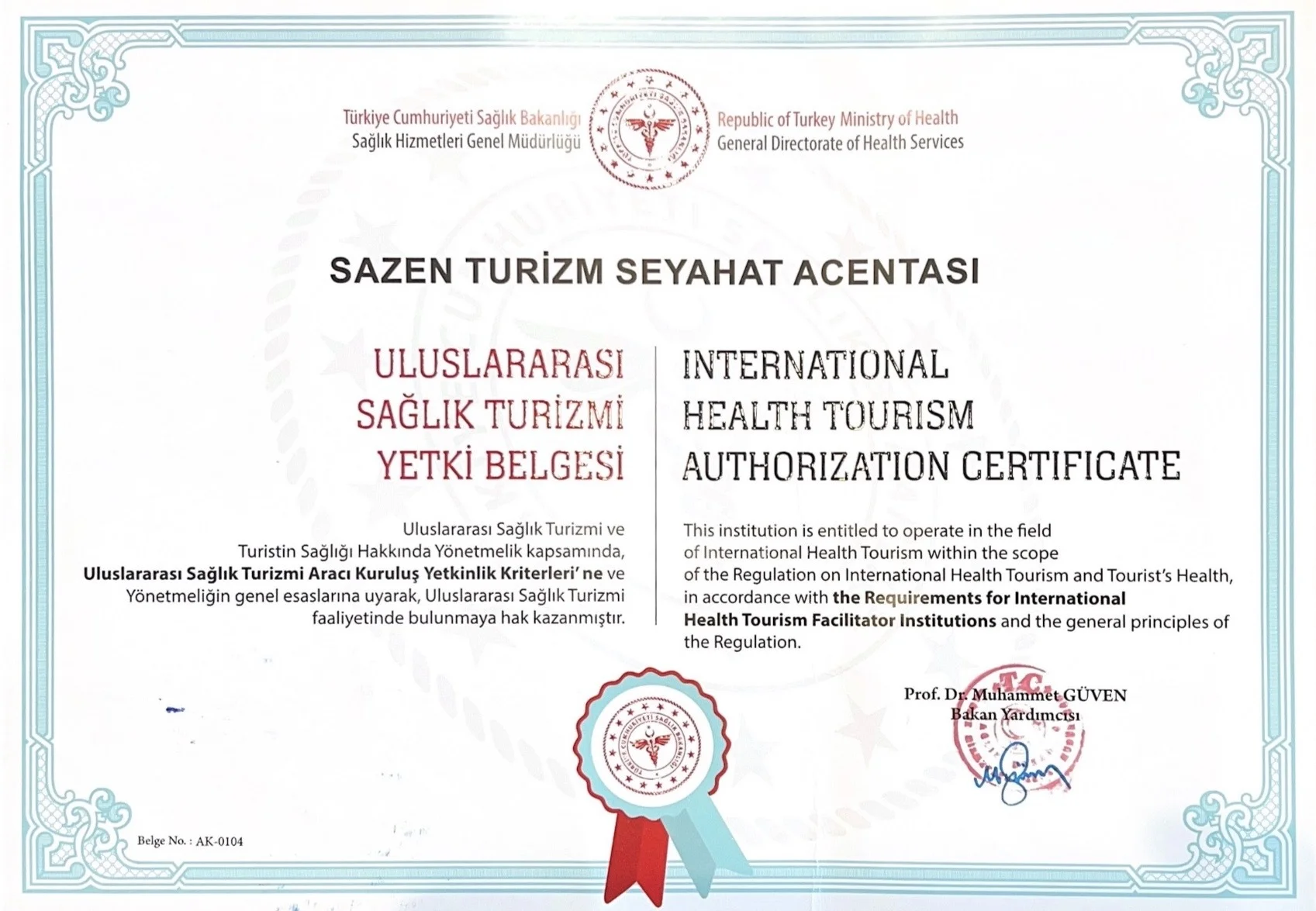
When considering aesthetic genital surgery abroad, selecting an accredited medical provider with specialized surgical talent is paramount. CK Health Turkey stands out as a premier destination for international patients seeking high-end cosmetic gynecology and plastic surgery in Antalya.
Collaborating with top-tier, board-certified plastic surgeons and experienced gynecologists, CK Health Turkey prioritizes patient privacy, safety, and personalized aesthetic design. From your initial virtual consultation through your post-operative healing journey, every step is coordinated seamlessly. International patients benefit from comprehensive care packages that combine state-of-the-art surgery in accredited modern hospitals with luxury hotel accommodations and dedicated multilingual patient coordinators.
If you are considering transforming your confidence and comfort with a tailored procedure, reach out to the medical team at CK Health Turkey today to schedule a confidential virtual consultation.
Choosing to undergo Barbieplasty is a deeply personal decision that yields long-lasting physical comfort, aesthetic harmony, and renewed self-confidence. By consulting with an expert surgical team, you can achieve your ideal aesthetic goals with safe, elegant, and natural-looking results.