Highlights
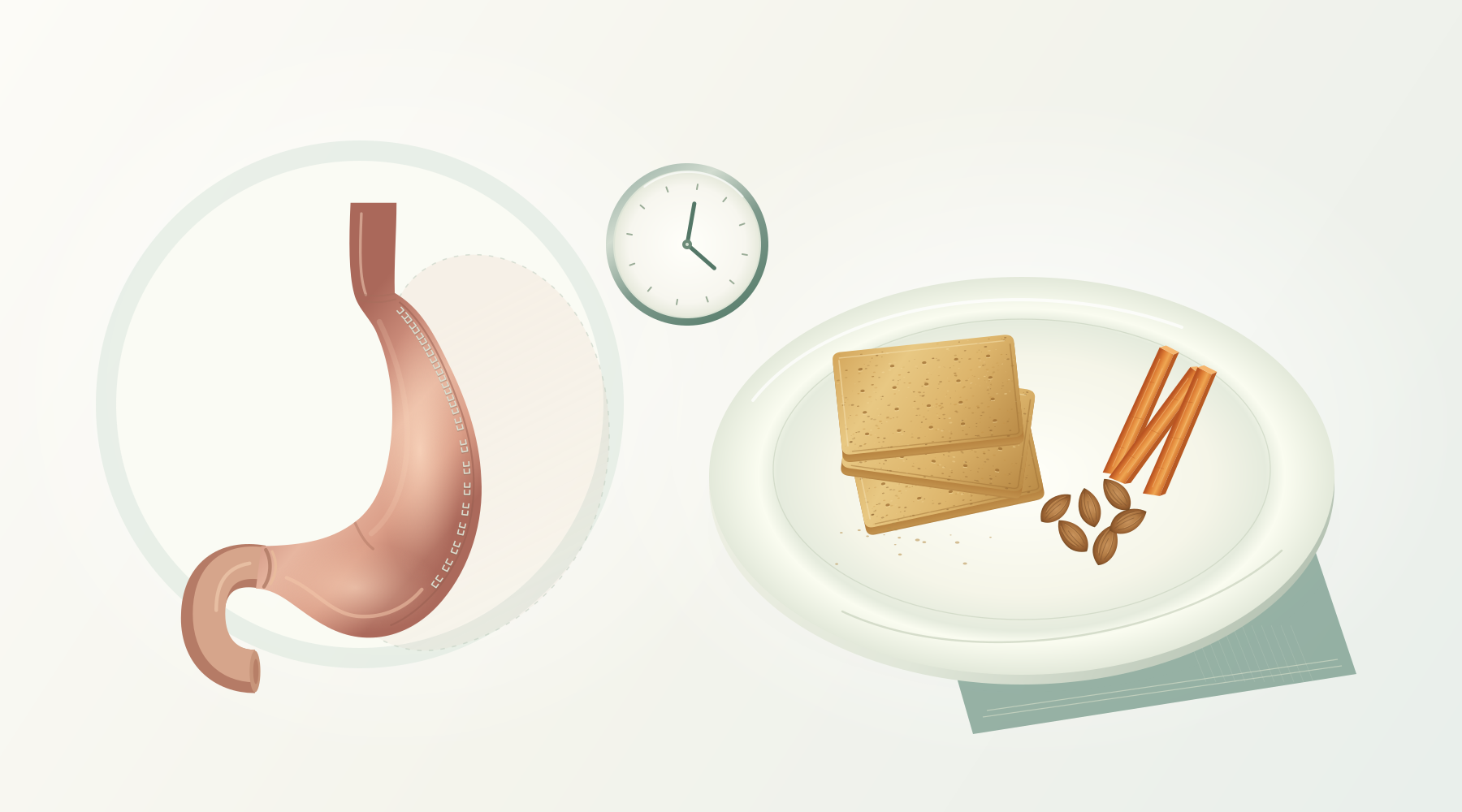
- The introduction of crunchy foods after gastric sleeve surgery is not universal and typically occurs gradually between weeks 5 and 7 depending on specific clinical protocols.
- Patients must prioritize thorough chewing and follow their surgical team's individualized plan to avoid complications like nausea, vomiting, or discomfort.
- Initial crunchy choices should focus on easily dissolvable items like plain crackers, while high-fiber or difficult textures like nuts, raw vegetables, and popcorn should be introduced much later.
Wondering when can I eat crunchy food after gastric sleeve surgery? Most patients return to more varied textures gradually over several weeks, but a crisp cracker is not the same as a handful of nuts or popcorn. The safest time depends on your bariatric team’s diet plan, your healing and how well you tolerate the foods you have already introduced.
Table of Contents
When can I eat crunchy food after gastric sleeve?
There is no single date that applies to every patient. Some NHS bariatric programmes introduce selected dry, crispy foods during weeks 5–6, while others wait until the regular-texture stage from around week 7. Harder foods, such as whole nuts, seeds, popcorn and raw fibrous vegetables, may need a later introduction or a different approach.
For example, South Tyneside and Sunderland NHS Foundation Trust includes a soft-and-crispy stage in weeks 5–6, followed by regular solids from week 7. Chelsea and Westminster Hospital NHS Foundation Trust keeps patients on liquids, purées and soft foods for six weeks, advising against dry crackers during the soft-food stage before transitioning to regular textures.
These protocols are not contradictory medical guarantees; they reflect different supervised pathways. Follow the plan issued by your own surgical and dietetic team rather than using a date on a blog to advance your diet early.
Why does texture matter after sleeve gastrectomy?
Gastric sleeve surgery removes a substantial part of the stomach, leaving a narrower stomach with much less capacity. In the early postoperative period, the surgical site and surrounding tissues must heal while patients learn to eat much smaller amounts, take tiny bites and chew thoroughly.
Liquids and smooth purées are easier to manage initially. Later, soft, moist foods allow patients to practise chewing without encountering tougher pieces, skins, seeds or dry fragments. Rapidly moving to hard food can lead to uncomfortable fullness, regurgitation, nausea or vomiting, especially if food is swallowed in large pieces.
The 2024 Obesity Medicine Association clinical practice update describes postoperative diets progressing from liquids through soft textures towards regular food, while acknowledging that there is no strong evidence favouring one exact progression timetable across all patients and centres. That evidence supports individualised advice, not a universal “crunchy food day”.
One important distinction: not every texture-related symptom means the food has damaged the stomach, but persistent pain or vomiting must not simply be dismissed as normal adjustment.
Typical gastric sleeve diet stages before crunchy foods
The following is an illustrative timeline based on common bariatric protocols, not a replacement for your discharge instructions.
| Approximate stage | Common texture | Crunchy-food guidance |
|---|---|---|
| Early recovery, often first 1–2 weeks | Smooth liquids as prescribed | No solid or crunchy foods |
| Following weeks, often weeks 3–4 | Smooth puréed foods | Avoid pieces, skins and crunchy textures |
| Soft-food stage, often weeks 5–6 | Moist, fork-mashable meals | Some programmes allow selected light crackers; others do not |
| Regular-texture stage, often from week 7 | Gradual return to a wider range of solid foods | Try approved textures slowly, one at a time |
| Later stages | Individualised long-term eating pattern | Hard nuts, popcorn, raw vegetables and similar foods may still need caution |
Some patients follow shorter or longer stages. If your team has asked you to continue liquids or purées because of symptoms, complications or poor tolerance, the calendar alone is not permission to try a cracker. For a broader explanation of post-surgery eating, see our dietary guidelines for post-bariatric surgery.
Which crunchy foods can you try first?
Once your bariatric dietitian confirms that a crunchy texture is appropriate, the texture and nutritional value of the food matter more than whether it produces a crunch.
Plain crackers, crispbread and melba toast
These are sometimes used as early examples of a dry, crispy texture because small pieces can break down with thorough chewing. North Tees and Hartlepool NHS Foundation Trust includes crackers, crispbread, breadsticks and melba toast in its soft/crispy stage, while advising patients to avoid seeds, nuts and pips at this point.
However, Chelsea and Westminster’s soft-stage protocol excludes dry, crumbly crackers. This is precisely why the instructions from your own team take priority. If cleared to try them, use a very small amount, chew until completely broken down and do not make them the centre of a meal that should prioritise protein.
Crunchy vegetables and salad
Raw carrot, celery, cabbage and other fibrous vegetables can be harder to chew into a comfortable texture than they appear. Their skins, strings and firm pieces may be poorly tolerated early on. Start with well-cooked vegetables when permitted, and move to raw vegetables only in the stage and form advised by your team.
University College London Hospitals advises patients that raw vegetables may be problematic and suggests waiting until around weeks 10–12 for salad items in its protocol. Another centre may use a different schedule, so treat that timeframe as an example, not a deadline.
Nuts and seeds
Whole almonds, peanuts, walnuts and seeds can be dense, dry and difficult to break down well, particularly for someone who is still learning smaller bites. Some centres advise avoiding them during the transition to regular textures and reintroducing them later as tolerated.
If the goal is protein or healthy fats, ask whether a small amount of smooth nut butter is a more appropriate texture at your current stage. Smooth nut butter is still energy-dense, so portions should fit your dietitian’s plan. Do not substitute nuts for protein foods that your team has recommended during early healing.
Popcorn
Popcorn is not equivalent to a plain cracker. Its hulls and poorly chewed pieces can be difficult to tolerate, even after you start eating regular solids. Mayo Clinic’s general post-bariatric diet guidance lists popcorn among foods that may cause problems when regular foods are first reintroduced.
There is no reliable universal week when popcorn becomes suitable after sleeve surgery. Discuss it with your bariatric team, particularly if you have already experienced food sticking, reflux or vomiting.
Potato crisps, tortilla chips and fried snacks
Commercial crisps and chips may break easily, but they can also be high in fat, salt and calories while providing little protein or nutritional value. Being able to tolerate the texture does not make them an ideal early choice. Very crunchy or sharp pieces also demand careful chewing.
For long-term weight-management goals, it is worth separating the question “Can I tolerate this?” from “Does this support my nutritional plan?”. Prioritise adequate protein, fluids and regular nourishing meals before occasional snack foods.
How to reintroduce crunchy foods safely
When your bariatric team confirms that it is time to try a new texture, follow a deliberate, gradual process:
- Check your current stage. Make sure you have completed the earlier liquid, purée and soft-food stages recommended specifically for you.
- Select one approved food. Start with an item your dietitian considers appropriate rather than trying several challenging textures together.
- Take a tiny bite. Eat slowly and chew thoroughly until the food has broken down into a soft consistency before swallowing.
- Pause and assess. Stop at early fullness or any discomfort. Do not try to finish a portion simply because it is small.
- Observe tolerance. Watch for discomfort, regurgitation, vomiting or persistent sensation of food being stuck, and tell your team about recurring symptoms.
- Keep meals nutritionally balanced. Protein-rich foods and adequate hydration remain more important than testing new snacks.
Do not try to push dry food down with large drinks or deliberately induce vomiting if something feels stuck. Follow the symptom instructions supplied by your surgical team and obtain medical advice for concerning symptoms.
What if crunchy food feels stuck or causes pain?
Food may feel uncomfortable after sleeve surgery if a mouthful is too large, the texture is too firm, chewing is inadequate or eating happens too quickly. Nausea, retching, discomfort or regurgitation should be taken seriously, especially in the first weeks.
Stop eating when discomfort begins. If symptoms do not settle, if you repeatedly vomit, or if you are struggling to swallow even liquids, contact your bariatric team promptly. Severe or worsening abdominal or chest pain, inability to keep fluids down, fever, faintness or signs of dehydration may need urgent assessment.
Persistent swallowing difficulty can have causes beyond diet tolerance, including narrowing or other complications that require clinical investigation. A different cracker or slower eating is not an adequate solution if the symptoms keep returning.
Can crunchy foods stretch your gastric sleeve?
It is a common misconception that a single mouthful of crisp food automatically stretches or damages the newly formed stomach. The more relevant early concerns are eating before the prescribed stage, consuming too much at once and developing pain, vomiting or poor food tolerance.
Over time, eating habits and food choices matter for weight management. Frequent grazing on energy-dense snacks can undermine nutritional priorities even if each bite is well tolerated. Your stomach’s capacity, healing and the long-term response to food are complex; no particular food texture guarantees either stretching or protection from weight regain.
The American Society for Metabolic and Bariatric Surgery emphasises protein, hydration, vitamin and mineral supplementation, and continuing healthcare follow-up as the foundation of long-term care. These basics should not be displaced by a focus on the earliest date you can eat crisp foods.
Why should protein come before snacks?
After gastric sleeve surgery, small portions mean that every meal must work harder to meet the body’s needs. Protein supports wound healing and muscle maintenance during weight loss. Depending on the care plan, patients may use protein-rich liquids early on before transitioning to eggs, yoghurt, fish, tender meats and other approved options.
Crunchy snacks such as plain crackers often provide little protein, and salted crisps may make it easier to consume calories without meeting essential nutritional needs. Even nuts, which contain useful fats and some protein, may be inappropriate in early stages because of their texture and density.
Ask your team about an individual protein target rather than copying another patient’s numbers. The Obesity Medicine Association’s clinical nutrition statement stresses dietitian-guided food progression and adequate protein and fluids, adjusted for the surgical procedure and the patient. Learn more in our bariatric sleeve meals guide.
When can you eat crunchy foods such as crisps, toast and apples?
The word “crunchy” covers many different foods. Light crispbread that softens with chewing can be introduced differently from a whole raw apple, hard toast, granola, popcorn or fried chips. Even two crackers can differ in hardness, seeds, fibre and how they break apart.
Toast and dry bread may feel dense or uncomfortable for some patients. A crisp apple has a firm skin and requires substantial chewing; peeled, cooked or soft fruit may be more suitable earlier. Granola often contains a mixture of hard clusters, nuts and seeds, making it harder to assess tolerance. These foods should not all be grouped together under one generic date.
If one crunchy food is tolerated, it does not follow that every other food with a similar sound or appearance will be comfortable. Introduce new textures individually, in small amounts, only when your diet stage permits.
Common questions about crunchy foods after gastric sleeve
Can I eat crackers four weeks after surgery?
Do not assume so. Many protocols still require puréed or soft foods at week four, and some explicitly exclude dry crackers at that stage. Ask your bariatric dietitian which textures your own plan allows.
What about crunchy foods at six weeks?
Some NHS programmes allow selected plain crackers or crispbreads in weeks 5–6, while others do not introduce dry crunchy foods until regular textures begin from week seven. Your tolerance of earlier foods and the surgeon’s instructions remain decisive.
Are nuts safe eight weeks after gastric sleeve?
Not automatically. Some programmes advise delaying whole nuts and seeds until regular foods are well established. Ask about softer alternatives and portion guidance rather than using eight weeks as a universal clearance date.
Can I eat crisps if I have not reached my protein target?
During recovery, meeting your prescribed nutrition and hydration requirements should take precedence over low-protein snacks. Talk to your dietitian if you find it difficult to eat sufficient protein or if cravings and aversions interfere with meals.
CK Health Turkey: support during your gastric sleeve diet stages
CK Health Turkey in Antalya supports international patients seeking information about bariatric treatment and the recovery journey. Questions about when to move from liquids to purées, soft foods and eventually regular textures are important parts of planning aftercare.
Each patient should receive advice from their treating bariatric team about the postoperative eating stages, appropriate supplements and signs that require medical review. If you have concerns about food intolerance, nausea or returning to normal meals after surgery, describe your symptoms and current diet stage to your clinical team rather than making changes independently.
To learn more about the bariatric treatment journey and how to discuss a personalised recovery plan, contact CK Health Turkey.
The answer to when can I eat crunchy food after gastric sleeve surgery is therefore based on your diet stage, not just the number of days since the operation. Some gentle crisp textures may be introduced around weeks 5–7 in approved programmes, while nuts, popcorn and raw fibrous foods often require more caution; following your own bariatric team’s guidance is the safest way to progress.