Highlights
- Fear of general anesthesia before gastric sleeve surgery is common and often stems from concerns about losing control, awareness during surgery, or potential breathing difficulties.
- The procedure involves a specialist team that monitors vital signs, manages breathing with a ventilator, and adjusts medications to ensure the patient remains unconscious and pain-free.
- While obesity and underlying conditions can increase complexity, risks are minimized through personalized assessments and specialized equipment used by the bariatric anesthesia team.
Fear of general anaesthesia before gastric sleeve surgery is a concern worth discussing openly with your surgical team. You may worry about not waking up, becoming aware during the operation or having trouble breathing while unconscious. Understanding what the anaesthetist does—and which risks apply to you—can make those questions easier to address.
Table of Contents
Gastric sleeve surgery normally requires general anaesthesia. This guide explains what to expect and how to prepare for an individual discussion about safety, rather than promising that any operation is completely risk-free.
Why does fear of general anaesthesia before gastric sleeve happen?
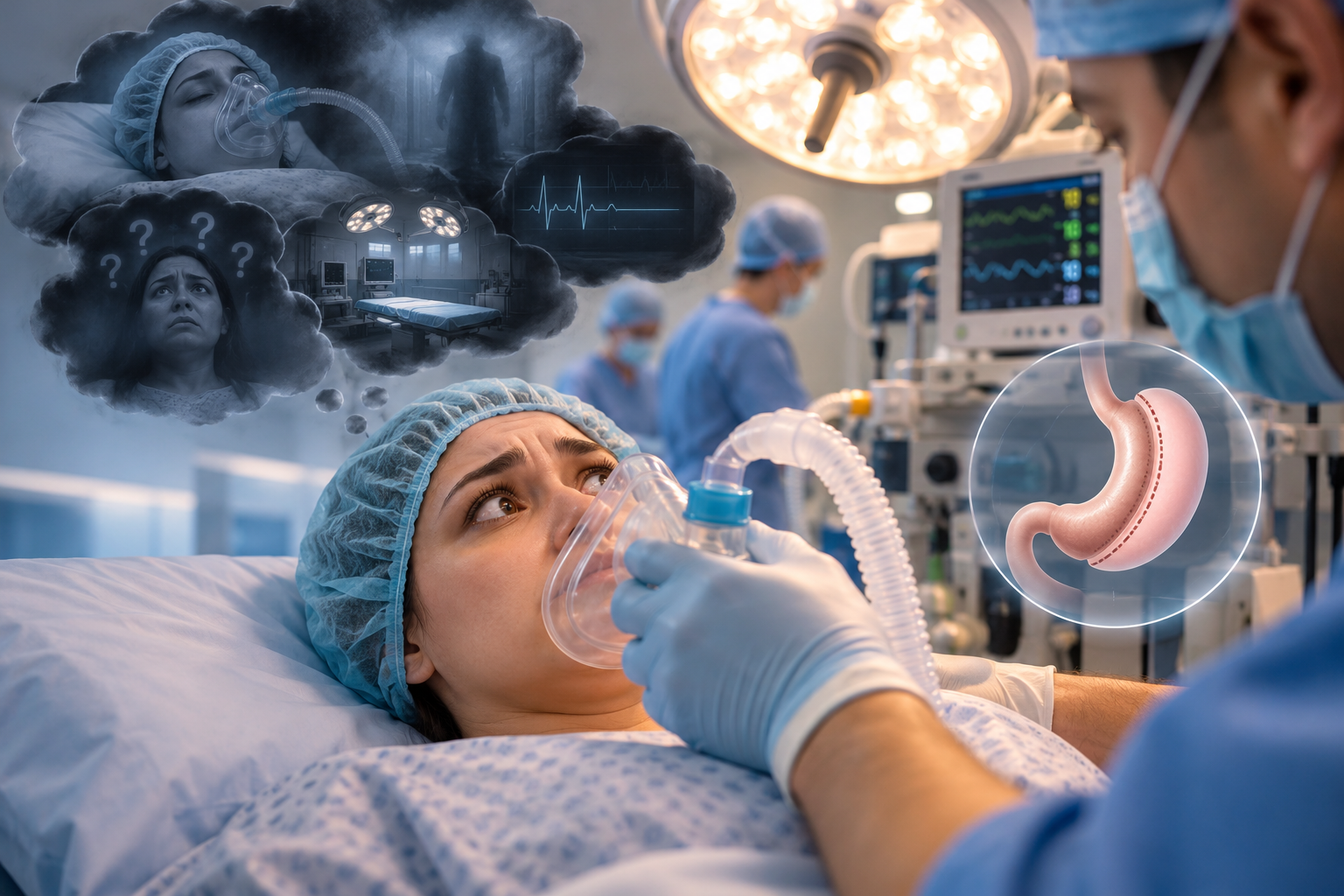
For many people, the most unsettling part of weight-loss surgery is handing over control. Unlike an ordinary night’s sleep, general anaesthesia involves medicines that deliberately produce an unconscious, pain-free state while a specialist team supports and monitors your body’s functions.
Common worries include whether the anaesthetic will work, whether you will feel pain, how you will breathe, whether you will wake up afterwards and whether existing weight-related health conditions make the procedure more dangerous. Previous unpleasant experiences with anaesthesia, panic attacks or frightening stories online can add to that fear.
These concerns are not evidence that you are unsuitable for surgery. They are reasons to request a clear explanation from your anaesthetist. The Royal College of Anaesthetists (RCoA) encourages patients to talk about anxiety and to prepare mentally for an operation, alongside their usual medical preparation.
A helpful consultation should make room for specific questions and discuss how risks differ according to your medical history—not dismiss every concern with a general statement that anaesthesia is safe.
What happens during general anaesthesia for gastric sleeve?
A sleeve gastrectomy reduces the size of the stomach and is usually performed laparoscopically, through several small incisions. The operation is carried out under general anaesthesia, meaning you are unconscious and do not experience the surgical procedure in the usual way.
The NHS explanation of general anaesthesia describes medicines given through a cannula in a vein or, in some circumstances, by inhalation. The anaesthetic takes effect quickly. The anaesthetist then maintains the required level of anaesthesia, watches your vital signs and adjusts medicines as necessary.
During gastric sleeve surgery, the team will normally use a breathing tube after you are unconscious to protect and support your airway. Your breathing is assisted by equipment controlled by the anaesthesia team. This is a planned part of care, not a sign that something has gone wrong.
When the procedure finishes, the anaesthetic medicines are reduced or stopped. You are monitored as you begin to wake, usually in the operating theatre or recovery area. Your medical team manages pain, nausea, oxygen requirements and other immediate recovery needs.
What if I do not wake up after the anaesthetic?
The thought of never waking up is one of the most serious fears patients describe. It helps to distinguish the normal process of waking from general anaesthesia from the possibility of a rare, serious complication.
In routine circumstances, patients begin regaining consciousness once the anaesthetic is stopped. Some feel drowsy, confused or slow to respond at first. Recovery can take longer when there are underlying medical conditions, certain medications, prolonged surgery or a complication.
Death or serious injury related to anaesthesia is possible, but uncommon. The individual likelihood is affected by the patient’s age, health, urgency of surgery, operation and anaesthetic circumstances. The RCoA’s anaesthesia risk information cautions that population averages often come from routine operations in patients without significant health conditions. They cannot be used as a personalised prediction for someone having bariatric surgery.
Your anaesthetist can explain which factors matter for your own case, how they plan to manage them and whether additional assessment or treatment should happen before an elective operation. No responsible clinician should offer a guarantee that a complication cannot occur.
Can you wake up during gastric sleeve surgery?
Becoming conscious during general anaesthesia and recalling part of the operation is called accidental awareness. It is rare, but it is a recognised complication and deserves a factual answer rather than a dismissal.
The RCoA patient leaflet on accidental awareness estimates around five reported episodes per 100,000 general anaesthetics in the research used for its current risk illustration. The risk can be higher in particular circumstances, including operations using muscle relaxants and care of very unwell patients.
This figure is not a gastric sleeve-specific rate and must not be presented as an exact prediction for an individual bariatric patient. The RCoA also explains that research methods can produce different estimates, particularly when awareness is actively sought through interviews.
Anaesthetists continuously assess and monitor patients during surgery and adjust anaesthetic medicines accordingly. Remembering a dream or becoming aware of staff in the recovery room is not necessarily accidental awareness during surgery.
If you have experienced possible awareness before, tell the anaesthetist early, provide any records you have and ask how that history may affect your care plan.
How will I breathe while I am asleep?
For gastric sleeve surgery, anaesthesia commonly includes inserting a breathing tube into the windpipe once you are unconscious. A ventilator helps move air into and out of your lungs while the anaesthetist controls your airway and monitors oxygen and ventilation.
The team uses equipment to check heart rate, blood pressure, oxygen saturation and breathing. They may monitor exhaled carbon dioxide and other measures that help them assess ventilation and anaesthesia throughout the procedure.
The RCoA airway and breathing leaflet explains that the anaesthetist assesses your mouth, neck movement, jaw, teeth, medical history and any previous airway difficulties before choosing an airway-management plan.
Patients with obesity can sometimes present additional airway or breathing challenges. The anaesthesia team may adapt positioning, pre-oxygenation, equipment or monitoring to the patient’s needs. An individual plan is especially important if you have sleep apnoea, severe reflux or a history of difficult intubation.
Does obesity make general anaesthesia more dangerous?
Obesity can increase the complexity of anaesthesia and recovery, but the risks vary considerably from person to person. Body size alone does not provide a complete risk assessment.
According to the RCoA’s guide to anaesthesia and body weight, some patients with obesity may have more challenging intravenous access, blood pressure monitoring, airway management or positioning. Recovery can also be influenced by accompanying health conditions.
Relevant factors can include diabetes, heart or lung disease, obstructive sleep apnoea, reflux, smoking, exercise tolerance and medicines. Not everyone with a high BMI has these conditions, and some can be identified and better managed before a planned operation.
Ask your team how they assess your individual risk and whether the hospital has the anaesthesia staffing, airway equipment and postoperative monitoring appropriate for your case. A specialist bariatric programme should be equipped to make these decisions rather than relying only on a BMI number.
Why is sleep apnoea important before a gastric sleeve?
Obstructive sleep apnoea (OSA) causes breathing to repeatedly narrow or pause during sleep. It is associated with obesity and may remain undiagnosed. Symptoms include loud snoring, observed pauses in breathing, waking up gasping and excessive daytime tiredness.
The RCoA explains that OSA can affect sensitivity to sedatives, anaesthetic drugs and some pain medicines, which may require adjustments to care and additional monitoring after surgery.
If you have diagnosed OSA, tell the team whether you use CPAP and bring your device when instructed. If you suspect OSA, mention the symptoms before travelling, because assessment or an adjusted recovery plan may be needed.
Sleep apnoea does not automatically mean you cannot have weight-loss surgery. It does mean that the team should consider airway management, medication choices and the right level of postoperative monitoring.
Can reflux, diabetes or weight-loss injections change the anaesthetic plan?
Yes. The anaesthetist needs to understand conditions and medicines that could affect breathing, blood glucose, aspiration risk or recovery.
Reflux and aspiration
Gastric contents can enter the lungs during anaesthesia in an event called aspiration. The team assesses factors such as reflux, delayed stomach emptying and whether fasting instructions have been followed. A breathing tube and other airway measures form part of the anaesthetic plan but do not make aspiration impossible.
Diabetes and blood sugar management
People with diabetes may need a specific plan for insulin, other diabetes medicines, blood glucose monitoring and fasting. Do not change prescriptions independently because another patient followed a different schedule.
GLP-1 medicines such as Mounjaro or Ozempic
Medicines containing tirzepatide or semaglutide can slow stomach emptying in some patients. The RCoA patient guide asks patients to disclose these medicines so the anaesthesia team can consider aspiration risk and the appropriate preparation plan.
There is no safe one-size-fits-all instruction to stop these medicines for a particular number of days. Your surgeon, prescriber and anaesthetist should give you individual instructions. Our Mounjaro before surgery guide covers why the timing of medication decisions requires clinical advice.
What is the difference between common side effects and serious complications?
It can be helpful to separate symptoms that are relatively familiar after anaesthesia from complications that may be rare but important to plan for. This table is an overview, not a personalised risk calculation.
| Concern | What it can involve | What to discuss |
|---|---|---|
| Drowsiness or feeling groggy | Feeling sleepy or temporarily slow to respond in recovery | Expected monitoring and recovery plan |
| Nausea or vomiting | Sickness after anaesthesia or abdominal surgery | Previous sickness, prevention and treatment |
| Sore throat | Irritation after placement of an airway device | Relevant dental or airway history |
| Breathing difficulties | Low oxygen or other respiratory complications | Sleep apnoea, lung health and monitoring |
| Accidental awareness | Unintended consciousness and recall during general anaesthesia | Past history and monitoring approach |
| Severe allergic reaction or other major event | Rare but potentially serious harm | Allergies, medical history and facility readiness |
The NHS lists drowsiness, nausea, shivering and sore throat among possible short-term effects, while also recognising rare serious complications. The RCoA provides further patient information about specific risks.
Serious symptoms after an operation require prompt clinical attention; they should never be assumed to be ordinary recovery effects.
Will I feel sick or be in pain when I wake up?
You may feel sleepy, cold, thirsty, uncomfortable or nauseated as you regain consciousness. A sore throat is also possible after the breathing tube. These symptoms do not happen to everyone, and the recovery staff can assess and treat them.
Nausea after bariatric surgery is an important concern because both the abdominal procedure and anaesthetic or pain medications can contribute to it. The RCoA guidance on postoperative sickness notes that previous motion sickness, a history of nausea after anaesthesia and some operations can increase susceptibility.
Tell the anaesthetist if you have been sick after a previous operation or experience significant motion sickness. The clinical team may consider preventive medicines and a postoperative treatment plan suited to your circumstances.
Pain management also needs individual planning. The goal is to control discomfort while considering breathing and other risks, particularly if you have sleep apnoea. See our gastric sleeve recovery guide for more on what happens after the operation.
What happens at the anaesthetic assessment before surgery?
Your anaesthetist reviews your medical history, current health, previous anaesthetic experiences, medication and allergies. They may ask about snoring, sleep apnoea, reflux, breathlessness, chest symptoms, smoking, alcohol intake and previous difficult airway management.
Depending on the planned procedure and individual risk, the hospital may need blood tests, an ECG or specialist assessments. These are not all universal requirements for every patient. The assessment also covers the planned airway approach, fasting, management of chronic medicines and recovery monitoring.
The RCoA guidance for patients with obesity encourages preoperative assessment early enough to address modifiable concerns. Our guide to preoperative tests in Turkey explains the different checks and why individual plans vary.
Do not wait until you are lying on the operating table to mention a previous anaesthesia problem or a medication you have been taking. Share the information before travel when possible, particularly if you are having surgery abroad.
How can you reduce anxiety about being put to sleep?
No single relaxation technique works for everyone. A useful starting point is identifying your specific fear and deciding what information or support would help you manage it.
- Write down exactly what worries you. “I fear I will not wake up” calls for a different discussion from “I panic when I see a mask”.
- Ask to speak with the anaesthetist in advance. Find out whether a preoperative phone or video conversation is possible.
- Describe previous experiences. Include panic attacks, past anaesthesia, severe motion sickness or any event you think involved awareness.
- Use reputable patient information. Reading the NHS or RCoA material may be more helpful than relying on alarming anecdotes without clinical context.
- Try a coping strategy you can practise. Breathing exercises, mindfulness, music or guided imagery may help some people manage the waiting period.
- Ask about psychological or medication support. If fear is severe, your GP, treating team or a mental health professional can help with an appropriate plan.
A 2024 randomised controlled study of 92 patients undergoing elective abdominal surgery found that structured information about the operating-room environment and intraoperative care reduced reported surgical fear compared with routine care in the studied group. The results support giving patients understandable information but do not prove that education eliminates anxiety or prevents complications.
The RCoA also provides mental preparation resources, including relaxation exercises. If your fear is persistent or overwhelming, professional support can be more useful than repeatedly searching for reassurance online.
Can I ask for medicine to calm me before the operation?
You can certainly ask. In some situations, the anaesthesia team may offer a medicine before surgery to reduce anxiety. Whether this is appropriate depends on your health, medicines, respiratory risk and overall anaesthetic plan.
Patients with sleep apnoea or other breathing-related concerns may be more sensitive to sedatives. Taking leftover sleeping tablets, alcohol or a friend’s anxiety medicine without the team’s approval can create additional danger.
Discuss what helps you feel comfortable, whether you may have a support person with you before theatre and how the hospital will communicate with you. Do not assume a sedative is routinely given or that it is the best option for every patient.
Questions to ask your anaesthetist before gastric sleeve
It is reasonable to request straightforward, individual answers rather than broad reassurances.
- What are the main anaesthetic risks in my particular case, and why?
- Does my BMI, sleep apnoea, reflux, heart or lung condition change the plan?
- Will I have a breathing tube, and how will my breathing be monitored?
- How do you reduce the risk of accidental awareness?
- What happens if the anaesthetic is more difficult than anticipated?
- Can you help me manage panic or severe anxiety before the procedure?
- How will you prevent or treat postoperative nausea and pain?
- Which medications should I take, stop or discuss before surgery?
- Where will I recover, and might I need additional breathing support or monitoring?
- How can I contact the medical team if I develop new symptoms before travelling?
The aim is to leave the consultation understanding what is planned and what could cause the team to recommend additional preparation or postponement.
What if I am too frightened to go ahead with surgery?
Gastric sleeve is an elective treatment, and informed consent is central to the decision. You should not feel pressured to proceed because flights have been booked, money has been paid or others expect you to have the operation.
If fear is preventing you from sleeping, concentrating or making a clear decision, tell your surgical team before travel. You may benefit from more time, a discussion with an anaesthetist, psychological support or further information about alternative weight-management options. The decision can be revisited after your concerns have been appropriately addressed.
Neither proceeding with nor postponing surgery should be judged as a test of courage. The relevant question is whether you understand the benefits, risks and alternatives and feel able to give informed consent.
Our psychological preparation guide for weight-loss surgery covers broader emotional considerations beyond general anaesthesia.
CK Health Turkey: preparing for gastric sleeve surgery
CK Health Turkey in Antalya supports international patients exploring bariatric surgery and preparing for treatment in Turkey. If general anaesthesia is your main concern, sharing that early is helpful, particularly if you have sleep apnoea, reflux, previous anaesthetic difficulties or medicines that need an individual review.
The operating surgeon and anaesthesia team at the treating hospital must evaluate your clinical suitability, explain the risks and determine how anaesthesia and postoperative monitoring should be managed. Patient coordination can help you understand the consultation process and what information to provide before travelling, but it cannot replace a personalised assessment from the clinicians responsible for your care.
For more information about the gastric sleeve treatment journey and arranging an individual assessment, contact CK Health Turkey.
If you are dealing with fear of general anaesthesia before gastric sleeve, you do not have to resolve every worry by yourself or rely on a reassuring statistic. Ask the anaesthetist how your breathing, consciousness and recovery will be managed, disclose your medical history and take the time you need to make an informed decision about the operation.