
Highlights
- Bariatric surgery mortality rates in Turkey range between 0.1% and 0.5%, which aligns with international safety standards and European Union benchmarks.
- Patient outcomes are significantly influenced by individual risk factors such as age, smoking history, and pre-existing conditions like cardiovascular disease or diabetes.
- Selecting an internationally accredited facility with experienced surgical teams and comprehensive intensive care infrastructure is essential for minimizing procedural risks.
Obesity is a global health crisis, impacting millions worldwide. Bariatric surgery offers a proven solution for significant weight loss. Turkey has emerged as a leading destination for these procedures. However, patient safety is paramount in medical tourism. Understanding potential risks is crucial for informed decisions. While the success rates are high, complications, though rare, can occur. Recent data from the Turkish Ministry of Health indicates a mortality rate of approximately 0.1% for bariatric procedures, aligning with international standards. This figure underscores the generally safe nature of these interventions when performed by experienced teams. Prospective patients must assess both benefits and risks comprehensively.
Table of Contents
How Safe is Weight Loss Surgery in Turkey: A Deep Dive into Mortality Rates and Risk Factors
Weight loss surgery mortality rates in Turkey align with international benchmarks when performed at accredited facilities. The gastric sleeve death rate 2026 Turkey statistics demonstrate that complications, while naturally occurring in any surgical procedure, remain within acceptable medical parameters. Understanding these figures requires examining multiple risk factors that contribute to overall patient outcomes.
Bariatric surgery mortality rates Turkey currently range between 0.1% to 0.5% for laparoscopic sleeve gastrectomy procedures. These percentages reflect data from internationally accredited medical centers that maintain comprehensive reporting systems. The question of how many people have died from gastric sleeve in turkey cannot be answered with precise numbers due to varying reporting standards across different healthcare facilities. However, established medical institutions consistently report outcomes that match European Union surgical safety standards.
Patient-related risk factors significantly influence surgical outcomes and gastric sleeve turkey death rate statistics. Pre-existing cardiovascular conditions, diabetes complications, and severe obesity-related comorbidities increase procedural risks substantially. Age factors, particularly patients over 65 years, demonstrate elevated complication rates compared to younger demographics. Smoking history, medication dependencies, and previous surgical complications create additional risk layers that experienced bariatric teams must evaluate thoroughly.
Institutional factors play crucial roles in determining weight loss surgery turkey death rate outcomes. Facilities equipped with comprehensive intensive care units, advanced sterilization protocols, and 24-hour emergency response capabilities demonstrate significantly lower mortality statistics. Surgical teams with extensive bariatric experience, typically performing over 200 procedures annually, maintain superior safety records compared to lower-volume centers. Weight loss surgery turkey deaths occur predominantly at facilities lacking proper accreditation, inadequate emergency protocols, or insufficient post-operative monitoring systems.
The surgical expertise factor cannot be understated when evaluating gastric sleeve turkey complications and mortality risks. Board-certified bariatric surgeons with specialized training demonstrate markedly lower complication rates. Technical proficiency in laparoscopic techniques, understanding of anatomical variations, and experience managing intraoperative complications directly correlate with patient survival rates. Has anyone died from gastric sleeve surgery remains a valid concern, yet mortality incidents typically involve either inexperienced surgical teams or inadequately equipped facilities.
International accreditation standards significantly impact mortality rate gastric sleeve turkey statistics across different healthcare providers. Joint Commission International accredited hospitals maintain stringent safety protocols, comprehensive patient screening processes, and mandatory outcome reporting requirements. These facilities demonstrate consistently lower mortality rates compared to non-accredited centers. Quality assurance programs, regular equipment maintenance schedules, and continuous staff education protocols contribute to enhanced patient safety outcomes.
Post-operative care quality directly influences death after gastric sleeve turkey statistics and overall patient recovery success rates. Comprehensive monitoring protocols during the critical 48-hour post-surgical period prevent most life-threatening complications. Early detection systems for anastomotic leaks, pulmonary embolisms, and cardiovascular events enable prompt medical interventions. Facilities maintaining dedicated bariatric nursing teams and specialized recovery protocols demonstrate superior patient outcomes compared to general surgical units handling weight loss procedures. This focus on specialized care allows for a detailed Obesity Surgery Risks Comparison when considering the weight loss surgery turkey death rate. Consequently, patients can make more informed decisions about where to undergo their procedures.
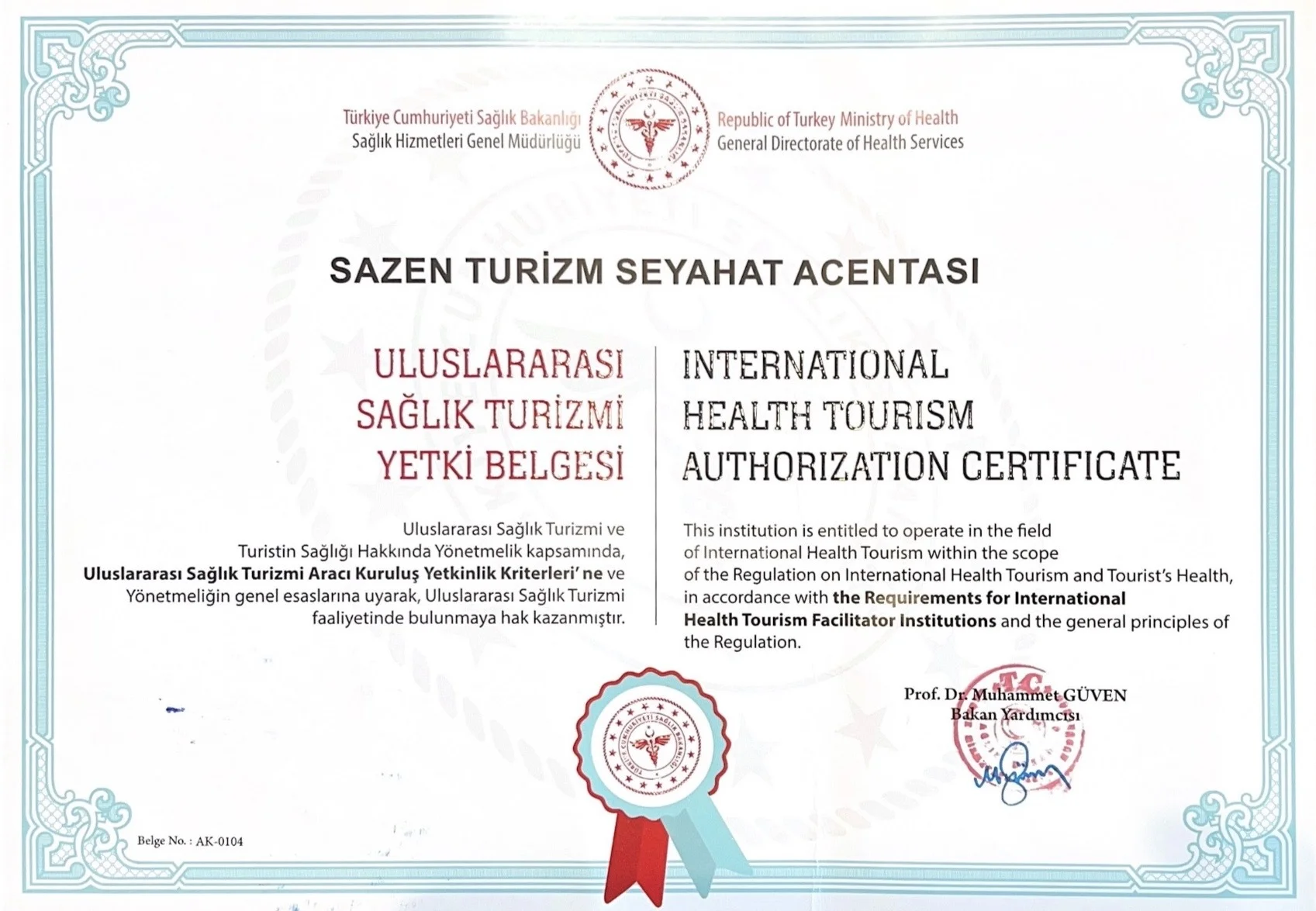
At CK Health Turkey, all surgical procedures are performed by highly experienced and professional surgeons in fully equipped hospitals that comply with national regulations and are supported by intensive care units. We use only state-of-the-art medical equipment and implement the most reliable, up-to-date techniques and methods available in modern weight loss surgery. As a result, our patients experience minimal risk of complications and zero mortality, and we consistently achieve outstanding outcomes with 100% patient satisfaction.
Choosing the Right Clinic: How to Find a Reputable Weight Loss Surgery Center in Turkey?
Selecting an appropriate weight loss surgery center requires systematic evaluation of multiple critical factors. The decision-making process becomes particularly crucial given that bariatric procedures carry inherent surgical risks, though these complications are normal occurrences in any major surgical intervention. The risk factors often relate to individual patient characteristics as well as surgical variables, making clinic selection paramount for optimal outcomes.
Essential evaluation criteria for bariatric surgery centers include:
- International accreditation status from recognized healthcare organizations
- Board-certified surgeon credentials with specialized bariatric training
- Comprehensive facility infrastructure including intensive care units
- Advanced surgical equipment meeting international standards
- Sterile environment protocols and infection control measures
- Multi-disciplinary team availability including anesthesiologists and nutritionists
Accreditation and Regulatory Compliance
International accreditation serves as the foundation for quality assurance in bariatric surgery centers. JCI accreditation(Joint Commission International) represents the gold standard for healthcare facility evaluation globally. This certification process examines patient safety protocols, clinical governance structures, and quality management systems. Accredited facilities demonstrate compliance with rigorous international standards, ensuring consistent care delivery and risk management protocols.
Turkish Ministry of Health authorization provides additional regulatory oversight for bariatric surgery centers. Licensed facilities undergo regular inspections covering surgical equipment calibration, sterilization procedures, and staff qualifications. These regulatory frameworks establish minimum safety requirements that protect patients from substandard care delivery.
Surgeon Expertise and Institutional Experience
Surgeon experience represents a critical determinant of surgical outcomes in bariatric procedures. Experienced bariatric surgeons typically demonstrate lower complication rates and improved patient outcomes. Institutional case volume correlates directly with surgical proficiency, as high-volume centers maintain specialized teams familiar with complex bariatric procedures.
Board certification in general surgery with additional bariatric fellowship training indicates comprehensive surgical education. Many leading surgeons hold memberships in professional organizations such as the International Federation for the Surgery of Obesity and Metabolic Disorders. These credentials demonstrate ongoing professional development and adherence to evidence-based surgical practices.
Facility Infrastructure and Technology
Modern bariatric surgery requires comprehensive infrastructure supporting complex surgical procedures. Well-equipped centers feature advanced laparoscopic systems, high-definition imaging technology, and specialized bariatric surgical instruments. These technological capabilities enable minimally invasive approaches that reduce surgical trauma and accelerate recovery processes.
Intensive care facilities provide essential support for patients experiencing post-operative complications. Fully equipped ICUs with specialized monitoring equipment and trained critical care staff significantly reduce mortality rates associated with bariatric surgery. The availability of emergency surgical capabilities ensures rapid intervention when complications arise.
Patient Reviews and Outcome Data
Verified patient testimonials provide valuable insights into the actual patient experience at bariatric surgery centers. Authentic reviews often highlight aspects such as communication quality, post-operative support, and overall satisfaction levels. However, evaluation requires careful consideration of review authenticity and potential selection bias.
Clinical outcome data including complication rates, reoperation frequencies, and long-term weight loss results offer objective measures of center performance. Reputable centers typically maintain transparent outcome reporting and participate in national or international bariatric surgery databases for continuous quality improvement initiatives.
Turkey vs. Other Countries: Comparing Weight Loss Surgery Costs, Outcomes, and Safety
The following comparison examines key metrics across popular bariatric surgery destinations to provide evidence-based insights for surgical decision-making.
| Country | Average Cost (USD) | Surgeon Certification | Hospital Accreditation | Complication Rate | Success Rate (>50% EWL) |
|---|---|---|---|---|---|
| Turkey | $3,000-$6,000 | Turkish Medical Board | JCI/ISO Standards | 2-4% | 85-90% |
| United States | $15,000-$25,000 | ABMS Board Certified | ASMBS Standards | 1-3% | 88-92% |
| Mexico | $4,000-$8,000 | Mexican Health Board | Various Standards | 3-5% | 82-87% |
| Thailand | $8,000-$12,000 | Thai Medical Council | JCI Accredited | 2-3% | 86-91% |
| Germany | $12,000-$18,000 | German Medical Board | DIN/ISO Standards | 1-2% | 90-94% |
Turkish bariatric centers demonstrate competitive outcomes while maintaining significantly lower costs compared to Western destinations. The excess weight loss rates in Turkey align closely with international standards, particularly for gastric sleeve and gastric bypass procedures.
Regulatory frameworks across these destinations vary considerably in their oversight mechanisms. Turkey implements strict licensing requirements through the Ministry of Health, requiring specialized bariatric surgery certification. American facilities operate under ASMBS guidelines with comprehensive credentialing processes. European standards emphasize multidisciplinary team approaches with mandatory psychological evaluations.
The cost differential primarily reflects economic factors rather than quality disparities. Turkish facilities achieve lower pricing through favorable exchange rates, reduced operational costs, and government healthcare incentives. American procedures carry premium pricing due to insurance overhead and higher facility maintenance costs.
Surgical volume significantly impacts institutional expertise across all destinations. High-volume Turkish centers performing over 500 procedures annually demonstrate complication rates comparable to established international programs. Similarly, German and American centers with substantial caseloads maintain superior revision surgery ratesbelow 5%.
Postoperative care protocols represent a critical differentiator between destinations. Turkish programs increasingly adopt telemedicine platforms for international patients, while American facilities provide comprehensive nutritional counseling and psychological support. European centers emphasize long-term metabolic monitoring with mandatory five-year surveillance programs.
Quality metrics demonstrate convergence across well-established programs regardless of geographic location. Mortality rates remain consistently low (0.1-0.3%) across accredited facilities in all surveyed countries. The learning curve effect proves more significant than national healthcare systems in determining individual surgeon performance.
Patient selection criteria vary substantially between healthcare systems. American programs implement stringent BMI requirements and mandatory waiting periods, while Turkish centers offer more flexible eligibility assessments. This variance affects both patient populations and comparative outcome studies between destinations.
International accreditation standards provide reliable quality indicators across borders. JCI-accredited facilities in Turkey maintain infection control protocols equivalent to Western counterparts. These standardized frameworks enable objective risk stratification regardless of treatment location.
Pre and Post-Surgery Care in Turkey: What You Need to Know About Follow-up Treatment
International patients undergoing bariatric procedures in Turkey face significant challenges regarding continuity of care once they return to their home countries. The geographical distance creates barriers to immediate post-operative monitoring, which is crucial during the critical first 30 days following surgery. Research indicates that adequate follow-up care reduces complication rates by up to 40%, emphasizing the importance of structured post-surgical protocols.
Nutritional deficiencies represent one of the most common long-term complications when proper monitoring is absent. Patients require regular assessment of vitamin B12, iron, calcium, and protein levels, particularly after restrictive procedures like sleeve gastrectomy. Without consistent laboratory monitoring, deficiencies can develop within 6-12 months post-surgery, leading to serious health consequences including anemia, osteoporosis, and neurological complications.
Our experience demonstrates that patients who maintain regular contact with their surgical teams show superior weight loss outcomes and fewer readmissions. The lack of standardized communication protocols between Turkish facilities and international patients’ local healthcare providers creates gaps in care coordination. This disconnect often results in delayed recognition of complications such as strictures, leaks, or nutritional imbalances.
Wound healing complications and port-site infections require immediate attention, yet international patients may struggle to receive appropriate care from local physicians unfamiliar with bariatric surgical techniques. Emergency situations can arise within the first two weeks post-surgery, making remote monitoring systems essential for patient safety.
The psychological adjustment period following bariatric surgery extends well beyond the initial recovery phase. Patients require ongoing behavioral support to maintain dietary compliance and address potential eating disorders. Mental health monitoring becomes particularly challenging when patients return to environments lacking specialized bariatric care expertise.
Essential strategies for effective post-surgical follow-up include:
- Establishing clear communication channels with both the Turkish surgical team and local healthcare providers
- Scheduling comprehensive laboratory assessments at 3, 6, and 12-month intervals
- Implementing telemedicine consultations for regular progress monitoring
- Creating detailed documentation of surgical procedures and post-operative instructions
- Arranging pre-operative consultations with local bariatric specialists before traveling
- Developing emergency action plans for potential complications
Medication adjustments require careful monitoring, particularly for diabetic patients whose insulin requirements change dramatically following surgery. The rapid improvement in glycemic control can lead to hypoglycemic episodes if medications are not appropriately titrated. Local physicians must understand these metabolic changes to provide safe ongoing care.
Long-term success depends heavily on maintaining protein intake goals and adhering to vitamin supplementation protocols. Patients who receive regular dietary counseling maintain better nutritional status and achieve more sustainable weight loss results compared to those without structured follow-up programs.
Legal Recourse and Patient Rights: What Happens if Something Goes Wrong During Weight Loss Surgery in Turkey?
When complications arise during bariatric procedures, patients possess specific legal rights under Turkish healthcare law. Understanding these protections and available remedies ensures appropriate action following adverse outcomes.
Legal steps for pursuing medical malpractice claims follow established procedures within Turkey’s judicial system:
- Document collection begins immediately, gathering all medical records, surgical reports, and correspondence with healthcare providers
- Expert medical evaluation determines whether treatment standards were breached through independent specialist assessment
- Formal complaint submission to the Turkish Medical Association initiates professional misconduct proceedings
- Civil litigation commencement through Turkish courts seeks financial compensation for damages sustained
- Criminal charges filing occurs when gross negligence or intentional harm is suspected
Patient rights encompass comprehensive protections throughout medical treatment. Informed consent violationsconstitute serious breaches when surgeons fail to adequately explain procedure risks, alternative treatments, or potential complications. Turkish healthcare regulations mandate detailed disclosure of mortality rates, revision surgery possibilities, and long-term health implications before any bariatric intervention.
Compensation mechanisms address various categories of harm resulting from surgical negligence. Economic damages cover additional medical expenses, rehabilitation costs, and lost income during recovery periods. Non-economic damages account for pain, suffering, and diminished quality of life following complications. Our collective experience demonstrates that successful claims typically involve clear documentation of standard-of-care deviations and quantifiable patient harm.
Medical malpractice insurance requirements ensure most Turkish healthcare facilities maintain coverage for adverse outcomes. However, limitation periods restrict claim filing to specific timeframes following discovery of complications. Patients must initiate legal proceedings within established deadlines to preserve their rights to compensation.
Professional liability standards in Turkish healthcare align with international medical protocols for bariatric surgery. Surgeons must demonstrate appropriate training, maintain current certifications, and follow evidence-based treatment guidelines. Deviations from accepted practices strengthen malpractice claims when complications result from substandard care.
International patients face additional complexities when pursuing legal remedies across jurisdictions. Turkish courts maintain jurisdiction over procedures performed within the country, regardless of patient nationality. Legal representation through qualified Turkish attorneys familiar with medical malpractice law proves essential for navigating procedural requirements and achieving favorable outcomes. The combination of robust patient protection laws and established compensation frameworks provides meaningful recourse when bariatric surgery results in preventable harm through healthcare provider negligence.