Highlights
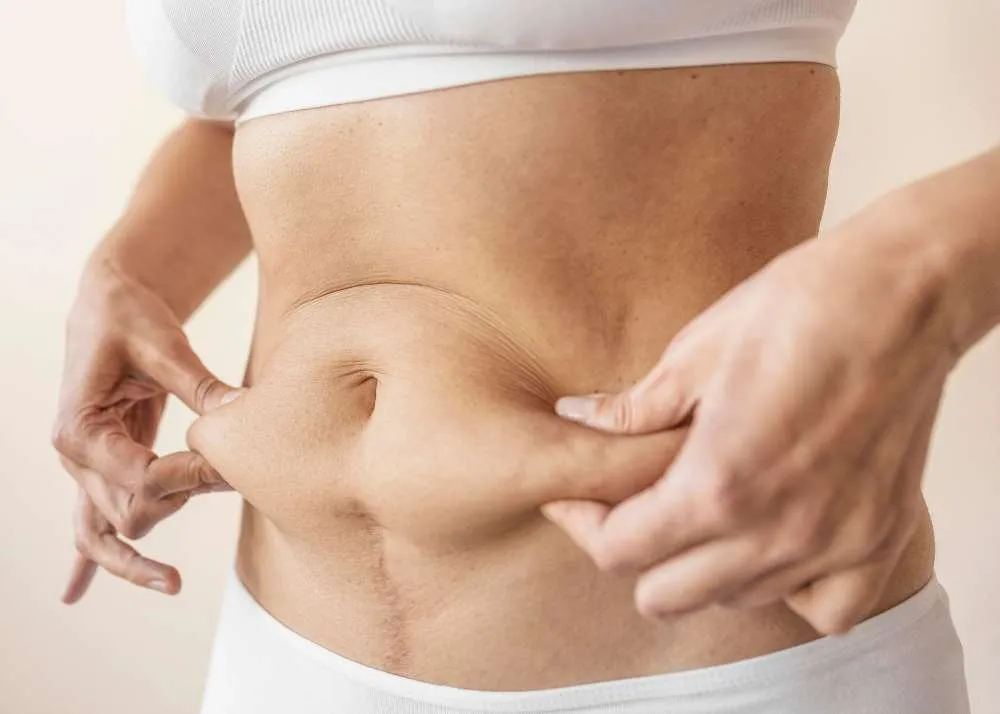
- Significant weight loss often leaves patients with excess, sagging skin that requires surgical body contouring to achieve functional and aesthetic goals.
- Abdominoplasty is the most common procedure, but comprehensive options like body lifts, brachioplasty, and thighplasty are also used to address different body areas.
- Surgeons recommend maintaining a stable weight for 12-18 months before surgery to ensure optimal healing and long-term psychological benefits.
Significant weight loss, often achieved through bariatric surgery, brings profound health benefits. However, it frequently leaves individuals with excess, sagging skin. This condition, known as post-bariatric skin laxity, commonly affects the abdominal area. The skin loses its elasticity, unable to conform to the body’s new, smaller contours. This persistent issue can lead to physical discomfort and aesthetic concerns. Studies show a direct correlation between massive weight loss and the need for body contouring procedures. Addressing this excess skin is crucial for many post-bariatric patients. Abdominoplasty, or tummy tuck, specifically targets this challenge. It is a vital component of the post-weight loss journey for many. This procedure aims to restore a more proportionate abdominal appearance. It also significantly improves body image and quality of life. The decision to undergo such a procedure is often carefully considered. Patients seek solutions that align with their transformative health journey.
Table of Contents
Skin Removal and Body Contouring Options After Weight Loss
Significant weight loss following bariatric surgery creates unique challenges for patients, particularly regarding excess skin that fails to retract naturally. The human skin’s elasticity has finite limits, and after massive weight reduction, surgical intervention becomes necessary to achieve optimal aesthetic and functional outcomes. Body contouring after bariatric surgery represents a comprehensive approach to addressing these concerns through various surgical techniques.
Abdominal skin removal after bariatric surgery constitutes the most frequently requested procedure amongst post-weight loss patients. The following surgical options provide comprehensive solutions for different body areas:
- Abdominoplasty (Extended Tummy Tuck): Removes excess abdominal skin and tightens underlying muscles, addressing both aesthetic and functional concerns
- Brachioplasty: Eliminates loose skin from the upper arms, creating more proportionate arm contours
- Thighplasty: Addresses excess skin on inner and outer thighs, improving mobility and reducing skin irritation
- Breast Lift/Reduction: Restores breast shape and position following significant volume loss
- Lower Body Lift: Comprehensive procedure targeting buttocks, hips, and outer thighs in a single operation
- Facelift and Neck Lift: Addresses facial skin laxity that often accompanies substantial weight loss
The surgical planning process requires careful consideration of individual patient anatomy and weight loss distribution patterns. Surgeons typically recommend achieving stable weight maintenance for 12-18 months before proceeding with body contouring procedures. This stabilisation period ensures optimal healing and reduces the risk of complications.
Combination procedures offer significant advantages for appropriate candidates, allowing multiple areas to be addressed simultaneously. Common combinations include abdominoplasty with brachioplasty or lower body lift with breast procedures. These approaches reduce overall recovery time and anaesthetic exposure whilst achieving comprehensive body transformation.
Post bariatric plastic surgery UK patients benefit from established protocols within the NHS framework, though private treatment remains more accessible for comprehensive body contouring. The Royal College of Surgeons guidelines emphasise the importance of specialist training in post-bariatric reconstruction, ensuring surgeons possess specific expertise in managing the unique challenges these procedures present.
Recovery considerations differ significantly from standard cosmetic procedures due to the extensive nature of skin removal operations. Compression garments remain essential for 6-8 weeks post-operatively, whilst patients typically return to normal activities within 4-6 weeks depending on the procedure scope.
The psychological benefits of body contouring after bariatric surgery extend beyond aesthetic improvements. Patients frequently report increased confidence, improved clothing fit, and enhanced quality of life following successful reconstruction. These procedures effectively complete the weight loss journey by addressing the physical remnants of previous obesity.
Surgical outcomes demonstrate high satisfaction rates when performed by experienced post-bariatric specialists. The combination of appropriate patient selection, comprehensive preoperative planning, and skilled surgical execution produces transformative results that justify the significant investment in recovery time and financial commitment required for these life-changing procedures. Loose Skin Removal Costs Recovery can be particularly high in post-bariatric tummy tuck procedures due to the complexity and extent of work required. Nonetheless, patients often find the investment worthwhile given the substantial improvements in their quality of life and self-confidence.
Different Types of Post-Bariatric Tummy Tuck Procedures
Post-bariatric patients require specialized surgical approaches that address the unique challenges of excess skin following significant weight loss. The surgical techniques vary considerably based on the extent of tissue removal required and the patient’s anatomical considerations.
Standard Abdominoplasty for Post-Bariatric Patients
The standard abdominoplasty after bariatric surgery follows a systematic approach that accounts for the altered tissue characteristics in weight loss patients:
- Pre-operative marking involves identifying the extent of excess skin and underlying fascial laxity, typically more pronounced than in traditional cosmetic cases.
- Incision placement extends from hip to hip, positioned strategically to remove maximum excess tissue while maintaining optimal scar positioning.
- Skin and subcutaneous tissue dissection proceeds with particular attention to preserving blood supply, as post-bariatric patients demonstrate compromised vascular networks.
- Fascial repair addresses the rectus diastasis commonly present, requiring reinforcement with permanent sutures to restore abdominal wall integrity.
- Tissue excision removes substantial amounts of redundant skin and subcutaneous fat, often exceeding 2-3 kilograms in post-bariatric cases.
- Wound closure employs layered techniques with progressive tension sutures to minimize stress on the healing tissues.
The post gastric bypass tummy tuck presents distinct considerations compared to other bariatric procedures:
- Gastric bypass patients typically demonstrate more significant nutritional deficiencies, requiring enhanced pre-operative optimization protocols
- Tissue quality assessment reveals increased collagen breakdown and reduced elasticity following rapid weight loss
- Healing complications occur more frequently, necessitating extended monitoring periods and specialized wound care protocols
- Scar tissue management requires particular attention, as previous laparoscopic port sites may compromise tissue integrity
Extended Abdominoplasty Techniques
The extended tummy tuck after bariatric surgery addresses comprehensive circumferential tissue excess through advanced surgical methodology:
- Circumferential assessment evaluates the entire torso to determine the optimal extent of tissue removal and contouring requirements.
- Extended incision design encompasses lateral extension beyond the anterior superior iliac spines, often continuing posteriorly to address back rolls and flanks.
- Comprehensive tissue mobilization involves extensive undermining of the abdominal wall, requiring meticulous preservation of perforating vessels.
- Multi-vector tissue repositioning addresses both vertical and horizontal skin excess, achieving superior aesthetic outcomes through advanced suturing techniques.
- Drain placement strategy incorporates multiple drainage systems to manage the increased fluid accumulation associated with extensive dissection.
- Staged closure protocols may be employed in complex cases to optimize healing and minimize tension-related complications.
The tummy tuck post bariatric surgery using extended techniques presents specific risk profiles that require careful consideration:
- Wound healing complications increase significantly with extended incisions, particularly in patients with compromised nutritional status
- Seroma formation occurs more frequently due to the extensive tissue dissection required for comprehensive contouring
- Infection risks escalate with prolonged operative times and increased tissue manipulation
- Vascular compromise may develop at incision endpoints where tension concentrates during closure
- Delayed healing commonly affects patients with residual metabolic abnormalities following bariatric surgery
The abdominoplasty after bariatric surgery requires comprehensive understanding of altered tissue mechanics and healing patterns. Surgeons must adapt traditional techniques to accommodate the unique challenges presented by post-weight loss anatomy, ensuring optimal outcomes while minimizing complications in this specialized patient population.
When Is The Best Time for Tummy Tuck After Weight Loss Surgery?
Determining when to have tummy tuck after bariatric surgery requires careful consideration of multiple factors that directly impact surgical outcomes and patient safety. The timing of abdominoplasty following weight loss surgery follows specific clinical guidelines established through extensive research and professional experience.
Essential timing criteria for post-bariatric abdominoplasty:
- Weight stability maintenance represents the primary prerequisite for surgical candidacy. Patients must demonstrate consistent weight maintenance for a minimum of 12 to 18 months following their bariatric procedure. This stable weight for tummy tuck after bariatric surgery ensures optimal healing and reduces complications significantly.
- Nutritional status optimisation becomes crucial before considering abdominoplasty. Protein levels, vitamin deficiencies, and overall metabolic health require comprehensive evaluation and correction when necessary.
- Psychological readiness plays a vital role in surgical success. Patients must demonstrate realistic expectations and commitment to post-operative care protocols.
- Medical clearance from the bariatric surgeon confirms that the patient has adapted well to their new anatomy and dietary restrictions.
Post-bariatric patients typically experience significant improvements in quality of life following abdominoplasty, particularly when timing aligns with these established criteria. The surgical intervention addresses excess skin and tissue that exercise and diet cannot eliminate after massive weight loss.
Specific considerations for gastric sleeve patients:
- Gastric sleeve patients often achieve their target weight within 12 to 24 months post-surgery
- Can you have a tummy tuck after gastric sleeve procedures depends on individual healing progress and weight loss trajectory
- Malabsorption concerns are typically less pronounced compared to other bariatric procedures
- Protein intake capacity may be more predictable for optimal wound healing
The relationship between bariatric surgery and subsequent body contouring requires multidisciplinary coordination between bariatric surgeons, plastic surgeons, and nutritionists. This collaborative approach ensures comprehensive patient care throughout the entire weight loss journey.
Patient readiness indicators include stable laboratory values, adequate protein consumption, cessation of smoking, and realistic expectations regarding surgical outcomes. The transformation achievable through properly timed abdominoplasty can be remarkable, providing patients with the final step in their weight loss journey.
Professional assessment remains paramount in determining individual readiness for post-bariatric abdominoplasty. Each patient’s unique circumstances, including their specific bariatric procedure, weight loss pattern, and overall health status, influence the optimal timing for surgical intervention.