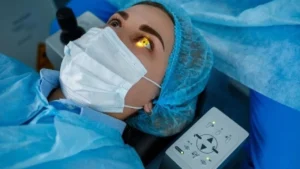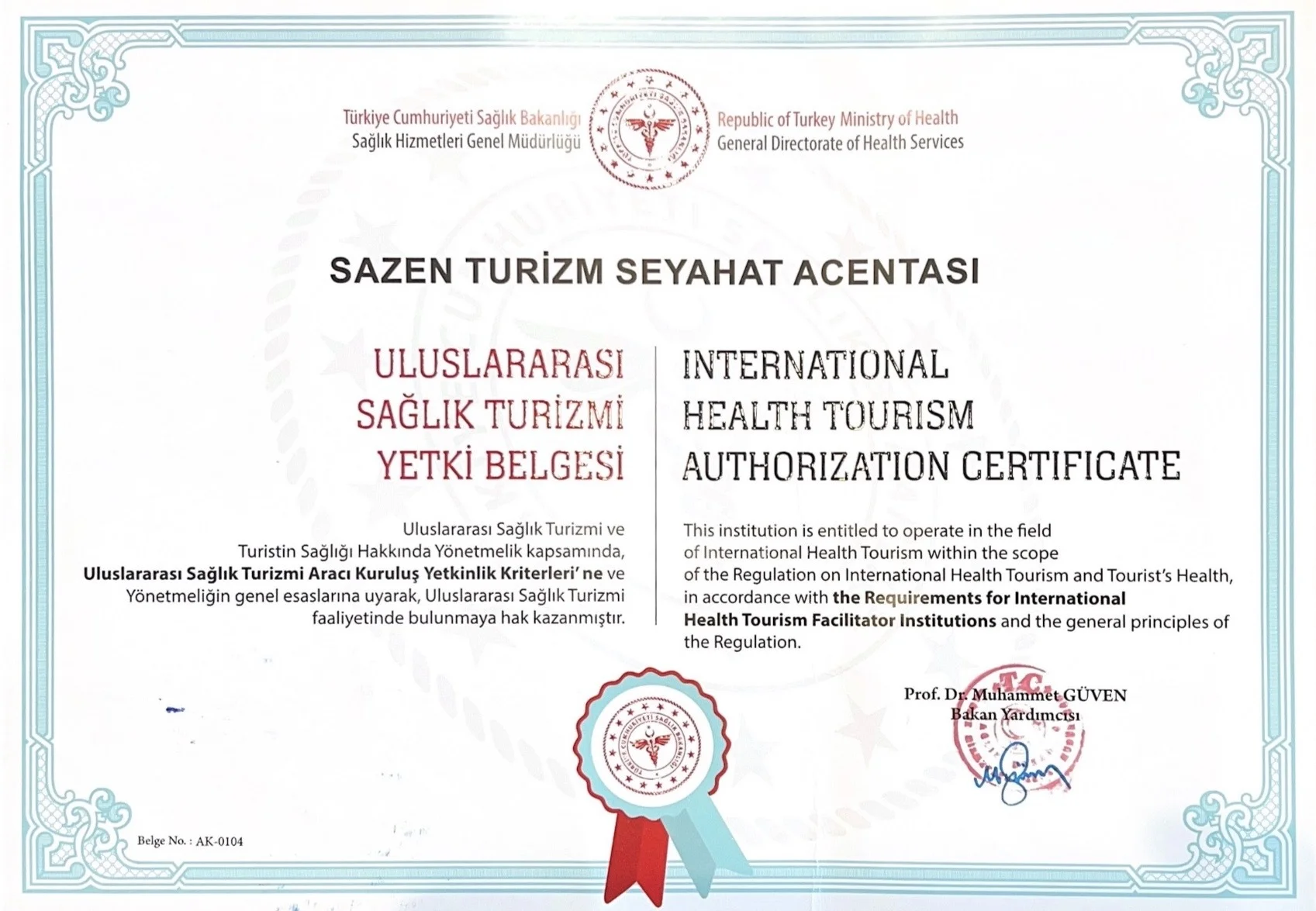
Turkey has emerged as a prominent global destination for advanced eye treatments, drawing patients from across continents. This rise is underpinned by the country’s substantial investment in state-of-the-art medical infrastructure and the expertise of its highly qualified ophthalmologists. Data from the Turkish Ministry of Health consistently show an increasing volume of international patients seeking specialized ophthalmic care here. This trend reflects Turkey’s commitment to delivering high-quality, accessible healthcare solutions. The comprehensive range of services available, from routine examinations to complex surgical interventions, caters to diverse patient needs. This sustained growth in medical tourism for eye care positions Turkey as a leader in the field.
Why Turkey Has Become a Top Destination for Eye Treatments
Turkey has emerged as a premier destination for ophthalmological procedures, combining world-class medical expertise with strategic advantages that appeal to international patients. The country’s transformation into a medical tourism hub reflects decades of investment in healthcare infrastructure and specialized training.
Advanced Surgical Expertise: Turkish ophthalmologists possess extensive experience in complex procedures including cataract surgery, refractive surgery, and retinal treatments. Many specialists have trained at leading international institutions and bring cutting-edge techniques to Turkish clinics.
State-of-the-Art Technology: Medical facilities across Turkey utilize the latest diagnostic equipment and surgical instruments, including femtosecond lasers and advanced imaging systems that ensure precise treatment outcomes.
Internationally Accredited Facilities: Numerous Turkish hospitals hold JCI accreditation and other international certifications, demonstrating compliance with global healthcare standards and patient safety protocols.
Strategic Geographic Location: Turkey’s position between Europe and Asia provides convenient access for patients from both continents, with Istanbul serving as a major international hub with excellent flight connections.
Year-Round Favorable Climate: The Mediterranean climate offers comfortable recovery conditions, particularly beneficial for patients requiring post-operative care and extended healing periods away from harsh weather conditions.
Comprehensive Medical Infrastructure: Turkish cities feature integrated healthcare systems with specialized ophthalmology centers, advanced diagnostic laboratories, and supporting medical services all within proximity.
Multilingual Medical Staff: Healthcare professionals commonly speak English, Arabic, German, and Russian, ensuring clear communication throughout the treatment process and reducing potential misunderstandings.
Tourism-Friendly Environment: The country’s established tourism infrastructure provides comfortable accommodation options, reliable transportation networks, and cultural attractions that enhance the overall medical tourism experience.
Government Support: Turkish authorities actively promote medical tourism through regulatory frameworksand quality assurance programs that maintain high standards across ophthalmological services.
Rapid Treatment Scheduling: Unlike many Western countries, Turkish clinics typically offer shorter waiting times for both consultations and surgical procedures, enabling patients to receive timely treatment.
The combination of clinical excellence, technological advancement, and patient-centered care has positioned Turkey as a leading destination for vision correction and comprehensive eye treatments in the global medical tourism landscape.

Most Popular Eye Procedures Offered in Turkish Clinics
Turkish medical facilities provide comprehensive ophthalmological treatments utilizing advanced surgical techniquesand state-of-the-art equipment across multiple specialized areas.
LASIK Surgery
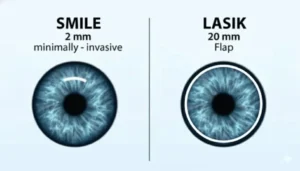
LASIK represents one of the most sought-after refractive surgery procedures performed in Turkish clinics, utilizing excimer laser technology to correct vision disorders. This minimally invasive technique reshapes the corneal tissue to address various refractive errors effectively.
Myopia correction up to -10.00 diopters with high precision outcomes
Hyperopia treatment capabilities extending to +6.00 diopters
Astigmatism correction for complex refractive combinations
Bladeless femtosecond laser technology for enhanced safety profiles
Cataract Removal
Phacoemulsification surgery constitutes the primary treatment approach for cataract removal in Turkish ophthalmology centers, incorporating premium intraocular lens implantation options. This procedure addresses lens opacity through ultrasonic fragmentation techniques.
Multifocal IOL implantation for presbyopia correction
Toric lens options for astigmatism management during surgery
Microincision techniques reducing recovery periods significantly
Advanced biometry calculations ensuring optimal visual outcomes
Keratoconus Treatments
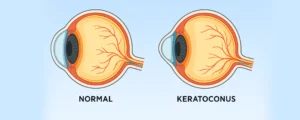
Corneal cross-linking therapy serves as the gold standard treatment for keratoconus progression management in Turkish clinics, often combined with topography-guided procedures. These interventions stabilize corneal structure and improve visual function.
Collagen cross-linking protocols halting disease progression effectively
Intacs ring implantation for corneal shape regularization
Topography-guided ablation combined with cross-linking therapy
Scleral contact lens fitting for advanced cases
Glaucoma Operations
Trabeculectomy procedures and minimally invasive glaucoma surgeries represent primary treatment modalities for intraocular pressure management. Turkish specialists employ various surgical approaches tailored to specific glaucoma types.
Ahmed valve implantation for refractory glaucoma cases
Selective laser trabeculoplasty for open-angle glaucoma management
Cyclophotocoagulation procedures for advanced disease stages
Minimally invasive techniques reducing surgical complications
Retina Detachment Surgery
Vitrectomy procedures constitute the cornerstone treatment for retinal detachment repair, utilizing microsurgical techniques and advanced visualization systems. These interventions restore retinal anatomy and preserve visual function.
Pneumatic retinopexy for specific detachment configurations
Scleral buckling techniques for rhegmatogenous detachments
Silicone oil tamponade for complex retinal cases
Macular hole repair with internal limiting membrane peeling
Corneal Transplant
Penetrating keratoplasty and selective corneal transplantation procedures address various corneal pathologies through donor tissue transplantation. Turkish corneal banks maintain high-quality tissue standards for optimal surgical outcomes.
Endothelial keratoplasty for posterior corneal diseases
Deep anterior lamellar keratoplasty preserving healthy endothelium
Limbal stem cell transplantation for severe ocular surface disorders
Artificial corneal implants for complex reconstruction cases
Cost Comparison: Eye Treatments in Turkey vs. Western Countries
The following table demonstrates the significant cost differences between eye treatments in Turkey and Western countries, presenting comprehensive pricing data for common procedures:
Treatment | Turkey (USD) | UK (USD) | USA (USD) | Germany (USD) | Savings vs UK | Savings vs USA |
|---|---|---|---|---|---|---|
LASIK Surgery | $800-1,200 | $3,500-5,000 | $4,000-6,000 | $3,200-4,500 | 70-75% | 75-80% |
Cataract Surgery | $1,500-2,500 | $4,500-6,500 | $5,000-8,000 | $4,000-5,500 | 65-70% | 70-75% |
Retinal Detachment | $3,000-4,500 | $12,000-18,000 | $15,000-25,000 | $10,000-15,000 | 70-75% | 80-85% |
Glaucoma Surgery | $2,000-3,000 | $6,000-9,000 | $7,500-12,000 | $5,500-8,000 | 65-70% | 75-80% |
Corneal Transplant | $4,000-6,000 | $15,000-20,000 | $18,000-25,000 | $12,000-16,000 | 70-75% | 75-80% |
Turkish ophthalmology centres deliver exceptional value propositions with savings ranging from 65% to 85% compared to Western countries. Our collective experience indicates that refractive surgery costs in Turkey represent approximately 25% of equivalent procedures in the United States, while maintaining identical clinical outcomes and safety standards.
The cost-effectiveness advantage extends beyond basic procedures to complex interventions such as vitreoretinal surgeries and advanced corneal treatments. Turkish facilities achieve these competitive pricing structures through optimized operational efficiency, favourable exchange rates, and comprehensive healthcare infrastructure investments.
Comprehensive treatment packages in Turkey typically include pre-operative consultations, surgical procedures, post-operative care, and follow-up appointments within the quoted prices. Western countries often charge separately for these components, creating additional financial burden beyond the primary surgical fees.
International patients benefit from transparent pricing models without hidden costs or insurance complications. Turkish clinics provide detailed cost breakdowns encompassing accommodation, transportation, and extended recovery periods, ensuring predictable medical tourism budgets.
The substantial financial savings enable patients to access premium surgical techniques and advanced technology platforms that might otherwise remain financially prohibitive in their home countries. This affordability factor democratizes access to cutting-edge ophthalmic treatments without compromising clinical excellence or patient safety protocols. Intraocular Lens Implant Turkey becomes an attractive option, effectively positioning eye treatments in Turkey as a viable choice for international patients. This shift in accessibility ensures that more individuals can benefit from world-class eye care without the burden of exorbitant costs.

How to Choose the Right Eye Clinic in Turkey
Verify surgeon credentials and specialization – Check if the ophthalmologist holds internationally recognized certifications and has specialized training in your specific eye condition.
Confirm international accreditation status – Ensure the facility holds JCI (Joint Commission International)or ISO certification, which guarantees adherence to global healthcare standards.
Review multilingual patient testimonials – Examine detailed reviews from international patients who underwent similar procedures, focusing on treatment outcomes and post-operative care experiences.
Assess communication capabilities – Confirm that medical staff can communicate effectively in English throughout your entire treatment journey, including pre-operative consultations and follow-up care.
Evaluate advanced technology availability – Verify that the clinic utilizes state-of-the-art equipment such as femtosecond lasers, OCT imaging systems, and phacoemulsification machines for precise surgical interventions.
Investigate comprehensive aftercare services – Ensure the clinic provides detailed post-operative monitoring protocols and maintains communication channels for international patients returning home.
Examine facility infrastructure and hygiene standards – Visit clinic websites to review operating theatre specifications, sterilization procedures, and overall medical facility cleanliness protocols.
Research surgeon’s publication record – Look for evidence of the ophthalmologist’s contributions to peer-reviewed medical journals and participation in international conferences.
Confirm emergency response protocols – Verify that the clinic has established procedures for handling complications and maintains 24/7 medical support availability.
Analyze treatment package transparency – Request detailed cost breakdowns that include all surgical fees, medications, accommodation arrangements, and potential additional charges.
Validate partnership with reputable hospitals – Ensure the clinic maintains affiliations with major Turkish hospitals for emergency situations or complex cases requiring additional medical support.
Check patient coordinator qualifications – Confirm that dedicated international patient coordinators possess medical backgrounds and can facilitate seamless treatment coordination.
Investigate insurance acceptance policies – Determine whether the clinic accepts international health insurance plans or provides necessary documentation for reimbursement claims.
Review pre-operative assessment procedures – Ensure comprehensive diagnostic testing protocols are implemented before any surgical intervention to minimize risks and optimize outcomes.
Evaluate geographic accessibility – Consider clinics located near major airports in Istanbul, Ankara, or Antalya for convenient travel arrangements and reduced transit-related stress.
What to Expect: The Complete Patient Journey for Eye Treatment in Turkey
Initial consultation and assessment begins with comprehensive eye examinations using advanced diagnostic equipment. Turkish ophthalmologists conduct detailed evaluations including corneal topography, optical coherence tomography, and specialized imaging to determine treatment eligibility.
Pre-operative preparation involves thorough medical history review and necessary blood tests. Patients receive detailed instructions regarding medication adjustments, dietary restrictions, and specific preparation requirements tailored to their chosen procedure.
Arrival and registration at Turkish eye clinics typically includes immediate patient coordinator assistance and facility orientation. International patients benefit from streamlined admission processes and dedicated support staff fluent in multiple languages.
Final pre-treatment evaluation confirms surgical candidacy through last-minute diagnostic checks. Our collective experience demonstrates that this additional assessment ensures optimal surgical outcomes and patient safety standards.
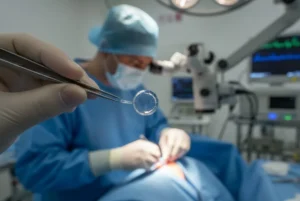
Surgical procedure execution utilizes state-of-the-art technology including femtosecond lasers and premium intraocular lenses. Turkish ophthalmologists employ internationally recognized protocols while maintaining strict sterile environments throughout all procedures.
Immediate post-operative care includes comprehensive monitoring in recovery areas with specialized nursing staff. Patients receive detailed post-surgical instructions, prescribed medications, and emergency contact information for optimal healing support.
Recovery monitoring involves scheduled follow-up appointments within 24-48 hours post-surgery. Turkish medical teams assess healing progress, visual acuity improvements, and address any immediate concerns through systematic evaluation protocols.
Extended recovery support provides ongoing care coordination for international patients during their stay. Our experience shows that dedicated patient coordinators facilitate accommodation arrangements, transportation services, and additional medical consultations when necessary.
Discharge planning includes comprehensive documentation of treatment records, medication schedules, and detailed post-operative care instructions. Patients receive translated medical reports and contact information for continued support after returning home.
Long-term follow-up coordination establishes communication protocols between Turkish specialists and patients’ home-country physicians. This collaborative approach ensures continuity of care and optimal long-term visual outcomes through systematic monitoring arrangements.
Remote consultation availability enables ongoing patient support through telemedicine platforms and digital communication channels. Turkish clinics maintain accessible communication systems for addressing post-treatment questions and concerns effectively.
Turkey’s advanced medical infrastructure, combined with internationally trained ophthalmologists, creates an exceptional environment for comprehensive eye care. The country’s commitment to medical excellence, supported by cutting-edge technology and patient-centered approaches, ensures superior treatment outcomes. CK Health Turkey provides these comprehensive eye treatments and services, delivering world-class ophthalmic care through our network of certified specialists and state-of-the-art facilities throughout Turkey.
Eye Treatments Latest Blog Posts
You can review other topics you wonder about Eye Treatments treatment in our most up-to-date posts: