The pursuit of optimal vision has led to remarkable advancements in ophthalmology, with excimer laser technology standing at the forefront of refractive surgery. For individuals seeking to reduce or eliminate their reliance on glasses or contact lenses, procedures employing the excimer laser offer a precise and effective solution. Turkey has rapidly emerged as a prominent global hub for medical tourism, particularly for sophisticated eye treatments. Patients from around the world, including a significant number from the United Kingdom, are increasingly choosing Turkey for its combination of cutting-edge technology, highly skilled medical professionals, and competitive pricing for procedures such as excimer laser surgery. This comprehensive guide delves into the specifics of excimer laser treatments, examines the advantages of undergoing these procedures in Turkey, and provides essential information for international patients considering this life-changing decision.
Understanding Excimer Laser Technology
Excimer laser technology represents a cornerstone of modern ophthalmology, specifically within the field of refractive surgery. This advanced laser precisely reshapes the cornea, the clear front surface of the eye, to correct various refractive errors that impair vision. The term ‘excimer’ is derived from ‘excited dimers,’ referring to the specific type of ultraviolet light produced by the laser, which can ablate (remove tissue through evaporation) with extraordinary precision, without causing thermal damage to surrounding cells.
The Science Behind Vision Correction
When light enters the eye, it passes through the cornea and lens, which work together to focus the light onto the retina at the back of the eye. Refractive errors occur when the eye’s shape prevents light from focusing directly on the retina, resulting in blurred vision. Myopia (nearsightedness), hyperopia (farsightedness), and astigmatism (irregularly shaped cornea) are the most common refractive errors corrected by excimer laser surgery. By precisely reshaping the cornea, the excimer laser alters its curvature, allowing light to focus correctly on the retina and thereby improving visual acuity. The laser delivers cool, ultraviolet light pulses, removing microscopic layers of corneal tissue with unparalleled accuracy, ensuring a safe and controlled modification of the eye’s optical properties.
Conditions Treated by Excimer Laser
Excimer laser procedures are primarily designed to correct:
- Myopia (Nearsightedness): Where distant objects appear blurry due to the eyeball being too long or the cornea being too curved, causing light to focus in front of the retina.
- Hyperopia (Farsightedness): Where near objects appear blurry because the eyeball is too short or the cornea is too flat, causing light to focus behind the retina.
- Astigmatism: Characterized by blurred vision at all distances due to an irregularly shaped cornea (more like a rugby ball than a football), which causes light to focus at multiple points instead of a single point on the retina.
Candidates for excimer laser surgery typically have stable vision prescriptions, are over 18 years old, and have healthy eyes free from certain conditions like severe dry eye, glaucoma, or cataracts.
Types of Excimer Laser Procedures
Several excimer laser-based procedures are available, each tailored to different corneal characteristics and patient needs. The most common include LASIK, PRK, and LASEK.
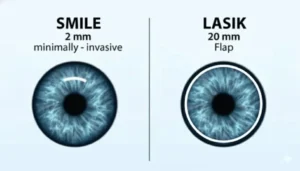
- LASIK (Laser-Assisted In Situ Keratomileusis): This is the most frequently performed type of laser eye surgery. It involves creating a thin, hinged flap in the cornea, which is then lifted to allow the excimer laser to reshape the underlying corneal tissue. The flap is subsequently repositioned, where it naturally adheres without stitches. LASIK offers rapid visual recovery and minimal discomfort.
- PRK (Photorefractive Keratectomy): In PRK, the outermost layer of the cornea (epithelium) is gently removed before the excimer laser reshapes the corneal surface. A protective contact lens is then placed over the eye for several days while the epithelium regenerates. PRK is often recommended for patients with thinner corneas or those involved in professions where a corneal flap might be a concern (e.g., contact sports).
- LASEK (Laser Epithelial Keratomileusis): LASEK is a variation of PRK, where the epithelial layer is preserved and gently pushed aside before laser application, and then repositioned after the laser treatment. This technique combines aspects of both LASIK and PRK, often chosen for patients with thin corneas or specific occupational requirements.
Why Choose Turkey for Excimer Laser Treatment?
Turkey’s ascent as a leader in medical tourism is underpinned by a confluence of factors, making it an exceptionally attractive destination for excimer laser procedures, particularly for patients from the United Kingdom.
Advanced Medical Infrastructure and Technology
Turkish eye clinics and hospitals are equipped with the latest generation of excimer laser systems and diagnostic equipment, matching and often surpassing the technological standards found in many Western countries. These facilities regularly invest in state-of-the-art platforms, ensuring patients receive treatment using the most precise and safest technologies available. This commitment to technological advancement ensures optimal outcomes and reduces recovery times.
Highly Qualified Surgeons and Medical Teams
Turkish ophthalmologists are highly skilled, board-certified, and many have received international training and hold memberships in prestigious global ophthalmic societies. They possess extensive experience in performing a high volume of excimer laser surgeries, which contributes to their proficiency and expertise. The medical teams supporting these surgeons are equally professional, providing comprehensive care throughout the patient’s journey, from initial consultation to post-operative follow-up.
Significant Cost Advantages: Turkey vs. United Kingdom
One of the most compelling reasons for international patients to choose Turkey for excimer laser treatment is the substantial cost saving. While maintaining high standards of quality and technology, the cost of these procedures in Turkey can be significantly lower compared to the United Kingdom, often representing savings of 50-70%. This affordability does not compromise the quality of care or the advanced nature of the treatment, making premium eye care accessible to a broader demographic. To gain more insights into the financial aspects, you can explore Laser Eye Surgery Prices in Turkey.
| Service/Item | Turkey Price (USD) | United Kingdom Price (GBP) |
|---|---|---|
| LASIK Surgery | $2,000 – $3,500 | £3,000 – £6,000 |
| PRK Surgery | $1,800 – $3,000 | £2,800 – £5,500 |
| LASEK Surgery | $1,900 – $3,200 | £2,900 – £5,800 |
| Custom Wavefront LASIK | $2,500 – $4,500 | £4,000 – £7,500 |
Comprehensive Patient Care and Experience
Turkish medical facilities are renowned for their patient-centric approach. International patients often benefit from all-inclusive packages that cover not only the medical procedure but also accommodation, airport transfers, and interpreter services. This holistic approach minimizes stress and ensures a comfortable experience for patients traveling abroad for treatment. The emphasis on hospitality and patient comfort is a hallmark of Turkish healthcare.
The Appeal of Medical Tourism in Turkey
Beyond the medical advantages, Turkey offers a rich cultural experience and an appealing climate, particularly in regions like Antalya. Patients can combine their treatment with a rejuvenating holiday, recovering in picturesque surroundings. The pleasant Antalya Climate: Optimal Seasons for Medical Travel further enhances the overall appeal, making the medical journey a less clinical and more enriching experience.
The Patient Journey: What to Expect
Undergoing excimer laser surgery in Turkey involves a well-structured process designed to ensure safety, comfort, and optimal results.
Initial Consultation and Eligibility Assessment
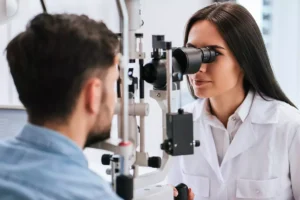
The journey typically begins with a thorough remote consultation, often including video calls, where medical history is reviewed, and initial questions are answered. Upon arrival in Turkey, a comprehensive eye examination is performed using advanced diagnostic equipment. This assessment determines the patient’s suitability for the procedure, evaluates the health of the eyes, measures corneal thickness and curvature, and precisely maps any refractive errors. Not all individuals are suitable candidates, and transparent communication regarding eligibility is paramount.
Pre-Procedure Preparation
Patients are advised to cease wearing soft contact lenses for at least one week, and hard contact lenses for at least three to four weeks, prior to the examination and surgery. This ensures the cornea returns to its natural shape, allowing for accurate measurements. On the day of the procedure, patients should avoid applying makeup, lotions, or perfumes, and arrange for someone to accompany them home.
The Excimer Laser Procedure Day
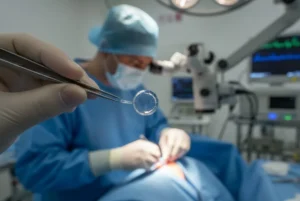
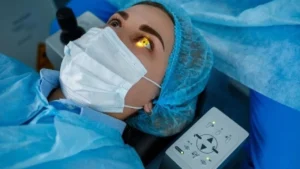
The procedure itself is remarkably quick, often taking less than 30 minutes for both eyes, with the laser actively reshaping the cornea for only a few seconds. Prior to the surgery, anesthetic eye drops are administered to numb the eyes, ensuring a pain-free experience. Patients are comfortably positioned under the excimer laser, and a lid speculum is used to gently keep the eye open. The surgeon guides the procedure, monitoring every step, and the patient is instructed to focus on a target light. The precision of the modern excimer laser, often combined with eye-tracking technology, ensures the laser pulses are delivered accurately even with minor eye movements.
Post-Operative Care and Recovery Timeline
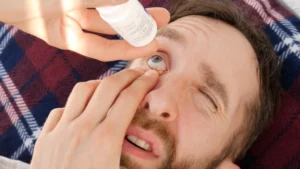
Post-operative care is crucial for successful healing and optimal visual outcomes. Patients receive detailed instructions, including the use of prescribed eye drops (antibiotics and anti-inflammatory medications) to prevent infection and manage discomfort.
Immediately After Surgery
Immediately after the procedure, vision may be blurry or hazy, and some patients may experience mild discomfort, tearing, or light sensitivity. It is common to feel a gritty sensation in the eyes. Patients are typically advised to rest with their eyes closed for several hours and avoid rubbing them.
First Few Days
Within the first 24-48 hours, vision begins to clear significantly, especially after LASIK. For PRK/LASEK, visual recovery is more gradual. Patients are advised to wear protective eyewear (shields or sunglasses) to prevent accidental rubbing and protect from bright light. Strenuous activities and eye makeup should be avoided.
First Month and Beyond
Over the first few weeks, vision continues to stabilize and improve. Follow-up appointments are essential to monitor healing progress. Most patients achieve their desired visual acuity within a few weeks to a few months. Long-term care involves regular eye check-ups as recommended by the ophthalmologist.
Risks, Benefits, and Long-Term Outcomes
Like any medical procedure, excimer laser surgery carries potential risks, but its benefits are profound and often life-changing.
Potential Risks and Complications
While generally safe, potential risks include dry eyes (often temporary), glare or halos around lights (especially at night), under-correction or over-correction requiring further treatment, flap complications (for LASIK), and, rarely, infection or inflammation. These risks are significantly minimized when procedures are performed by experienced surgeons using advanced technology in reputable clinics.
Life-Changing Benefits of Vision Correction
The primary benefit is the dramatic improvement in vision and the reduction or elimination of reliance on corrective eyewear. This leads to enhanced quality of life, greater freedom in daily activities, and improved self-confidence. Patients often report clearer, sharper vision, particularly at night, and a renewed ability to participate in sports and hobbies without hindrance.
Sustaining Optimal Vision: Long-Term Outlook
The results of excimer laser surgery are generally stable and long-lasting. While the procedure does not prevent age-related vision changes such as presbyopia (farsightedness due to aging of the lens) or cataracts, the corneal reshaping itself remains permanent. A study published in the Journal of Refractive Surgery (PMID: 30048386) conducting a systematic review and meta-analysis on photorefractive keratectomy (PRK) found that it demonstrates excellent long-term visual outcomes and a high safety profile, confirming its efficacy as a durable vision correction method with a low incidence of serious complications over extended periods. Regular eye check-ups are recommended to monitor overall eye health.
Navigating Your Choice: Turkey vs. United Kingdom
Making an informed decision about where to undergo excimer laser surgery involves considering various factors beyond just the medical aspect. Patients from the UK often weigh the advantages of domestic treatment against the compelling benefits of medical travel to Turkey.
| Factor | Turkey | United Kingdom |
|---|---|---|
| Cost Efficiency | Significantly lower cost for advanced procedures, often 50-70% less | Higher costs, reflecting elevated operational expenses and specialist fees |
| Surgeon Expertise | Highly qualified, internationally trained, extensive experience due to high patient volume | Excellent, but may have longer waiting lists and higher consultation fees |
| Advanced Technology | State-of-the-art, frequently updated laser systems and diagnostic tools | High standards, but potentially less immediate access to the very newest models due to slower adoption cycles for cost reasons |
| Waiting Times | Minimal to none, allowing for swift treatment scheduling | Can be significant for specialist procedures, impacting timely access |
| Integrated Experience | Often includes comprehensive packages covering travel, accommodation, transfers, and interpreter services | Primarily focused on the medical procedure; travel and lodging are separate patient responsibilities |
| Travel & Accommodation | Affordable, with attractive tourism opportunities and a pleasant climate | Standard travel and accommodation; typically no specific medical tourism packages or discounts |
CK Health Turkey: Your Partner for Vision Correction
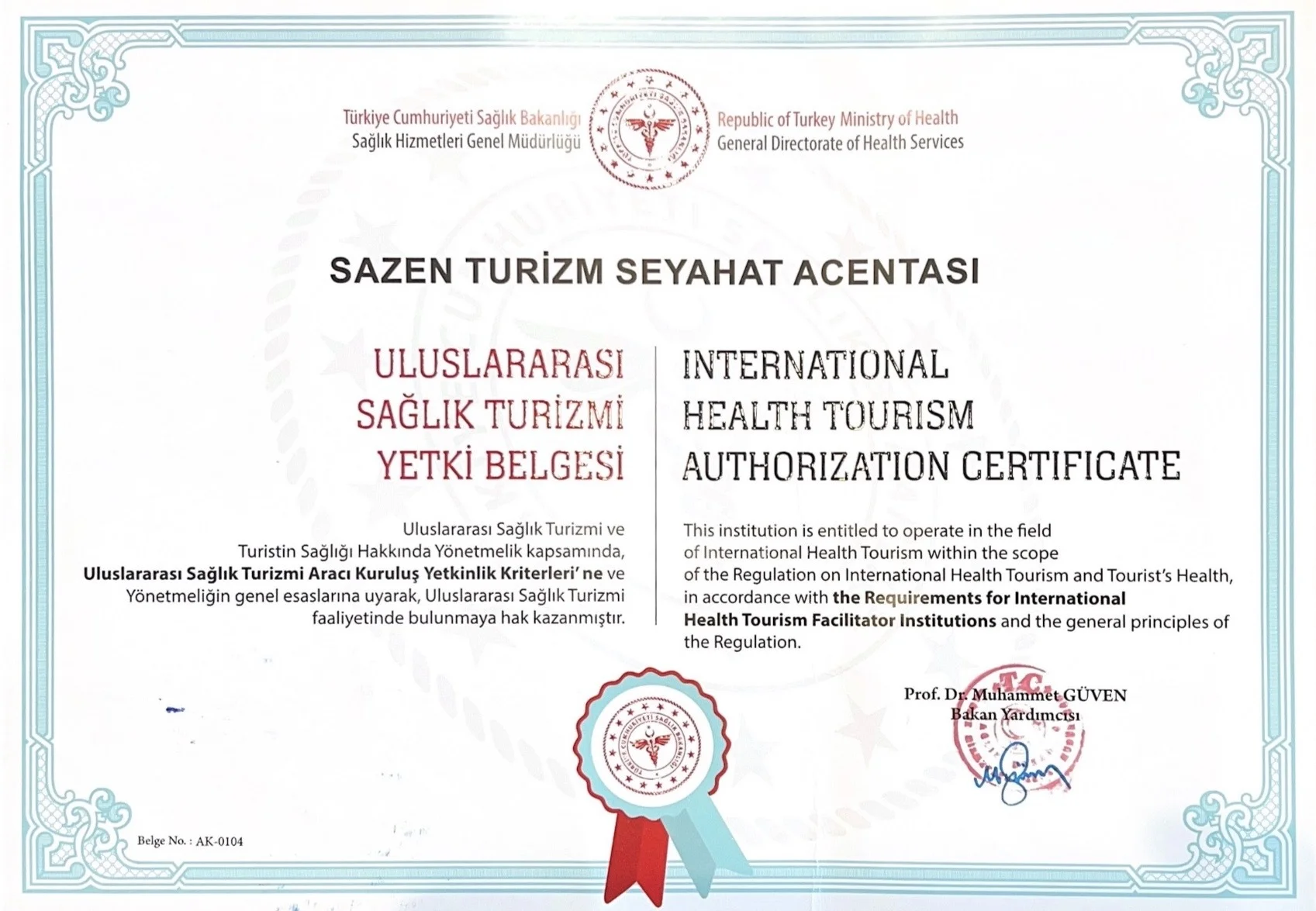
At CK Health Turkey, we understand the profound impact that clear vision has on quality of life. We are dedicated to providing international patients, particularly those from the UK, with access to world-class excimer laser treatments. Our network of accredited clinics in Turkey is equipped with the latest laser technology and staffed by highly experienced, board-certified ophthalmologists and dedicated medical teams. We specialize in facilitating a seamless medical journey, offering personalized treatment plans, comprehensive support services including airport transfers, luxury accommodation options, and dedicated patient coordinators who speak your language.
Our commitment extends beyond the procedure, ensuring you receive exceptional pre-operative assessments and thorough post-operative care, all within an environment of comfort and trust. We believe that superior vision correction should be both accessible and affordable, without compromising on quality or safety. Whether you are considering LASIK, PRK, or LASEK, CK Health Turkey is your trusted partner in achieving lasting visual clarity. We guide you through every step, from your initial inquiry to your full recovery, combining top-tier medical expertise with the renowned hospitality of Turkey. For comprehensive information and to discuss your vision correction needs, we invite you to get in touch with CK Health Turkey today for a consultation or visit our website to learn more about our services.
Choosing Turkey for excimer laser eye surgery represents a judicious decision for international patients seeking exceptional medical care at a more accessible cost. The robust combination of advanced technology, highly skilled ophthalmologists, patient-centric services, and the appealing backdrop of a vibrant cultural destination like Turkey offers an unparalleled value proposition. By thoroughly understanding the procedure, its benefits, and the specific advantages Turkey provides, individuals can confidently pursue the path to improved vision. This decision not only promises enhanced visual clarity but also a holistic and enriching experience, culminating in a brighter outlook on life.
FAQs
What is the average recovery time for excimer laser surgery?
The initial recovery varies by procedure. For LASIK, most patients experience significant visual improvement within 24-48 hours. For PRK/LASEK, vision gradually improves over several days to weeks as the corneal surface heals.
Is excimer laser surgery painful?
No, the procedure itself is typically pain-free due to the application of anesthetic eye drops. Some patients may experience mild discomfort, a gritty sensation, or light sensitivity in the hours following the surgery, which is usually managed with prescribed eye drops and rest.
How long do the results of excimer laser surgery last?
The reshaping of the cornea by the excimer laser is permanent. While the procedure doesn’t prevent age-related vision changes like presbyopia or cataracts, the correction of myopia, hyperopia, and astigmatism is long-lasting.
Am I a suitable candidate for excimer laser surgery?
Eligibility is determined by a comprehensive eye examination. Generally, candidates are over 18 years old, have stable vision prescriptions, healthy corneas of sufficient thickness, and no underlying eye diseases like glaucoma or severe dry eye. A detailed consultation with an ophthalmologist is essential.
What are the main advantages of choosing Turkey for excimer laser surgery?
Key advantages include significant cost savings compared to the UK, access to state-of-the-art technology, highly experienced and internationally trained surgeons, comprehensive patient care packages (including transfers and accommodation), and the opportunity to combine treatment with a pleasant travel experience.
What should I avoid doing after the surgery?
Patients should avoid rubbing their eyes, wearing eye makeup, swimming, using hot tubs, and engaging in strenuous activities for a few weeks post-surgery. It’s also crucial to protect eyes from direct sunlight and dust using sunglasses.
Can I travel immediately after excimer laser surgery?
Most clinics recommend staying for a few days post-surgery for initial follow-up appointments. Traveling immediately after can be done, but it’s important to follow your surgeon’s specific advice, keep your eyes protected, and use prescribed eye drops consistently. Long flights might require extra precautions for dry eyes.
Are there financing options available for excimer laser surgery in Turkey?
While CK Health Turkey itself does not offer direct financing, the significantly lower costs in Turkey often make the procedure more affordable upfront for international patients, reducing the need for extensive financing plans compared to costs in their home countries. Patients should discuss payment options directly with their chosen clinic or medical tourism facilitator.
Eye Treatments Latest Blog Posts
You can review other topics you wonder about Eye Treatments treatment in our most up-to-date posts: