
Genital aesthetic procedures represent a specialized medical field addressing both aesthetic preferences and functional health concerns. Individuals seek these interventions for diverse reasons, ranging from congenital variations to age-related changes affecting appearance and comfort. Contemporary surgical techniques offer refined approaches with established safety profiles and predictable outcomes. Non-surgical alternatives have expanded treatment options significantly, providing patients with flexible choices suited to their specific needs. The clinical evidence demonstrates that properly executed procedures can enhance self-confidence while improving functional aspects of sexual health. Medical professionals in this field employ advanced technologies and time-tested methodologies to achieve natural-looking results. Recovery processes vary depending on the intervention selected, requiring individualized post-operative care protocols. Patient satisfaction rates reflect the importance of precise technique and realistic expectation-setting during consultation phases. Understanding the distinctions between various procedures, their mechanisms, recovery timelines, and clinical benefits remains essential for informed decision-making. This specialized domain continues evolving with innovations in methodology and patient care standards, reflecting the growing recognition of genital aesthetic procedures as legitimate medical interventions.
Is Genital Aesthetic Right for You? Candidacy, Realistic Expectations, and When It Makes Sense
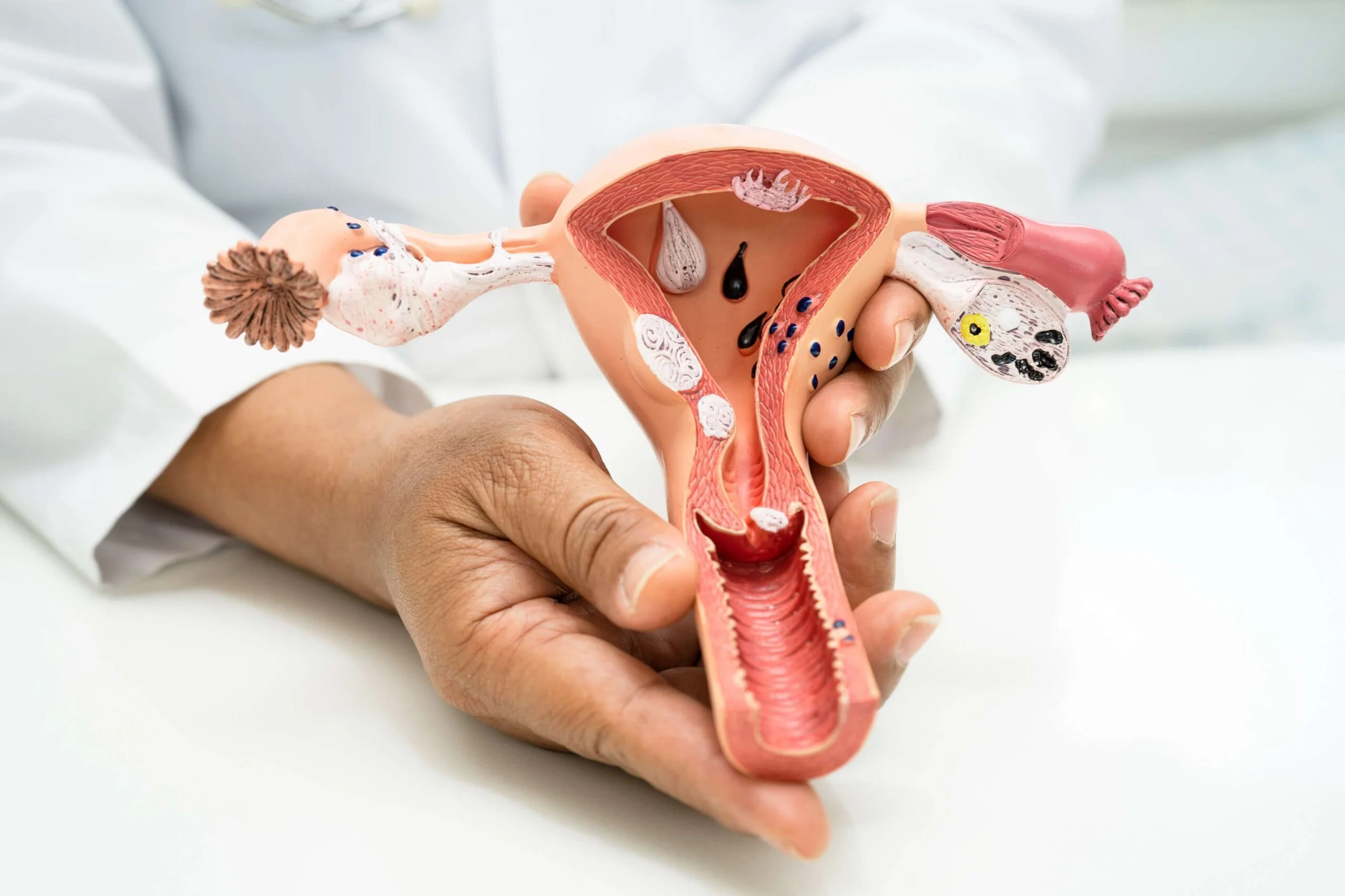
Physical candidacy requires good general health, stable body weight, and absence of active pelvic infections or uncontrolled chronic conditions
Completed pregnancies are a significant factor, as subsequent deliveries alter surgical outcomes in labiaplasty and vaginal rejuvenation
Individuals with unmanaged bleeding disorders or compromised wound healing present elevated procedural risks
Psychological candidacy involves realistic, self-driven motivations rather than external pressure or body dysmorphic tendencies
Functional concerns — including chronic irritation, discomfort during physical activity, or urinary stress symptoms — represent clinically legitimate motivations distinct from purely cosmetic goals
Those seeking genital aesthetic procedures solely to meet a partner’s preferences are identified as poor candidates during clinical assessment
Those exploring Genital Aesthetic in Turkey consistently report that thorough preoperative psychological screening distinguishes sustainable outcomes from dissatisfaction. Patients with documented functional impairment demonstrate measurably higher postoperative satisfaction rates than those with undefined aesthetic concerns.
Expectations must align with anatomical possibilities, not idealized or media-influenced standards
Vulvovaginal anatomy varies considerably; outcomes reflect individual tissue characteristics, not standardised templates
Hormonal status, particularly during perimenopause, influences tissue response and long-term results significantly
Genital Aesthetic in Turkey draws patients who understand that candidacy evaluation is a structured, evidence-based clinical process — not a routine formality.
Types of Genital Aesthetic in Turkey: Which Procedures Are Available?
Female aesthetic genital procedures span a broad clinical spectrum, addressing both cosmetic concerns and anatomical irregularities. The following subsections outline the primary procedure categories available within this field.
Female Genital Aesthetic and Reconstructive Surgery
Female genital aesthetic and reconstructive surgery combines corrective and restorative techniques to address structural changes caused by childbirth, ageing, or congenital variation. Our clinical experience confirms that patients consistently report improvements in both physical comfort and self-confidence following these procedures.
Key conditions and improvements addressed include:
Post-partum structural changes requiring tissue repair or repositioning
Congenital anatomical asymmetries affecting daily function and appearance
Restoration of pelvic floor integrity and improved urinary continence
Aesthetic Genital Plastic Surgery
Aesthetic genital plastic surgery focuses on refining the external genital appearance through precise surgical techniques. Genital aesthetic in Turkey attracts patients seeking evidence-based, standardised approaches to the following:
Labiaplasty for labial hypertrophy or asymmetry
Clitoral hood reduction to improve symmetry and comfort
Mons pubis contouring for improved aesthetic proportion
Aesthetic and Functional Female Genital Surgery
Aesthetic and functional female genital surgery pursues dual goals: improving appearance while restoring physiological function. Female genital aesthetic surgery within this category specifically targets:
Vaginal laxity affecting sexual sensation and pelvic support
Perineal scarring causing discomfort during physical activity
Improved lubrication, sensitivity, and structural support through reconstructive intervention
Non-Surgical Genital Aesthetic Options in Turkey: Do They Actually Work?
Non-surgical interventions address a range of functional and aesthetic concerns without the need for incisions or anaesthesia. Each modality targets specific tissue layers and produces clinically measurable outcomes.
Laser Treatments
Laser energy stimulates collagen remodelling in vulvovaginal tissue, producing tightening and pigmentation correction. Unlike surgical approaches, results develop gradually over several weeks.
3–4 sessions are typically required for optimal tissue response
Effective for laxity, hyperpigmentation, and mild atrophy
Downtime is minimal, supporting consistent patient compliance
Radiofrequency Treatments
Radiofrequency delivers thermal energy to deeper dermal layers, promoting neocollagenesis and structural firmness across the treated region.
2–3 sessions generally produce measurable tightening effects
Suited to mild laxity and post-partum concerns
Results are progressive and cumulative across sessions
PRP Injections
Platelet-rich plasma uses growth factors derived from the patient’s own blood to regenerate tissue and enhance sensitivity.
Effective for dryness, sensitivity loss, and early atrophic changes
2–3 sessions are standard in clinical protocols
Fillers
Hyaluronic acid-based fillers restore volume in the mons pubis and labia majora regions within genital aesthetic in Turkey practice.
Results last 12–18 months before gradual reabsorption
Suited to volume loss and contour concerns
Chemical Peels
Chemical peels address superficial pigmentation and textural irregularities across the vulvar region through controlled exfoliation.
Applied for hyperpigmentation, uneven tone, and keratosis
4–6 sessions achieve consistent, progressive brightening outcomes
Monthly intervals maintain long-term surface clarity
The Genital Aesthetics Process: What to Expect from Start to Finish — A Clinical Guide to Genital Aesthetic in Turkey
Genital aesthetics is a subspecialty of reconstructive and aesthetic surgery addressing functional and morphological concerns of the external and internal genitalia. Clinicians working in this field apply both surgical and non-surgical genital aesthetic procedures to improve genitalia appearance and restore anatomical balance.
The step-by-step clinical process unfolds as follows:
Initial Consultation — The process begins with a comprehensive clinical evaluation. Genital aesthetic interventions are planned according to individual anatomy, tissue characteristics, and patient-reported concerns.
Procedure Selection — Based on the assessment, appropriate vaginal aesthetics or broader genital aesthetic procedures are identified. Both surgical and minimally invasive options are considered within the same treatment framework.
Intervention and Clinical Management — Genital aesthetics treatment process is carried out under appropriate anaesthesia. Techniques such as labiaplasty, clitoral hood reduction, or energy-based tissue remodelling are applied with precision.
The clinical team monitors patients closely throughout the genital aesthetics treatment process. Genital aesthetic in Turkey follows internationally recognised protocols, ensuring procedural consistency and patient safety.
Tissue healing is assessed at structured follow-up appointments.
Functional and aesthetic outcomes are evaluated against pre-intervention baseline records.
Post-procedural care forms an integral part of the overall genital aesthetic interventions framework, supporting tissue recovery and long-term morphological results.
How Long Does Genital Aesthetic in Turkey Recovery Really Take?
Recovery from genital aesthetic procedures follows a structured timeline. Each phase involves distinct physical changes requiring specific wound care and activity management.
Days 1–7: Swelling, bruising, and discomfort peak during this phase. Rest is essential, and strenuous activity is restricted.
Weeks 2–4: Tissue healing progresses significantly. Light walking resumes, but vigorous exercise remains restricted.
Months 2–3: Full tissue maturation occurs. Sexual activity typically resumes after six to eight weeks.
Patients undergoing genital aesthetic in Turkey consistently report that adherence to wound care protocols directly influences healing outcomes. Keeping the surgical site clean and dry during the initial weeks reduces complication risks considerably.
Several factors affect the recovery pace:
Individual tissue regeneration capacity
Procedure complexity
Persistent redness, unusual discharge, or increasing pain are warning signs warranting immediate clinical assessment in any genital aesthetic in Turkey journey.
What Are the Risks of Genital Aesthetic Surgery and How Are They Minimized? — A Clinical Overview for Genital Aesthetic in Turkey Patients
Understanding procedural risks is essential for informed surgical decision-making. Complications in genital aesthetic procedures range from minor to clinically significant, and patient outcomes are directly shaped by preoperative assessment quality.
Common risks associated with these procedures include:
Postoperative haematoma and localised swelling
Wound dehiscence or delayed tissue healing
Altered sensation or temporary numbness in the treated area
Asymmetry requiring revision intervention
Patient-specific factors — including systemic health status, coagulation profiles, and tissue integrity — significantly influence complication rates. Clinicians performing Genital Aesthetic in Turkey procedures apply standardised preoperative protocols to identify and mitigate individual risk factors before any surgical intervention.
Surgical precision, sterile operative environments, and evidence-based postoperative care protocols are the primary mechanisms through which complications are reduced. Strict adherence to anatomical planes during labiaplasty, vaginoplasty, or clitoral hood reduction directly lowers the risk of neurovascular injury. Infection rates remain below 2% in facilities maintaining accredited hygiene standards. Structured follow-up monitoring further supports early identification of adverse responses, allowing timely clinical management.
Functional and Health-Related Benefits of Genital Aesthetic in Turkey
Genital aesthetic procedures deliver measurable functional improvements alongside cosmetic outcomes. Patients undergoing labiaplasty frequently report resolution of chronic irritation, discomfort during physical activity, and difficulties with hygiene management.
Restoration of perineal tissue integrity following childbirth trauma
Correction of labial hypertrophy that causes mechanical discomfort during exercise
Improved pelvic floor function through targeted reconstructive techniques
These outcomes extend beyond physical correction. Peer-reviewed findings consistently demonstrate that patients experience statistically significant improvements in body image perception and sexual self-confidence following genital aesthetic interventions.
The consultation process plays a central role in identifying underlying functional concerns. Practitioners performing Genital Aesthetic in Turkey assess anatomical variations, tissue laxity, and neurovascular integrity before determining appropriate surgical approach.
Review documented patient-reported outcome measures from peer-reviewed sources
Evaluate postoperative healing timelines specific to each procedure type
Genital Aesthetic in Turkey continues to advance through evidence-based protocols, integrating reconstructive gynecology principles with aesthetic refinement. Functional restoration and quality-of-life enhancement remain the primary clinical objectives across all procedure categories.
Author: Dr. Oğuzhan Sağlam