
Clitoroplasty represents a specialized surgical procedure addressing diverse clinical needs across aesthetic, reconstructive, and gender-affirming medicine. This intervention modifies clitoral anatomy through carefully planned surgical techniques. Patients seek clitoroplasty for multiple distinct reasons. Some individuals pursue aesthetic refinement following trauma or childbirth complications. Others require reconstructive surgery after congenital conditions or injury. Gender-affirming patients utilize clitoroplasty as part of comprehensive transition care. Each application demands tailored surgical approaches and individualized treatment planning. The procedure involves precise tissue repositioning, reduction, or reshaping techniques. Surgeons employ evidence-based protocols to optimize both functional and aesthetic outcomes. Patient safety and satisfaction depend critically on surgeon expertise and comprehensive preoperative assessment. Recovery timelines vary significantly based on surgical scope and individual healing capacity. Understanding the specific clinical indications, technical considerations, and recovery expectations proves essential for informed decision-making. Each patient profile presents unique anatomical factors requiring specialized attention. The intersection of surgical precision, patient goals, and medical expertise determines successful clitoroplasty outcomes. Comprehensive evaluation of individual circumstances guides appropriate surgical recommendations.
Clitoroplasty in Turkey: What This Procedure Is and Who Actually Needs It
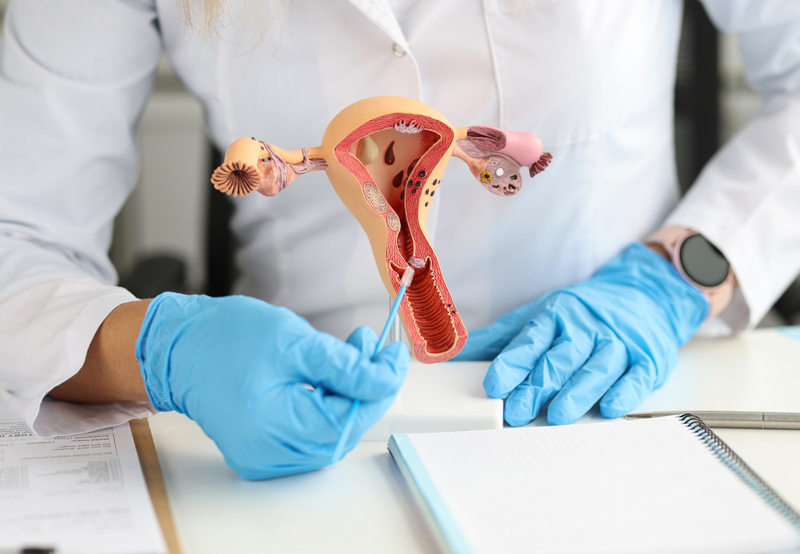
Clitoroplasty is a reconstructive or cosmetic surgical procedure involving the clitoral structure, performed for distinct clinical and anatomical indications. Clitoroplasty in Turkey is carried out within specialist gynaecological and reconstructive surgery settings, addressing a range of conditions that affect clitoral anatomy, function, or appearance.
The procedure is indicated for several clearly defined patient groups:
Women born with congenital adrenal hyperplasia (CAH), where androgen excess causes clitoral enlargement requiring surgical reduction to normalise external genitalia
Individuals who have experienced clitoral adhesions or phimosis, where fibrous tissue restricts the clitoral hood and reduces sensitivity or causes discomfort
Patients presenting with clitoral hypertrophy unrelated to hormonal conditions, where anatomical variation causes functional or psychological distress
Transgender women undergoing gender-affirming procedures, where clitoral construction forms part of vaginoplasty
Each patient group approaches clitoroplasty from a fundamentally different clinical starting point. For those with CAH, the goal is anatomical normalisation during childhood or adolescence. For adults with adhesions or hypertrophy, the procedure addresses acquired structural changes. The clinical objectives, surgical technique, and anatomical considerations differ substantially across these groups. Understanding this distinction is essential for accurate clinical assessment and appropriate surgical planning within a reconstructive pelvic surgery framework.
How Is Clitoroplasty Performed? A Look at the Surgical Process
The surgical process follows a structured sequence of steps, each designed to preserve neurovascular integrity while achieving the intended anatomical outcome.
General or regional anaesthesia is administered to ensure complete patient comfort throughout the procedure.
The surgical site is prepared with sterile technique, and precise anatomical landmarks are identified.
Incisions are carefully planned according to whether the procedure involves clitoral reduction or reconstruction.
In reduction procedures, excess erectile tissue is excised while the dorsal neurovascular bundle is meticulously preserved.
In reconstructive cases, available tissue — including urogenital or labial flaps — is mobilised and repositioned to form neoclitoral structures.
The glans is secured in its anatomical position using absorbable sutures.
Wound closure is completed in layers to minimise tension and support healing.
Among facilities performing clitoroplasty in Turkey, microsurgical techniques focused on sensory nerve preservation are consistently incorporated into both reduction and reconstruction protocols.
Several anatomical considerations guide the operative approach at every stage:
The dorsal clitoral nerve carries primary responsibility for erogenous sensation and receives particular attention during dissection.
Blood supply through the internal pudendal artery must remain uninterrupted to sustain tissue viability.
The clitoral body’s relationship to the pubic symphysis influences the depth and angle of incision planning.
In intersex-related procedures, the degree of virilisation directly determines the volume of tissue requiring modification.
The distinction between reduction and reconstruction procedures extends beyond tissue volume. Reconstruction demands a more complex flap design and frequently involves urethral repositioning, whereas reduction focuses primarily on precise debulking without compromising sensory pathways. Intraoperative assessment of tissue perfusion guides decisions about flap viability throughout the procedure.
Clitoroplasty in Gender-Affirming Surgery: What Sets It Apart?
Clitoroplasty within gender-affirming surgery carries distinct surgical objectives that differ significantly from reconstructive or cosmetic contexts. The anatomical priorities, nerve considerations, and functional outcomes vary depending on the patient’s transition pathway.
Clitoroplasty in Male-to-Female Gender-Affirming Surgery
In male-to-female (MTF) gender-affirming procedures, clitoroplasty focuses on constructing a neoclitoris using glans tissue from the existing anatomy. The surgical goal is to create a structure that is anatomically proportionate, aesthetically natural, and functionally responsive. Surgeons typically utilise the glans penis, which retains its neurovascular supply, to form the neoclitoris within the vulval complex.
Key considerations in MTF clitoroplasty include:
Dorsal neurovascular bundle preservation, which is central to achieving erogenous sensation postoperatively
Precise positioning of the neoclitoris within the clitoral hood to replicate natural anatomical relationships
Integration with vaginoplasty and labiaplasty to ensure overall structural coherence
Clitoroplasty in Female-to-Male Gender-Affirming Surgery
In female-to-male (FTM) procedures, clitoroplasty takes a markedly different approach. The objective is to enhance clitoral prominence using existing erectile tissue, most commonly following testosterone-induced hypertrophy. This approach preserves innervation rather than constructing new anatomy.
How FTM clitoroplasty differs from other forms of the procedure:
It does not involve tissue grafting or flap reconstruction in its standard form
The procedure releases the clitoral ligament to increase visible projection without compromising sensory nerve integrity
Outcomes are closely tied to the degree of hormonally induced tissue response prior to surgery
The anatomical complexity across both pathways reflects why gender-affirming clitoroplasty requires highly specialised surgical expertise in reconstructive pelvic surgery.
What Are the Real Risks of Clitoroplasty?
Like any surgical intervention involving sensitive neurovascular structures, clitoroplasty carries a defined set of risks that patients deserve to understand clearly. These risks are categorised into short-term and long-term complications.
Short-term risks following clitoroplasty include:
Postoperative bleeding or haematoma formation at the surgical site
Wound dehiscence or delayed healing due to tissue tension
Localised infection or cellulitis requiring antimicrobial treatment
Adverse reactions to anaesthesia, including respiratory or cardiovascular responses
Urinary retention or transient voiding dysfunction
Long-term complications present a distinct clinical profile and are often more complex to manage. Scar tissue formation, known as fibrosis, can restrict the range of tissue mobility and alter external anatomy. Nerve damage remains one of the most clinically significant long-term risks, potentially resulting in reduced erogenous sensitivity or persistent dysaesthesia. Clitoral adhesions, where the clitoral hood adheres abnormally to surrounding tissue, are also documented in long-term follow-up data.
The risk profile varies depending on the indication for surgery, as illustrated below.
Surgical Indication | Primary Risk Concerns | Sensitivity Outcomes |
|---|---|---|
Congenital adrenal hyperplasia | Scarring, hormonal imbalance | Variable; often reduced |
Clitoral phimosis / adhesions | Recurrence, fibrosis | Generally preserved |
Gender-affirming procedures | Necrosis, vascular compromise | Dependent on technique |
Clitoral hypertrophy (non-CAH) | Haematoma, asymmetry | Partially preserved |
Patients considering clitoroplasty in Turkey, as in any international setting, encounter these same anatomical and surgical variables. Informed consent must encompass a thorough discussion of both immediate and delayed complications to support realistic expectations of surgical outcomes.
Clitoroplasty Recovery: What the Healing Process Really Looks Like
Recovery from clitoroplasty follows a structured progression, and understanding each stage supports informed expectations throughout the healing period.
Days 1–3: Swelling, bruising, and localised discomfort are typical. Rest is essential, and wound dressings require regular monitoring.
Week 1–2: Perineal oedema begins to subside. Sitz baths and saline rinses maintain wound hygiene.
Weeks 3–6: Superficial tissue healing is largely complete. Sensation changes, including hypersensitivity or numbness, are frequently reported during this phase.
Months 3–6: Deeper tissue remodelling continues. Full sensory restoration varies considerably between individuals.
Physical activity and wound care carry specific requirements throughout recovery.
Avoid sexual activity and tampon use for a minimum of 6 weeks post-operatively
Refrain from strenuous exercise, cycling, or prolonged sitting during the initial 4–6 weeks
Wear loose, breathable clothing to reduce friction around the surgical site
Attend all scheduled follow-up appointments to monitor tissue healing and identify complications early
Recovery trajectories differ depending on the nature of the procedure performed. The table below illustrates key differences between reconstructive and aesthetic clitoroplasty recovery.
Recovery Factor | Reconstructive Clitoroplasty | Aesthetic Clitoroplasty |
|---|---|---|
Initial healing period | 4–8 weeks | 2–4 weeks |
Sensory recovery timeline | Up to 12 months | 3–6 months |
Complexity of wound care | Higher | Moderate |
Return to daily activities | 4–6 weeks | 2–3 weeks |
Clitoroplasty recovery is a gradual, multistage process in which tissue regeneration, sensory function, and wound integrity each follow distinct timelines. Consistent wound care and adherence to post-operative protocols remain central to achieving successful long-term outcomes.
Author: Dr. Oğuzhan Sağlam