
Pelvic organ prolapse represents a significant clinical challenge affecting numerous individuals worldwide. Cystocele, characterized by bladder descent into the vaginal canal, and rectocele, involving rectal wall herniation, frequently occur concurrently as manifestations of pelvic floor dysfunction. These conditions develop through progressive weakening of supportive tissues, often resulting from childbirth, chronic straining, or age-related degenerative changes. Women experiencing prolapse report varied symptoms ranging from vaginal bulging sensations to urinary incontinence and defecatory dysfunction, substantially impacting quality of life. Surgical intervention becomes necessary when conservative management fails to alleviate symptoms or when anatomical severity warrants correction. The repair procedures restore normal pelvic organ positioning through reinforcement of weakened fascial attachments and pelvic floor structures. Understanding the anatomical basis of these conditions, available surgical approaches, associated risks, and realistic recovery expectations enables patients to make informed decisions regarding treatment options. The postoperative period involves specific activity restrictions and tissue remodeling processes that directly influence functional outcomes and long-term success rates.
Why Is Rectocele Repair Done and What Does It Aim to Correct?
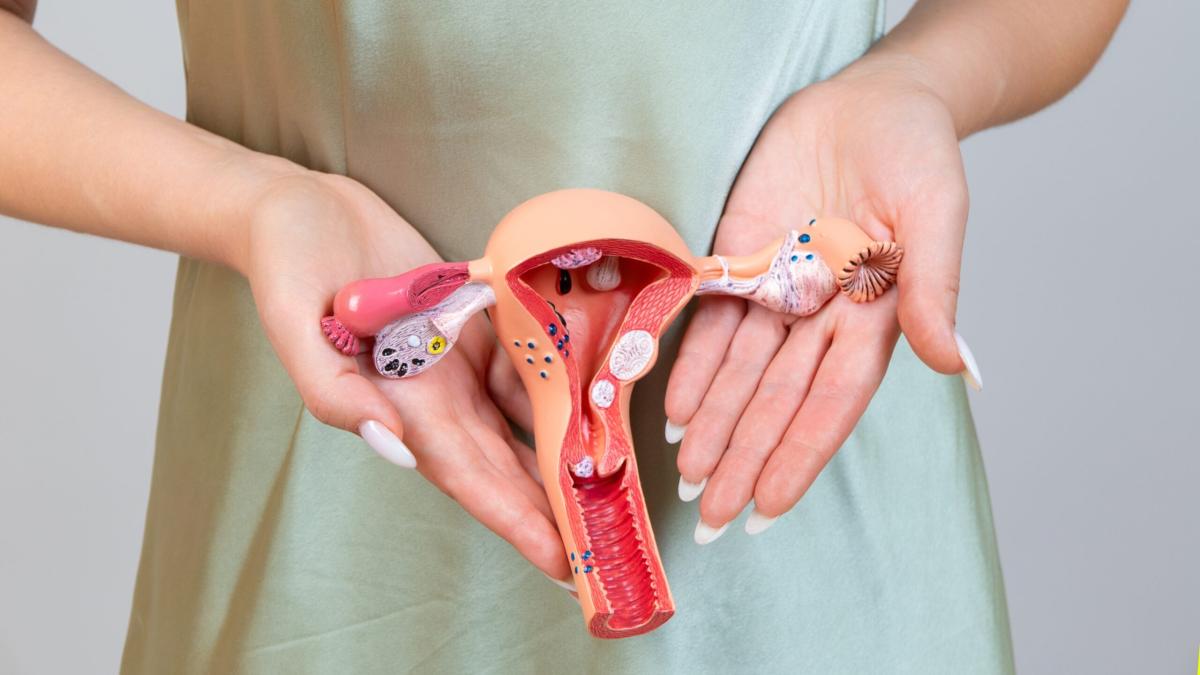
Rectocele repair addresses the posterior vaginal wall prolapse caused by weakened rectovaginal fascia, allowing the rectum to bulge into the vaginal canal. This structural failure disrupts both bowel function and pelvic floor integrity, making surgical correction necessary for affected patients.
The purpose of rectocele repair is to restore the anatomical boundary between the rectum and vagina. The surgery targets several distinct dysfunctions:
Incomplete bowel evacuation, where stool becomes trapped within the prolapsed pocket
Chronic pelvic pressure and a persistent sensation of rectal fullness
Splinting dependency, in which manual vaginal pressure is required to facilitate defecation
Posterior vaginal wall laxity contributing to pelvic organ instability
Reestablishing fascial support corrects the herniation and relieves associated obstructive defecation symptoms. Clinical evidence consistently demonstrates that surgical reinforcement of the rectovaginal septum produces measurable improvements in bowel function and quality of life.
What Does Cystocele and Rectocele Repair Surgery Actually Involve? A Guide to Cystocele and Rectocele Repair in Turkey
Cystocele and rectocele repair in Turkey encompasses a range of surgical techniques targeting prolapsed pelvic structures. Each approach is selected based on the anatomical extent of the prolapse and the patient’s overall pelvic floor condition.
Anterior and Posterior Vaginal Repair (Colporrhaphy) Techniques
Anterior and posterior vaginal repair, collectively termed colporrhaphy, addresses weakened fascial layers supporting the bladder and rectum. This pelvic floor repair operation restores structural integrity through tissue plication.
Anterior colporrhaphy reinforces the pubocervical fascia to correct bladder descent
Posterior colporrhaphy tightens the rectovaginal septum to reduce rectal bulging
Excess vaginal mucosa is trimmed and the epithelium is closed with absorbable sutures
Transvaginal Rectocele Repair Procedure
A posterior vaginal incision is made to access the rectovaginal space
The rectovaginal fascia is identified and plicated at the midline
Levator ani muscles are approximated to reinforce posterior support
The vaginal epithelium is sutured closed
This procedure for rectocele repair directly restores pelvic floor function by reconstructing the fascial barrier between the rectum and vagina.
Combined Repair of Cystocele, Rectocele, and Enterocele
When multiple compartments are affected, cystocele, rectocele, and enterocele repair addresses all defects within a single operative session. The enterocele sac is excised and the peritoneum is closed before anterior and posterior repair steps proceed.
The apical support structures are reattached to restore central compartment integrity
Anterior and posterior colporrhaphy steps are then completed sequentially
Can Cystocele and Rectocele Be Fixed in a Single Surgery?
Yes, cystocele and rectocele repair can be performed simultaneously in a single operative session. Combined pelvic floor reconstruction addresses anterior and posterior vaginal wall prolapse together, reducing overall surgical exposure.
Several clinical factors support this approach:
Cystocele and rectocele at the same time frequently share the same underlying fascial defects, making simultaneous repair anatomically logical
Patient fitness and prolapse severity determine whether combined surgery is appropriate
Single anaesthetic exposure lowers cumulative perioperative risk
Concurrent repair restores pelvic floor integrity more comprehensively than staged procedures
Cystocele and rectocele surgery at the same time is a well-established practice within urogynaecology. The decision involves thorough preoperative assessment, including urodynamic evaluation and imaging, to confirm that both defects warrant surgical correction during one procedure.
What to Expect When Cystocele and Rectocele Repair Is Combined with Hysterectomy
When anterior and posterior vaginal wall prolapse repairs are performed alongside hysterectomy, the combined procedure addresses pelvic floor dysfunction more comprehensively. Cystocele and rectocele repair with hysterectomy recovery time is generally longer than single-procedure recovery, as the body heals from simultaneous surgical corrections to multiple pelvic structures.
Key recovery milestones and post-operative expectations include:
Hospital stay typically lasts 2–3 days following the combined procedure
Pelvic rest, including avoidance of penetrative activity, is maintained for 6–8 weeks
Light walking is permitted within the first week to support circulation
Heavy lifting restrictions remain in place for a minimum of 6 weeks
Bladder and bowel function gradually normalise over several weeks
Full resumption of daily activities generally occurs between 8–12 weeks post-operatively
Follow-up pelvic assessments are scheduled at regular intervals during the convalescence period
Is Cystocele and Rectocele Repair Available in the UK and How Does It Work There?
In the UK, surgical options for pelvic organ prolapse, such as cystocele and rectocele repair, are accessible through both the National Health Service (NHS) and private healthcare pathways. The approach to management and access to these procedures are structured within established clinical guidelines. A patient’s journey typically begins with a General Practitioner (GP) who assesses the symptoms and initiates a referral to a specialist gynaecologist or urogynaecologist for a comprehensive evaluation. This process is fundamental to determining the appropriate course of action for each individual.
The system for care delivery includes several key stages:
Access Pathways: Patients can be referred via their GP for NHS treatment or can approach private providers directly.
Waiting Times: NHS waiting times for consultant-led treatment can be significant, with data showing waits from 9 to 18 months or longer in some trusts as of 2026. Private routes generally offer quicker scheduling.
Surgical Approach: Following extensive reviews, the standard surgical approach predominantly utilises native tissue repair. The use of vaginal mesh is now highly restricted and only considered in specialist centres after a multidisciplinary team review.
How Painful Is Cystocele and Rectocele Surgery and What Problems Can Follow?
Understanding pain levels and potential complications helps patients approach cystocele and rectocele surgery with realistic expectations. Both surgical outcomes and post-operative experiences vary based on individual anatomy and surgical technique.
Pain Levels and Management After Surgery
Most patients report moderate discomfort in the first two weeks following pelvic floor repair. Perineal soreness, pelvic pressure, and urinary sensitivity are commonly experienced during initial recovery.
Effective pain control typically involves:
Oral analgesics prescribed by the surgical team
Ice packs applied to the perineal area to reduce swelling
Rest and restricted physical activity to support tissue healing
Risks and Complications of Rectocele Repair
The risks of rectocele repair are well-documented and include:
Surgical site infection or wound dehiscence
Intraoperative or post-operative bleeding
Injury to adjacent pelvic structures
Recurrence of prolapse over time
Informed patients are better equipped to recognise early warning signs and seek timely clinical assessment.
Potential Problems After Rectocele Repair
Problems after rectocele repair surgery commonly reported include:
Persistent bowel dysfunction, such as incomplete evacuation
Dyspareunia affecting sexual function post-operatively
Incomplete resolution of original prolapse symptoms
These post-operative issues significantly influence long-term patient satisfaction and functional recovery outcomes.
How Long Does Recovery from Cystocele and Rectocele Repair Take?
Recovery time for cystocele and rectocele repair typically spans 6 to 12 weeks, depending on surgical complexity and individual healing. Patients undergoing cystocele and rectocele repair in Turkey and across major healthcare systems follow comparable postoperative protocols.
Key physical restrictions and activity limitations during recovery include:
Avoiding heavy lifting over 4–5 kg for at least six weeks
Refraining from penetrative intercourse for a minimum of six weeks
Sitting after rectocele surgery requires a supportive surface to reduce perineal pressure
Recovery from cystocele and rectocele repair progresses through distinct phases. The timeline below outlines expected healing milestones.
Days 1–7: Pelvic rest, catheter management, and wound monitoring
Weeks 2–4: Gradual return to light daily activities; pelvic discomfort diminishes progressively
Weeks 6–8: Most patients resume desk-based work; cystocele and rectocele surgery recovery time varies by procedure extent
Weeks 10–12: Full pelvic floor function assessed; return to unrestricted activity confirmed
Before and After Cystocele and Rectocele Surgery: What the Results Actually Look Like
Outcomes following pelvic floor reconstruction differ between individuals, yet consistent anatomical and functional improvements are well-documented across clinical practice. Patients pursuing cystocele and rectocele repair in Turkey report measurable changes in both structural restoration and daily quality of life.
Rectocele surgery before and after photos reviewed in clinical settings demonstrate clear anatomical correction of posterior vaginal wall prolapse. Similarly, cystocele surgery before and after evaluations confirm restored bladder positioning and improved urinary control. Rectocele repair before and after pictures reflect how fascial reinforcement re-establishes normal pelvic support structures.
Key outcomes patients observe following surgical correction include:
Restored vaginal wall contour with elimination of visible bulging tissue
Significant reduction in pelvic pressure and incomplete evacuation symptoms
Improved bladder function with reduced urinary frequency and urgency
Enhanced sexual comfort due to corrected anatomical relationships
Rectocele before and after surgery comparisons consistently confirm that structural realignment directly translates into functional relief, reinforcing the clinical value of timely surgical intervention.
Author: Dr. Oğuzhan Sağlam