
Highlights
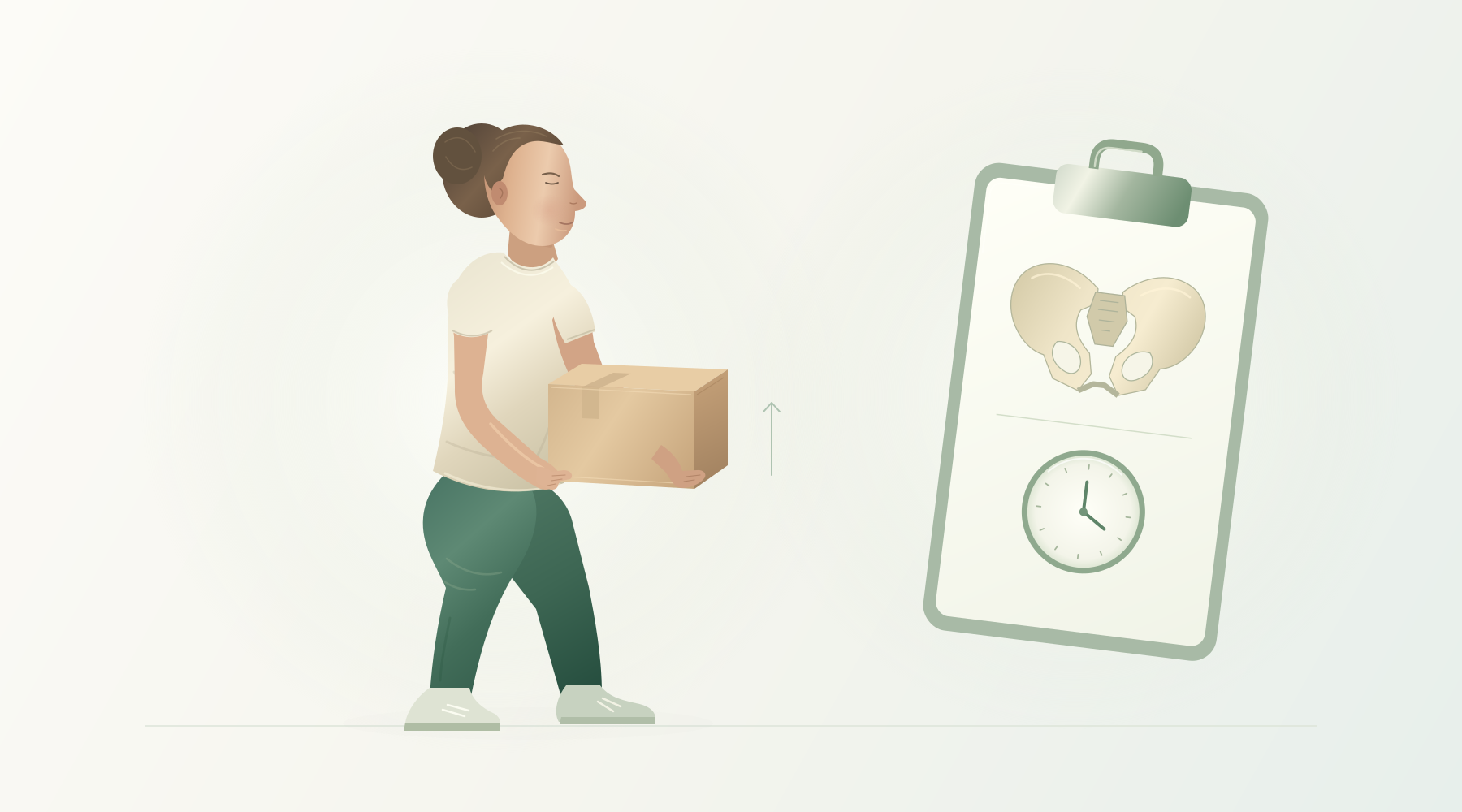
- Recovery timelines for lifting after pelvic organ prolapse surgery vary significantly based on the specific procedure, patient symptoms, and the surgeon's individual instructions.
- Traditional guidelines suggest avoiding heavy loads for four to six weeks to protect healing tissues, though recent clinical trials indicate that liberal activity based on comfort may not negatively impact outcomes.
- A gradual return to activity is recommended, typically starting with light essentials in the first weeks and progressing to more demanding exercise after approximately twelve weeks following clinical clearance.
Knowing when to resume lifting after pelvic organ prolapse surgery can make everyday tasks, childcare and returning to the gym feel uncertain. Many hospitals recommend avoiding heavy loads during early healing, but the exact advice varies by procedure and patient. Your own surgeon’s discharge instructions should always take priority.
Table of Contents
This guide explains why lifting advice differs, what research says about activity restrictions and how to plan a gradual return to normal movement without ignoring symptoms.
When is lifting after pelvic organ prolapse surgery safe?
There is no single safe lifting weight or universal clearance date for everyone who has had pelvic organ prolapse (POP) surgery. The type of repair matters, as do other procedures carried out at the same time, wound healing, pre-existing pelvic floor symptoms and the instructions of the operating team.
Traditional recovery guidance often asks patients to avoid heavy lifting for approximately four to six weeks, followed by a gradual increase in activity. For example, the Royal College of Obstetricians and Gynaecologists (RCOG) recommends restricting lifting to light loads, such as a one-litre bottle of water, during the first month and avoiding heavier tasks, including lifting children and vacuuming, until around four to six weeks after a pelvic floor repair.
Other programmes recommend a more cautious progression. North Bristol NHS Trust advises avoiding heavy loads for the first six weeks after prolapse surgery, gradually building activity between weeks six and twelve, and considering a return to higher-impact activities after around three months.
Importantly, newer trials question whether strict restrictions are always necessary for every uncomplicated repair. That evidence supports individualised decisions, not ignoring a specific surgeon’s instructions or attempting a heavy deadlift immediately after surgery.
Why are heavy lifting restrictions recommended?
Pelvic organ prolapse occurs when support for organs such as the bladder, uterus or rectum weakens, allowing them to descend towards the vaginal canal. Surgery aims to restore support or repair the affected tissues. Depending on the diagnosis, procedures may involve anterior vaginal wall repair, posterior repair, apical suspension or an abdominal/laparoscopic operation such as sacrocolpopexy.
Lifting a heavy object can raise pressure within the abdomen, especially when combined with breath-holding or straining. Traditional restrictions are intended to reduce stress on healing tissues and sutures while patients regain strength. However, the fact that pressure rises does not prove that every lift will disrupt a repair or lead to recurrence.
The American College of Obstetricians and Gynecologists (ACOG) advises avoiding vigorous exercise, heavy lifting and straining during the initial weeks of recovery. It also explains that the length of recovery varies according to the procedure performed.
It is useful to distinguish the early healing period from long-term activity: avoiding a full shopping bag for several weeks is not the same as needing lifelong restrictions on normal exercise or daily movement.
Typical lifting and exercise timeline after prolapse repair
The following table is an illustrative guide drawn from conservative UK recovery programmes. It is not an instruction to start an activity on a specific date; individual plans can be more or less restrictive.
| Recovery period | Commonly recommended activity | Lifting considerations |
|---|---|---|
| First 1–2 weeks | Gentle walking, short household activities and prescribed exercises | Usually light essentials only; avoid straining and heavy loads |
| Weeks 2–4 | Gradually longer walks and carefully paced daily tasks | Many programmes continue light-load restrictions |
| Weeks 4–6 | Increasing activity as recovery permits | Some patients may begin a gradual return after clinical advice; heavy tasks often still restricted |
| Weeks 6–12 | Progressive return to work, low-impact exercise and selected resistance activity | Increase loads gradually if cleared, with attention to symptoms and technique |
| After approximately 12 weeks | Some patients resume demanding exercise or sport | Individual clearance remains important, especially after complex repairs |
Recovery recommendations differ across hospitals and countries. If you underwent a combination of procedures, your restrictions may reflect the operation with the greatest healing requirements. A follow-up assessment is a better basis for progression than the calendar alone.
What does scientific research say about lifting restrictions?
For years, activity limits after prolapse surgery were largely based on surgical caution and expert opinion. More recently, clinical trials have tested whether more liberal activity advice actually leads to worse outcomes.
In a 2023 randomised clinical trial published in JAMA Surgery, 107 participants had complete follow-up after vaginal or laparoscopic apical prolapse surgery. Patients instructed to resume activity according to comfort had outcomes at three months that were not worse than those of patients following standard activity restrictions, based on the trial’s prespecified measures.
A systematic review of five randomised trials involving 434 patients reported similar short-term anatomical results between liberal and standard recovery instructions for reconstructive pelvic procedures; three trials concerned prolapse operations and two concerned sling surgery. Patient-reported outcomes sometimes favoured a more liberal approach.
These studies challenge the assumption that every normal movement threatens a prolapse repair. However, they do not establish that all types of surgery, all weightlifting intensities or all patients have identical risks. Trial participants were selected, follow-up periods were limited, and outcomes for specific high-load activities or complex repairs may not be adequately represented.
A separate randomised trial follow-up at one year also found no significant difference in anatomical and functional outcomes between liberal and restricted recovery advice. Decisions should therefore balance available evidence with the patient’s particular procedure, symptoms and surgeon’s assessment rather than automatically choosing the strictest or most permissive rule.
Does the type of prolapse surgery change the lifting advice?
Yes. Pelvic organ prolapse is not a single operation. Recovery following an anterior or posterior vaginal repair may differ from recovery after an abdominal procedure, and additional operations can change postoperative instructions.
Anterior repair for cystocele
An anterior vaginal wall repair supports tissue that has allowed the bladder to bulge towards the vagina. Patients may have stitches in the vaginal wall and receive specific guidance on avoiding strain, constipation and demanding household activities while healing. See our guide to when a cystocele may require surgery.
Posterior repair for rectocele
Posterior repair addresses support problems involving the back wall of the vagina. Avoiding constipation and forceful bowel movements is particularly relevant, because straining can be uncomfortable and may affect healing. Our cystocele and rectocele repair guide explains these procedures in more detail.
Apical prolapse repair and sacrocolpopexy
Apical repairs support the upper vagina or uterus. They may be performed vaginally, laparoscopically or through an abdominal approach. Differences in incisions, sutures, use of mesh where appropriate, and any simultaneous hysterectomy can all affect recovery instructions.
For instance, the 2023 randomised trial concerned selected patients having vaginal or laparoscopic apical reconstructive surgery. It should not be applied without consideration to someone with a complicated postoperative course or a substantially different operation.
Prolapse repair combined with a hysterectomy or sling
If prolapse surgery is accompanied by removal of the uterus, an incontinence sling or other repairs, the treating team should explain which restrictions apply. Surgery for stress urinary incontinence and surgery for pelvic organ prolapse have different purposes, even when performed together.
Can I lift my child or grandchild after prolapse surgery?
Childcare is one of the most common practical concerns. Picking up a child from the floor, carrying them on one hip or repeatedly lifting them into a cot may involve more strain than moving a small household item.
The RCOG advises avoiding lifting children during the first four to six weeks following pelvic floor repair and suggests getting down to a child’s level instead of lifting them where possible. Planning help with childcare, shopping and household tasks before surgery can reduce pressure to exceed your discharge advice.
If you are the sole caregiver, explain that during your preoperative consultation. Ask for practical guidance tailored to the child’s weight, your available support and the type of procedure. There is no responsible way to give a universal child-weight limit without knowing your surgery and recovery.
When your team permits lifting again, practise with lighter objects first and ask a pelvic health physiotherapist about safe technique if necessary. Stop or reduce activity if it causes new heaviness, pain or increased bleeding, and report persistent symptoms.
When can I lift shopping bags, laundry or a vacuum cleaner?
Everyday tasks can involve unexpectedly heavy or repeated effort. Full shopping bags, wet laundry baskets, moving furniture, carrying luggage and pushing a heavy vacuum cleaner may require substantial abdominal bracing.
During the early recovery period, conservative programmes recommend small loads and breaking chores into shorter activities. Consider using grocery delivery, carrying smaller bags and arranging someone else to move heavy items.
RCOG explicitly includes strenuous housework such as vacuuming among activities to delay for roughly four to six weeks after an uncomplicated pelvic floor repair. However, not every home task has the same physical demands, and the restriction may differ after your particular surgery.
Be mindful of repetitive lifting as well as a single heavy item. A task involving dozens of trips up and down stairs with groceries can be demanding even when each individual bag is modest.
When can I return to the gym and lift weights?
The return to resistance training should be progressive. A person who exercised regularly before surgery may be comfortable walking or performing gentle movements relatively early, but high-load squats, deadlifts, weighted leg presses and intense abdominal exercises deserve a specific discussion with the surgical team.
Some NHS physiotherapy guidance advises low-impact activities around six weeks and a gradual return to more demanding activity over the following weeks, with high-impact sport often delayed until around twelve weeks. These are examples of clinical pathways, not a scientifically proven deadline for every exercise.
A useful staged approach, once cleared, is to begin with light resistance, practise breathing and posture, and increase one variable at a time. Your physiotherapist may suggest modifications based on pelvic floor function and any sensation of pressure or bulging.
If an exercise triggers persistent pelvic heaviness, new urinary symptoms, pain or vaginal bleeding, stop and ask for advice. A painless session does not guarantee that every heavier load is appropriate, especially before your postoperative assessment.
How should you breathe and brace when lifting?
Many patients instinctively hold their breath while lifting a heavy object. This can sharply increase abdominal pressure. During recovery, a pelvic health physiotherapist may encourage controlled breathing, exhaling during the effort and using a comfortable pelvic floor contraction when appropriate.
RCOG describes keeping an object close to the body, bending the knees, maintaining a controlled posture and coordinating the pelvic floor and abdominal muscles during lifting. Rather than trying to rigidly brace as hard as possible, the goal is efficient movement without unnecessary straining.
The best technique depends on your ability, existing symptoms and the weight involved. Ask for individual instruction if you have longstanding pelvic floor weakness, difficulty relaxing the muscles or discomfort during exercises.
Can lifting cause pelvic organ prolapse to return?
Prolapse can recur after surgery, but recurrence has multiple possible contributors, including underlying tissue support, age, childbirth history, chronic constipation, increased abdominal pressure and characteristics of the initial prolapse. It is not usually possible to attribute a recurrence to one routine movement.
The NHS patient guide to pelvic organ prolapse recommends avoiding activities that place excessive strain on the pelvic floor, managing constipation, maintaining a healthy weight and practising appropriate pelvic floor exercises. These measures can support general pelvic health.
At the same time, the randomised studies of more liberal postoperative activity did not show worse short-term anatomical results in the studied groups. This means clinicians should avoid implying that one lift will inevitably undo surgery or that patients need to fear everyday movement permanently.
When deciding whether to resume demanding exercise, consider how your body responds and what your surgeon found during the operation. A recurrence risk assessment is more individual than a blanket “never lift over five kilograms” rule.
Why constipation and coughing matter during recovery
Straining on the toilet can create repeated pressure through the pelvic floor. Constipation is common after surgery because of changes in activity, diet, hydration and some pain medicines. Managing bowel habits is therefore a practical part of prolapse repair aftercare.
Follow your team’s advice about fluids, suitable fibre intake, movement and any prescribed stool-softening medication. Try to avoid holding your breath and forcefully pushing during bowel movements. If you develop persistent constipation or difficulty passing stool, ask your clinician rather than using treatments without checking that they suit your recovery.
Longstanding cough and smoking-related respiratory symptoms can also put pressure on the pelvic floor. Discuss persistent coughing, smoking cessation and any medical concerns with your usual healthcare professional.
Pelvic floor recovery does not rely exclusively on lifting limits. A supportive daily routine can help patients remain active while avoiding unnecessary strain.
What symptoms mean you should slow down or seek help?
Some tenderness, fatigue, mild bleeding or discharge may occur during recovery, depending on the operation. Your own discharge documentation should explain what to expect and when to contact the surgical team.
Get medical advice if you develop new or increasing vaginal bulging, worsening pelvic heaviness, persistent pain, unexpected bleeding, difficulty passing urine, or significant constipation. These symptoms do not necessarily mean the repair has failed, but they deserve an individual assessment.
Contact the clinical team promptly for fever, worsening abdominal pain, foul-smelling discharge, a wound problem or difficulty emptying the bladder. Seek emergency care for sudden chest pain, breathlessness, fainting or significant one-sided leg swelling, which can be symptoms of a blood clot or other serious complication.
Do not test the strength of a healing repair by repeatedly lifting a heavy object to see whether it hurts. Use a planned progression and professional advice instead.
Questions to ask before returning to heavy lifting
Before discharge or at your follow-up appointment, ask your surgeon or pelvic health physiotherapist questions that relate to the actual tasks you need to do:
- Which prolapse repairs were performed, and did I have any additional procedures?
- Are there specific weight limits or restrictions during the first few weeks?
- When can I lift a child, push a vacuum cleaner or carry shopping bags?
- When should I return to resistance training, running or demanding work?
- What symptoms should make me stop or reduce an activity?
- Would pelvic floor physiotherapy help me rebuild strength and confidence?
- How does my own risk of recurrent prolapse affect long-term activity advice?
Ask for instructions in writing when possible, particularly if you will travel, resume a physically demanding job or return to childcare without much assistance.
CK Health Turkey: planning recovery after pelvic surgery
CK Health Turkey in Antalya supports international patients exploring gynaecological and genital aesthetic treatment options in Turkey. If you are considering surgery for pelvic organ prolapse, the recovery discussion should include your work, family responsibilities, exercise habits, existing symptoms and any planned travel.
The treating clinician must determine the appropriate procedure and explain the expected healing period, follow-up needs and individual activity restrictions. A patient coordinator can help clarify the consultation and treatment journey, while decisions about when to lift, exercise or return to heavy work should come from the qualified clinical team.
For more information about available consultations and personalised care planning, contact CK Health Turkey.
Ultimately, lifting after pelvic organ prolapse surgery should be guided by the procedure you had, how you are healing and the advice of your surgical team. Conservative guidance often limits heavy lifting for several early weeks, while emerging research supports a more flexible return to activity for some patients. A gradual, symptom-aware plan offers a practical way to regain independence and confidence without relying on rigid rules that may not fit your recovery.