
Perineoplasty represents a surgical intervention addressing structural changes to the perineal tissues. These changes frequently occur following childbirth or result from physical trauma. The procedure aims to restore anatomical integrity and functional capacity to the pelvic floor region. Women considering perineoplasty often experience discomfort during intercourse or report concerns about tissue laxity affecting their quality of life. Beyond aesthetic considerations, this surgical approach demonstrates measurable benefits in restoring pelvic floor function and alleviating symptoms associated with vaginal tissue damage. The procedure involves precise surgical techniques to repair and reconstruct affected tissues, requiring specialized expertise. Understanding perineoplasty requires examining multiple dimensions simultaneously: the surgical methodology employed, the physiological outcomes patients experience, and the realistic recovery timeline following intervention. Research indicates varying effectiveness rates depending on individual circumstances and surgical approach utilized. Potential risks exist alongside benefits, necessitating informed decision-making. Recovery expectations differ significantly among patients, influenced by tissue condition and healing capacity. This comprehensive evaluation enables individuals to make evidence-based choices regarding their pelvic health and personal well-being.
Perineoplasty vs Vaginoplasty: Which Procedure Is Right for You?
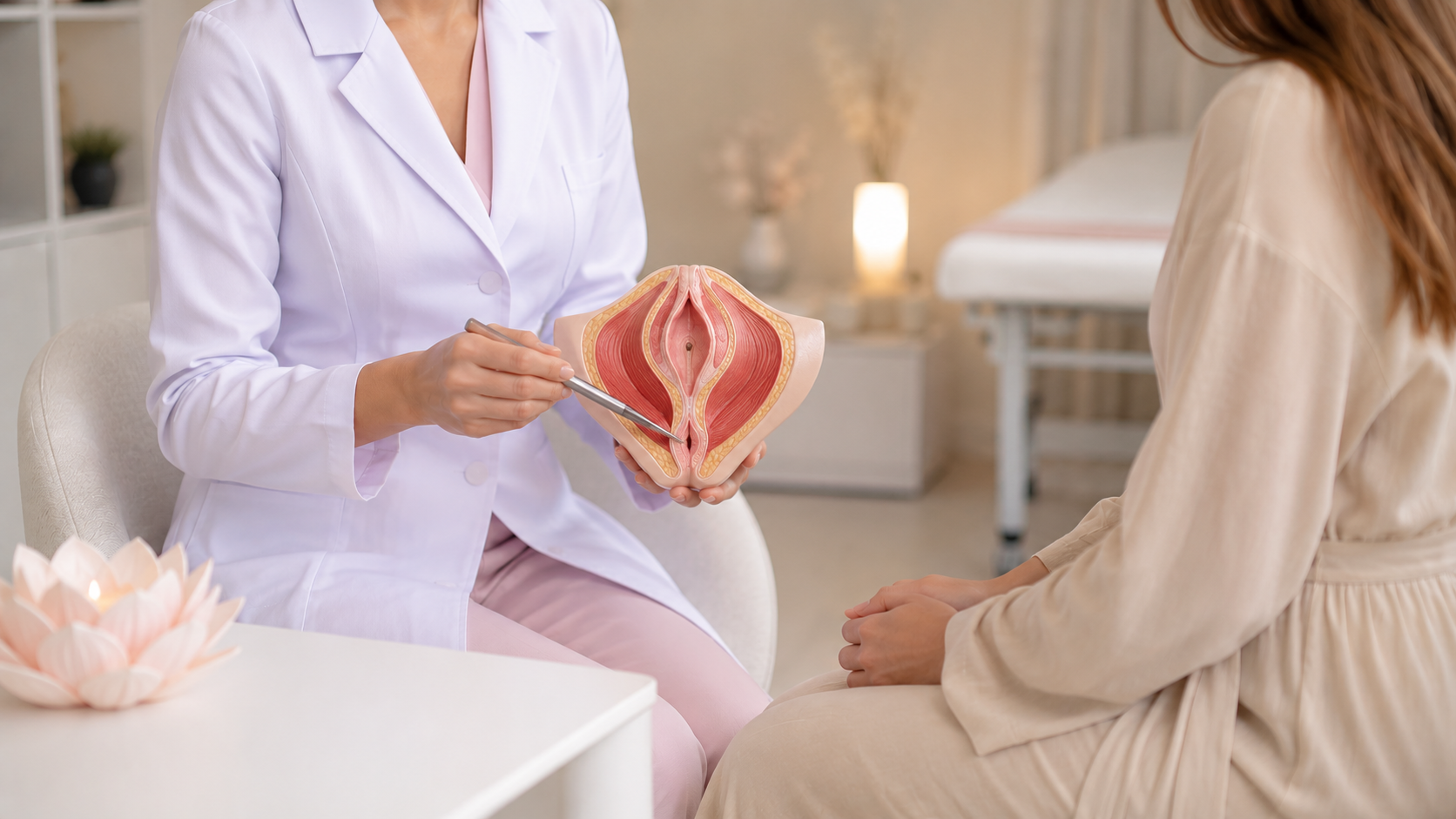
Perineoplasty is a surgical procedure that targets the perineum — the region between the vaginal opening and the anus. It addresses structural irregularities, excess tissue, and functional concerns in this specific anatomical zone. Perineorrhaphy, often used interchangeably with perineoplasty, refers more precisely to the suturing and repair of perineal muscles and connective tissue, particularly following childbirth-related trauma. Vaginoplasty, by contrast, is a broader reconstructive procedure focused on tightening the vaginal canal itself, restoring muscular tone, and correcting laxity that develops due to ageing or repeated vaginal deliveries. Among patients exploring these options internationally, perineoplasty in Turkey has gained significant attention due to the availability of specialised cosmetic gynaecology services.
Each procedure addresses distinct anatomical concerns. Understanding the functional indications for each helps patients engage more meaningfully with their clinical consultations.
Perineoplasty and perineorrhaphy are indicated for the following concerns:
Visible scarring or irregular tissue at the vaginal entrance following episiotomy or perineal tears
Widening or distortion of the vaginal opening that causes discomfort during physical activity
Reduced sensation or structural asymmetry at the perineal region
Chronic discomfort or irritation localised to the perineum
Vaginoplasty, on the other hand, addresses a different set of functional and anatomical concerns:
Vaginal laxity affecting sensation during intercourse due to overstretched vaginal walls
Weakened pelvic floor musculature contributing to reduced internal support
Excess mucosal tissue within the vaginal canal causing discomfort or hygiene difficulties
Structural changes resulting from multiple vaginal deliveries or significant hormonal shifts
The distinction between these procedures is clinically important. Perineoplasty focuses exclusively on the external perineal region, while vaginoplasty involves internal vaginal reconstruction. In many cases, both procedures are performed together when a patient presents with concurrent internal laxity and external perineal irregularities. This combined approach allows comprehensive restoration of both anatomical zones within a single surgical session.
The table below provides a structured comparison of perineoplasty, perineorrhaphy, and vaginoplasty across several clinical parameters.
Parameter | Perineoplasty / Perineorrhaphy | Vaginoplasty |
|---|---|---|
Anatomical Target | Perineum and vaginal entrance | Vaginal canal and internal walls |
Primary Concern Addressed | Perineal scarring, widening, asymmetry | Vaginal laxity, internal looseness |
Surgical Scope | External, localised | Internal, broader |
Common Indication | Post-delivery perineal damage | Vaginal relaxation syndrome |
Anaesthesia Type | Local or general | General |
Recovery Period | 4–6 weeks | 6–8 weeks |
Can Be Combined | Yes, with vaginoplasty | Yes, with perineoplasty |
Primary Functional Benefit | Restored perineal structure and comfort | Improved vaginal tone and sensation |
Typical Candidate | Patients with external perineal changes | Patients with internal vaginal laxity |
Assessing candidacy for either procedure involves a thorough pelvic examination and a detailed review of obstetric history, symptom duration, and overall pelvic floor function. Surgeons typically evaluate tissue quality, degree of laxity, and the specific anatomical location of concern before determining the procedural scope. Perineorrhaphy, in particular, requires precise layered repair of the bulbocavernosus and transverse perineal muscles to restore functional integrity. When these deeper muscular layers are not adequately addressed, superficial tissue repair alone produces limited long-term outcomes. Vaginoplasty, by contrast, involves posterior colporrhaphy techniques targeting the pubococcygeus and levator ani muscle groups, which form the structural core of vaginal support.
Perineoplasty Before and After: What Does the Transformation Actually Look Like?
The perineal region, located between the vaginal opening and the anus, undergoes significant structural changes due to childbirth, ageing, or chronic tissue strain. In patients presenting for perineoplasty, the perineum commonly displays visible laxity, irregular scar tissue from previous episiotomies, and a loss of structural integrity. Female perineum loose skin is one of the most frequently reported concerns, often accompanied by reduced vaginal tone, persistent discomfort during physical activity, and diminished sensation. These changes are not merely cosmetic; they affect pelvic floor function and overall quality of life in measurable ways.
From a surgical standpoint, perineoplasty addresses these concerns through the precise excision of excess or damaged tissue, followed by structured muscular repair and layered closure. Our clinical experience shows that patients consistently underestimate how significant the functional restoration can be alongside the aesthetic improvement.
The physical and functional improvements observed following perineoplasty before and after recovery are well-documented across peer-reviewed literature. Key outcomes include:
Visibly firmer and more symmetrical perineal architecture
Reduction in the appearance of scarring from obstetric trauma
Restored vaginal introitus tone, improving both comfort and function
Resolution of chronic irritation caused by female perineum loose skin
Improved pelvic floor muscle coordination
These improvements do not manifest uniformly or immediately. The timeline of recovery and the progression of visible results follow a structured pattern.
Understanding how results develop over time helps patients maintain realistic expectations. The perineoplasty before after transformation unfolds across distinct phases:
Weeks 1–2: Initial swelling and bruising are present; the structural repair is in its early healing phase.
Weeks 3–6: Oedema resolves substantially; tissue contours begin to stabilise and become more defined.
Months 2–3: Scar maturation progresses; functional improvements such as improved muscle tone become apparent.
Months 4–6: Final aesthetic outcomes are largely visible; perineal symmetry and firmness are fully established.
Several variables directly influence how complete and durable the final outcome will be. Patients who pursue perineoplasty in Turkey often benefit from internationally trained surgical teams with significant procedural volume, which contributes to consistent post-operative results. However, outcomes across all settings are shaped by the following factors:
The degree of pre-existing tissue damage or scarring
Patient adherence to post-operative rehabilitation protocols, including pelvic floor physiotherapy
Hormonal status at the time of surgery, particularly in perimenopausal patients
Surgical technique precision during tissue excision and muscular plication
Individual tissue healing capacity and collagen remodelling rate
The perineoplasty before and after transformation is not a singular event but a progressive biological process rooted in tissue repair physiology. Histological studies confirm that collagen remodelling in the perineal region continues for up to 12 months post-operatively, meaning that what patients observe at three months is not the ceiling of improvement. Longitudinal patient data consistently demonstrates that those who complete structured pelvic floor rehabilitation achieve measurably superior functional outcomes compared to those who do not.
Perineoplasty in Turkey
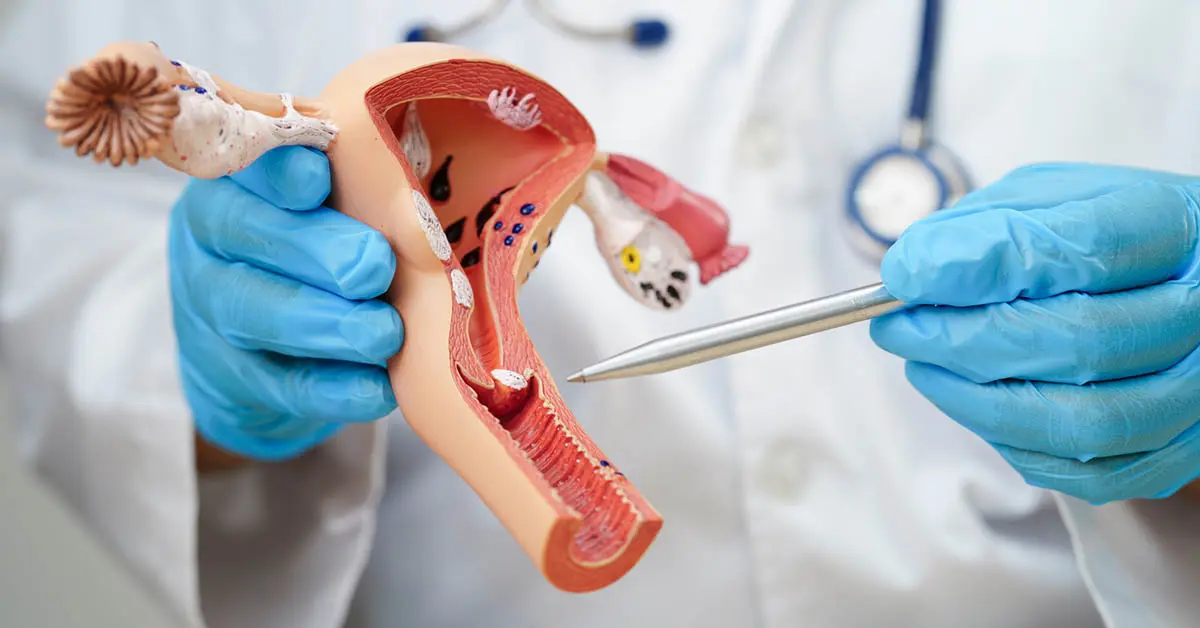
Perineoplasty is a surgical procedure designed to repair and reconstruct the perineum, the area between the vaginal opening and the anus. This procedure is often sought by individuals who have experienced trauma to this region, most commonly due to childbirth, which can lead to stretching, tearing, or scarring of the perineal muscles and skin. The objective of the surgery is to restore the structural integrity and function of the perineum. The intervention addresses both the superficial tissues and the underlying musculature to achieve a comprehensive reconstruction. Based on our collective experience, a thorough initial consultation is a critical first step where the surgeon assesses the patient’s anatomical condition and discusses the procedural goals.
The surgical process for perineoplasty is meticulous. Typically, the procedure lasts between 30 to 60 minutes, although the duration can extend up to two hours depending on the complexity of the required repair and whether it is performed in conjunction with other gynecological procedures. It can be carried out under various forms of anaesthesia, including local anaesthesia, sedation, or general anaesthesia. The choice of anaesthesia is determined based on the patient’s medical profile and comfort, with sedation being a common preference. In most cases, patients are able to return home on the same day as the surgery, beginning their recovery in a familiar environment.
A structured recovery period is essential for optimal healing following perineoplasty. The full recovery timeline generally spans about four to six weeks. This process can be understood in distinct phases.
Initial Recovery (Days 1-7): During the first week, patients typically experience mild discomfort, soreness, and swelling. These symptoms are manageable with prescribed medication and the application of ice packs. Light activities, such as short walks, are encouraged from the first day to promote circulation. Meticulous hygiene, involving rinsing the area with warm water after using the toilet and gently patting it dry, is crucial to prevent infection.
Intermediate Phase (Weeks 2-4): By this stage, most individuals report a significant reduction in discomfort and can often return to non-strenuous work. Itching and the presence of small, firm areas along the incision line are normal parts of the healing process. It is important to avoid activities that place strain on the healing tissues, such as heavy lifting, intense exercise, and swimming.
Final Healing (Weeks 4-6): The scar tissue begins to soften and mature. Gentle pelvic floor exercises may be initiated once comfort allows. Sexual intercourse should be avoided for a minimum of six weeks, pending confirmation from a clinician that healing is complete.
While perineoplasty is a generally safe procedure when performed by a qualified surgeon, it is important to be aware of potential risks. Understanding these possibilities is a key part of the informed consent process.
Infection and Bleeding: As with any surgery, there is a risk of infection at the surgical site or postoperative bleeding.
Scarring and Sensation: The formation of scar tissue is a natural part of healing, but in some cases, it may be more pronounced than desired. Changes in sensation in the perineal area can also occur.
Functional Outcomes: There is a possibility that the vaginal opening may not be as tight as anticipated or, conversely, may become too tight, potentially causing discomfort.
Healing Complications: Complications such as dyspareunia (painful intercourse) or the recurrence of original symptoms may arise, though they are not common.
A comprehensive discussion of these risks with the surgeon during the consultation ensures that the patient has a clear and realistic understanding of the procedure and its potential outcomes.
Author: Dr. Oğuzhan Sağlam