
Vaginoplasty represents a diverse surgical field addressing multiple clinical and personal objectives. Reconstructive procedures restore functional anatomy following trauma, congenital conditions, or medical complications. Cosmetic interventions enhance aesthetic appearance according to individual preferences and anatomical concerns. Gender-affirming vaginoplasty creates functional vaginal structures for transgender women, reflecting advances in surgical technique and patient-centered care. Each approach employs distinct methodologies, ranging from tissue grafting and flap procedures to minimally invasive techniques. The procedures carry specific recovery timelines, ranging from several weeks to several months depending on complexity and individual healing response. Clinical outcomes vary significantly based on surgical method, surgeon expertise, and post-operative care adherence. Understanding these distinctions requires examining how surgical planning differs across applications, what physiological changes occur during recovery, and how patients experience functional and psychological outcomes. These factors collectively influence decision-making for individuals considering vaginoplasty, whether for reconstructive necessity, aesthetic preference, or gender transition. The field continues evolving with improved techniques enhancing both safety and satisfaction rates.
What Is Vaginoplasty and What Does It Actually Involve?

Vaginoplasty is a surgical procedure that addresses the structural, functional, or aesthetic characteristics of the vagina. The vaginoplasty meaning extends beyond cosmetic refinement; it encompasses a clinically defined range of interventions performed for distinct medical purposes. Our collective clinical experience confirms that understanding these distinctions is fundamental to informed patient decision-making.
Vaginoplasty for women is broadly categorised into three primary types based on surgical intent:
Reconstructive vaginoplasty addresses congenital conditions, trauma, or disease-related vaginal absence and structural abnormality
Cosmetic vaginoplasty, also referred to as aesthetic genital plastic surgery vaginoplasty, targets appearance-related concerns and tissue laxity resulting from childbirth or ageing
Gender-affirming vaginoplasty is performed as part of gender-confirming surgical care for transfeminine individuals
The types of vaginoplasty procedures differ significantly in their clinical indication, anatomical scope, and patient population. Reconstructive cases often involve complex tissue management, whereas cosmetic interventions focus on perineal and vaginal canal refinement. Each category requires a tailored surgical plan developed through thorough preoperative assessment.
Vaginoplasty in Turkey has become a recognised option within international reconstructive and aesthetic gynaecological surgery. The range of vaginoplasty types available reflects the breadth of this surgical field, spanning medically necessary reconstruction to elective aesthetic refinement.
Vaginal Tightening Surgery: What It Does and How It Works
Vaginal tightening surgery addresses both functional and aesthetic concerns related to vaginal laxity. The procedure targets the perineal muscles, vaginal mucosa, and surrounding connective tissues to restore structural integrity and improve sensation.
Patients seek this procedure for a range of well-documented clinical reasons:
Reduced muscle tone following childbirth or significant weight changes
Decreased sensation during intercourse affecting quality of life
Discomfort associated with pelvic floor weakness
Aesthetic dissatisfaction with the external vaginal appearance
The surgery distinguishes between reconstructive approaches, which address functional impairment, and cosmetic vaginoplasty, which focuses on aesthetic refinement. Vaginoplasty in Turkey is increasingly pursued by international patients seeking high-standard genitourinary reconstructive care.
The anatomical structures involved include the pubococcygeus muscle, vaginal epithelium, and posterior perineal body. Surgeons performing vaginoplasty tighten the vagina by excising excess mucosal tissue and reapproximating the underlying musculofascial layers with precision suturing techniques.
Outcomes following vaginal tightening surgery typically include improved muscular tone, enhanced functional symmetry, and restored tissue support. Vaginoplasty in Turkey is performed under established reconstructive protocols that align with international genitourinary surgical standards.
Gender-Affirming Vaginoplasty: Transfeminine Surgery and Neovagina Creation
Gender-affirming vaginoplasty represents one of the most clinically significant procedures within genitourinary reconstructive surgery. The following sections outline the key dimensions of this surgery, from its affirming goals to its anatomical scope.
Transfeminine Vaginoplasty as a Gender-Affirming Procedure
Transfeminine vaginoplasty for gender affirmation is a surgical procedure performed for transgender women and non-binary individuals assigned male at birth. Its primary goal is the alignment of physical anatomy with gender identity, addressing gender dysphoria through surgical intervention. Collective clinical experience confirms that this procedure produces meaningful improvements in psychological well-being and quality of life. Vaginoplasty in Turkey is increasingly sought by transfeminine patients due to the availability of experienced reconstructive surgical teams.
Neovagina Creation: Anatomical and Surgical Aspects
Neovagina creation involves constructing a functional vaginal canal and external genitalia using existing genital tissue. The penile inversion technique remains the most widely employed method, utilising penile and scrotal skin to form the vaginal lining. Peritoneal pull-through and intestinal vaginoplasty represent alternative approaches used in specific anatomical contexts. Vaginoplasty in Turkey is performed using these established techniques within accredited reconstructive surgery settings.
How Gender-Affirming Vaginoplasty Differs from Other Types
Vaginoplasty for gender reassignment differs fundamentally from reconstructive or cosmetic vaginoplasty in its surgical objectives and patient population. Reconstructive procedures typically address congenital conditions or trauma, while cosmetic vaginoplasty targets aesthetic concerns in cisgender patients. Gender-affirming surgery, by contrast, involves comprehensive anatomical reconstruction, including clitoroplasty, labiaplasty, and urethral repositioning. The surgical complexity of transfeminine vaginoplasty therefore exceeds that of most other vaginal surgical procedures.
How Is Vaginoplasty Performed: Surgical Techniques and Procedure Steps
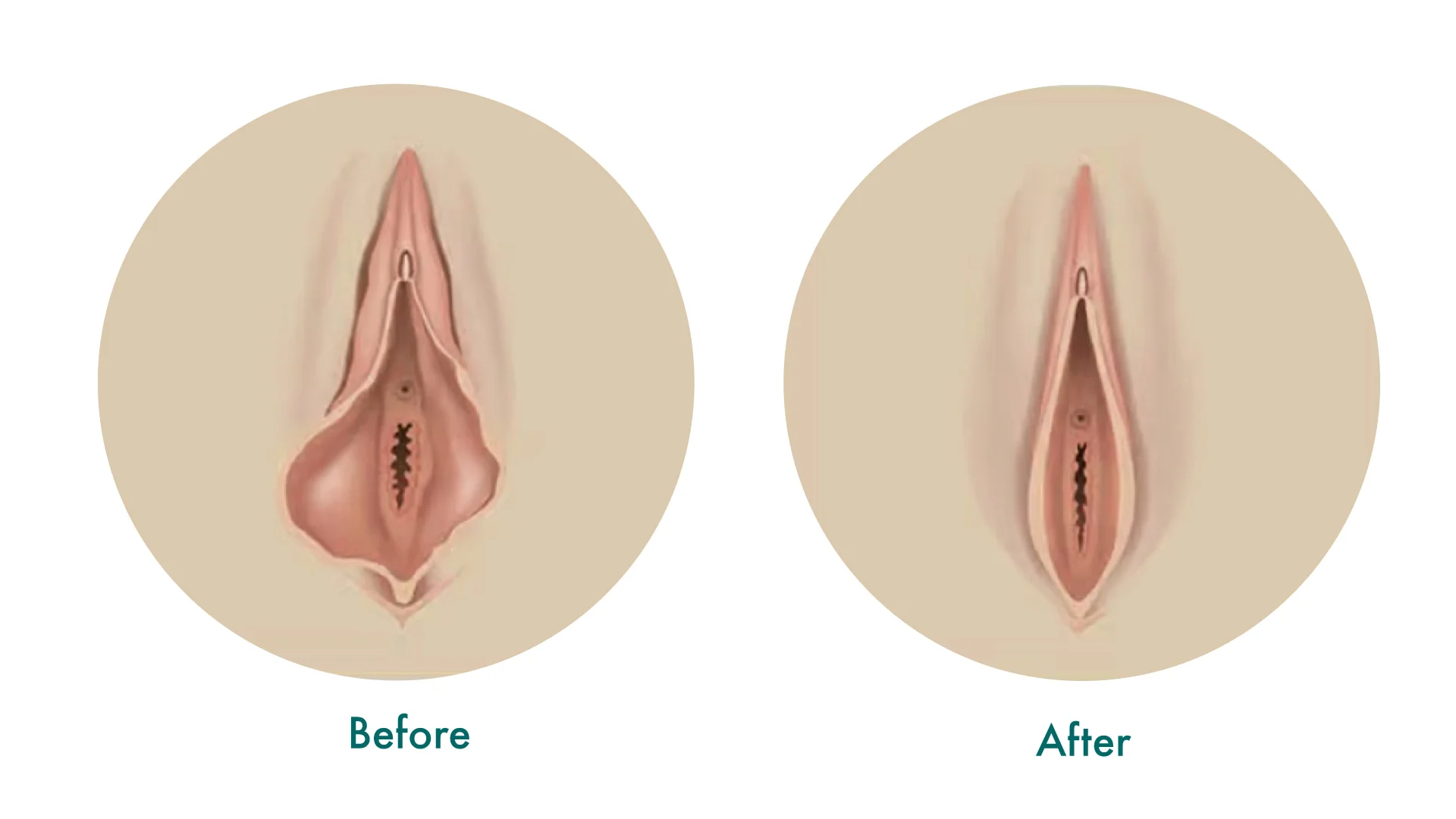
The vaginoplasty surgical procedure follows a structured, staged approach that addresses both anatomical restoration and functional outcomes. Surgeons performing reconstructive vaginal surgery begin with a thorough preoperative assessment, including pelvic floor evaluation and tissue mapping.
The general procedure for vaginoplasty unfolds in the following sequence:
Anaesthesia is administered, typically general or regional, depending on the extent of surgical intervention required.
Excess vaginal mucosa is identified and precisely excised to reduce laxity within the vaginal canal.
The underlying pubococcygeus and levator ani muscles are approximated using absorbable sutures to restore structural integrity.
Vaginal muscle repair surgery addresses weakened tissue layers, reinforcing the posterior and anterior vaginal walls where necessary.
The mucosal edges are sutured in layers to achieve a smooth, functional result consistent with vaginoplasty procedure details.
Vaginoplasty in Turkey is performed according to internationally recognised surgical protocols, with many patients seeking this procedure for its high procedural standards and experienced surgical teams.
Perineoplasty is frequently incorporated into the vaginoplasty procedure, and its role warrants specific attention:
It reconstructs the perineal body, the fibromuscular tissue between the vaginal opening and the anus.
It corrects perineal scarring, asymmetry, or laxity resulting from childbirth or previous procedures.
Combined vaginoplasty and perineoplasty improves both anatomical support and the aesthetic contour of the vaginal introitus.
Vaginoplasty in Turkey attracts patients who require comprehensive pelvic reconstructive procedures, as how vaginoplasty is performed directly influences long-term functional recovery and tissue healing outcomes.
Vaginoplasty Recovery Time, Side Effects, and What to Expect After Surgery
Recovery following vaginoplasty typically spans six to eight weeks for initial healing, though full tissue maturation extends to twelve months. Patients undergoing vaginoplasty in Turkey receive structured postoperative protocols aligned with international clinical standards, ensuring measurable recovery milestones.
Common side effects and recovery considerations include:
Localised swelling, bruising, and perineal discomfort during the first two weeks
Temporary urinary changes, including mild dysuria or altered stream
Vaginal discharge as mucosal tissue heals and epithelialises
Reduced sensation or heightened sensitivity in the reconstructed area during early recovery
These physiological responses are well-documented in peer-reviewed reconstructive literature and resolve progressively with appropriate wound care and monitored rest.
Understanding both the risks and benefits of vaginoplasty supports informed clinical decision-making. Patients who undergo vaginoplasty in Turkey benefit from comprehensive preoperative counselling that addresses these factors directly.
Key clinical outcomes and associated risks include:
Improved anatomical function and structural integrity following vaginal reconstructive procedures
Potential complications such as wound dehiscence, haematoma formation, or granulation tissue development
Low but documented rates of introital stenosis requiring follow-up intervention
Enhanced patient-reported quality of life measures at the six-month postoperative assessment
Adherence to clinician-directed pelvic rest, hygiene protocols, and scheduled follow-up appointments significantly reduces complication rates and supports optimal tissue remodelling throughout the recovery period.
Vaginoplasty in Turkey
Vaginoplasty encompasses a group of surgical procedures designed to alter the structure and function of the vaginal canal and its associated tissues. From a clinical perspective, these procedures are categorised based on their primary objectives, which can be reconstructive or cosmetic in nature. Reconstructive vaginoplasty is often indicated for congenital conditions, or to repair damage resulting from trauma or previous medical treatments. These interventions aim to restore normal anatomical form and physiological function. The approach taken for each case is highly individualised.
The field of genitourinary surgery has seen significant advancements, allowing for a range of sophisticated techniques. The choice of surgical method depends entirely on the patient’s specific anatomical characteristics and the desired outcome. For individuals seeking Vaginoplasty in Turkey, a thorough pre-operative assessment is a standard part of the clinical pathway. This evaluation ensures that the selected surgical plan aligns with the patient’s health status and treatment goals, forming the foundation of the care process.
Post-operative care and follow-up are integral components of the treatment continuum. Adherence to a structured recovery protocol is essential for optimising surgical outcomes. Our collective clinical experience underscores the importance of a comprehensive approach to procedures such as Vaginoplasty in Turkey, where patient education and post-surgical support are prioritised to ensure a well-managed recovery phase. This focus on the complete patient journey is a hallmark of modern reconstructive surgery.
Author: Dr. Oğuzhan Sağlam