Highlights
- Hair transplants do not stop the underlying cause of genetic hair loss, so ongoing prevention strategies are essential to maintain density and protect native hair surrounding the grafts.
- A combination of evidence-based medical treatments, such as Finasteride and Minoxidil, is highly effective for stabilizing hair loss and accelerating the regrowth of transplanted hair.
- Meticulous post-operative care in the first 14 days and adjunctive therapies like PRP injections are critical for ensuring graft survival and improving overall hair thickness.
Preventing further thinning is just as important as getting the transplant itself. For many UK patients travelling to Turkey or staying local, the real challenge starts once the initial recovery is over: keeping native hair strong so the result still looks dense in 5–10 years. That’s where well-planned hair loss prevention strategies for transplant patients make all the difference.
Table of Contents
Why Ongoing Hair Loss Still Matters After a Transplant
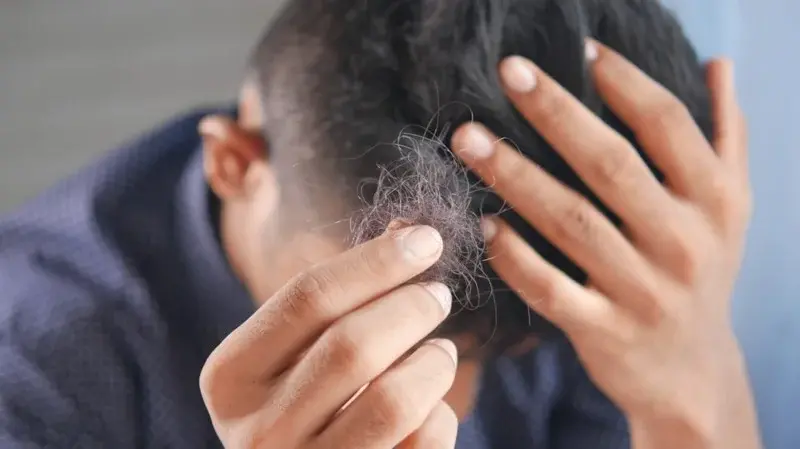
A transplant moves permanent “donor” hairs into thinning areas, but it does not switch off the underlying cause of androgenetic alopecia (male or female pattern hair loss). Without prevention, the native hairs around the grafts can continue to miniaturise and disappear, making results look patchy over time.
You’ll usually see three shedding phases:
Shedding of transplanted hairs in the first few weeks (normal “shock loss”)
Shedding of some non-transplanted, miniaturised hairs triggered by surgical trauma
Gradual long-term thinning driven by genetics and hormones, if not treated
Some shedding, including shock loss after hair transplant, is expected and not a sign of failure. But you can significantly reduce long-term loss and maximise density with a structured plan.
Core Hair Loss Prevention Strategies for Transplant Patients
The most effective hair loss prevention strategies for transplant patients combine three pillars:
Meticulous post hair transplant care in the first weeks
Evidence-based medical therapy (finasteride, minoxidil and related options)
Adjunctive treatments and healthy lifestyle, including PRP, low-level laser, nutrition and stress control
Think of your transplant as the “base structure”. These strategies are the maintenance plan that protects your investment.
A sensible approach for most suitable patients is:
Start (or continue) medical therapy before or soon after surgery, as your surgeon advises
Follow aftercare instructions precisely for the first 2–4 weeks
Consider in-clinic adjuncts like PRP if your surgeon feels you’re a good candidate
Optimise sleep, nutrition and stress, especially if you’ve had or are considering bariatric surgery
Review your plan at 6, 12 and 24 months and adjust if needed
Immediate Post-Op Care: Protecting the Grafts and Native Hair
High-quality post hair transplant care is as important as the skill of the surgeon. The first 14 days are critical for graft survival; the following 2–3 months are crucial for calming inflammation and supporting the scalp environment.
Key elements usually include:
Washing protocol
Use the prescribed foam/shampoo exactly as instructed.
Rinse gently with lukewarm water, never with strong shower pressure directly on grafts.
Pat dry; do not rub with a towel.
Sleeping position
Sleep semi-upright on extra pillows to reduce swelling.
Avoid rolling onto the grafted area.
Use any protective pillows or neck supports provided by your clinic.
Avoiding trauma
No scratching or picking scabs, even if itching is intense.
Avoid tight hats or helmets until cleared by your surgeon.
Pause contact sports and heavy gym work for the period advised.
Infection and swelling control
Take any antibiotics, anti-inflammatory medicines and sprays as prescribed.
Report increasing redness, pus, fever or severe pain promptly.
Realistic expectations about shedding
Even with perfect care, most transplanted hairs will shed in weeks 2–4, and some native hairs may shed too. This is a normal part of healing, not a failure of the transplant.
Supportive care can’t fully stop early shedding, but it can reduce unnecessary trauma and set you up for the next stage: medical prevention.
Medical Treatments to Stabilise Ongoing Hair Loss
Among the most robust hair loss prevention strategies for transplant patients, evidence-based medications play a central role. They don’t “replace” the transplant, but they help stabilise the scalp so your result stays dense.
Finasteride for hair transplant patients
Finasteride for hair transplant patients is one of the best-studied approaches for male pattern hair loss. It works by reducing dihydrotestosterone (DHT), the hormone that miniaturises susceptible follicles.
A clinical study of men with androgenetic alopecia found that taking finasteride 1 mg daily from four weeks before until 48 weeks after transplant improved hair in the surrounding scalp and increased overall density compared with non-treated controls.
Key points:
Usually prescribed at 1 mg once daily for men (women generally need different hormonal strategies).
Can significantly slow progression and, in many cases, increase hair counts or thickness.
Side effects (such as sexual dysfunction or mood changes) are uncommon but real; decisions should be made with a qualified doctor, ideally your GP or hair specialist.
Because hair loss medications UK guidelines emphasise informed consent and monitoring, you should always discuss finasteride with a registered prescriber rather than buying from unverified online sources.
Minoxidil after hair transplant
Minoxidil after hair transplant supports both transplanted and native hairs. It’s available as a foam or solution (commonly 5%) applied to thinning areas.
Evidence and clinical experience suggest that minoxidil can:
Help reduce the severity and duration of shock loss
Accelerate regrowth of both transplanted and non-transplanted hairs
Improve thickness in miniaturised hairs that haven’t yet been lost
Typical usage:
Apply once or twice daily (as advised) to a clean, dry scalp.
Begin only when your surgeon confirms the grafts are stable enough (often from 2–4 weeks post-op).
Initial shedding in the first couple of months is common and usually a sign that miniaturised hairs are cycling into a healthier growth phase.
Combination therapy and topical options
Recent UK and international data show that combining finasteride and minoxidil can be more effective than either alone for androgenetic alopecia, often with high stabilisation rates.
Options include:
Oral finasteride + topical minoxidil
Topical combination sprays or foams (finasteride + minoxidil), which may be suitable for patients who prefer to limit systemic exposure
Your doctor may also discuss low-dose oral minoxidil. This is an off-label treatment that can be powerful but needs medical supervision, especially in patients with cardiovascular disease.
In-Clinic Treatments: PRP and Emerging Technologies
Medication isn’t the only tool available. In-clinic therapies can complement hair loss prevention strategies for transplant patients, especially in patients seeking more aggressive optimisation.
PRP after hair transplant
PRP after hair transplant has become increasingly popular. Platelet-rich plasma (PRP) involves concentrating your own platelets and injecting them into the scalp to deliver growth factors.
A 2024 meta-analysis of 10 randomised controlled trials (318 participants) found that PRP injections significantly increased hair density in androgenetic alopecia (mean +25 hairs/cm²) compared with controls. Earlier reviews have similarly concluded that RCTs consistently show improved regrowth and follicle calibre with PRP compared with placebo.
In transplant patients, PRP may:
Support graft survival in the early phase
Enhance density in surrounding miniaturised areas
Improve shaft thickness and scalp quality over time
In the UK, PRP sessions typically cost around £250–£500 per treatment, with initial protocols often recommending 3 sessions a month apart, then maintenance every 3–6 months.
Low level laser therapy for hair loss
Devices providing low level laser therapy for hair loss (LLLT) use specific light wavelengths to stimulate cellular energy in hair follicles.
While results are generally modest compared with finasteride/minoxidil, studies suggest:
Improved hair thickness and density in some patients with androgenetic alopecia
Best used as a long-term adjunct (e.g., several sessions per week for 6–12 months)
Helmets and bands vary widely in quality; choose medically-approved devices recommended by your specialist and be realistic about their role as a supportive, not stand-alone, treatment.
Lifestyle and Nutritional Foundations for Long-Term Results
Sustainable hair loss prevention strategies for transplant patients also rely on everyday habits. Hair follicles are highly sensitive to metabolic stress, nutrient deficiency and systemic illness.
Key pillars:
Nutrition and weight change
Ensure adequate protein intake (roughly 1.2–1.5 g/kg/day in many adults, unless restricted by kidney or other conditions).
Screen for and correct common deficiencies linked to hair shedding, such as iron, vitamin D, zinc and B12, when clinically indicated.
Avoid rapid crash diets; fast weight loss is a well-known trigger for telogen effluvium (diffuse shedding).
This is especially important for patients who have had or are considering bariatric surgery, where rapid weight change is expected. Close coordination between your metabolic/bariatric team and hair specialist helps balance weight-loss goals with hair preservation.
Stress, sleep and scalp health
Chronic stress can push hairs into the shedding phase; mindfulness, therapy, exercise and social support all help.
Poor sleep disrupts hormonal balance; aim for 7–9 quality hours where possible.
Gentle scalp massage with suitable oils can improve microcirculation and support topical absorption (but only once grafts are fully healed).
Lifestyle alone cannot reverse pattern hair loss, but it strengthens the foundation on which medical and surgical treatments work.
Building a 5-Year Maintenance Plan
The timeline for hair transplant aftercare UK patients should think in years, not weeks.
A practical 5-year framework:
Year 0–1
Strict post-op care
Start/continue finasteride and/or minoxidil if appropriate
Optional PRP series if recommended
Reviews at 3, 6 and 12 months
Year 1–3
Maintain medical therapy long-term if tolerated
Maintenance PRP or LLLT if helpful and affordable
Yearly photographic reviews to track subtle changes
Year 3–5
Reassess family history and overall pattern – is loss stable or progressing?
Consider “top-up” procedures (small transplant sessions) only if there is a clear plan to preserve donor reserves.
Continue or taper treatments based on your goals and risk tolerance, always under medical advice.
For patients who had their surgery abroad, sharing operative notes and photos with your local UK clinician can make follow-up safer and more personalised.
CK Health Turkey: Trusted Partner for International Patients
For UK residents exploring hair loss prevention strategies for transplant patients alongside broader health goals such as weight loss or body contouring, choosing a coordinated, reputable provider is crucial.
CK Health Turkey is a medical tourism centre headquartered in Antalya, working with qualified doctors in obesity (bariatric) surgery, plastic surgery, dental care and other disciplines for international patients.
What sets CK Health Turkey apart for international patients:
World-class hospital infrastructure that meets international standards
Multilingual coordination, including English-speaking teams who understand UK patients’ expectations and concerns
Structured pathways that emphasise safety, informed consent and long-term follow-up rather than one-off procedures
A strong track record of caring for patients travelling for bariatric and plastic surgery, including comprehensive pre-travel assessment and post-operative support
While their core expertise is bariatric surgery and related procedures, this same framework of rigorous screening, modern facilities and coordinated aftercare is highly relevant to anyone considering aesthetic or reconstructive treatment abroad.
If you are planning surgery or allied treatments in Turkey and want to integrate them with your long-term hair health, a provider like CK Health Turkey can help you:
Align timing of procedures (e.g., bariatric surgery and later hair restoration)
Coordinate nutritional and metabolic monitoring to reduce hair shedding after major weight loss
Connect with vetted partner clinics when you’re exploring scalp-related treatments
To learn more, you can search for “CK Health Turkey” online and reach out via their official website for personalised advice, without pressure or obligation.
Price Comparison: Transplant & Aftercare – UK vs Turkey
Because this topic is medical, it’s helpful to look at approximate cost ranges. Exact prices will depend on your clinic, surgeon experience, graft numbers and package structure.
| Item / Package | Typical UK Cost (GBP) | Typical Turkey Cost (GBP equiv.) | Notes |
|---|---|---|---|
| FUE hair transplant (≈3,000–4,000 grafts) | ~£4,800–£6,000 (many clinics £4k–£10k+) | ~£1,950–£4,500 for 4,000 | Turkey often includes hotel, transfers, aftercare in package |
| 12 months finasteride + minoxidil combination | ~£360–£720 per year (from ~£18–£60/month) | Similar or lower, sometimes bundled with transplant packages | Prices depend on formulation and pharmacy |
| Single PRP session for hair loss | ~£250–£500 per session | Often lower and/or included in transplant package | Always check what’s included and number of sessions |
| 3-session PRP package (initial course) | ~£750–£1,500 | Often part of “premium” packages at minimal extra cost | Compare per-session breakdown carefully |
| Follow-up consultation (hair specialist) | ~£100–£250 per visit | Often included in package while in Turkey; paid separately for UK follow-up | Factor in travel and time off work |
Cost should never be your only criterion. Regulation, surgeon credentials, complication management and aftercare access are at least as important as price.
Comparing Key Prevention Options
When comparing hair loss prevention strategies for transplant patients, it helps to see how core options differ in terms of effect, effort and risk.
| Factor | Medications (Finasteride / Minoxidil) | PRP & In-Clinic Therapies | Lifestyle & Nutrition |
|---|---|---|---|
| Main benefit | Stabilises pattern hair loss; can thicken miniaturised hairs | Improves hair density and calibre; supports grafts | Supports overall scalp health and reduces shedding triggers |
| Evidence level | Strong RCT evidence, especially for finasteride and minoxidil in AGA | Growing RCT and meta-analysis support for PRP | Indirect but biologically plausible; observational data |
| Time commitment | Daily tablets/foam indefinitely | Clinic visits every 1–3 months initially | Ongoing diet, stress and sleep management |
| Side effects considerations | Finasteride: possible sexual/mood effects; minoxidil: scalp irritation or shedding phase | PRP: injection discomfort, bruising, cost; LLLT minimal | Very low risk if balanced; extreme dieting can worsen loss |
| Best suited for | Most men (and selected women) with progressive pattern loss | Patients wanting more aggressive optimisation or who cannot tolerate systemic meds | All patients; particularly vital after major weight loss or illness |
FAQ’s
How soon after my transplant can I restart medication?
Your surgeon will usually advise restarting or beginning finasteride and/or minoxidil once the grafts are secure, commonly 2–4 weeks after surgery.
Timing can vary based on technique (FUE vs FUT), scalp sensitivity and your personal risk factors, so always follow your own surgeon’s written plan.
Is shock loss after hair transplant permanent?
Most shock loss is temporary; follicles enter a resting phase and then regrow over months.
However, if the shed hairs were already very miniaturised by pattern loss, some may not return, which is why prevention and early treatment are important.
Do I really need finasteride for hair transplant patients to succeed?
Your transplant can still “work” without finasteride, but surrounding native hairs may continue to thin, making the result look less dense.
If you’re suitable, finasteride for hair transplant patients significantly increases the chance of long-term stability; discuss benefits and risks with a doctor.
Is minoxidil after hair transplant safe for everyone?
Topical minoxidil after hair transplant is safe for most patients once the skin has healed, but it can cause scalp irritation or temporary shedding.
People with heart disease, blood pressure problems or pregnancy/breastfeeding should seek specific medical advice before use.
Are there proven benefits of PRP after hair transplant?
Randomised controlled trials and meta-analyses show PRP can significantly increase hair density and shaft thickness in pattern hair loss.
In a transplant setting, PRP after hair transplant is often used as an adjunct to support graft survival and surrounding hairs, though protocols differ between clinics.
How does hair transplant aftercare UK patients get if surgery is abroad?
Many UK dermatologists, GPs and trichology clinics are happy to manage follow-up if you bring detailed operative notes and photos.
When you book abroad, ask explicitly what support is available once you’re back in the UK and how information will be shared with your local doctors.
Are hair loss medications UK-only, or can I get them shipped from Turkey?
Legally and medically, you should obtain long-term prescriptions through UK-registered prescribers or pharmacies to ensure proper monitoring.
Some Turkish clinics may provide short-term supplies, but ongoing treatment and blood tests (if needed) are safer when coordinated in the UK.
Does low level laser therapy for hair loss replace a transplant?
No – LLLT is a supportive tool that can improve thickness in existing hairs, not a substitute for replacing lost follicles.
It’s best viewed as a long-term adjunct alongside medication, PRP and healthy lifestyle habits.
How often should I review my prevention plan?
At minimum, review yearly with your specialist, or sooner if you notice accelerated shedding or new thinning patches.
Digital photographs taken in consistent lighting are invaluable for tracking subtle changes over time.