Highlights
- Medical travel anxiety often stems from a lack of information, but understanding the difference between normal bilateral swelling and the specific unilateral symptoms of DVT can provide peace of mind.
- While long-haul flights increase the risk of blood clots, the absolute risk remains very low at approximately one event per 4,656 flights, especially for those without pre-existing risk factors.
- Patients can actively mitigate risks by following a structured protocol that includes pre-flight medical clearance, wearing compression stockings, and performing regular in-flight mobility exercises.
Many medical tourists experience a wave of worry once their medical procedure is complete and the journey back looms. Dealing with Blood Clot Anxiety After Surgery: Flying Home Safely from Turkey requires a clear understanding of the actual medical risks and the proactive measures you can take. By preparing correctly and following clinical guidance, you can ensure a peaceful and secure transit home.
Table of Contents
Understanding Blood Clot Anxiety After Surgery: Flying Home Safely from Turkey
Medical journeys abroad combine the physical stress of healing with the psychological stress of international travel. It is completely natural to feel vulnerable during this period, especially when reading about potential complications online. Understanding how anxiety manifests and how to manage it is the first step toward a calm journey.
The Psychological Impact of Post-Operative Travel
Anxiety often thrives on a lack of control and a lack of clear information. When you are sitting in an airplane cabin after an operation, every minor sensation can feel amplified.
- Hyper-vigilance causes patients to constantly monitor their legs for pain or warmth.
- Catastrophizing transforms normal post-surgical swelling into an imagined medical emergency.
- Physical symptoms of anxiety, such as a rapid heart rate or shallow breathing, mimic serious medical issues, creating a feedback loop of fear.
Acknowledging that your mind is on high alert due to a major life event helps reduce the emotional intensity of these thoughts.
Differentiating Between Normal Recovery and Clot Symptoms
Distinguishing between standard post-operative discomfort and an actual circulatory issue provides immense peace of mind. Normal recovery involves predictable patterns of healing that slowly improve over time.
- Normal swelling is usually bilateral, affecting both limbs relatively equally, and tends to decrease when you elevate your legs.
- Residual surgical pain is typically localized to the operative site or specific muscle groups utilized during the procedure.
- True Deep Vein Thrombosis (DVT) signs are highly specific and almost always unilateral, meaning they occur in only one leg.
Look for a sudden, dramatic increase in swelling in one calf or thigh, accompanied by a deep, throbbing ache that feels like a severe muscle cramp. The skin over the affected area may also become visibly red, discolored, and noticeably warm to the touch compared to the surrounding skin.
The Real Medical Risk: What the Science Says
To conquer fear, you must look at objective data rather than worst-case scenarios. While the risk of a circulatory event exists after any major physical trauma or period of immobility, understanding the actual mechanisms helps normalize the experience.
Deep Vein Thrombosis (DVT) Explained
A deep vein thrombosis is a condition where a blood clot forms within the deep venous system, most commonly in the lower legs, thighs, or pelvis.
- Venous stasis occurs when blood flow slows down due to prolonged periods of sitting or bed rest.
- Hypercoagulability is the body’s natural tendency to clot faster after surgery to prevent blood loss.
- Endothelial injury refers to the minor damage that blood vessels undergo during surgical manipulation.
These three factors are known clinically as Virchow’s Triad, and they represent the core elements that medical teams actively manage during your recovery.
How Flight Cabins Affect Coagulation
The environment inside a commercial aircraft introduces unique physiological variables that require attention. Mild hypobaric hypoxia, which is the slightly lower oxygen pressure inside a pressurized cabin, can subtly interact with your circulatory system.
A landmark cohort study published in PLOS Medicine evaluated the absolute risk of venous thrombosis after long-distance air travel, tracking over 24,000 flight exposures. The researchers found that while long-haul flights lasting more than four hours do increase the risk of developing a blood clot by approximately two to four times, the overall absolute risk remains exceptionally low at just one event per 4,656 flights. This risk is primarily concentrated in individuals who possess additional pre-existing risk factors, such as having undergone major surgery within the previous few weeks, highlighting the importance of targeted preventative measures rather than generalized panic.
Practical Steps to Prevent Blood Clots on Your Flight
Taking active control of your travel routine is the most effective antidote to situational anxiety. By implementing a structured, medically approved protocol, you actively minimize physical risks while reassuring your mind.
Pre-Flight Preparation With Your Medical Team
Your preparation begins well before you arrive at the airport terminal. Open communication with your surgical team ensures that you receive a formal clinical clearance to fly based on your specific healing progress.
- Schedule a comprehensive final checkup to inspect your incisions and assess your overall mobility.
- Request written documentation confirming your fitness to travel, which can be useful at airport security or check-in desks.
- Discuss your personal and family medical history to determine if you require specialized preventative interventions.
- Obtain clear instructions regarding any adjustments to your current daily medications.
In-Flight Mobility Exercises
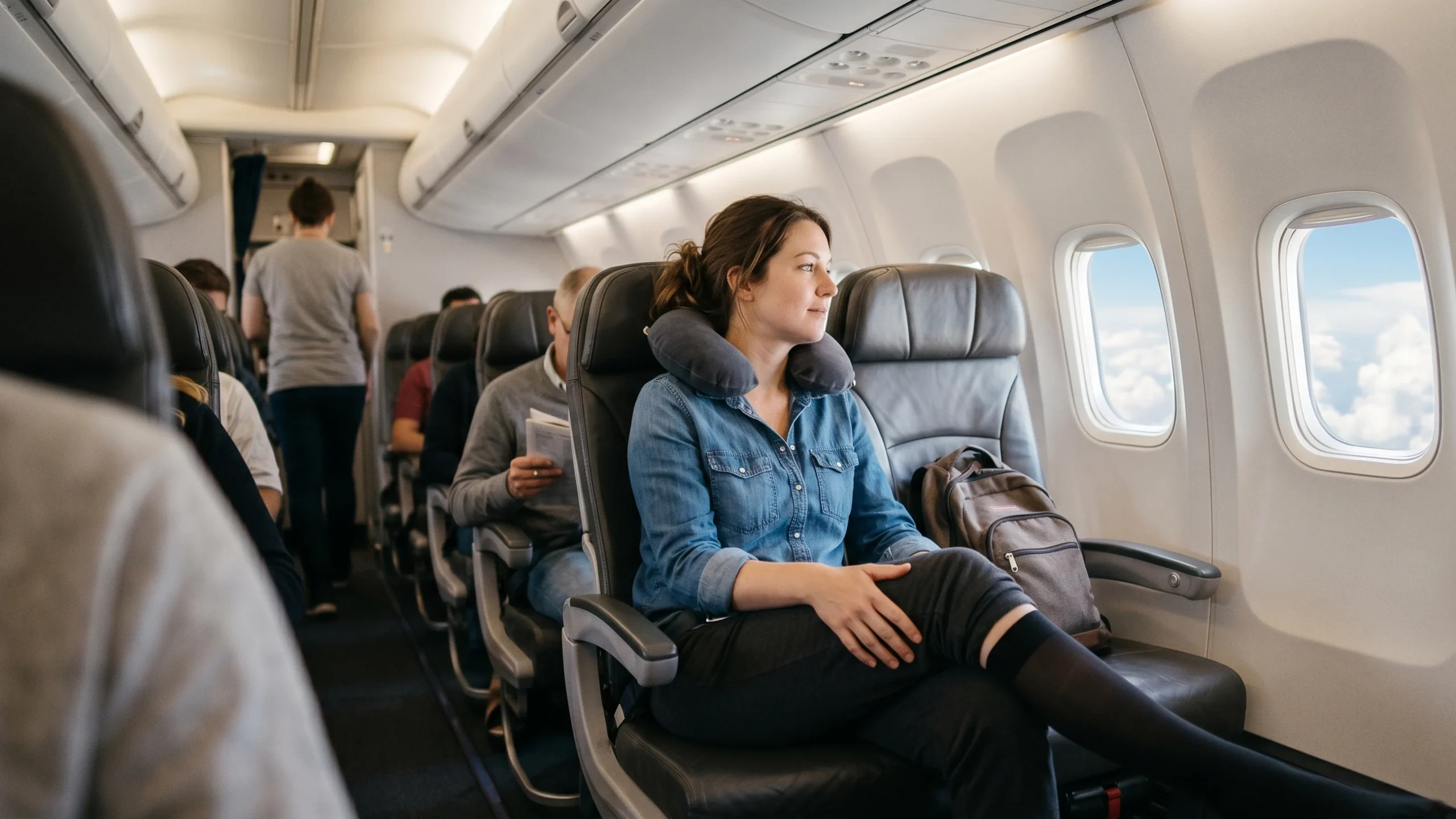
Staying active while in the air keeps your skeletal muscle pump functioning, which actively forces blood back up toward your heart and prevents pooling in the lower limbs.
- Perform ankle circles clockwise and counter-clockwise for two minutes every hour.
- Lift your toes off the floor while keeping your heels firmly planted, then reverse the movement to flex your calves.
- Walk down the aircraft aisle for five minutes every ninety minutes of flight time.
- Flex your calf muscles by pressing your feet flat against the floor for five-second intervals.
- Elevate your knees slightly toward your chest alternating sides while seated if space permits.
The Role of Compression Garments and Medications
Medical tools provide a physical barrier against circulatory issues, giving you an extra layer of protection during transit.
- Graduated compression stockings apply specific pressure at the ankle that gradually decreases up the leg, accelerating venous blood flow.
- Low-molecular-weight heparin (LMWH) injections or direct oral anticoagulants may be prescribed by your surgeon for high-risk scenarios.
- Staying well-hydrated counteracts the dry cabin air, keeping your blood viscosity at optimal levels.
- Avoid crossing your legs at the knees or ankles, as this posture mechanically constricts local blood vessels.
Recovery Timelines and Safe Flying Windows by Surgery Type
Different surgical procedures carry varying levels of impact and require distinct recovery windows before a flight can be undertaken safely. The table below outlines standard clinical recommendations for post-operative travel across common medical categories.
| Surgery Category | Recommended Wait Time Before Flying | Primary Risk Factor | Key Preventative Measure |
| Bariatric Surgery | 3 to 7 days | Increased BMI, abdominal stasis | Early ambulation, LMWH injections |
| Orthopedic Surgery | 10 to 14 days | Joint immobilization, localized trauma | Below-the-knee compression stockings |
| Plastic/Cosmetic Surgery | 5 to 7 days | Extended operative times, skin tension | Frequent hydration, light walking |
| Minor General Surgery | 48 to 72 hours | Short-term immobility | Calf muscle stretches, aisle seating |
Choosing a Supportive Medical Partner: CK Health Turkey
For international patients traveling abroad for medical procedures, working with a highly coordinated healthcare provider makes a massive difference in mitigating health anxieties. Having access to an experienced team that understands the nuances of international patient transit ensures a smooth recovery journey.
By providing comprehensive post-operative checkups, detailed travel clearances, and tailored recovery plans, medical coordinators ensure that every patient feels completely secure before boarding an airplane. If you are preparing for an upcoming procedure or want to learn more about safe post-operative travel protocols, you are invited to visit the website or get in touch with the medical coordination team today.
Navigating your recovery journey requires a balanced approach that respects both physical guidelines and emotional well-being. By staying informed about real clinical data, performing your moving exercises, and utilizing compression garments, you can completely overcome Blood Clot Anxiety After Surgery: Flying Home Safely from Turkey and focus entirely on your healing results.