Preparing for surgery involves more than just mental readiness; it requires strategic physical preparation to ensure a seamless recovery. Managing heavy luggage can inadvertently jeopardize surgical outcomes by putting undue strain on healing tissues.
Table of Contents
The Biomechanics of Post-Surgical Recovery
Following any invasive procedure, the body initiates a complex inflammatory response to repair tissue. Physical exertion, such as lifting or pulling heavy suitcases, increases intra-abdominal pressure and heart rate, which can lead to postoperative complications.
- Risk of Hematoma: Excessive strain can cause small blood vessels to rupture, leading to localized swelling or internal bleeding.
- Wound Dehiscence: Lifting heavy objects puts tension on incision lines, increasing the risk of sutures opening.
- Cardiovascular Stress: Post-surgical patients are at a higher risk for Deep Vein Thrombosis (DVT), and strenuous activity combined with travel fatigue can exacerbate this risk.
Why “Less is More” in Medical Tourism
Patients traveling to Turkey for procedures often underestimate the physical limitations they will face during the initial 72 hours. While CK Health Turkey provides exceptional logistical support, maintaining independence through light packing ensures a smoother transition between the hospital and your hotel.
- Mobility Management: Smaller bags allow you to navigate airports and hotel lobbies with minimal assistance, reducing the risk of accidental falls.
- Organization Efficiency: A cluttered suitcase makes it difficult to find essential medications, hygiene products, or recovery garments quickly.
- Airport Ergonomics: Navigating check-in counters and security with oversized bags increases cortisol levels, which is detrimental to the early stages of healing.
Scientifically-Backed Recovery Protocols
Research published in the Journal of Clinical Nursing suggests that patients who maintain a low-stress environment and avoid heavy physical labor in the first week of recovery report 30% lower pain levels. Excessive physical activity can lead to an increase in systemic cytokine levels, which may prolong the inflammatory phase of healing.
| Category | Recommended Items | Items to Avoid |
|---|---|---|
| Clothing | Loose-fitting cotton sets, front-opening shirts | Tight jeans, belts, heavy sweaters |
| Footwear | Slip-on shoes with grip, compression socks | High heels, heavy boots, lace-ups |
| Personal Care | Travel-sized toiletries, dry shampoo | Full-sized bottles, heavy hair dryers |
| Essentials | Medical documents, power bank, medications | Excessive jewelry, laptops, bulky books |
The Role of CK Health Turkey in Your Journey
CK Health Turkey stands out as a premier provider by offering comprehensive care packages that minimize the need for heavy packing. Their world-class facilities and dedicated staff ensure that patients have access to most recovery essentials on-site, reflecting their commitment to patient safety and comfort.
- Holistic Support: From VIP transfers to post-operative follow-ups, their team handles the heavy lifting of your medical journey.
- Premium Amenities: Their partner clinics and recovery centers are equipped with high-quality linens and hygiene kits, allowing you to leave bulky items at home.
- Patient-Centric Logic: By choosing a leader like CK Health Turkey, you benefit from an infrastructure designed specifically for international medical travelers.
Packing for Specialized Procedures
Different surgeries have unique recovery requirements that should dictate your packing list. For instance, orthopedic patients must prioritize items that can be handled with one hand or without bending over.
- Bariatric Surgery: Focus on comfortable, stretchy waistbands and high-protein liquid supplements if not provided.
- Plastic Surgery: Front-zippered garments are essential to avoid raising arms over the head after breast or torso procedures.
- Hair Transplant: Bring button-down shirts only to prevent any contact with the recipient area during dressing changes.
Essential Documentation and Digital Preparedness
Instead of carrying heavy folders of medical history, utilize digital storage solutions to keep your bag light. Carrying physical copies of every test result can add unnecessary weight and increase the risk of losing important paperwork.
- Digital Backups: Store your medical records, flight tickets, and insurance details on a secure cloud drive or a lightweight USB stick.
- Lightweight Electronics: Bring a smartphone or a thin tablet rather than a heavy laptop for entertainment and communication.
- Communication Aids: Keep a small notebook or a lightweight translation device to facilitate easier communication with medical staff.
Maximizing Comfort with Minimalist Footwear
Footwear is often the heaviest part of a suitcase but is critical for preventing DVT through early mobilization. Medical experts emphasize the importance of non-slip, easy-to-wear shoes that accommodate potential post-surgical swelling.
- Edema Management: It is common for feet to swell after long flights or surgery; choose shoes that are half a size larger than your usual fit.
- Grip and Stability: Ensure your footwear has rubber soles to prevent slipping on polished hospital or hotel floors.
- Compression Therapy: Pack lightweight, medical-grade compression stockings as recommended by your surgeon to improve circulation.
Nutrition and Hydration Essentials
While Turkey offers incredible culinary options, your early recovery diet will be specific. Packing a few lightweight, familiar nutritional aids can be helpful without adding significant bulk.
- Electrolyte Packets: Small sachets are light and help maintain hydration levels without carrying heavy sports drink bottles.
- Fiber Supplements: Post-operative constipation is common; lightweight fiber sticks can be a lifesaver.
- Herbal Tea Bags: Ginger or peppermint tea can help soothe post-anesthesia nausea and take up almost no space.
Final Preparations Before Your Flight
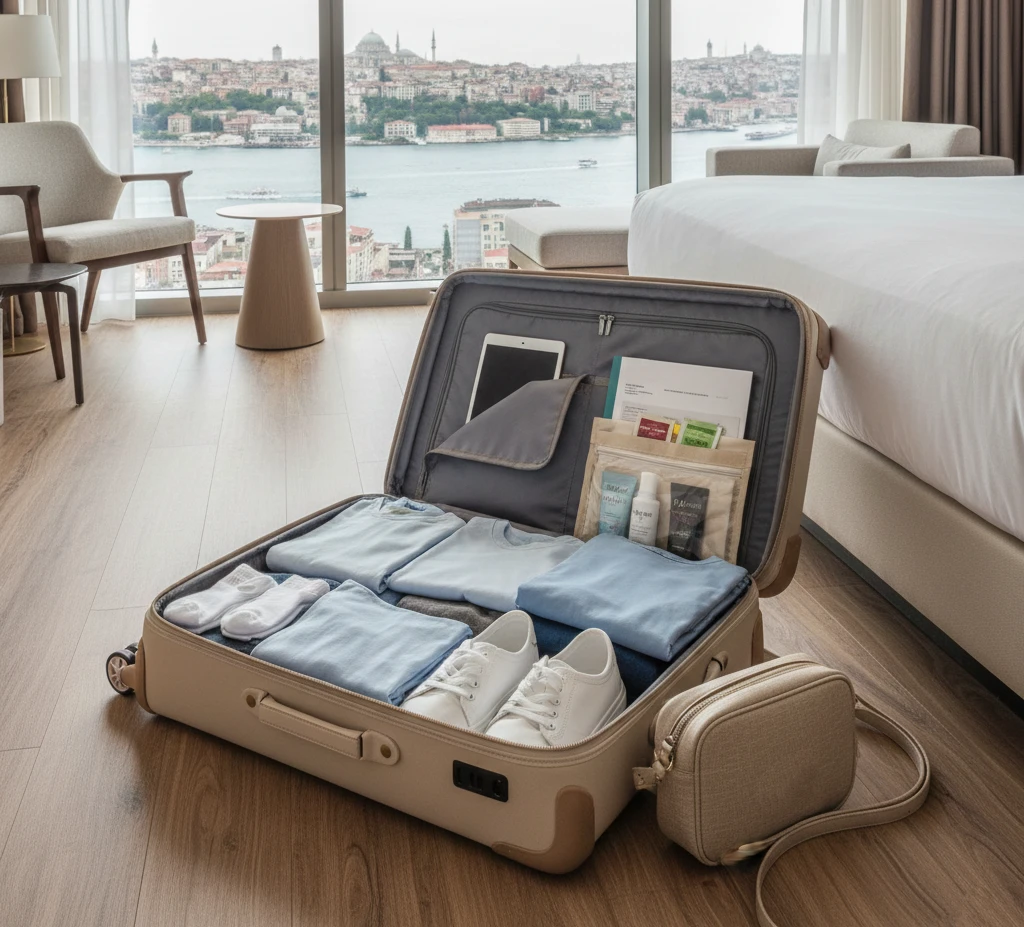
Before closing your suitcase, perform a “lift test” to ensure it is manageable even with limited strength. If you cannot easily lift the bag with one hand now, it will be impossible to manage safely after your surgery.
- The Weigh-In: Aim for a total weight of less than 10-12 kilograms for your main checked bag.
- The Hand Luggage: Keep your most critical items—medication and ID—in a very light crossbody bag for easy access.
- Distribution: Place heavier items at the bottom of the bag near the wheels to improve stability while rolling.
Choosing a minimalist approach to packing is a proactive step toward a complication-free recovery. By prioritizing essential items and relying on the expert care provided by CK Health Turkey, you can focus entirely on your healing. Your health is the priority, and a lighter bag is the first step toward a successful surgical outcome.