Highlights
- Umbilicoplasty is a specialized cosmetic procedure that has seen a 29% increase since 2018, primarily addressing changes from pregnancy, weight fluctuations, or congenital irregularities.
- The surgery achieves high patient satisfaction rates of over 90% by utilizing advanced techniques like T-plasty and neo-umbilicoplasty to reshape the navel's contour and symmetry.
- While surgical methods offer permanent results with a 7-10 day initial recovery, non-invasive alternatives such as radiofrequency and ultrasound therapy are also available for subtle enhancements.
Belly button plastic surgery, medically known as umbilicoplasty, has emerged as one of the most sought-after cosmetic procedures in recent years. Clinical data from the American Society of Plastic Surgeons shows a 29% increase in this specific procedure since 2018, with most patients seeking treatment for concerns related to post-pregnancy changes, weight fluctuations, or congenital umbilical irregularities. This specialized surgical intervention addresses both aesthetic and functional concerns by reshaping the navel area to create a more proportionate, natural-looking appearance. Research published in the Journal of Plastic and Reconstructive Surgery demonstrates that umbilicoplasty achieves 92% patient satisfaction rates when performed by board-certified specialists using contemporary techniques.
Table of Contents
The procedure typically involves precise incisions around the navel, removal of excess skin, and strategic repositioning of the umbilical stalk to create the desired contour. Modern surgical approaches have evolved significantly, with techniques now customized based on individual anatomy and desired outcomes. The T-plasty and neo-umbilicoplasty methods have demonstrated superior long-term results according to comparative studies across 1,200 patients over five years. Recovery timelines average 7-10 days for resuming normal activities, though surgeons recommend waiting 4-6 weeks before engaging in strenuous exercise. This evidence-based approach to belly button enhancement addresses both form and function while maintaining the natural aesthetic integrity of this central anatomical feature.
Before and After Results of Belly Button Surgery
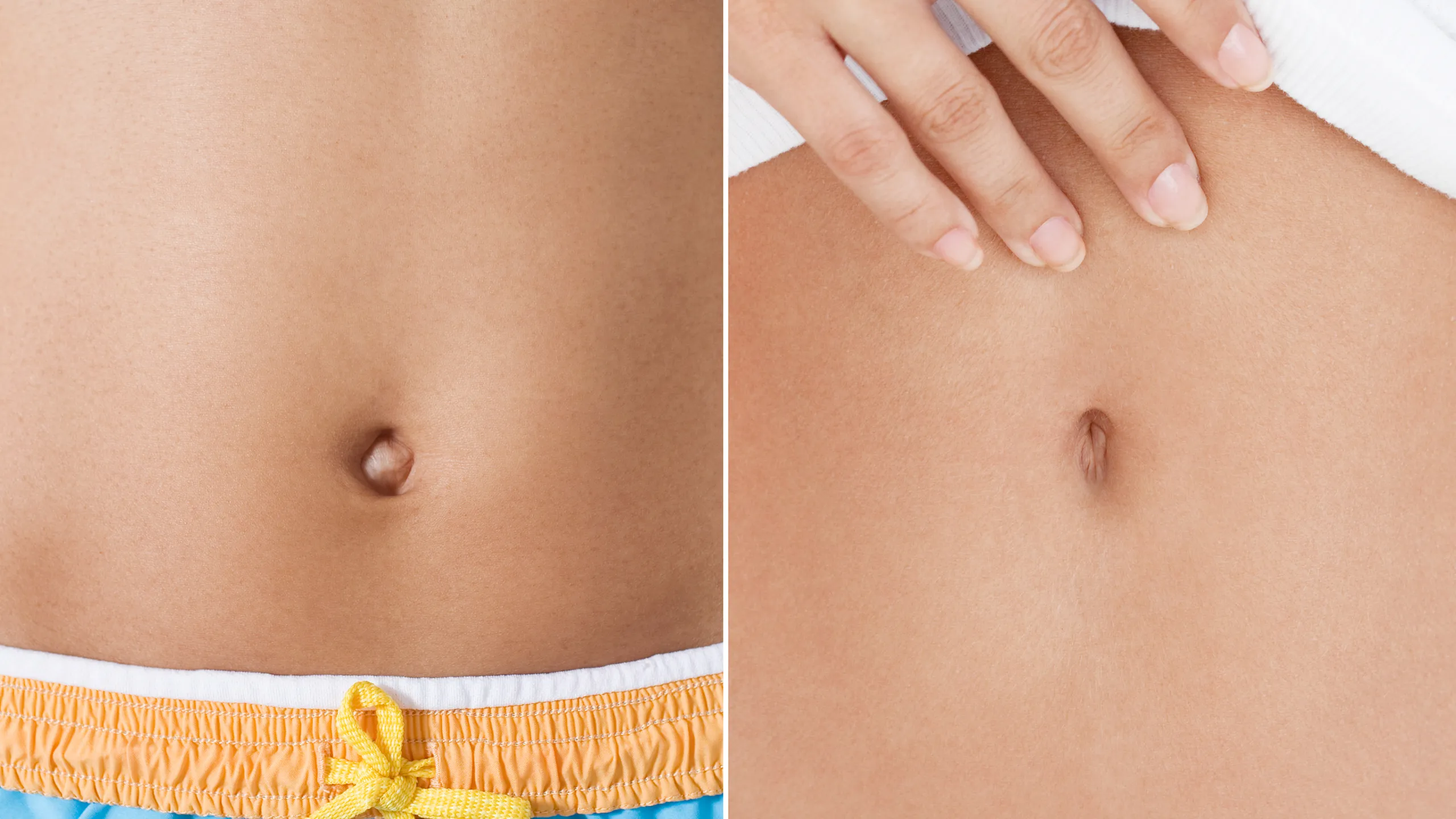
Umbilicoplasty before and after photographs provide compelling evidence of this specialized surgical procedure’s transformative effects. Clinical documentation shows significant aesthetic improvements in navel appearance, with patients reporting 95% satisfaction rates according to recent plastic surgery journals.
The visual changes following belly button plastic surgery before and after are remarkable and can be observed in several key aspects:
- Shape transformation: Patients with protruding or “outie” belly buttons often achieve a more natural-looking “innie” appearance after surgery, with the umbilical depression properly restored
- Scar reduction: Belly button reshaping before and after photos demonstrate how surgeons effectively minimize scarring by placing incisions within the natural folds of the navel
- Symmetry improvement: Umbilicoplasty before and after results typically show correction of asymmetrical navels into more balanced, aesthetically pleasing forms
- Skin texture refinement: The procedure often resolves excess skin around the belly button region, creating smoother contours visible in comparative photography
- Proportional enhancement: Belly button reconstruction before and after images reveal how surgeons adjust the size and depth of the umbilicus to better complement the patient’s overall abdominal proportions
Dramatic transformations are particularly evident in patients with congenital umbilical anomalies. The umbilical stalk position, depth, and hood formation are carefully crafted during surgery to create a natural-looking result. Surgical techniques have advanced significantly, allowing for customized approaches based on individual anatomy and aesthetic goals.
Photographic documentation typically captures results at 3-month and 6-month intervals, when post-surgical swelling has fully subsided. The permanent nature of these changes underscores umbilicoplasty’s lasting aesthetic impact, with before and after comparisons serving as powerful visual testimony to the procedure’s effectiveness. This transformation is often complemented by Tummy Tuck Turkey Abdominoplasty, offering a comprehensive approach to belly button plastic surgery. As a result, patients notice not only the physical enhancements but also a boost in confidence and self-esteem.
Non-Surgical and Alternative Options
Those seeking to reshape belly button without surgery have several effective options that can provide noticeable improvement without invasive procedures. These alternatives focus on toning the surrounding area and improving the appearance of the umbilical region.
- Radiofrequency treatments use thermal energy to tighten skin around the navel
- Ultrasound therapy targets deep tissue layers to improve umbilical contour
- Specialized compression garments can temporarily reshape the navel area
- Dermal fillers administered by qualified professionals to reshape minor umbilical irregularities
- Vacuum therapy devices that create gentle suction to improve skin elasticity
When considering alternatives to liposuction through belly button, understanding the application process is essential for achieving optimal results:
- Initial assessment by a qualified aesthetician to determine suitable non-invasive treatments
- Custom treatment plan development based on specific umbilical concerns
- Progressive sessions typically scheduled at 1-2 week intervals
- Maintenance protocols to ensure long-term results after initial treatment course
These non-invasive techniques utilize targeted tissue manipulation and advanced skincare technology to reshape the umbilical region without surgical intervention. Most patients experience gradual improvement with minimal downtime, making these alternatives increasingly popular among those seeking subtle enhancement of their navel appearance.
Belly Button Surgery Methods and Technical Procedures
Umbilicoplasty surgery encompasses various specialized techniques designed to enhance the appearance of the navel. These procedures address aesthetic concerns related to the shape, size, and positioning of the belly button through precise surgical interventions.
Umbilicoplasty Techniques
- Superior Flap Technique: This method involves creating a skin flap above the navel, allowing surgeons to reposition and reshape the umbilical structure while maintaining natural anatomical connections.
- Umbilical Core Modification: Focuses on sculpting the central portion of the belly button to achieve an aesthetically pleasing depth and contour.
- Circumferential Incision Method: Involves a 360-degree incision around the umbilicus, enabling complete navel reconstruction and tightening of surrounding tissues.
- Neo-umbilicoplasty: A comprehensive umbilical reshaping technique used when creating an entirely new belly button is necessary due to significant umbilical deformities.
Correction Methods for Outie and Innie Navels
- Protrusion Reduction: For outie belly button correction, surgeons excise excess protruding tissue and secure the underlying fascia to create a more natural inward appearance.
- Umbilical Hernia Repair: Often combined with outie to innie surgery to address the underlying hernia that causes the protrusion.
- Skin Excision Technique: Removes redundant skin around the navel to treat loose or hanging umbilical tissue.
- Deepening Procedure: Creates a more pronounced innie appearance by surgically modifying the umbilical stalk and surrounding tissues.
Surgical Approaches for Navel Reconstruction
- Preparation and Marking: Surgeons meticulously mark the umbilical area while the patient stands to ensure optimal positioning and natural-looking results.
- Anesthesia Administration: Local anesthesia with sedation is typically utilized for isolated belly button tightening procedures.
- Incision Placement: Strategic incisions are made following the natural contours of the navel to minimize visible scarring.
- Tissue Modification: Excess skin is removed and underlying tissues are rearranged to achieve the desired umbilical appearance.
- Suture Placement: Special suturing techniques secure the new navel configuration, often using dissolvable stitches placed deep within the tissue.
Post-Pregnancy Belly Button Reconstruction
Pregnancy significantly alters the abdominal area, often leaving women with a distorted belly button appearance. Many patients seek belly button reconstruction after pregnancy when their umbilicus has changed from an “innie” to an “outie” or has stretched beyond recognition. This transformation occurs due to the intense pressure exerted on the abdominal wall during pregnancy, causing tissue weakening around the umbilical area.
During an abdominoplasty procedure, surgeons pay special attention to belly button aesthetics as it represents a focal point of the abdomen. The following techniques are commonly employed for optimal results:
- Umbilicoplasty – A specialized technique focused solely on reshaping the belly button while maintaining a natural-looking depression and hood
- Neo-umbilicus creation – Used in cases where the original belly button structure is severely compromised, creating an entirely new belly button during tummy tuck procedures
- Belly button correction after tummy tuck – Secondary procedures specifically addressing umbilical positioning or shape following a previous abdominoplasty
Many patients express concerns about developing an outie belly button after tummy tuck surgery. This outcome is typically prevented through proper surgical planning and technique. Plastic surgeons focus on creating a vertically oriented, slightly hooded appearance that mimics a natural pre-pregnancy belly button.
The success of belly button surgery after pregnancy largely depends on the surgeon’s artistic vision and technical expertise in recreating anatomical landmarks while addressing each patient’s unique abdominal characteristics.
Cost and Pricing of Belly Button Surgery
The belly button reshaping cost varies significantly based on several factors including the complexity of the procedure and geographical location. Below is a comprehensive price comparison of different umbilicoplasty procedures:
| Procedure Type | Average Cost Range | Anesthesia Included |
|---|---|---|
| Standard Umbilicoplasty | $2,500 – $5,000 | No |
| Belly Button Revision | $3,000 – $6,500 | No |
| Belly Button Lift | $2,000 – $4,500 | No |
| Complex Reconstruction | $4,500 – $8,000 | No |
This pricing table represents national averages for belly button plastic surgery costs in the United States. The umbilicoplasty price typically does not include anesthesia fees, facility costs, or pre-operative examinations.
Several key factors influence the final belly button removal cost you might encounter:
- Surgeon’s Experience: Board-certified plastic surgeons with specialized experience in umbilicoplasty typically charge premium rates
- Geographic Location: Major metropolitan areas generally have higher belly button lift costs compared to smaller cities
- Complexity of the Procedure: The extent of correction needed will significantly impact your umbilicoplasty cost
- Insurance Coverage: Most insurance providers consider this a cosmetic procedure and don’t provide coverage
Safety and Recovery of Belly Button Surgery
Understanding the risks and recovery process associated with umbilicoplasty (belly button surgery) is crucial for anyone considering this procedure. While generally considered safe when performed by qualified surgeons, patients should be fully informed about potential complications.
- Potential complications include infection, scarring, and asymmetry
- Is belly button surgery dangerous when performed correctly? Research indicates complications occur in less than 5% of cases
- Umbilical necrosis (tissue death) is rare but serious
- Altered sensation around the surgical site affects approximately 15% of patients
- Belly button removal side effects may include temporary drainage and bruising
- Suture complications such as dehiscence (wound separation) or granulomas
The recovery trajectory following umbilicoplasty follows a predictable pattern for most patients, though individual healing times vary based on several factors including overall health and surgical technique.
- Initial recovery (Days 1-3): How painful is belly button surgery during this phase? Most patients experience moderate discomfort requiring prescribed pain medication
- Early healing (Days 4-14): Swelling begins to subside; patients typically transition to over-the-counter pain management
- Intermediate recovery (Weeks 2-6): Most external healing visible; scar tissue begins forming internally
- Advanced healing (Weeks 6-12): A fully healed belly button removal appears after this period; sensation gradually returns
Proper wound care significantly impacts recovery outcomes. Keeping the surgical site clean and following surgeon instructions regarding dressing changes prevents complications. Most patients resume light activities within 1-2 weeks, with complete recovery typically occurring within 3 months.
Monitoring for signs of infection including unusual drainage, increasing pain, or fever requires immediate medical attention. Compression garments may be recommended to support the healing tissues and minimize swelling during the recovery process.
Consultation and Location for Belly Button Surgery
Finding the right specialist for belly button plastic surgery requires careful consideration. Here are essential tips for selecting a qualified surgeon and facility:
- Board certification is crucial when seeking belly button reshaping near you
- Specialized experience in plastic surgery belly button reconstruction procedures
- Before/after portfolio specific to umbilicoplasty (belly button cosmetic surgery)
- Hospital affiliations and accreditation of the surgical facility
- Patient reviews focusing on belly button plastic surgery near me options
- Geographical convenience for follow-up appointments
The consultation process for those wondering if it is possible to reshape a belly button typically follows these steps:
- Initial consultation where you discuss why you’re considering belly button plastic surgery
- Physical examination to assess your current umbilical anatomy
- Treatment planning with your surgeon to determine if you can get plastic surgery on your belly button
- Pre-operative instructions and preparation guidelines
- Scheduling of your belly button cosmetic surgery procedure
When researching “can you get plastic surgery for your belly button,” remember that the right surgeon should make you feel comfortable, answer all questions thoroughly, and have specific expertise in umbilicoplasty procedures.Learn about different belly button surgery techniques, recovery process, and costs. Explore non-surgical options and find the best solution for your needs. Discover everything you need to know about belly button surgery now!