Highlights
- A BMI under 30 is the recommended benchmark for tummy tuck surgery to minimize surgical risks such as infections, wound healing issues, and cardiovascular complications.
- Patients with a lower BMI generally achieve superior aesthetic results, including better waistline definition and smoother abdominal contours, compared to those with higher BMI levels.
- Recovery is significantly faster and more efficient for patients under 30 BMI, featuring shorter healing phases, quicker drain removal, and earlier return to daily activities.
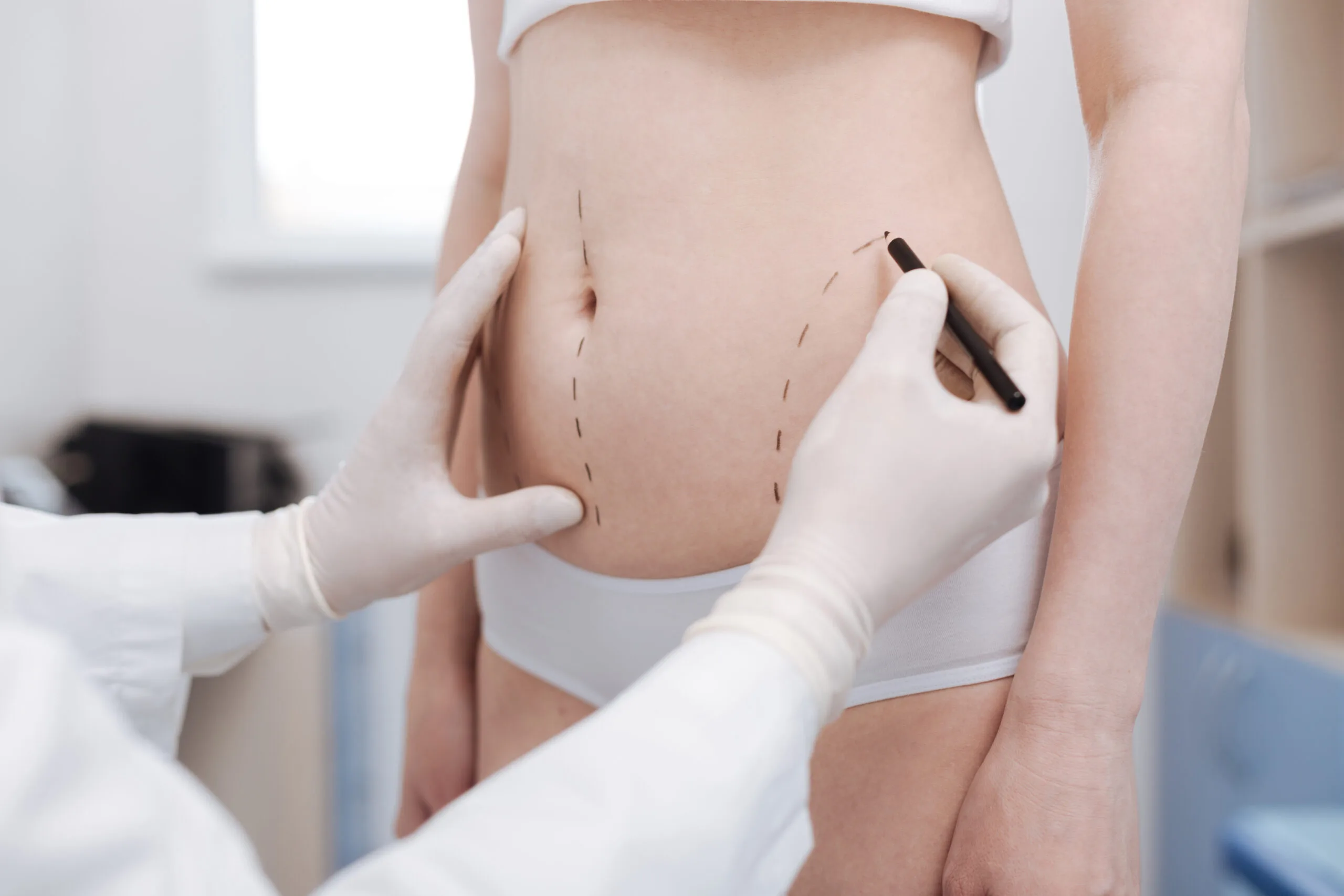
Tummy tuck surgery, or abdominoplasty, offers significant body contouring benefits. It addresses excess skin and fat, often after weight loss or pregnancy. This procedure can restore a smoother, firmer abdominal profile. However, optimal outcomes and patient safety are paramount. Achieving these goals often hinges on specific patient characteristics. Medical literature consistently highlights the importance of patient selection. One critical factor influencing both safety and aesthetic results is a patient’s Body Mass Index (BMI). A BMI under 30 is widely recognized as a benchmark for elective surgical procedures. This threshold minimizes perioperative risks. Studies indicate a lower incidence of complications. These include infection, seroma formation, and wound dehiscence. Furthermore, a BMI below 30 often correlates with better long-term cosmetic satisfaction. It reflects a more stable weight and overall healthier physiological state. This foundational health optimizes the body’s healing response. Consequently, adhering to this BMI guideline significantly enhances the success and safety profile of tummy tuck surgery.
Table of Contents
Why Is Your BMI a Deciding Factor for a Tummy Tuck?
Body Mass Index serves as a crucial assessment tool for determining surgical candidacy in abdominoplasty procedures. Surgeons worldwide have established BMI requirements for tummy tuck operations based on extensive clinical evidence and patient safety protocols.
Surgical Risk Assessment
- Anaesthetic complications increase significantly when BMI exceeds 30, with studies showing elevated risks of respiratory depression and cardiovascular events
- Wound healing impairment occurs more frequently in patients with higher BMI due to reduced tissue oxygenation and compromised circulation
- Infection rates double in patients with BMI above 35, requiring extended antibiotic protocols and prolonged recovery periods
- Thromboembolism risk escalates substantially, necessitating intensive prophylactic measures and extended monitoring
Optimal BMI Parameters
The ideal BMI for tummy tuck procedures ranges between 18.5 and 30. Most surgeons establish a tummy tuck BMI limit of 30-35, though some experienced practitioners may consider patients with tummy tuck BMI 40 under specific circumstances. The maximum BMI for tummy tuck varies between surgical centres, with most adhering to strict protocols for patient safety.
Technical Surgical Considerations
- Tissue handling difficulties arise with excessive subcutaneous fat, compromising surgical precision and aesthetic outcomes
- Suture line tension increases proportionally with BMI, leading to higher dehiscence rates and suboptimal scarring
- Anaesthetic duration extends significantly, compounding physiological stress and recovery complications
Common Misconceptions
A prevalent misconception suggests patients with BMI over 30 must undergo gastric sleeve surgery before considering tummy tuck procedures. This represents a fundamental misunderstanding of surgical indications. Why you should be under 30 BMI for tummy tuck surgery relates primarily to immediate surgical safety rather than mandatory weight loss surgery requirements.
What BMI for tummy tuck procedures remains optimal depends on individual patient factors, medical history, and surgical expertise. The ideal weight for tummy tuck surgery encompasses multiple variables beyond BMI alone.
CK Health Turkey performs both tummy tuck and gastric sleeve surgeries using expert surgeons, advanced equipment, and cutting-edge surgical techniques.
How BMI Affects Your Tummy Tuck Results
Body Mass Index significantly influences the aesthetic outcomes of abdominoplasty procedures, with higher BMI values creating specific challenges that affect both surgical execution and final results. Understanding these impacts helps patients set realistic expectations for their transformation.
Contour irregularities become more pronounced in patients with elevated BMI levels due to increased subcutaneous fat distribution. The excess adipose tissue creates uneven surfaces that can persist after surgery, affecting the smoothness of the abdominal profile. Surgeons often encounter difficulty achieving optimal skin retraction when working with patients whose BMI exceeds recommended thresholds.
- Skin laxity complications increase substantially with higher BMI, as stretched skin loses elasticity and fails to contract properly during healing
- Seroma formation occurs more frequently in patients with excess weight, leading to fluid accumulation beneath the surgical site
- Wound healing becomes compromised due to reduced blood circulation in adipose tissue, potentially affecting scar quality
- Surgical precision decreases when working through thicker tissue layers, impacting the surgeon’s ability to achieve refined contouring
Waistline definition represents another critical area affected by BMI levels. Patients with optimal BMI typically achieve more dramatic waist narrowing because surgeons can better access and manipulate the underlying muscular structure. The rectus abdominis repair, essential for core strength and aesthetic improvement, becomes more challenging when performed through excessive fatty tissue.
Postoperative swelling persists longer in higher BMI patients, delaying the revelation of final results. This extended inflammatory response can mask the surgical improvements for several months, affecting patient satisfaction during the recovery period.
Surgical technique modifications become necessary when working with patients whose BMI approaches upper limits. Surgeons must adapt their approach to accommodate tissue thickness, potentially affecting the extent of correction possible in a single procedure.
The longevity of results also correlates with BMI levels, as patients with stable, lower BMI values maintain their surgical outcomes more effectively over time. Weight fluctuations can compromise the aesthetic improvements achieved through abdominoplasty.
CK Health Turkey performs both of these surgeries using the most expert surgeons in the field, the best equipment, and the latest methods.
Recovery Differences: BMI Under 30 vs. Over 30
Body Mass Index significantly influences abdominoplasty recovery trajectories, with distinct patterns observed between patient groups. Our extensive experience demonstrates that BMI categories create measurable differences in healing timelines, complication rates, and post-operative outcomes.
Recovery parameters vary substantially based on BMI classification:
| Recovery Aspect | BMI Under 30 | BMI Over 30 |
|---|---|---|
| Initial healing phase | 7-10 days | 10-14 days |
| Drain removal timing | 1-2 weeks | 2-3 weeks |
| Mobility restoration | 2-3 weeks | 3-4 weeks |
| Return to work | 2-3 weeks | 3-4 weeks |
| Exercise resumption | 6-8 weeks | 8-12 weeks |
| Wound healing completion | 4-6 weeks | 6-8 weeks |
| Swelling resolution | 6-8 weeks | 8-12 weeks |
Patients with BMI under 30 typically experience accelerated tissue repair and reduced inflammatory responses. Their surgical sites demonstrate improved circulation, facilitating faster wound closure and decreased seroma formation. These individuals generally achieve earlier mobilisation and experience less post-operative discomfort.
Conversely, patients with BMI over 30 face extended recovery periods due to increased subcutaneous tissue volume and potential circulation challenges. Their healing process requires enhanced monitoring for complications such as delayed wound healing, increased infection risk, and prolonged lymphatic drainage.
Post-operative care protocols must be tailored accordingly. Higher BMI patients benefit from extended compression garment usage, modified activity restrictions, and more frequent follow-up appointments. Their return to normal activities progresses more gradually, requiring patience and adherence to surgeon recommendations.
CK Health Turkey performs both of these surgeries using the most expert surgeons in the field, the best equipment, and the latest methods, ensuring optimal outcomes regardless of BMI classification.
Weight Loss Strategies Before Your Tummy Tuck
Achieving optimal body weight before abdominoplasty significantly enhances surgical outcomes and reduces postoperative complications. Our extensive experience demonstrates that patients who implement strategic weight loss approaches achieve superior aesthetic results and faster recovery times.
Sustainable dietary modifications form the foundation of effective preoperative weight management. Implementing a balanced macronutrient distribution with adequate protein intake supports lean muscle preservation while promoting fat loss. Focus on whole foods, controlled portion sizes, and consistent meal timing to establish metabolic stability.
- Adopt a moderate caloric deficit of 500-750 calories daily through portion control and nutrient-dense food choices
- Incorporate lean proteins, complex carbohydrates, and healthy fats in every meal to maintain satiety
- Eliminate processed foods, refined sugars, and excessive sodium to reduce inflammation and fluid retention
- Maintain consistent hydration with at least 8-10 glasses of water daily to support metabolic function
Structured exercise programs accelerate weight loss while improving cardiovascular health and muscle tone. Combining cardiovascular exercise with resistance training creates optimal conditions for body composition changes. Low-impact activities protect joints while building endurance necessary for surgical recovery.
- Engage in 150 minutes of moderate-intensity cardiovascular exercise weekly, including brisk walking, swimming, or cycling
- Incorporate strength training exercises twice weekly to preserve muscle mass during weight loss
- Practice core-strengthening exercises to improve abdominal muscle tone and posture
- Gradually increase exercise intensity to build stamina for postoperative rehabilitation
Medical weight loss interventions provide additional support for patients requiring significant weight reduction. Supervised programs offer comprehensive monitoring and professional guidance throughout the weight loss journey. These approaches include nutritional counselling, metabolic assessment, and pharmaceutical interventions when appropriate.
Bariatric consultations may benefit patients with substantial weight loss requirements, while nutritionist-supervised meal planning ensures adequate nutrient intake. Regular monitoring of body composition changes helps track progress beyond simple weight measurements.
CK Health Turkey performs both tummy tuck procedures and comprehensive weight management programs using the most expert surgeons in the field, the best equipment, and the latest methods.
When to Consider Alternative Procedures for Higher BMI Patients
Patients with BMI over 30 who desire tummy tuck procedures face increased surgical risks and potential complications. Our extensive experience in body contouring surgery demonstrates that alternative approaches often provide superior outcomes for higher BMI candidates.
Gastric sleeve surgery represents the most effective preliminary intervention for patients with elevated BMI seeking abdominal contouring. This bariatric procedure enables significant weight reduction, typically resulting in 50-70% excess weight loss within 12-18 months. The substantial weight reduction achieved through gastric sleeve surgery optimises candidacy for subsequent tummy tuck procedures whilst minimising operative risks.
Following gastric sleeve surgery and adequate weight stabilisation, patients experience improved surgical outcomes including:
- Reduced anaesthetic complications and enhanced cardiovascular stability during abdominoplasty
- Decreased wound healing complications and lower infection rates post-operatively
- Enhanced aesthetic results with improved skin elasticity and contour definition
- Shortened recovery periods and accelerated return to normal activities
Staged surgical approaches provide additional benefits for higher BMI patients. The initial gastric sleeve procedure addresses excess weight, followed by abdominoplasty after achieving weight stability. This sequential method ensures optimal tissue healing and reduces the likelihood of revision procedures.
Mini tummy tucks may serve as suitable alternatives for patients with localised adiposity below the umbilicus. However, comprehensive weight reduction through gastric sleeve surgery remains the preferred initial intervention for most higher BMI candidates.
The combination of metabolic improvements following gastric sleeve surgery and subsequent body contouring procedures delivers comprehensive aesthetic enhancement with reduced complication rates.
CK Health Turkey performs both gastric sleeve and tummy tuck surgeries using the most expert surgeons in the field, the best equipment, and the latest methods, ensuring optimal outcomes for higher BMI patients seeking comprehensive body transformation.