Highlights
- Significant weight loss often leaves excess skin that causes physical discomfort and emotional distress, making body contouring surgeries like abdominoplasty and arm lifts essential for functional and aesthetic recovery.
- Ideal candidates should maintain a stable weight for 12 to 18 months and meet specific nutritional and psychological criteria before undergoing these procedures to ensure safety and optimal results.
- While combining multiple surgeries can reduce total recovery time and costs, it requires careful patient selection due to increased risks such as longer anesthesia exposure and potential healing complications.
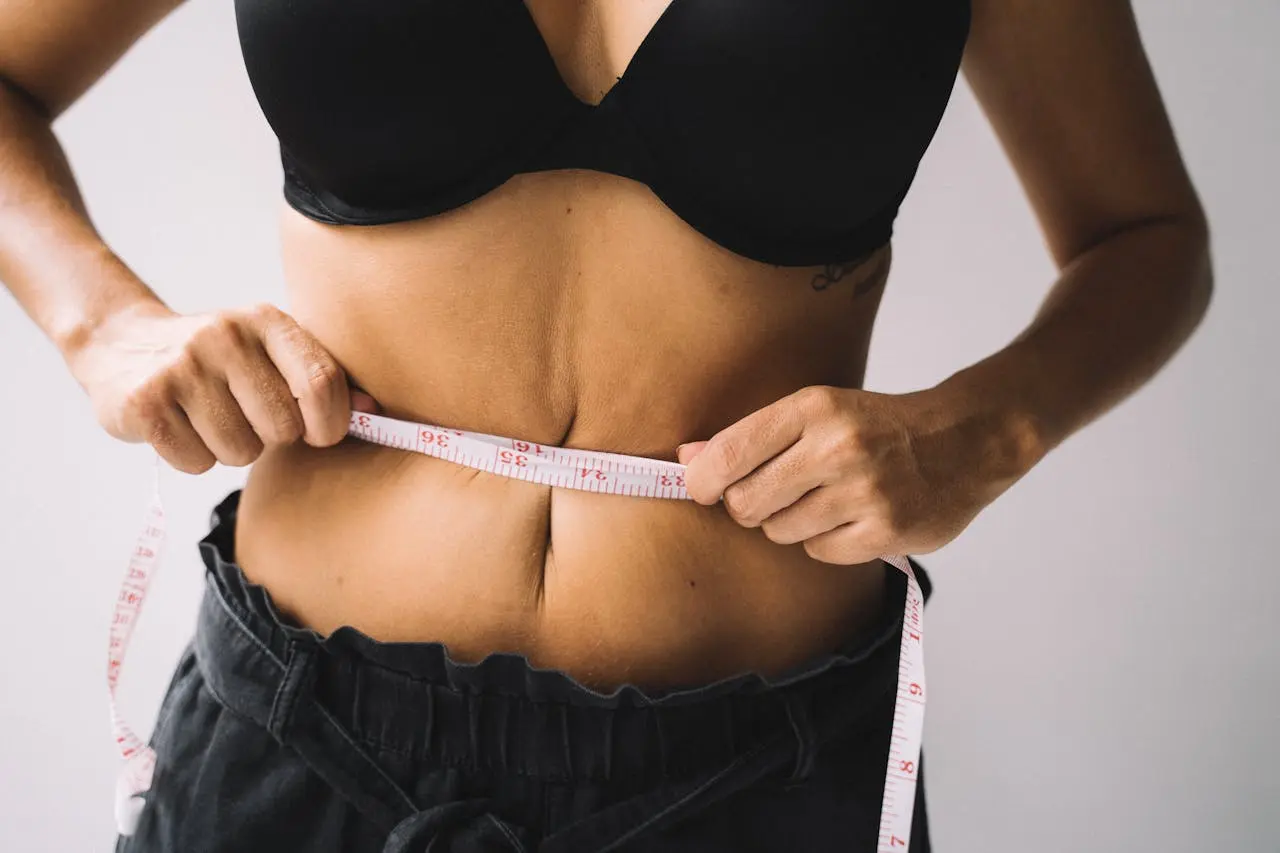
Significant weight loss, often achieved through bariatric surgery, dramatically improves health outcomes. However, it frequently leaves individuals with excess, sagging skin. This redundant tissue can cause physical discomfort, hygiene issues, and considerable emotional distress. Such challenges underscore the need for effective post-bariatric body contouring solutions. Arm lift and abdominoplasty surgeries specifically address these common concerns. These procedures are not merely cosmetic; they significantly enhance quality of life. The decision to pursue these body contouring operations requires careful consideration. Patients typically seek to restore a more proportionate and aesthetically pleasing physique. This pursuit is a crucial step in their comprehensive weight loss journey.
Table of Contents
How Body Contouring Surgery Transforms Your Post-Weight Loss Journey?
Arm lift and abdominoplasty after weight loss surgery address the fundamental challenge of excess skin that remains following significant weight reduction. These procedures target the most problematic areas where loose, sagging skin creates both aesthetic and functional concerns for post-bariatric patients.
The transformative impact of these cosmetic surgery after weight loss procedures extends beyond appearance enhancement. Arm lift surgery removes redundant tissue from the upper arms, eliminating the characteristic “bat wing” appearance that often develops after substantial weight loss. Simultaneously, abdominoplasty addresses the abdominal region by removing excess skin and tightening weakened muscles, creating a more contoured silhouette.
Plastic surgery after bariatric surgery employs sophisticated techniques that combine reconstructive principles with aesthetic refinement. During our extensive experience with post-weight loss patients, we have observed that combining these procedures delivers comprehensive body contouring results. The surgical approach involves precise incision placement to minimise visible scarring whilst maximising tissue removal and skin tightening.
Arm lift and abdominoplasty surgeries after weight loss surgery represent a crucial phase in the complete transformation journey. These procedures restore body proportions, improve clothing fit, and enhance physical comfort by eliminating skin chafing and hygiene challenges. The comprehensive approach addresses multiple anatomical zones simultaneously, creating harmonious results that reflect the patient’s weight loss achievements whilst establishing a foundation for long-term satisfaction. Arm and Tummy Surgery Options, such as arm lift and abdominoplasty surgeries after weight loss surgery, are essential to achieve a balanced and proportionate physique. These procedures not only enhance the aesthetic outcome but also significantly improve the patient’s quality of life through better mobility and comfort.
Understanding Your Skin Removal Options After Weight Loss
Massive weight loss often leaves patients with significant excess skin that fails to retract naturally, creating both functional and aesthetic concerns. Excess skin removal surgery offers comprehensive solutions for addressing redundant tissue across multiple body areas.
Post-bariatric patients typically require targeted procedures based on their specific anatomical concerns:
- Abdominoplasty removes excess abdominal skin and tightens weakened muscles, addressing the most common concern following significant weight reduction
- Brachioplasty eliminates redundant upper arm tissue through incisions extending from elbow to armpit, restoring arm contour
- Thighplasty targets inner and outer thigh excess skin through strategic incision placement along the groin and posterior thigh
- Lower body lift addresses circumferential trunk laxity, combining buttock lifting with hip and thigh contouring
- Breast procedures including mastopexy or reduction correct ptosis and volume loss in post-weight loss patients
- Panniculectomy removes hanging abdominal tissue that causes hygiene issues and skin breakdown
Skin tightening surgery after weight loss requires comprehensive evaluation of tissue quality, scarring patterns, and patient expectations. Surgical planning considers factors including skin elasticity, underlying muscle integrity, and fat distribution. Each procedure involves removing predetermined amounts of excess tissue while maintaining blood supply integrity.
The surgical approach varies significantly between patients, with some requiring single-stage procedures while others benefit from sequential operations. Modern techniques emphasise scar placement in natural body creases to minimise visible scarring while achieving optimal contour improvement through precise tissue repositioning and muscular repair.
Ideal Timing: When Should You Consider Body Contouring After Weight Loss Surgery?
Determining the optimal timing for post-bariatric body contouring procedures requires careful evaluation of multiple clinical factors. Our extensive experience treating patients following massive weight loss demonstrates that premature surgical intervention significantly increases complication rates and compromises aesthetic outcomes.
Weight stabilisation represents the most critical determinant for proceeding with body contouring surgery. Several key factors influence this timing decision:
- Weight stability maintenance for 12-18 months following bariatric surgery ensures metabolic stabilisation
- Complete nutritional assessment including protein levels, vitamin deficiencies, and overall metabolic health status
- Psychological readiness evaluation through comprehensive mental health screening protocols
- Realistic expectation alignment regarding surgical outcomes and recovery requirements
- Adequate skin elasticity assessment to determine appropriate surgical techniques
Clinical evidence supports delaying body contouring until patients achieve stable weight maintenance within 10-15 pounds of their target weight. During our consultations, we observe that patients who undergo premature procedures often experience suboptimal results due to continued weight fluctuations.
Medical clearance becomes paramount, particularly for patients with diabetes, cardiovascular conditions, or ongoing nutritional deficiencies. We consistently evaluate haemoglobin levels, albumin status, and overall wound healing capacity before proceeding.
The psychological component remains equally important, as patients must understand that body contouring addresses excess skin removal rather than continued weight loss. This distinction proves crucial for achieving satisfactory post-surgical outcomes and maintaining realistic expectations throughout the transformation process.
Combining Procedures: Benefits and Risks of Simultaneous Surgeries
Concurrent surgical procedures represent a strategic approach in post-bariatric body contouring, where multiple operations are performed during a single anaesthetic session. This methodology requires careful evaluation of patient factors and surgical complexity.
The following comparison outlines the primary considerations for simultaneous surgical interventions:
| Benefits | Risks |
|---|---|
| Single anaesthetic exposure reduces cumulative risks | Extended operative time increases anaesthetic complications |
| Consolidated recovery period minimises total downtime | Increased bleeding risk due to multiple surgical sites |
| Cost efficiency through reduced facility and anaesthetic fees | Higher infection rates from prolonged surgical exposure |
| Simultaneous healing allows coordinated tissue recovery | Compromised mobility during initial recovery phase |
| Improved body proportion achieved through comprehensive approach | Delayed wound healing potential with extensive procedures |
Patient selection criteria significantly influence surgical outcomes when combining procedures. Candidates with BMI below 30, stable weight maintenance, and adequate nutritional status demonstrate optimal healing responses. Surgical teams typically limit combined procedures to 6-8 hours operative time to maintain patient safety parameters.
Preoperative assessment protocols evaluate cardiovascular status, nutritional markers, and psychological readiness. Laboratory investigations including haemoglobin levels, protein markers, and coagulation studies guide decision-making processes. These comprehensive evaluations ensure appropriate patient selection for simultaneous surgical interventions while optimising postoperative outcomes.
Financial Considerations: Insurance Coverage and Financing Options
Post-bariatric plastic surgery costs represent a significant investment, with procedures ranging from £4,000 to £15,000 depending on complexity and combination of treatments. Understanding insurance coverage criteria and available financing options enables informed decision-making for this transformative journey.
NHS coverage remains limited but possible under specific circumstances:
- Documented functional impairment from excess skin
- Recurrent infections or skin breakdown in affected areas
- Psychological distress significantly impacting daily functioning
- Stable weight maintenance for minimum 18 months post-bariatric surgery
- Comprehensive medical documentation supporting reconstructive necessity
Private insurance policies typically exclude cosmetic procedures but may consider coverage when medical necessity is established through detailed clinical evidence.
Alternative financing solutions accommodate diverse financial situations:
- Medical finance companies offering 0% APR for qualified applicants with repayment terms extending 60 months
- Personal loans through traditional banking institutions with competitive interest rates
- Payment plans directly through surgical practices, often requiring deposit with monthly instalments
- Medical credit cards providing promotional financing periods for healthcare expenses
Our extensive experience demonstrates that patients who thoroughly research financing options achieve better satisfaction outcomes. Detailed cost breakdowns include surgeon fees, anaesthesia charges, facility costs, and post-operative care requirements, ensuring transparent financial planning throughout the body contouring process.
What to Expect During Recovery After Combined Arm Lift and Abdominoplasty
Recovery from simultaneous brachioplasty and abdominoplasty requires comprehensive post-operative care spanning several weeks. The combined nature of these procedures necessitates careful attention to multiple surgical sites simultaneously.
Key recovery considerations include:
- Drainage tubes remain in place for 7-14 days to prevent seroma formation
- Compression garments must be worn continuously for the first 6 weeks
- Arm elevation restrictions apply for 4-6 weeks to protect suture lines
- Complete lifting restrictions of objects over 5 pounds for 8 weeks
- Showering typically permitted after 48-72 hours with surgical site protection
Step-by-step recovery progression follows this timeline:
- Week 1-2: Focus on wound care, drainage monitoring, and gentle mobility exercises within prescribed limits
- Week 3-4: Gradual return to light daily activities whilst maintaining compression therapy and movement restrictions
- Week 5-8: Progressive increase in arm mobility and core engagement under surgical guidance
- Week 9-12: Transition to normal activities with continued scar management protocols
Post-operative complications such as wound dehiscence, lymphoedema, or infection require immediate surgical consultation. Scar maturation continues for 12-18 months, with silicone sheeting or gel applications typically recommended from week 3 onwards.
Pain management combines prescribed analgesics with anti-inflammatory medications during the initial recovery phase. Most patients return to desk-based employment within 2-3 weeks, whilst physical occupations require 6-8 weeksclearance. Regular follow-up appointments monitor healing progression and address any concerns promptly.
Results and Expectations: What Body Contouring Can and Cannot Achieve
Post-bariatric body contouring procedures deliver significant aesthetic improvements whilst maintaining realistic limitations that patients must understand. Understanding these boundaries ensures appropriate expectations and optimal satisfaction rates.
Achievable Outcomes:
- Dramatic excess skin removal from abdomen, arms, thighs, and buttocks following massive weight loss
- Enhanced body proportions through comprehensive contouring techniques including abdominoplasty and brachioplasty
- Improved clothing fit and elimination of skin folds that cause hygiene issues
- Restoration of natural body contours with 65-85% patient satisfaction rates documented in clinical studies
- Reduction of skin-related medical complications such as intertrigo and recurrent infections
- Enhanced physical mobility through removal of restrictive tissue excess
Procedural Limitations:
- Cannot address underlying muscle weakness without concurrent repair techniques
- Minimal impact on cellulite texture or superficial skin irregularities
- Permanent scarring remains inevitable despite advanced closure methods
- Weight fluctuations exceeding 10% can compromise long-term results
- Limited improvement in skin quality and elasticity beyond mechanical tightening
- Cannot prevent natural aging processes affecting surgical outcomes
Clinical evidence demonstrates that patients maintaining stable weight for 12-18 months achieve superior contouring results. Modern techniques utilising progressive tension sutures and advanced tissue handling protocols significantly enhance aesthetic outcomes. However, realistic expectations regarding scarring patterns and healing timeframes remain essential for patient satisfaction. Body contouring fundamentally reshapes silhouettes whilst acknowledging inherent surgical limitations within contemporary plastic surgery practice.