
Highlights
- Pregnancy, breastfeeding, and significant weight loss often lead to breast sagging, volume loss, and skin laxity due to the stretching of ligaments and tissue atrophy.
- A combined breast lift and augmentation procedure addresses these issues by simultaneously removing excess skin, repositioning the nipple, and restoring fullness with implants.
- Ideal candidates should be in good health, maintain a stable weight for at least 6-12 months, and have realistic expectations regarding the surgical outcomes and recovery process.
The journey of motherhood and significant weight loss can bring about profound changes to a woman’s body, particularly the breasts. For many, these transformations manifest as a loss of volume, sagging, and a shift in breast shape, impacting self-confidence and body image. The solution for addressing these concerns is often a breast lift with augmentation for postpartum weight loss, a sophisticated surgical procedure designed to restore youthful contour, firmness, and fullness to the breasts.
Table of Contents
This comprehensive guide elucidates the nuances of this combined procedure, providing an authoritative overview for individuals considering this significant step in their post-pregnancy or post-weight loss aesthetic journey. It addresses common patient concerns, surgical techniques, recovery expectations, and the factors contributing to optimal outcomes, offering a robust foundation of knowledge for informed decision-making.
Understanding Postpartum and Post-Weight Loss Breast Changes
Pregnancy, breastfeeding, and subsequent weight fluctuations exert considerable strain on breast tissue. The skin and ligaments that support the breasts stretch, and the glandular tissue can atrophy, leading to a diminished and less perky appearance. This phenomenon is often compounded by significant weight loss, which can further deplete breast volume and exacerbate skin laxity. The resulting aesthetic concerns include:
- Ptosis (Sagging): The descent of the breast nipple and areola below the inframammary fold.
- Volume Loss: A reduction in breast size and projection, often leaving the breasts appearing deflated.
- Skin Laxity: Excess, loose skin around the breast mound.
- Areolar Enlargement: The dark area around the nipple may stretch and expand.
These changes are natural and common, yet they can significantly affect a woman’s psychological well-being. Recognizing the physiological basis of these changes is the first step toward understanding the corrective potential of modern plastic surgery.
The Impact of Pregnancy and Lactation
During pregnancy, hormonal changes cause breast tissue to swell and expand as milk ducts and glands prepare for lactation. After childbirth and the cessation of breastfeeding, these engorged tissues often retract, but the stretched skin and supporting ligaments may not fully recover their original elasticity. This can lead to a deflated appearance and varying degrees of sagging.
The Effects of Significant Weight Loss
Weight loss, whether through diet, exercise, or bariatric surgery, reduces the overall fat content in the body, including within the breasts. When a substantial amount of weight is lost, the skin, having been stretched by the previous volume, may not contract sufficiently to match the new, smaller breast size. This results in excess skin and a further pronouncement of sagging and loss of upper pole fullness.
What is a Breast Lift with Augmentation?
A breast lift with augmentation for postpartum weight loss is a dual procedure that simultaneously addresses breast sagging (ptosis) and volume loss. It combines a mastopexy (breast lift) with breast augmentation using implants. The goal is to elevate the nipple and areola, reshape the breast mound, remove excess skin, and restore lost volume, creating a fuller, more youthful, and aesthetically pleasing contour.
The Breast Lift (Mastopexy) Component
The breast lift component involves surgical techniques to remove excess skin, tighten surrounding tissue, and reposition the nipple and areola to a higher, more youthful position on the breast mound. Various incision patterns exist, chosen based on the degree of ptosis and desired outcome:
- Periareolar Incision: Around the areola, suitable for minimal sagging.
- Vertical Incision: Around the areola and extending vertically down to the inframammary fold, for moderate sagging.
- Inverted T (Anchor) Incision: Around the areola, vertically down, and horizontally along the inframammary fold, for significant sagging. This is often necessary when combining with augmentation for substantial correction, especially after considerable postpartum weight loss.
For those interested in the details of the lift component, further information can be found at Breast Lift in Turkey.
The Breast Augmentation Component
Breast augmentation involves the placement of silicone or saline implants to increase breast volume and enhance projection. This is crucial for patients who have experienced significant volume loss. The implants are typically placed either under the breast tissue (subglandular) or partially under the chest muscle (submuscular), depending on the patient’s anatomy, implant size, and desired aesthetic.
Ideal Candidates for the Procedure
Candidates for a combined breast lift with augmentation for postpartum weight loss are typically women who are in good general health, have completed their families, and are at a stable weight. Key indicators for suitability include:
- Stable Weight: It is crucial for patients to have maintained a stable weight for at least 6-12 months. Significant future weight fluctuations can compromise the surgical results.
- Realistic Expectations: Understanding the potential outcomes and limitations of the surgery is paramount. The goal is improvement and restoration, not perfection.
- Non-Smoker: Smoking can impair healing and increase complication risks.
- Overall Health: No underlying medical conditions that would increase surgical risk.
- Body Image Concerns: Individuals troubled by sagging, deflated breasts after pregnancy and/or weight loss.
The Surgical Process: What to Expect
The combined procedure is performed under general anesthesia and typically takes 3-5 hours. The specifics of the technique—incision patterns, implant type, and placement—are tailored to each patient’s unique anatomy and aesthetic goals, determined during the initial consultation.
Pre-Operative Preparation
- Comprehensive Consultation: A thorough discussion with a board-certified plastic surgeon to assess your medical history, discuss aesthetic goals, and determine the most appropriate surgical plan.
- Medical Evaluation: Pre-operative tests, blood work, and possibly a mammogram or breast ultrasound to ensure you are fit for surgery.
- Medication Review: Instructions on which medications to discontinue (e.g., blood thinners, certain supplements) and which to continue.
- Lifestyle Adjustments: Cease smoking weeks before surgery and avoid alcohol. Arrange for post-operative support and transportation.
The Surgical Steps
- Anesthesia: General anesthesia is administered for patient comfort and safety.
- Incisions: The surgeon makes precise incisions based on the chosen mastopexy technique.
- Tissue Reshaping: Excess skin is removed, and breast tissue is reshaped and lifted. The nipple and areola are repositioned.
- Implant Placement: Breast implants are carefully inserted into the predetermined pocket (subglandular or submuscular) to restore volume.
- Closure: Incisions are closed with sutures, and surgical drains may be placed temporarily.
Recovery and Post-Operative Care
Recovery from a breast lift with augmentation for postpartum weight loss requires patience and adherence to post-operative instructions. The initial recovery phase typically lasts 2-4 weeks, with full recovery taking several months.
Immediate Post-Operative Period (Days 1-7)
Patients will experience discomfort, swelling, and bruising. Pain medication will be prescribed to manage discomfort. A compression garment or surgical bra must be worn constantly to support the breasts and minimize swelling. Drains, if used, are typically removed within a few days. Strenuous activities and heavy lifting are strictly prohibited. Sleep on your back with your upper body elevated to reduce swelling.
Weeks 2-6
Swelling and bruising will gradually subside. Most patients can return to light, non-strenuous work within 1-2 weeks. Avoid vigorous exercise, heavy lifting, and activities that put strain on the chest muscles. Follow-up appointments with your surgeon are crucial to monitor healing and ensure proper recovery. It’s essential to understand that physical activity needs to be reintroduced gradually.
Months 2-6 and Beyond
Scars will begin to mature, though they will continue to fade and soften for up to a year or more. Full sensation may gradually return, but some areas of numbness or altered sensation are common. The final breast shape will become more apparent as residual swelling resolves. Long-term scar care, including silicone sheets or creams, may be recommended. Continue to wear supportive bras, especially during physical activity.
Medical Research Insight: A study published in the *Aesthetic Surgery Journal* (2018; 38(11):1199-1210) by Di Cosimo, M., et al., investigated the outcomes and patient satisfaction following combined mastopexy and augmentation. The research highlighted that patients undergoing this combined procedure for significant aesthetic concerns, including those arising from pregnancy and weight fluctuations, reported high levels of satisfaction with their improved breast shape, volume, and projection. The study underscored the importance of meticulous surgical planning and patient selection for achieving optimal and long-lasting results, validating the efficacy of breast lift with augmentation for postpartum weight loss as a transformative procedure.
Potential Risks and Complications
As with any surgical procedure, a breast lift with augmentation carries potential risks, including but not limited to:
- Infection
- Bleeding
- Adverse reaction to anesthesia
- Capsular contracture (hardening of tissue around the implant)
- Changes in nipple or breast sensation
- Asymmetry
- Poor scarring
- Implant rupture or displacement
- The need for revision surgery
Choosing a highly qualified, board-certified plastic surgeon and adhering strictly to pre and post-operative instructions significantly minimizes these risks.
Comparing Options: Breast Procedures
| Factor | Breast Lift (Mastopexy) | Breast Augmentation | Breast Lift with Augmentation | Breast Reduction | Weight Loss Surgery in Turkey | Weight Loss Surgery in Turkey | Conception After: Weight Loss Surgery and Pregnancy |
|---|---|---|---|---|---|---|---|
| Primary Goal | Lift sagging breasts | Increase breast volume | Lift & add volume | Reduce breast size & weight | Significant weight loss | Significant weight loss | Guidance on family planning post-surgery |
| Addresses | Sagging, skin laxity | Volume loss, projection | Sagging, skin laxity, volume loss | Overly large, heavy breasts | Obesity, related health issues | Obesity, related health issues | Fertility, pregnancy risks, nutritional needs |
| Implants Used | No | Yes | Yes | No | Not applicable | Not applicable | Not applicable |
| Ideal Candidate | Moderate to severe sagging | Insufficient volume | Sagging with volume loss | Discomfort from breast size | BMI > 30-40, health conditions | BMI > 30-40, health conditions | Women considering pregnancy post-bariatric surgery |
Cost Considerations: Turkey vs. United Kingdom
Patients from the United Kingdom increasingly explore medical tourism for various procedures, including breast aesthetics, due to significant cost savings without compromising quality. Turkey has emerged as a leading destination for such treatments.
| Service/Item | Turkey Price (GBP) | UK Price (GBP) |
|---|---|---|
| Breast Lift with Augmentation | £4,500 – £7,000 | £8,000 – £12,000 |
| Mastopexy (Breast Lift only) | £3,000 – £5,500 | £6,000 – £9,000 |
| Breast Augmentation (only) | £3,500 – £6,000 | £6,500 – £10,000 |
| Post-Bariatric Body Contouring (Comprehensive) | £8,000 – £15,000 | £15,000 – £30,000 |
| Consultation with Plastic Surgeon | £0 – £100 | £150 – £350 |
These figures are estimates and can vary based on the surgeon’s experience, the complexity of the case, the hospital facility, and the specific implants used. It is important to obtain a personalized quote.
CK Health Turkey: Your Partner in Aesthetic Transformation
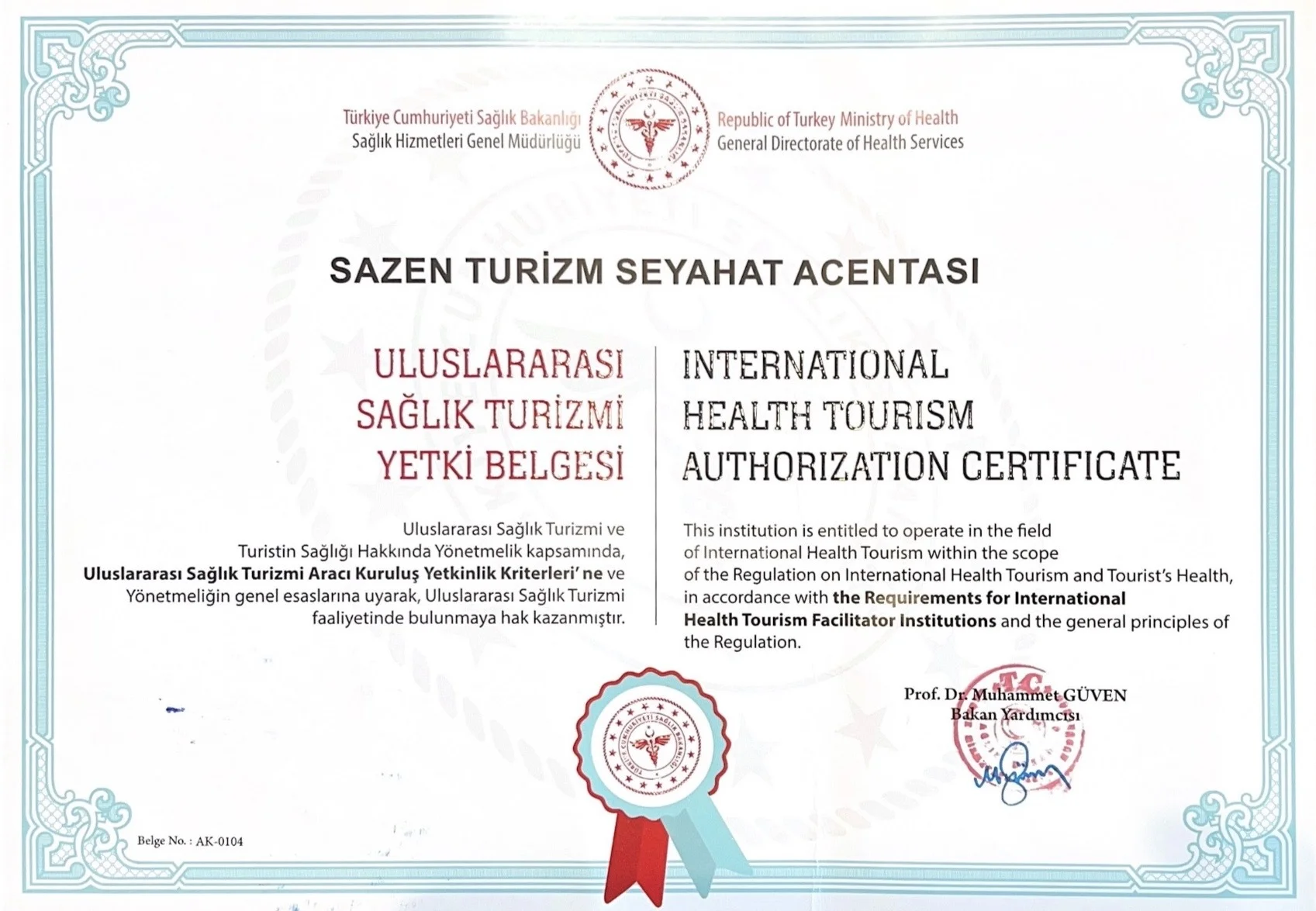
At CK Health Turkey, we understand the profound impact that postpartum changes and significant weight loss can have on a woman’s body and self-perception. We are dedicated to providing world-class aesthetic and bariatric surgery services to international patients, including those seeking a breast lift with augmentation for postpartum weight loss. Our team of highly experienced, board-certified plastic surgeons, state-of-the-art facilities, and patient-centric approach ensure exceptional care and outstanding results.
We specialize in facilitating a seamless experience for our international clientele, handling everything from initial consultation to post-operative follow-up. Our commitment to patient safety, ethical practice, and transparent communication sets us apart. We believe that everyone deserves to feel confident and comfortable in their skin, and our tailored treatment plans reflect this philosophy.
For an individualized consultation and to learn more about how CK Health Turkey can assist you in achieving your aesthetic goals, we encourage you to get in touch with our patient coordination team or visit our website for further information. Your journey towards renewed confidence begins here.
FAQs
How long do the results of a breast lift with augmentation last?
The results are generally long-lasting, but natural aging, gravity, and significant weight fluctuations can affect them over time. Implants may require replacement after 10-15 years.
Will I be able to breastfeed after a breast lift with augmentation?
While some patients may retain the ability to breastfeed, it is not guaranteed. The surgery can potentially affect milk ducts and nerve sensation, making breastfeeding challenging or impossible for some.
What kind of scarring can I expect?
The extent and visibility of scars depend on the incision technique used. While scars are permanent, they typically fade and soften over 12-18 months. Your surgeon will discuss scar management strategies.
How much pain will I experience during recovery?
Pain levels vary among individuals. Most patients experience moderate discomfort, which can be effectively managed with prescribed pain medication. Discomfort typically subsides significantly within the first week.
When can I resume exercise after the procedure?
Light walking can usually be resumed within a few days. Strenuous exercise, heavy lifting, and activities that involve the chest muscles should be avoided for at least 6-8 weeks, or as advised by your surgeon.
Is it possible to combine this procedure with other ‘mommy makeover’ surgeries?
Yes, a breast lift with augmentation is often combined with other procedures like a tummy tuck or liposuction as part of a comprehensive ‘mommy makeover’ to address multiple areas of concern simultaneously. This can reduce overall recovery time compared to separate surgeries.
What is capsular contracture and how is it prevented?
Capsular contracture is a complication where scar tissue around the breast implant hardens and tightens, potentially causing discomfort or distorting the breast shape. While the exact cause is not always clear, prevention strategies include massage, specific surgical techniques, and certain implant types.
How soon after childbirth or weight loss can I have this surgery?
It is generally recommended to wait at least 6-12 months after breastfeeding has ceased and for your weight to be stable for at least 6 months before undergoing a breast lift with augmentation. This ensures optimal healing and long-lasting results.