
Highlights
- Preoperative fasting is a critical safety measure to prevent pulmonary aspiration, which occurs when stomach contents enter the lungs while protective reflexes are suppressed by anesthesia.
- General guidelines recommend stopping solid food at least six to eight hours before surgery, while clear liquids like water may be permitted until two hours prior.
- In the weeks leading up to the procedure, patients should prioritize a balanced diet rich in lean proteins, vitamins, and quality carbohydrates to support tissue repair and wound healing.
Preparing your body properly before cosmetic surgery can make the day of your procedure safer and more comfortable. Fasting before plastic surgery is particularly important when general anaesthesia or deep sedation is involved, but good preparation starts well before the final hours without food. Knowing what to eat in the days before surgery, when to stop eating, and which drinks may still be permitted can help you arrive better prepared for your procedure.
Table of Contents
Why Is Fasting Before Plastic Surgery Important?
Preoperative fasting is primarily an anaesthesia safety measure.
When you are under general anaesthesia or deep sedation, normal protective reflexes such as coughing and swallowing are reduced. If food or liquid remains in the stomach, there is a risk that stomach contents can move back into the throat and enter the lungs. This is known as pulmonary aspiration and can lead to serious respiratory complications.
This is why your surgeon and anaesthesia team will give you specific instructions about when to stop eating and drinking.
Guidelines commonly used for healthy adults undergoing elective procedures allow clear liquids until around two hours before anaesthesia, while a light meal generally requires at least six hours of fasting. Meals containing fried, fatty foods or meat can require eight hours or longer because they may take more time to leave the stomach.
However, these are general guidelines rather than personal instructions. Always follow the fasting times provided by your own surgical and anaesthetic team, even if they differ from general recommendations.
How Long Should You Fast Before Plastic Surgery?
For many healthy adults having elective surgery under general anaesthesia, a common approach is:
| Food or drink | Typical minimum fasting period |
|---|---|
| Clear liquids | 2 hours |
| Light meal | 6 hours |
| Milk and non-clear drinks | 6 hours |
| Fatty, fried or heavy meal | 8 hours or longer |
Examples of clear liquids can include water and, depending on your hospital’s instructions, clear tea or black coffee without milk. Drinks containing milk, smoothies and juices containing pulp are generally not treated as clear fluids.
One important point is that fasting does not necessarily mean avoiding both food and water from midnight. Modern perioperative guidance often permits clear fluids closer to surgery because unnecessarily prolonged fasting can contribute to thirst, dehydration and discomfort.
Your hospital may nevertheless give you a specific cut-off time based on your operation time and medical circumstances. That instruction takes priority.
What If My Plastic Surgery Is in the Morning?
Patients having an early operation are commonly told to stop solid food during the night before surgery while being allowed certain clear fluids for longer.
The exact times vary between hospitals. For example, some NHS surgical guidance allows clear, non-fizzy drinks until approximately two hours before surgery while requiring patients to stop eating at least six hours beforehand.
Do not calculate your fasting period yourself if your surgical team has already given you a specific schedule.
What If My Surgery Is in the Afternoon?
An afternoon operation does not automatically mean that you need to go without food from the previous evening.
Some protocols permit a light early breakfast before beginning the required fasting period. Guy’s and St Thomas’ NHS Foundation Trust, for example, provides patients scheduled later in the day with instructions that may include an early light breakfast followed by fasting.
Again, follow the schedule given specifically for your procedure.
What to Eat Before Plastic Surgery
Patients often focus on the final fasting period, but what to eat before plastic surgery in the days and weeks leading up to the procedure can also matter.
Surgery creates additional nutritional demands as the body begins repairing tissues and healing wounds. The American College of Surgeons recommends adequate calories, protein, vitamins and minerals when preparing for surgery.
A balanced preoperative diet can include:
- Lean protein such as chicken, turkey, fish and eggs
- Beans, lentils and other plant-based protein sources
- Yogurt, milk or suitable dairy alternatives
- Vegetables and fruit
- Whole grains
- Nuts and seeds where appropriate
- Adequate fluids
The goal is usually not to follow a restrictive “surgery diet.” Instead, aim to provide the body with enough energy and nutrients before the temporary stress created by an operation.
Prioritise Protein
Protein provides amino acids needed for tissue maintenance and repair. This makes adequate protein intake particularly relevant around procedures involving incisions and wound healing.
Useful protein sources include fish, chicken, turkey, eggs, dairy products, beans, tofu and nuts.
Recent plastic surgery literature has also highlighted the relationship between perioperative nutritional status and wound-related outcomes. A 2026 review examining protein and vitamin supplementation in plastic surgery found that nutritional assessment may be especially important in patients with deficiencies or increased nutritional risk, including some patients undergoing post-bariatric body contouring. However, supplementation should be targeted rather than assuming that every patient needs high-dose vitamins or supplements.
Include Fruits and Vegetables
A varied diet containing vegetables and fruit provides vitamins, minerals and other nutrients involved in normal immune function and tissue repair.
Rather than concentrating on one supposed “healing food,” aim for variety. Different vegetables and fruits provide different micronutrients, making a balanced diet more useful than relying on a single ingredient or supplement.
Choose Quality Carbohydrates
Carbohydrates provide energy, which your body needs both before and after surgery.
Suitable choices can include:
- Oats
- Wholegrain bread
- Rice
- Potatoes
- Wholegrain pasta
- Fruit
Some enhanced recovery programmes even use specifically formulated carbohydrate drinks before certain operations. The NHS notes that selected enhanced recovery pathways may permit carbohydrate-containing clear drinks until approximately two hours before surgery.
That does not mean you should drink a carbohydrate beverage on your own before plastic surgery. Only use one if it forms part of the protocol given by your clinical team.
What Should You Eat the Day Before Plastic Surgery?
Unless your surgical team gives you a specific diet, the day before surgery is usually a good time to keep meals balanced and relatively straightforward.
A typical day might include protein, vegetables and a carbohydrate source rather than an unusually large or heavy “last meal.”
For example:
Breakfast: eggs with wholegrain toast and fruit
Lunch: grilled chicken with rice and vegetables
Dinner: fish with potatoes and vegetables
Snacks: yogurt, fruit or a small portion of nuts
This is only an example rather than a required surgical diet.
Particularly close to the fasting period, avoid turning your final meal into a very large, fried or fatty meal. Fatty foods can delay gastric emptying, which is one reason anaesthesia guidance may require a longer fasting period after such meals.
Foods and Drinks to Avoid Before Plastic Surgery
Your exact restrictions depend on your procedure, health and medications, but several principles are useful.
Heavy and Fatty Meals
Large meals containing fried or fatty foods can remain in the stomach longer than a light meal.
If you eat this type of meal close to your procedure, the anaesthesia team may require a longer fasting interval.
Alcohol
Avoid alcohol according to the instructions provided by your surgical team. Alcohol can affect hydration, interact with medications and complicate perioperative care.
Do not consider alcohol a clear fluid during the fasting period.
Milk, Smoothies and Similar Drinks
A drink can look harmless while still counting as food for fasting purposes.
Milk, coffee or tea containing milk, smoothies and juices containing pulp are generally not considered clear liquids in standard fasting protocols.
Chewing Gum and Sweets
Policies concerning chewing gum vary, but many hospitals instruct patients not to chew gum or suck sweets before surgery.
Follow your clinic’s instructions rather than assuming that something is acceptable because you are not technically swallowing a meal.
Can You Drink Water Before Plastic Surgery?
Often, yes — until the cut-off specified by the anaesthesia team.
Modern fasting protocols commonly allow healthy adults to drink clear liquids until around two hours before elective anaesthesia.
This does not mean every plastic surgery patient should automatically drink water until exactly two hours before their procedure. Individual circumstances can change the plan.
Patients with conditions that affect gastric emptying or increase aspiration risk may receive different instructions.
Ozempic, Mounjaro and Other GLP-1 Medicines Before Surgery
Tell your surgeon and anaesthetist if you use semaglutide, tirzepatide or another GLP-1 medicine, including medications such as Ozempic, Wegovy or Mounjaro.
These medicines can delay stomach emptying, which has particular relevance when anaesthesia is planned.
Current multi-society guidance indicates that many patients can continue GLP-1 treatment before surgery, but management should be individualised. Patients at increased risk of delayed gastric emptying may be advised to follow a liquid-only diet for 24 hours or may require other modifications to the anaesthesia plan.
Do not independently stop prescription medication simply because you are having plastic surgery. Discuss it with the clinician who prescribes the medication and your surgical or anaesthesia team.
Diabetes and Fasting Before Surgery
People with diabetes require individual fasting and medication instructions.
Fasting can alter blood glucose levels, while medications such as insulin and some diabetes tablets may require adjustments around surgery. NHS guidance specifically recommends ensuring that the surgical team is aware if you have diabetes and use insulin or other treatment.
Do not simply skip diabetes medication or change your dose without receiving medical instructions.
What About Vitamins and Supplements?
Tell your surgical team about everything you take, including:
- Prescription medicines
- Over-the-counter medicines
- Vitamins
- Herbal products
- Sports supplements
- Weight-loss medicines
Preoperative assessment commonly includes reviewing medications, vitamins and herbal supplements because some products may need to be stopped or adjusted before surgery.
More supplements are not automatically better. If a nutritional deficiency is suspected, targeted assessment and correction is more appropriate than starting high-dose supplements without medical advice.
What Happens If You Accidentally Eat Before Surgery?
Tell the surgical team.
Do not hide the fact that you ate or drank because you are worried that your operation might be delayed.
The anaesthetist needs accurate information about what you consumed, how much you had and when you consumed it. Depending on those factors, the procedure may need to be delayed to allow the stomach enough time to empty.
The reason is safety rather than inconvenience: stomach contents present during anaesthesia can increase the risk of aspiration into the lungs.
A Simple Pre-Surgery Food and Fasting Checklist
In the days before surgery:
- Eat a balanced diet with adequate protein, vegetables, fruit and carbohydrates.
- Stay appropriately hydrated unless you have been given fluid restrictions.
- Avoid crash dieting immediately before your operation.
- Tell your medical team about medicines, vitamins, supplements and weight-loss injections.
- Confirm the exact time you must stop eating.
- Confirm which drinks are permitted and when you must stop drinking them.
- Keep the final meals before your fasting period relatively light rather than choosing a large fatty or fried meal.
- Once the instructed fasting period begins, follow it exactly.
- If you accidentally eat or drink after your cut-off time, tell the team before your operation.
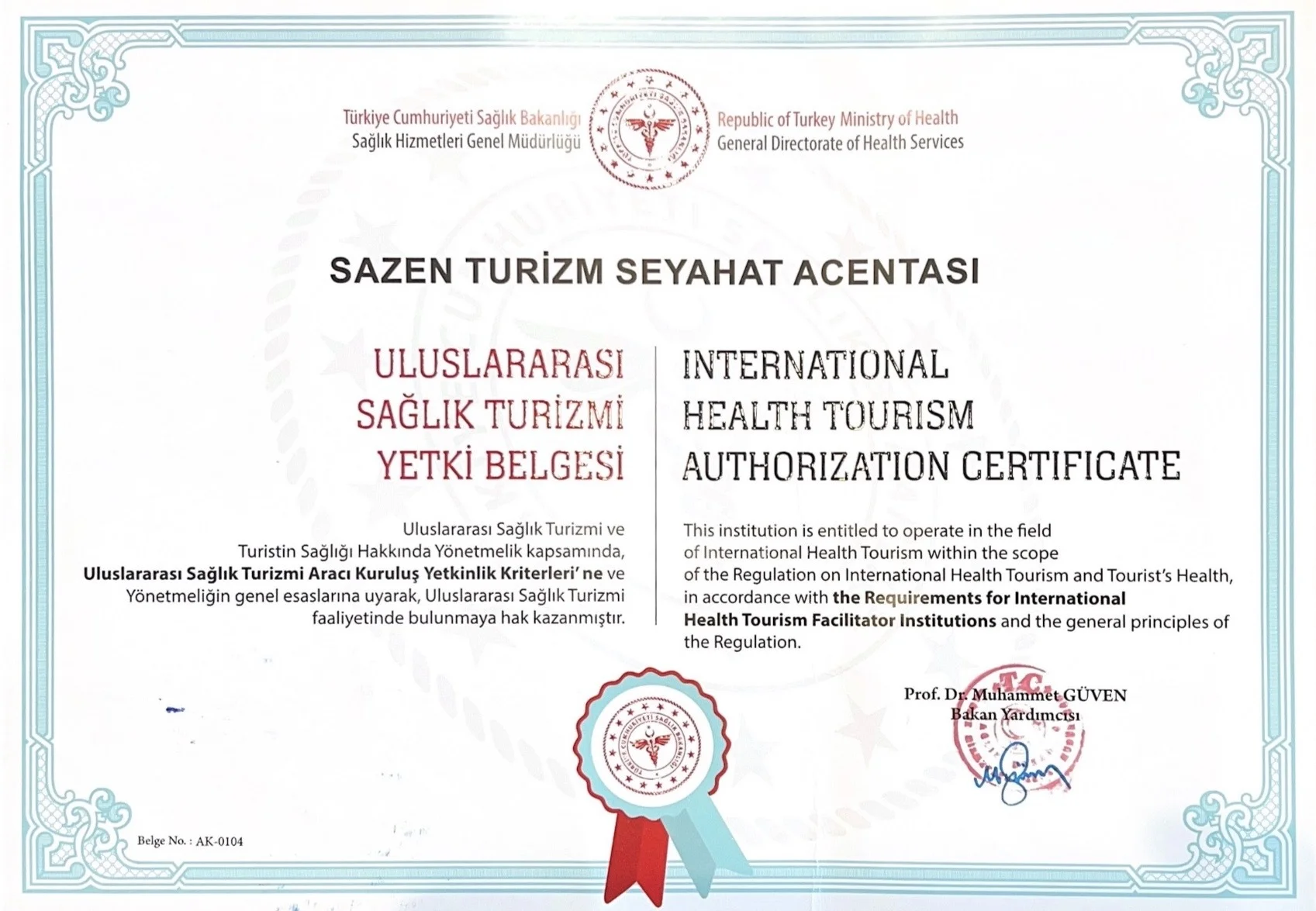
CK Health Turkey: Preparing for Plastic Surgery in Turkey
Preoperative preparation becomes particularly important when travelling abroad for cosmetic surgery because patients need to coordinate both their treatment and their travel plans.
CK Health Turkey supports international patients through treatment planning and coordination in Turkey. Before your procedure, make sure you have received clear instructions covering your fasting time, medications, supplements and anything else you should do before arriving for surgery.
Rather than relying on general information found online, your personal instructions should reflect your planned procedure, anaesthesia and medical history.
If you are considering plastic surgery in Turkey, contact CK Health Turkey for more information and a personalised assessment before arranging your treatment.
Eating well before an operation can help ensure that your body has the nutrients it needs, while following the correct fasting instructions helps make anaesthesia safer. The key to fasting before plastic surgery is therefore not simply avoiding food for as long as possible, but following the specific eating and drinking schedule given by your surgical and anaesthetic team.