Highlights
- Patients are generally advised to wait 48 hours after surgery before taking their first shower, though they should always receive explicit clearance from their surgical team first.
- Safety is paramount during the first shower, requiring the presence of an assistant and the use of lukewarm water to prevent dizziness or orthostatic hypotension.
- While gentle showering is encouraged for hygiene and morale, patients must avoid soaking in baths, pools, or hot tubs for several weeks to prevent infection and protect healing incisions.
Achieving a restored silhouette through surgery is a life-changing milestone, yet the recovery phase requires meticulous attention to detail. One of the most common questions patients ask involves hygiene and the timing of their first shower after Mummy Makeover surgery. Understanding these protocols ensures both comfort and a lower risk of post-operative complications.
Table of Contents
A Mummy Makeover typically combines several procedures, such as a tummy tuck (abdominoplasty), breast lift or augmentation, and liposuction. Because this is a major surgical event involving multiple incision sites, your body needs a specific window of time to begin the initial healing process before being exposed to running water. While you will likely feel eager to wash away the hospital environment, patience and precision are your best allies during the first week of recovery.
Understanding the Timeline for Your First Shower
The standard medical recommendation for a first shower after Mummy Makeover is usually 48 hours after the procedure. However, this timeline can vary significantly based on the specific techniques used by your surgeon and whether you have surgical drains in place. Some surgeons utilize advanced skin glues that allow for earlier showering, while others prefer a more conservative approach to protect traditional sutures or dressings.
During the first 24 hours, your body is in the acute inflammatory phase of healing. Your incisions are fresh, and your cardiovascular system is still stabilizing after anesthesia. It is common to feel lightheaded or dizzy during this period, which makes standing in a shower potentially hazardous. Most patients find that a gentle sponge bath, focusing on areas away from the surgical sites, is the safest way to maintain hygiene during the first day.
By the second or third day, most patients are mobile enough to attempt a full shower. This transition is a significant psychological milestone in recovery, as it often helps patients feel more like themselves. Despite the 48-hour guideline, you must always wait for explicit clearance from your surgical team, as they are the only ones who know the exact nature of your wound closure.
Safety First: Preparing for the Experience
Taking a shower after multi-site surgery is not as simple as it was before your procedure. You will likely be wearing a compression garment or a surgical bra, and removing these for the first time can cause a sudden shift in blood pressure. This phenomenon, known as orthostatic hypotension, can lead to fainting. Therefore, preparation is the most critical aspect of your safety.
The Role of an Assistant
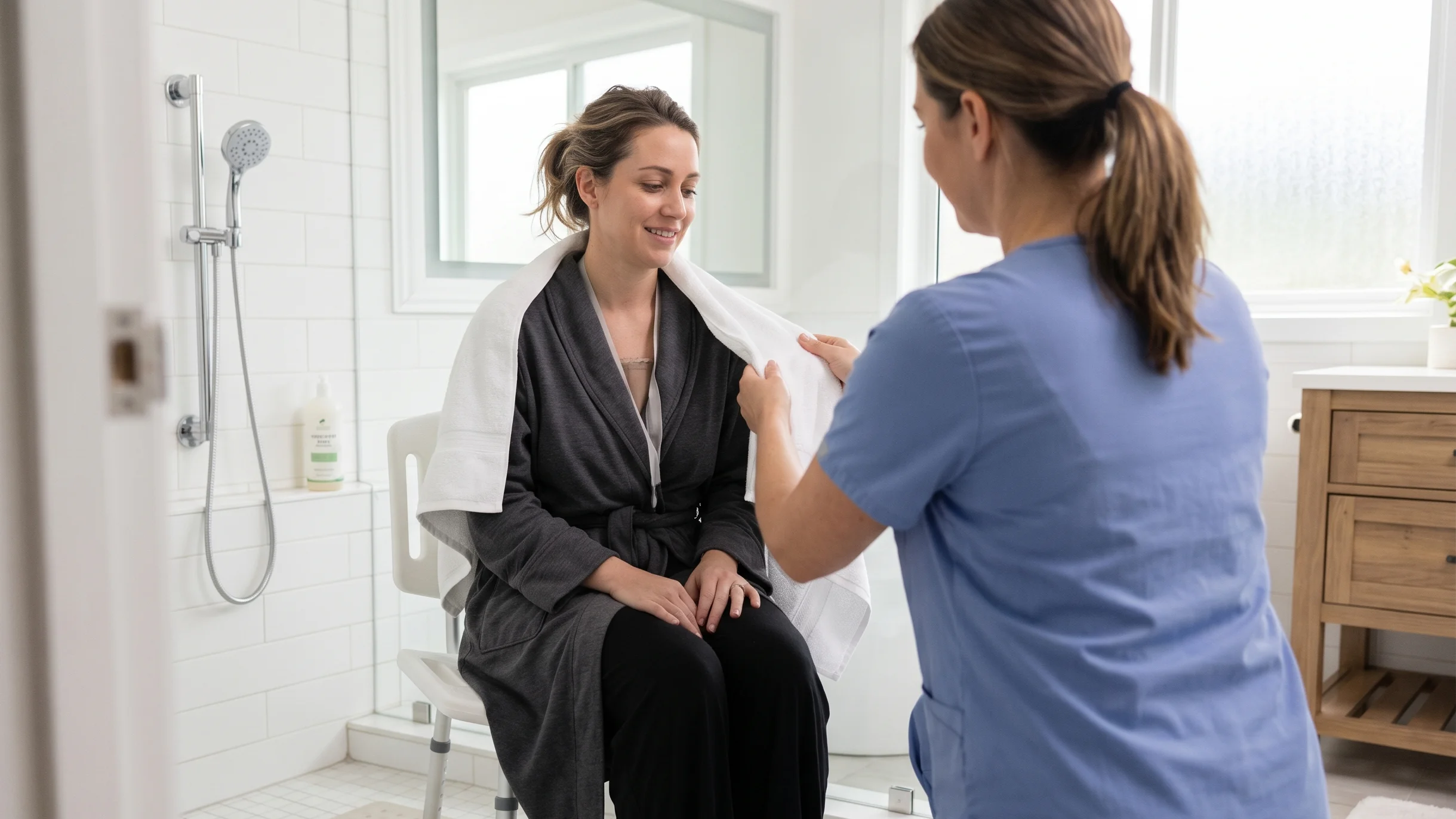
You should never attempt your first shower after Mummy Makeover alone. Having a partner, friend, or professional caregiver nearby is essential. They do not necessarily need to be in the shower with you, but they should be in the bathroom to help you manage your garments, assist with balance, and monitor you for signs of dizziness.
Setting Up the Environment
Before you even step into the bathroom, ensure the environment is optimized for a post-surgical patient. The bathroom should be warm to prevent shivering, but not steamy, as excessive humidity can make breathing feel difficult and increase lightheadedness.
- Place a sturdy waterproof chair or stool inside the shower.
- Ensure a non-slip mat is securely in place.
- Have clean, dry towels within easy reach.
- Prepare your post-surgical compression garments for easy re-application.
- Use a handheld showerhead if available to control water flow.
The Step-by-Step Guide to Your First Shower after Mummy Makeover
Once you have been cleared by your surgeon and have your assistance ready, follow this systematic approach to ensure your incisions remain protected.
- Sit on your shower chair or the edge of the bed and slowly remove your compression garments.
- Wait a minute or two for your body to adjust to the change in pressure before standing up.
- Check your incision sites for any unexpected redness or discharge before entering the water.
- Set the water temperature to lukewarm; hot water can increase swelling and cause dizziness.
- Step into the shower slowly, keeping your back to the water stream to avoid direct pressure on breast or abdominal incisions.
- Use a mild, fragrance-free, or antibacterial soap as recommended by your surgeon.
- Allow the soapy water to run gently over your incisions rather than scrubbing them.
- Rinse thoroughly, ensuring no soap residue remains in the folds of the skin or near drains.
- Step out carefully and sit down immediately if you feel any fatigue.
- Pat yourself dry with a clean, soft towel—do not rub the skin.
- Ensure all incision areas are completely dry before reapplying your compression garments.
Scientific Perspectives on Post-Surgical Hygiene
Modern surgical practices have shifted toward allowing earlier hygiene routines based on clinical evidence. A significant body of research suggests that early showering does not negatively impact wound healing.
In a comprehensive study published in the journal Plastic and Reconstructive Surgery, researchers evaluated the impact of showering 24 to 48 hours post-operation on surgical site infections (SSIs). The findings indicated that there was no statistically significant difference in infection rates between patients who showered early and those who delayed showering for several days. Furthermore, the study noted that early showering improved patient morale and overall satisfaction during the early recovery phase. This insight underscores the shift toward patient-centered recovery protocols that prioritize hygiene as long as basic safety measures are followed.
Managing Drains and Incisions During Hygiene
One of the most intimidating aspects of the first shower after Mummy Makeover is dealing with surgical drains. These tubes are often placed in the abdomen to prevent fluid buildup (seromas). While they look delicate, they are usually sutured into place and are more resilient than they appear.
Handling Surgical Drains
If you have drains, you cannot simply let them hang freely during a shower, as the weight can pull uncomfortably on the skin. Many patients use a “drain lanyard” or a soft ribbon tied around the neck to pin the drains to. This keeps them at chest level and prevents them from swinging. When washing, treat the exit site of the drain with the same care as your primary incisions—gentle soap and water only, with no tugging.
Wound Care and Tapes
You may have Steri-Strips (small white tapes) or surgical glue over your incisions. It is important to leave these alone. They are designed to stay in place for a week or more. If they get wet, simply pat them dry. If a piece starts to peel at the edges, you can carefully trim the loose end with clean scissors, but never pull the tape off your skin. The moisture from the shower will not harm these medical-grade adhesives as long as you do not submerge them in a bathtub.
Hygiene Comparison: What to Avoid
While showering is generally encouraged after the first 48 hours, not all forms of water exposure are created equal. The following table highlights the differences between safe hygiene and risky activities during the first six weeks of recovery.
| Activity Type | Safety Status | Recommended Timing | Why? |
| Lukewarm Shower | Safe (with clearance) | 48 Hours Post-Op | Cleanses skin without soaking incisions. |
| Sponge Bath | Very Safe | Immediate Post-Op | Zero risk of dizziness or water immersion. |
| Bathtub Soaking | Avoid | 4–6 Weeks Post-Op | Risks infection and softens healing tissue. |
| Swimming Pools | Avoid | 6+ Weeks Post-Op | Chlorine and bacteria pose high infection risks. |
| Hot Tubs/Saunas | Avoid | 8+ Weeks Post-Op | Extreme heat increases swelling and vasodilation. |
| Ocean/Saltwater | Avoid | 6+ Weeks Post-Op | Potential for bacteria and abrasive sand. |
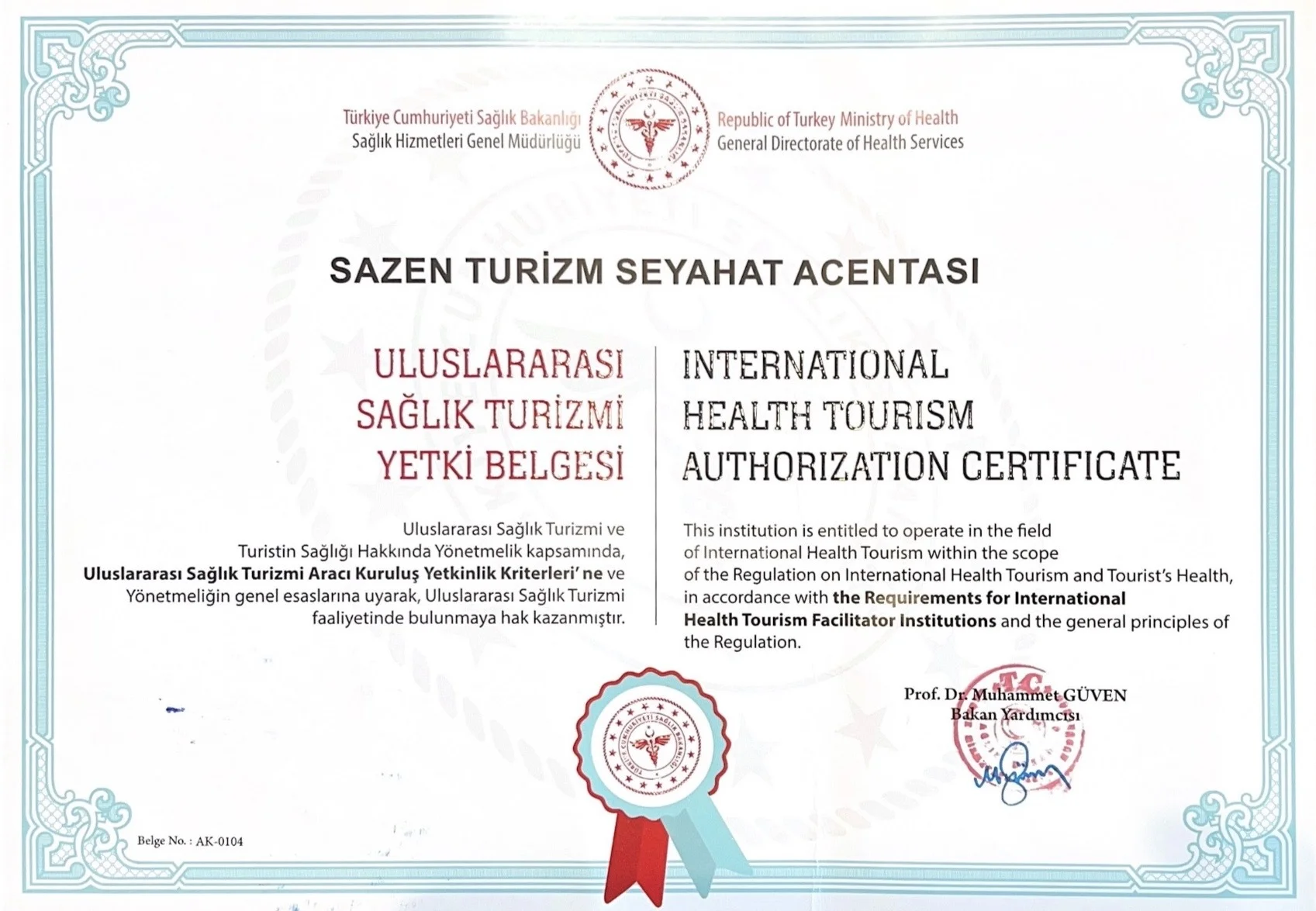
CK Health Turkey: Excellence in Post-Operative Care
For international patients seeking a transformative experience, CK Health Turkey stands as a premier destination for Mummy Makeover procedures. We recognize that the journey does not end when you leave the operating theater; the quality of your recovery is just as important as the surgery itself.
Our team provides comprehensive post-operative instructions tailored to each patient, ensuring you feel confident about every step, including your first shower after Mummy Makeover. By choosing our services in Turkey, you benefit from world-class surgical expertise combined with an environment designed for healing and relaxation. We offer detailed aftercare support to help you navigate the nuances of hygiene, garment management, and wound care while you recover in comfort.
If you are considering a Mummy Makeover and want to learn more about our all-inclusive packages and expert medical teams, we invite you to visit our website or contact us for a personalized consultation. Your journey to a renewed self deserves the highest standard of care.
Common Challenges and How to Solve Them
Even with the best preparation, the first shower can present some minor hurdles. Knowing how to handle these can prevent unnecessary anxiety.
Managing Hair Care
Washing your hair can be difficult if you have had a breast lift or augmentation, as lifting your arms above your head may be restricted. To solve this, rely on your handheld showerhead or have your assistant wash your hair while you sit comfortably. Alternatively, many patients find that professional “blow-dry” bars or local salons are a great way to handle hair hygiene without straining their surgical sites.
Dealing with Post-Shower Fatigue
It is remarkably common to feel exhausted after your first shower. The combination of standing, the warmth of the water, and the effort of moving can be taxing. Plan to have a clear schedule for at least an hour after your shower so you can lie down and rest. Keeping a light snack or a glass of water nearby can also help stabilize your energy levels.
Incision Sensitivity
As the nerves begin to heal, your skin may feel hypersensitive or even numb in certain areas. You might experience a “pins and needles” sensation when the water hits your skin. This is a normal part of the neurological recovery process. If the sensation is too intense, adjust the water pressure to a lower setting or use a soft washcloth to buffer the water flow.
Long-Term Incision Care After the First Week
Once you have successfully navigated the first few showers, your focus will shift toward long-term scar management. After the first two weeks, and once the incisions are fully closed with no scabbing, your surgeon may recommend silicone sheets or gels.
Consistent hygiene remains a priority throughout the first month. Continue to avoid scented lotions or oils directly on the incision lines until you receive the “all-clear.” Keeping the skin clean and dry is the best way to support the body’s natural ability to remodel scar tissue.
The transition to your first shower after Mummy Makeover is a vital part of reclaiming your autonomy and comfort after surgery. By following professional guidelines, utilizing a support system, and being patient with your body’s limitations, you can ensure that this milestone supports a healthy, infection-free recovery. Be mindful of your energy levels, keep your movements slow, and always prioritize the integrity of your incisions as you embrace your new results.