Navigating your flying home after body lift surgery requires careful preparation, as major body contouring places unique demands on your physical mobility. Combining a 360 circumferential body lift with a Fleur-de-Lis (FDL) tummy tuck creates multi-directional skin tension that makes standard travel posture challenging. Following a structured post-operative travel strategy ensures a safe, comfortable flight while protecting your surgical results and healing incisions.
Table of Contents
Anatomical Impact of 360 FDL Surgery on Travel Mobility
A 360 circumferential body lift combined with a Fleur-de-Lis (FDL) tummy tuck is one of the most transformative body contouring procedures performed today, particularly for massive weight loss patients. However, it is also one of the most extensive. The 360 aspect involves a continuous horizontal incision around the entire midsection, removing excess skin and lifting the buttocks, outer thighs, and abdomen. The FDL component adds a vertical incision along the center of the abdomen, addressing severe horizontal skin laxity.
Because skin and underlying tissues are tightened both horizontally and vertically, your core experiences significant multi-directional tension. In the first few weeks following surgery, standing completely upright is physically restricted to protect the T-junction incisions from pull or dehiscence. Patients naturally adopt a slightly bent posture, often called the “prentice position” or “beach chair stance.”
Traveling in a commercial aircraft while maintaining this restricted posture presents distinct physical challenges. Airplane seats are ergonomically designed for upright sitting, which places direct strain on abdominal incisions and increases intra-abdominal pressure. Furthermore, prolonged sitting combined with surgical trauma and reduced mobility elevates fluid retention and swelling in the lower extremities. Understanding these anatomical constraints is the first step toward planning a safe journey home.
Medical Clearance and Travel Timelines
Surgeons establish strict travel protocols based on surgical extent, healing progress, and overall patient health. You must never board a flight without a formal fit-to-fly assessment and clearance certificate from your surgical team.
| Procedure Type | Minimum Stay Before Flying | Primary Mobility Constraint | Key Flight Risk Factors |
| Standard Tummy Tuck | 7–10 Days | Limited forward flexion | Moderate swelling, mild mobility restriction |
| 360 Circumferential Body Lift | 10–14 Days | Full midsection tightness | Increased DVT risk, buttock pressure |
| 360 FDL Body Lift | 12–14 Days | Severe vertical & horizontal tension | High T-junction tension, reduced posture flexibility |
| 360 FDL + Breast Uplift | 14 Days | Upper & lower body movement restriction | Difficulty carrying luggage, elevated fatigue |
For a 360 FDL tummy tuck, a minimum stay of 12 to 14 days in your surgical destination city is highly recommended. This window allows drain tubes to be safely removed, initial wound closure to stabilize, and immediate post-operative complications to be ruled out before exposure to cabin altitude changes.
Timeline and Travel Readiness for Flying After 360 Tummy Tuck
Planning your travel schedule around clinical milestones ensures that your body is physically capable of handling airport transit and cabin pressure changes. Below is the typical clinical timeline recommended for international patients.
Days 1 to 5: Immediate Surgical Recovery
During this initial phase, patient focus is entirely on pain management, drain care, and short, frequent walks around the hotel room or hospital ward to encourage blood circulation. Drains are actively monitoring fluid clearance, and mobility remains significantly limited. Air travel during this window is strictly contraindicated due to acute inflammatory responses and high thrombosis risk.
Days 6 to 10: Drain Removal and Incision Inspection
Fluid accumulation decreases, allowing most surgical drains to be removed. Your surgical team conducts detailed wound checks, focusing closely on the FDL vertical-horizontal T-junction. You will practice sitting comfortably in a recline and walking short distances with your compression garment fully secured.
Days 11 to 14: Fit-to-Fly Evaluation and Clearance
Your surgeon evaluates incision stability, checks for signs of seroma or skin distress, and performs a final physical assessment. Upon passing, you receive a medical fit-to-fly certificate along with prescriptions for necessary flight medications, such as blood thinners or muscle relaxants.
Research Insight: Thromboembolism Prevention in Post-Bariatric Body Contouring
Scientific literature emphasizes that extensive body contouring in post-bariatric patients carries an elevated risk of deep vein thrombosis (DVT) and pulmonary embolism (PE) due to prolonged operative times and tissue trauma. A clinical study published in Plastic and Reconstructive Surgery evaluated venous thromboembolism protocols in circumferential body lift procedures and highlighted that combining low-molecular-weight heparin (LMWH) prophylaxis with early, controlled ambulation and medical-grade compression garments significantly reduces thromboembolic events without increasing major hematoma rates. Integrating active calf muscle pumps and maintaining continuous compression during air travel are crucial clinical measures for mitigating cabin-induced venous stasis.
Essential Guidelines for Your Flight After FDL Tummy Tuck
Executing a safe flight after FDL tummy tuck requires advance preparation and clear coordination with your airline. Taking advantage of available passenger assistance services removes physical exertion and protects your core from accidental strain.
Booking Special Airport Assistance
Contact your airline at least 48 to 72 hours prior to departure to request Special Assistance (DPNA or WCHR service). Airport staff will meet you at check-in with a wheelchair and escort you through priority security lanes, immigration, and directly to the boarding gate. This service eliminates miles of walking and standing in long queues, which can cause significant abdominal swelling and fatigue.
Packing Your In-Flight Medical Kit
Keep all essential post-operative supplies in your small carry-on bag under the seat in front of you, ensuring you never have to reach into overhead bins. Your kit should include:
- Prescribed pain medications and anti-inflammatory drugs
- Single-dose anticoagulant injections if prescribed by your surgeon
- Wound care supplies, sterilizing wipes, and extra abdominal padding
- Compression garment extension panels or extra foam pads
- Hydration salts and high-protein snacks
Managing Luggage and Physical Restrictions
Patients recovering from a 360 FDL body lift must adhere to a strict lifting limit of no more than 5 kilograms (11 pounds) for several weeks. Attempting to lift or roll heavy suitcases places sudden, intense pressure on the rectus abdominis repair and incision lines. If traveling alone, hire airport porter services or inform airline staff that you are physically unable to handle your baggage.
In-Flight Ergonomics, Posture, and Comfort Strategies
Sitting in an airplane seat for several hours demands strategic positioning to prevent incision pull and severe lower back fatigue.
Achieving the In-Seat “Beach Chair” Posture
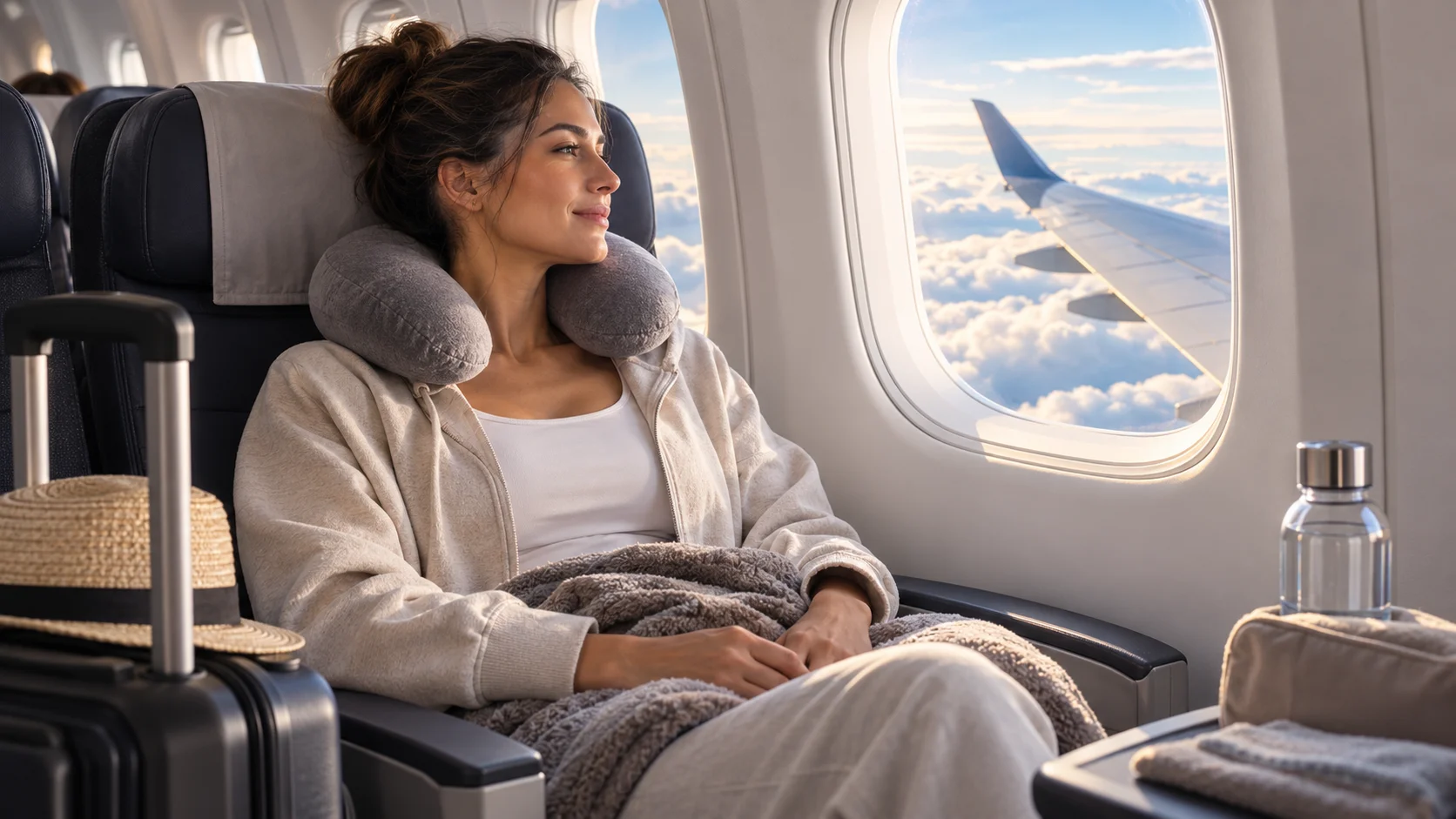
To replicate the protective posture recommended after a 360 FDL procedure, recline your airplane seat slightly as soon as the cabin crew allows it. Place a small inflatable travel pillow or folded blanket behind your lower back to support your lumbar spine, and place a second pillow beneath your knees. Elevating your knees decreases tension on the vertical FDL abdominal incision and prevents pulling along the lower hip incisions.
Managing Cabin Pressure and Fluid Retention
Cabin altitude changes cause mild tissue expansion, which can feel uncomfortable inside a snug compression garment. Keep your Stage 1 post-surgical binder securely fastened, as it provides necessary external support against intra-abdominal pressure changes. Drink water continuously throughout the flight—aiming for 250ml per hour—while avoiding caffeine, alcohol, and high-sodium flight meals that worsen fluid retention.
Safe In-Seat Circulation Exercises
In-flight mobility is essential for venous blood flow. Perform simple calf pump exercises every 20 minutes by flexing your feet up and down while seated. Every hour, stand up carefully with the assistance of the seat arms, stretch your legs, and take a short 2-minute walk along the aisle. Avoid sudden twisting motions of the torso or straining upward to reach overhead compartments.
Step-by-Step Protocol for Flight Day
- Take your prescribed morning medications and apply fresh dressings over all incision sites, ensuring extra foam padding is positioned beneath your compression garment over sensitive T-junction areas.
- Arrive at the airport at least 3 hours prior to departure to allow ample time for wheelchair assistance dispatch and relaxed passage through security screening.
- Inform security officers about your recent surgical procedure and compression garment, requesting a private pat-down search if the metal detector or body scanner requires inspection of surgical binders or foam inserts.
- Pre-board the aircraft during priority boarding for medical passengers, allowing you to settle into your seat without rushing or navigating crowded aisles.
- Recline your seat slightly, place support pillows behind your lumbar spine and under your knees, and adjust your compression garment for sitting comfort.
- Perform ankle pump exercises continuously during the flight and walk down the cabin aisle briefly once per hour when the seatbelt sign is off.
- Remain seated upon landing until all other passengers have deplaned, allowing airport wheelchair assistants to meet you directly at the aircraft door.
Surgical Excellence and Patient Aftercare with CK Health Turkey
Undergoing major body contouring overseas requires a medical team that prioritizes safety at every stage of the journey, including your return travel. CK Health Turkey, based in Antalya, specializes in comprehensive surgical care tailored specifically for international patients seeking extensive procedures like 360 circumferential body lifts and Fleur-de-Lis tummy tucks.
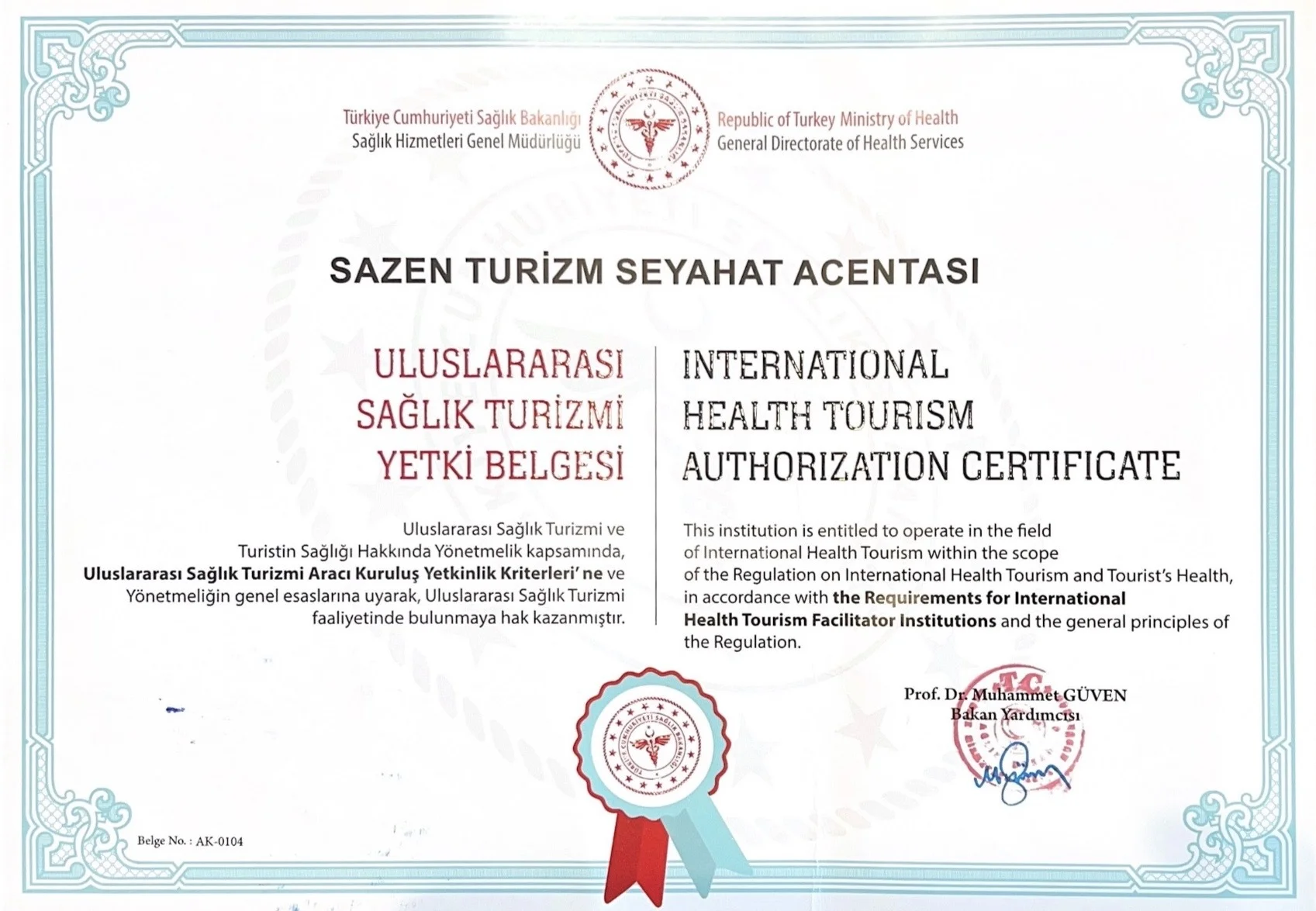
From the moment you arrive in Antalya, CK Health Turkey provides structured support to eliminate stress. Patients receive dedicated VIP transfers between the airport, private hospital, and recovery accommodations. Surgical procedures are performed in accredited medical facilities by highly experienced plastic surgeons who utilize advanced surgical techniques to optimize wound healing and aesthetic outcomes.
Recognizing the unique demands of long-distance travel after complex surgery, the medical coordination team at CK Health Turkey monitors your recovery daily. Prior to your departure, surgeons perform rigorous physical checks, clear all surgical dressings, and issue official fit-to-fly documentation along with personalized flight safety instructions. To learn more about customized treatment plans and comprehensive international aftercare packages, contact the expert medical team at CK Health Turkey to begin your consultation.
Proper preparation, professional medical guidance, and practical in-flight strategies ensure a smooth transition from surgery to home recovery. By respecting physical limitations, utilizing airport mobility services, and maintaining protective seating postures, your flying after 360 tummy tuck experience can be safe, manageable, and supportive of your long-term aesthetic transformation.