Highlights
- Chest fullness after weight loss can be caused by residual fat, enlarged glandular tissue (gynecomastia), or loose skin, each requiring a different treatment approach.
- While additional weight loss may reduce fatty tissue, it does not reliably eliminate established glandular tissue or tighten significantly stretched skin.
- A professional medical examination is necessary to distinguish between these tissues and to rule out underlying hormonal issues or rare conditions like male breast cancer.
Gynecomastia vs chest fat after weight loss can be difficult to tell apart when you have worked hard to lose weight but your chest still looks full or uneven. Some men have remaining fatty tissue, others have enlarged breast gland tissue, and many have loose skin after weight reduction. Each problem may need a different approach, and surgery is not automatically necessary.
Table of Contents
Understanding what is actually causing the chest contour is the first step towards deciding whether further weight loss, observation or a medical or surgical assessment is appropriate.
Gynecomastia vs chest fat after weight loss: key differences
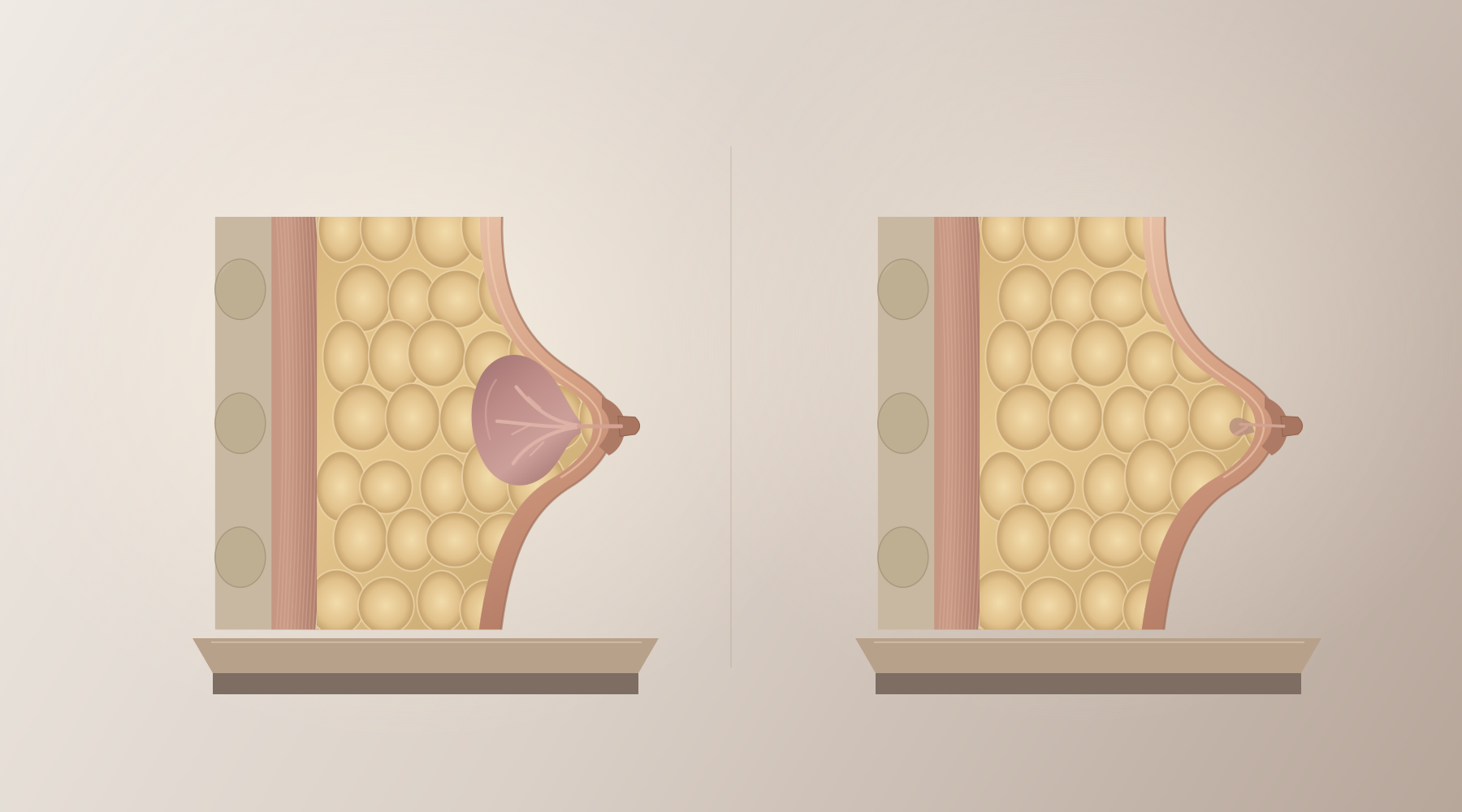
Gynecomastia means enlargement of glandular breast tissue in a male chest. Pseudogynecomastia, sometimes called lipomastia, means an increase in fatty tissue without enlargement of the breast gland. These two conditions can occur together.
After significant weight loss, a third issue often becomes important: skin that has lost elasticity and now hangs or folds over the lower chest. A patient can therefore have residual fat, glandular tissue, excess skin or a mixture of all three.
The European Academy of Andrology’s clinical practice guideline recommends a clinical examination specifically aimed at distinguishing genuine gland enlargement from fatty chest enlargement and checking for possible underlying causes.
The difference matters because additional weight loss can reduce fatty tissue, but it does not reliably remove established glandular tissue or tighten substantially stretched skin. A treatment directed at the wrong tissue may produce an unsatisfactory chest contour.
Why can a man’s chest remain enlarged after losing weight?
There is no single explanation. If you have lost a large amount of weight, you may still carry some fat around the chest. Fat distribution varies by genetics, hormones and individual body shape, so the chest does not necessarily shrink at the same rate as the waist or abdomen.
Longstanding gynecomastia can also become more apparent after surrounding fat decreases. A firm glandular area beneath the nipple may have been present before weight loss but was less obvious when the entire chest was fuller.
Another possibility is loose skin. Following substantial weight reduction, the skin may not contract enough to match the smaller volume underneath. This can create folds or a drooping appearance even when there is little remaining fat or glandular enlargement.
Changes in posture or chest muscle development can affect appearance, but they do not establish the cause of a lump or persistent swelling. The right assessment should consider the tissue beneath the skin rather than judging the result from a photograph alone.
How does glandular gynecomastia feel compared with chest fat?
During examination, glandular gynecomastia may feel like a more defined, rubbery or firm disc of tissue around or directly beneath the nipple-areola complex. Fatty chest tissue often feels softer and more diffuse. However, these descriptions are not a reliable self-test: many people have mixed tissue, and scar or other abnormalities can alter the feel.
The Endotext clinical review of gynecomastia discusses examining for glandular enlargement, tenderness, skin changes and other clues. A clinician should also consider whether a lump could represent something other than gynecomastia.
Do not assume every firm chest lump is a benign gland. A hard or rapidly enlarging lump, nipple discharge (especially bloody discharge), nipple retraction, suspicious skin changes or a new one-sided mass needs medical evaluation. Breast cancer is uncommon in men, but it is possible and should not be overlooked.
Why does loose skin look like chest fat?
After major weight loss, the outer skin may have lost some ability to retract. As the underlying fat volume decreases, the skin may hang down, sometimes forming a fold along the lower border of the chest.
In a standing position, the chest can look larger or sagging even if there is little internal volume. When lying down, the fold may look different, but changes with posture cannot reliably diagnose skin laxity by themselves.
The American Society of Plastic Surgeons (ASPS) explains that men after massive weight loss may require more extensive contouring and longer incisions because redundant skin accompanies residual tissue and fat.
This distinction matters for treatment planning: removing fat alone does not remove stretched skin. In some cases, taking away more volume can make the remaining loose skin appear even more noticeable.
Chest fat, gland tissue and excess skin compared
| Finding | What it means | Possible management |
|---|---|---|
| Predominantly chest fat | Residual subcutaneous fatty tissue | Weight management when appropriate; selected cases may consider liposuction |
| True gynecomastia | Enlarged male breast glandular tissue | Investigate causes; observation or selected medical care; persistent cases may need gland excision |
| Loose skin after weight loss | Skin envelope exceeds remaining tissue volume | Observation with stable weight; selected cases may need skin-reduction surgery |
| Mixed chest enlargement | Combination of fat, gland and/or loose skin | Individualised plan, sometimes combining techniques |
This table is an educational comparison, not a diagnosis. Only an appropriate medical examination can determine which combination applies to your chest.
Will losing more weight get rid of gynecomastia?
If the remaining fullness consists mostly of fat and additional weight loss is medically appropriate, body fat reduction may change the chest shape. However, extra dieting is not always helpful or safe, particularly if your weight is already healthy or you have lost substantial weight recently.
Glandular gynecomastia is different. A longstanding gland does not reliably disappear with exercise or a lower body fat percentage. Some recent or medication-related gland enlargement may improve when the underlying cause is treated, but this requires an individual assessment.
Mayo Clinic distinguishes excess fatty breast tissue from gynecomastia and advises treating underlying causes where present. The European Academy of Andrology guideline recommends observation after a reversible cause has been addressed and considering surgery for persistent cases that do not regress.
Skin laxity after major weight loss also has limits. Exercise can strengthen the pectoral muscles under the chest, but it cannot guarantee that significant excess skin will tighten or that enlarged glandular tissue will disappear.
How do doctors diagnose gynecomastia after weight loss?
The assessment starts with a detailed history: how long the chest has been enlarged, whether the changes began during puberty or adulthood, how much weight you have lost, whether symptoms are changing and whether there is tenderness or discharge.
A clinician also reviews relevant medications, supplements, anabolic steroid exposure, chronic illness and symptoms that might suggest a hormonal or other medical condition. Sudden or unexplained enlargement deserves more attention than a stable appearance that has persisted for years.
The examination may assess breast tissue, skin elasticity, chest asymmetry and any concerning lumps. Depending on the findings, blood tests or an endocrine evaluation may be appropriate. Possible medical contributors include thyroid, liver, kidney or hormonal problems and certain medications.
A 2026 clinical practice guideline from the Italian Society of Andrology and Sexual Medicine recommends a structured medical history and physical examination, followed by selective investigations when the findings suggest an underlying cause or uncertainty in diagnosis. Its guidance stresses that treatment should match the cause rather than proceeding directly to surgery.
Do you need an ultrasound to tell gland tissue from fat?
Not always. For a typical clinical presentation of gynecomastia or pseudogynecomastia, a competent examination may establish the diagnosis without breast imaging. Ultrasound can sometimes help when the distinction is unclear or another finding needs investigation.
The American College of Radiology Appropriateness Criteria states that routine imaging is generally unnecessary when examination clearly indicates benign gynecomastia or pseudogynecomastia. For an indeterminate mass or suspicious findings, recommended imaging depends on age and the clinical presentation.
This means that ultrasound should neither be promised to every patient nor dismissed where it could help. If a lump is suspicious, investigation for cancer takes priority over cosmetic chest contouring.
Can exercise turn a puffy chest into muscle?
Building the pectoral muscles can improve strength and contribute to the overall appearance of the chest. Resistance training may also support healthy body composition during and after weight loss.
But chest presses, push-ups and other exercises do not selectively burn fat from the nipple area or remove enlarged gland tissue. “Spot reduction” is not a reliable way to choose where body fat is lost.
If there is mainly loose skin, stronger chest muscles may change the underlying contour without fully correcting the hanging skin. Avoid taking unnecessary supplements or hormone products marketed as a cure for gynecomastia. Some substances can have adverse effects or contribute to breast enlargement.
Because not every persistent contour concern requires an operation, it is reasonable to complete a sustainable exercise routine and achieve weight stability before deciding on elective surgery when your overall health allows.
When is surgery actually needed?
In many cases, no surgery is needed. If the appearance is caused primarily by fat and the person is still pursuing a healthy, stable weight, further time and lifestyle management may be appropriate. If a recent episode of glandular enlargement is linked to a treatable medical cause, that condition should be addressed first.
Surgery may be considered for persistent gynecomastia or significant excess skin that causes lasting physical or psychological concerns, particularly when the person’s weight is stable and they understand the likely scars and limitations.
The decision is not based on how many kilograms a person has lost. Two men with the same weight loss can have very different amounts of glandular tissue and skin laxity.
Discuss options with a qualified clinician and plastic surgeon rather than treating the appearance of the chest as proof that surgery is the only solution.
Liposuction vs gland removal vs skin removal surgery
Liposuction removes selected subcutaneous fat. It can help when fatty tissue is the principal contributor, but it may leave a firm gland beneath the nipple and cannot reliably correct severe skin laxity.
Glandular excision removes the fibrous breast gland tissue that liposuction alone may not address. It can be combined with liposuction when both gland and fat contribute to the contour.
Skin-reduction surgery may be needed when the skin envelope is too loose to contract adequately after volume removal. This approach generally requires longer scars, and the placement and extent of incisions depend on the amount of redundant skin and the desired chest shape.
The ASPS discussion of male chest surgery after weight loss highlights the need to address redundant skin along with remaining tissue. An operation that removes only fat can fail to resolve the specific concern in a post-weight-loss patient.
Our related articles explain liposuction for male chest contouring and how gynecomastia is classified. Those topics complement, rather than replace, a tissue-focused assessment after weight loss.
Does loose chest skin mean you need a breast lift?
The phrase “male breast lift” is sometimes used for skin-reducing chest contouring, but techniques differ. Some patients need only limited skin adjustment, while others with substantial post-weight-loss excess may need a more extensive excision and repositioning of the nipple-areola area.
A surgeon should explain whether the primary goal is to remove hanging skin, reposition the nipple, reduce fat, excise glandular tissue or combine these steps. The trade-offs include longer permanent scars, possible sensory changes, healing risks and the chance of asymmetry.
There is no technique that can promise a completely scar-free, tight chest after massive weight loss. Patient expectations and the amount of skin that can be safely removed are central to planning.
What about puffy nipples after losing weight?
Some men notice that the nipple-areola area still projects despite a flatter upper chest. A localised gland beneath the areola can contribute, but other explanations—including remaining fat, areolar shape and loose skin—may also be involved.
The appearance alone cannot tell you whether removing glandular tissue would help. Excess removal can create a depression beneath the nipple, while treating only fat may leave a gland-related bulge. A clinician must examine the area and discuss the balance between flattening and preserving a natural contour.
If you have new pain, rapid enlargement, discharge or a hard one-sided mass, seek medical assessment before considering an aesthetic procedure.
How long after major weight loss should you consider chest surgery?
Surgeons generally prefer a period of stable weight before elective body contouring so that the skin and remaining fat distribution can be assessed more reliably. The interval varies with the weight-loss method, nutritional status, health conditions and any recent bariatric surgery.
There is no universal waiting period appropriate for everyone. Continued rapid weight loss can alter the chest after surgery, while nutrient deficiencies or other medical issues may affect healing.
If you have undergone bariatric surgery, your treating team may review protein intake, iron status or other nutritional concerns before elective skin removal. The plan should also account for smoking or nicotine exposure, medications and future weight goals.
What are the risks of gynecomastia or chest contouring surgery?
Possible complications include bleeding, haematoma, seroma, infection, delayed wound healing, changes in nipple sensation, contour irregularities, asymmetry and noticeable scarring. Revision surgery may be needed in selected cases. Risk varies with the operation and individual medical history.
More extensive skin removal can involve a different scar pattern and recovery experience from a small gland excision. Combining procedures may create additional healing demands and should be planned carefully.
Ask to see how the surgeon would approach your specific combination of gland, fat and loose skin and where permanent scars would lie. Avoid assuming that minimally invasive treatment will always be appropriate after major weight loss.
Questions to ask during your consultation
- Is my remaining fullness mostly fat, glandular breast tissue, loose skin or a combination?
- Is there any medical or hormonal cause that needs investigation first?
- Would additional healthy weight loss realistically change the chest?
- Do I need imaging or blood tests based on my examination?
- Would liposuction alone correct the problem, or could gland excision be needed?
- If my skin is loose, what kind of skin-reduction scar might be necessary?
- What are the expected limitations, risks, recovery period and potential revision needs?
A useful consultation should provide a clear diagnosis and a treatment rationale rather than recommend surgery solely because the patient dislikes the appearance after losing weight.
CK Health Turkey: male chest assessment after weight loss
CK Health Turkey in Antalya supports international patients exploring plastic surgery and body-contouring options in Turkey. If you have lost weight but remain concerned about your chest, describe your weight history, whether the change is longstanding and whether the area feels firm, fatty or loose.
A qualified clinical assessment must distinguish glandular enlargement from residual fat and excess skin, investigate concerning symptoms and determine whether any treatment is appropriate. Patient coordination can help with consultations and practical travel questions, but an operation should not be assumed before examination.
For more information about individual assessment and treatment planning, contact CK Health Turkey.
Ultimately, distinguishing gynecomastia vs chest fat after weight loss can prevent an unnecessary or unsuitable procedure. Some men benefit from further non-surgical management, while others may need treatment of persistent glandular tissue or excess skin; the right approach starts with medical evaluation rather than judging the chest by appearance alone.