Highlights
- Male chest definition surgery aims to create a sculpted, athletic appearance through either solid silicone implants or autologous fat transfer.
- Pectoral implants provide immediate, predictable volume and are ideal for those with minimal muscle mass, though they carry risks like capsular contracture.
- Fat transfer offers a more natural feel by using the patient's own tissue, but results depend on the survival rate of the grafted cells and may require multiple sessions.
Enhancing pectoral definition surgically is a goal for many men, with pectoral implants vs fat transfer being the two main options. Both surgical methods augment chest contours, each presenting unique advantages, disadvantages, and patient suitability. For men in the United Kingdom, grasping the distinctions between these procedures is vital for an informed choice. This guide explores both techniques, comparing their methods, results, recovery, and potential outcomes to help you achieve your aesthetic goals.
Table of Contents
Understanding the Goal: What is Male Chest Definition Surgery?
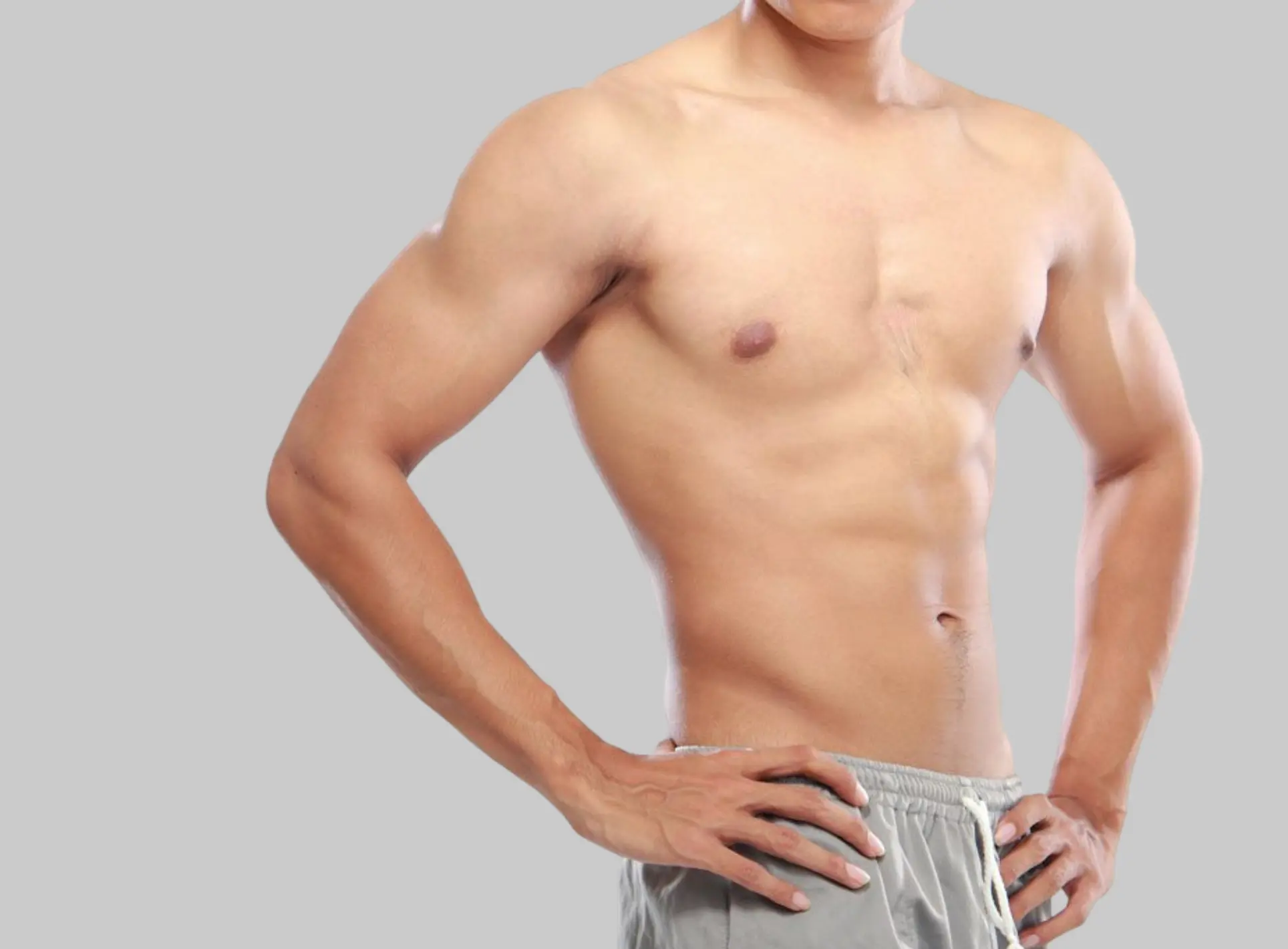
Male chest definition surgery, often referred to as male chest augmentation or pectoral augmentation, aims to create a more sculpted, muscular appearance of the chest. This can involve increasing the size, improving the shape, or enhancing the overall projection of the pectoral muscles. Unlike female breast augmentation, the goal for men is typically to achieve a naturally athletic look rather than a pronounced breast-like shape. The ideal outcome is a chest that appears proportionate to the rest of the body, conveying strength and fitness. This objective can be achieved through two fundamentally different surgical approaches: inserting solid silicone implants or redistributing the patient’s own fat.
Pectoral Implants: Enhancing Volume and Shape
Pectoral implants are solid silicone devices designed to mimic the contour and feel of natural muscle tissue. They are inserted through a small incision, typically in the armpit or along the natural crease beneath the pectoral muscle. The implant is then carefully positioned to augment the size and shape of the pectoral muscle. These implants come in various sizes and shapes, allowing surgeons to tailor the augmentation to the patient’s specific anatomy and desired outcome. They are particularly effective for individuals with minimal pectoral muscle mass or those who have experienced significant weight loss, as they provide a consistent and predictable increase in volume and definition.
Fat Transfer: Natural Augmentation with Your Own Tissue
Fat transfer, also known as autologous fat grafting, involves harvesting fat from one part of the body (such as the abdomen, flanks, or thighs) using liposuction, processing it, and then carefully injecting it into the pectoral areas. This technique offers a more natural augmentation, as it uses the patient’s own tissue, thereby eliminating the risk of implant-related complications like capsular contracture or rupture. Fat transfer is ideal for men seeking subtle enhancement, improved contour, and a more natural feel. It can also address asymmetries and fill in areas where muscle development is lacking. The success of fat transfer relies heavily on the survival rate of the grafted fat cells, which can vary.
The Surgical Process: Techniques and Considerations
While both pectoral implants and fat transfer aim to enhance male chest definition, the surgical methodologies and the patient’s experience differ significantly.
Pectoral Implants: Procedure Details
The surgery for pectoral implants is typically performed under general anesthesia, although local anesthesia with sedation may be an option for some cases. The surgeon makes an incision, usually in the axilla (armpit) or inframammary fold (under the chest crease), to create a pocket either between the pectoral muscle layers or directly over the pectoralis major muscle. The implant is then placed into this pocket and meticulously positioned. The incision is closed with dissolvable sutures, and surgical drains may be used temporarily. The procedure usually takes between 1 to 2 hours.
Fat Transfer: Procedure Details
Fat transfer is often performed under local anesthesia with sedation or general anesthesia. The process involves two main stages: liposuction and fat grafting. First, a small amount of fat is suctioned from a donor site using fine cannulas. The harvested fat is then purified through centrifugation or other methods to separate viable fat cells from fluid and debris. Finally, the prepared fat is meticulously injected into the pectoral areas using small syringes and cannulas, layering it strategically to promote optimal survival and create the desired contour. The duration of the procedure can vary depending on the volume of fat to be harvested and transferred, but it typically ranges from 1.5 to 3 hours.
Pre-operative Preparation
Regardless of the chosen method, thorough pre-operative preparation is essential. This includes a detailed medical history, a physical examination, and discussions about aesthetic goals and expectations. Patients will receive specific instructions regarding medications to avoid (such as blood thinners), smoking cessation, and dietary guidelines. It is vital to be completely honest with your surgeon about your health status to ensure safety and optimal results.
Recovery and Healing: What to Expect
The recovery period is a critical phase in achieving the final results of male chest definition surgery. Both procedures require a period of rest and specific post-operative care.
Recovery from Pectoral Implants
Immediately following surgery, patients will experience swelling, bruising, and discomfort. Pain management medication will be prescribed. A compression garment is typically worn to help reduce swelling and support the implants. Most patients can return to light daily activities within a week, but strenuous exercise and heavy lifting should be avoided for at least 4-6 weeks, or until cleared by the surgeon. Full integration of the implant and resolution of swelling can take several months.
Recovery from Fat Transfer
Recovery from fat transfer involves managing the sites of liposuction and the grafted areas. Swelling and bruising are expected at both locations. Compression garments may be recommended for the liposuction areas. Patients are usually advised to avoid direct pressure on the chest and limit upper body movements for the first few weeks. Some fat cells may not survive the transfer process, leading to a potential reduction in volume over the first few months. It’s common for surgeons to overcorrect slightly to account for this fat resorption. The final results are typically visible within 3-6 months.
Results and Longevity: Comparing Outcomes
Both pectoral implants and fat transfer offer significant improvements in chest definition, but their results and longevity differ.
Pectoral Implants: Durability and Revision
Pectoral implants provide immediate and predictable volume and shape enhancement. The results are generally permanent, although the implants themselves are not considered lifetime devices. Over time, implants can shift, or complications like capsular contracture (scar tissue tightening around the implant) may occur, potentially requiring revision surgery. The aesthetic outcome remains consistent as long as the implants are in place and functioning correctly.
Fat Transfer: Natural Feel and Gradual Changes
Fat transfer results in a more natural feel and appearance, as it uses the patient’s own tissue. The longevity of the results depends on the survival rate of the grafted fat. While a significant portion of the transferred fat typically integrates permanently, some volume loss is expected. This can be an advantage for those seeking subtle enhancement, as it avoids an overtly artificial look. Multiple sessions of fat transfer might be necessary to achieve the desired volume. The long-term outcome is influenced by weight fluctuations, as the grafted fat cells will change in size along with the rest of the body’s fat.
Potential Complications and Risks
As with any surgical procedure, both pectoral implants and fat transfer carry potential risks and complications.
Risks Associated with Pectoral Implants
Potential complications include infection, bleeding, hematoma (blood collection), seroma (fluid collection), implant malposition, capsular contracture, asymmetry, changes in nipple sensation, and adverse reactions to anesthesia. Implant rupture or leakage is also a possibility, though less common with modern solid silicone implants.
Risks Associated with Fat Transfer
Risks include infection, bleeding, asymmetry, contour irregularities (lumps or unevenness), fat necrosis (death of fat tissue), and unpredictable fat survival. There is also a small risk of contour deformities at the donor sites from liposuction. Cysts or calcifications can form in the grafted fat, which might be a concern for future mammography or imaging, though this is rare and usually benign.
Cost Comparison: Turkey vs. The UK
For international patients, particularly those from the UK, the cost of cosmetic surgery in Turkey presents a significant advantage. Turkey has emerged as a leading destination for medical tourism, offering high-quality procedures at a fraction of the cost compared to Western European countries and the UK. This affordability does not compromise the quality of care, as many Turkish clinics employ highly experienced surgeons and utilize advanced medical technology.
Below is a general price comparison for male chest definition procedures. Please note that these are estimates and can vary based on the specific clinic, surgeon’s experience, complexity of the case, and the extent of the procedure.
| Service | Turkey Price (Approx.) | United Kingdom Price (Approx.) |
|---|---|---|
| Pectoral Implants | £2,500 – £4,500 | £5,000 – £9,000 |
| Fat Transfer (Chest) | £3,000 – £5,500 | £6,000 – £10,000 |
These figures highlight the substantial savings available for UK patients seeking male chest definition surgery pectoral implants vs fat transfer in Turkey. Beyond the procedure cost, patients often save on accommodation, travel, and pre/post-operative care associated with medical tourism.
Why Choose Turkey for Male Chest Definition Surgery?
Turkey offers a compelling blend of world-class medical expertise, state-of-the-art facilities, and significantly lower costs compared to the UK. Many Turkish surgeons are board-certified and have extensive international training and experience. Clinics often provide comprehensive packages that include consultations, the surgery, accommodation, airport transfers, and patient assistance, making the entire process smooth and stress-free for international patients.
CK Health Turkey: Your Partner in Aesthetic Transformation
At CK Health Turkey, we specialize in facilitating world-class medical treatments for international patients, including advanced procedures for aesthetic enhancement. Our commitment is to provide unparalleled care, connecting you with leading surgeons and accredited hospitals in Turkey. Whether you are considering pectoral implants or fat transfer for enhanced chest definition, we ensure a seamless journey from initial consultation to post-operative recovery. We pride ourselves on offering personalized treatment plans and comprehensive support, making us a trusted choice for individuals seeking transformative results abroad. We also offer expertise in other fields such as breast implant procedures and chin implant surgery, demonstrating our broad capabilities in plastic and reconstructive surgery.
Choosing the Right Procedure for You
Deciding between pectoral implants and fat transfer depends on individual goals, anatomy, and preferences.
Who is a Good Candidate for Pectoral Implants?
- Men seeking significant and immediate volume increase.
- Individuals with well-developed pectoral muscles who want to enhance projection.
- Those with minimal natural muscle mass or significant asymmetry.
- Patients who understand the risks associated with implants and are prepared for potential future revisions.
Who is a Good Candidate for Fat Transfer?
- Men looking for natural-looking enhancement and improved contour.
- Individuals with adequate donor fat deposits in other body areas.
- Those who prefer to use their own tissue and avoid implants.
- Patients seeking subtle augmentation or correction of minor asymmetries.
- Individuals who are willing to accept potential volume loss and possibly need additional sessions.
Considerations for International Patients
When considering medical tourism for male chest definition surgery, several factors are paramount:
- Surgeon’s Experience: Research the surgeon’s qualifications, specialization in male aesthetic procedures, and review before-and-after photos.
- Clinic Accreditation: Ensure the facility is accredited and meets international standards for safety and hygiene.
- Communication: Clear and effective communication with the clinic and surgeon is vital. Choose providers who offer multilingual support.
- Package Inclusions: Understand what is included in the package – accommodation, transfers, translator services, nursing care, and follow-up appointments.
- Travel Logistics: Plan your travel to allow ample time for pre-operative consultations, the surgery, and a sufficient recovery period before flying back.
Turkey’s robust medical tourism infrastructure is well-equipped to handle these needs, offering a secure and efficient experience for international patients.
The Importance of Natural Aesthetics: Beyond the Surgery
It’s important to remember that surgical enhancement is often most effective when combined with a healthy lifestyle. Maintaining a consistent exercise regimen and a balanced diet will complement the results of either procedure, ensuring a naturally athletic and well-proportioned physique. For those interested in understanding more about male aesthetic procedures beyond chest augmentation, exploring resources that discuss male plastic surgery options can provide valuable context and demystify the field.
FAQs
Can pectoral implants feel natural?
While implants are made of silicone, modern implants are designed to mimic the feel and appearance of natural muscle tissue. However, the feel can differ from native muscle, and some patients report a firmer sensation.
How much fat is typically transferred for chest definition?
The amount of fat transferred varies greatly depending on the patient’s goals and available donor sites. It can range from 50cc to 200cc or more per side, aiming for a balanced and natural-looking enhancement.
Will I need multiple fat transfer sessions?
It is common to require more than one fat transfer session to achieve the desired volume and symmetry, especially if significant augmentation is desired. This is because not all transferred fat cells survive.
How long do pectoral implants last?
Pectoral implants are not considered lifetime devices. While they can last for many years, they may need to be replaced due to rupture, capsular contracture, or aesthetic changes over time. An average lifespan can range from 10 to 20 years.
Can fat transfer correct significant chest asymmetry?
Fat transfer can improve asymmetry, but for severe cases, pectoral implants might offer a more predictable and substantial correction. A thorough consultation will determine the best approach.
What is the recovery time for pectoral implants compared to fat transfer?
Recovery for pectoral implants typically involves 4-6 weeks of restricted activity. Fat transfer recovery can be slightly shorter for the chest itself, but the donor sites also require healing, and swelling can take longer to fully resolve. Both require careful management of activity levels.
Are there any non-surgical options for chest definition?
Non-surgical options are limited for significant chest definition. While exercise is paramount, some individuals explore body contouring treatments like cryolipolysis or radiofrequency for fat reduction in surrounding areas, but these do not build muscle or add volume to the pectorals.
Can fat transfer be used in conjunction with implants?
In some cases, a combination approach might be considered, using fat transfer to refine contours or address specific areas not fully addressed by implants. This is a less common scenario and requires detailed assessment by the surgeon.
How does weight fluctuation affect the results of fat transfer?
Weight fluctuations can affect the results of fat transfer because the grafted fat cells behave like natural fat cells. If you gain weight, the transferred fat may increase in size; if you lose weight, it may decrease.
Is it possible to have a revision surgery after pectoral implants?
Yes, revision surgery is possible if implants shift, rupture, or if capsular contracture develops. It can also be performed to adjust size or shape. Similarly, revision fat transfer can be done to add more volume or correct irregularities.