A tummy tuck (abdominoplasty) offers significant aesthetic benefits, but understanding potential post-operative issues like seroma and swelling after tummy tuck is crucial for optimal healing. These are natural bodily responses to surgery. This guide from CK Health Turkey provides essential insights for patients, particularly those in the UK considering treatment abroad.
Table of Contents
Understanding Swelling After Tummy Tuck
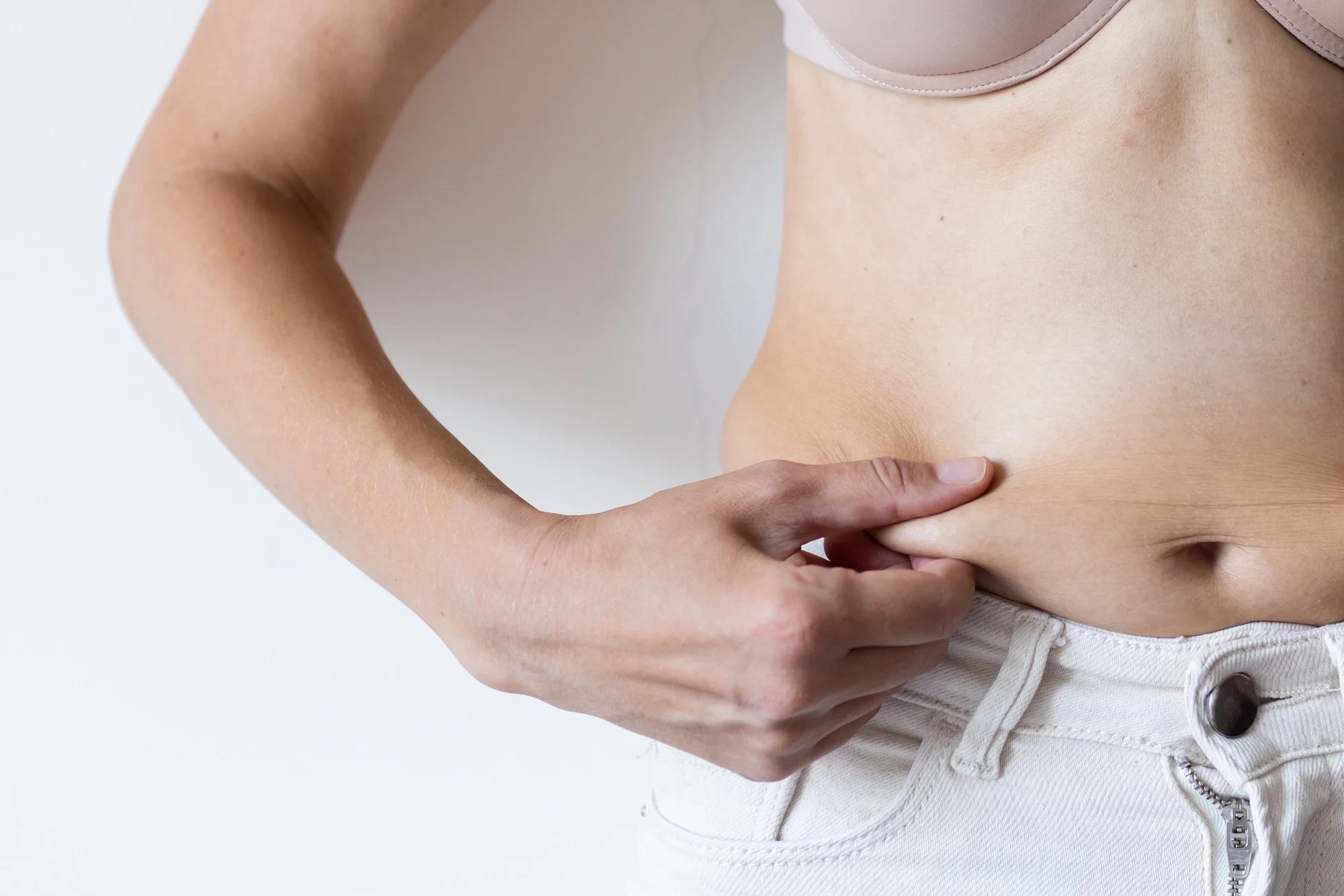
Swelling is an almost universal and expected part of the recovery process following a tummy tuck. It is the body’s natural inflammatory response to tissue injury, characterized by an accumulation of fluid in the surgical area. This fluid, a mix of blood plasma and lymphatic fluid, helps deliver immune cells and nutrients to the site of injury, facilitating healing.
Causes and Characteristics of Post-Operative Swelling
Post-operative swelling is primarily caused by tissue trauma during surgery, the disruption of lymphatic vessels, and the body’s natural healing cascade. Immediately after surgery, swelling can be quite pronounced, causing the abdomen to appear larger than anticipated, which can be disconcerting for patients. It is often accompanied by bruising and discomfort. The extent of swelling can vary significantly depending on the individual’s physiology, the complexity of the procedure (e.g., full abdominoplasty vs. mini tummy tuck), and adherence to post-operative instructions.
Normal vs. Excessive Swelling
Recognizing the difference between normal and excessive swelling is crucial. Normal swelling typically peaks within the first few days to a week after surgery and then gradually subsides over several weeks to months. It often fluctuates throughout the day, being worse in the evenings or after periods of activity. A subtle degree of swelling can persist for up to six months or even a year as the body fully recovers and scar tissue matures. Excessive swelling, however, might be accompanied by severe pain, redness, warmth, or a sudden increase in size, which could indicate a complication requiring immediate medical attention. Regular communication with your surgical team is paramount to monitoring your recovery.
Understanding Seroma Formation After Tummy Tuck
A seroma is a collection of serous fluid that builds up under the skin after surgery, distinct from the general swelling. While swelling involves diffuse fluid accumulation within tissues, a seroma is a localized pocket of fluid that typically forms in areas where tissue has been removed or disrupted, creating an empty space. The body naturally attempts to fill this space, sometimes with serous fluid. This condition is a known potential complication of procedures like abdominoplasty.
Causes and Risk Factors for Seroma
Seroma formation is primarily attributed to the disruption of lymphatic vessels during surgery, which normally drain fluid from tissues. When these vessels are severed, fluid can leak into the surgical cavity. The detachment of skin and fat from the underlying muscle fascia during a tummy tuck creates a large potential space where fluid can accumulate. Factors increasing the risk of seroma include extensive tissue dissection, a large surface area of tissue removed, and insufficient drainage post-operatively. Research indicates that the incidence of seroma following abdominoplasty can range significantly, with various studies reporting rates between 5% and 30%. A systematic review published in *Plastic and Reconstructive Surgery* highlighted that large dissection areas and high BMI are consistently identified risk factors, emphasizing the importance of meticulous surgical technique and effective post-operative management strategies, such as the use of drains and compression garments, to mitigate this risk.
Symptoms and Diagnosis of Seroma
Symptoms of a seroma include a palpable lump or soft swelling that is distinct from the general post-operative edema. It may feel like a fluid-filled sac under the skin. Other signs can include discomfort, pressure, or a sensation of sloshing when the area is moved. Large seromas can cause skin distortion, pain, and even restrict movement. Diagnosis is typically made through physical examination. If there is uncertainty or if the seroma is deep-seated, imaging techniques such as ultrasound may be utilized to confirm the diagnosis and assess its size.
Prevention Strategies for Seroma and Swelling
Proactive measures are critical in minimizing the occurrence and severity of seroma and swelling after tummy tuck. A multi-faceted approach involving advanced surgical techniques and diligent post-operative care is employed by leading clinics like CK Health Turkey.
The Role of Surgical Drains
Surgical drains are routinely placed during abdominoplasty to remove excess fluid from the surgical site. These drains consist of thin tubes inserted under the skin, connected to a collection bulb that creates gentle suction. They are instrumental in preventing fluid accumulation, thereby directly reducing the risk of seroma formation. Patients are typically instructed on how to manage and empty their drains, which are usually kept in place for several days to a couple of weeks, depending on the volume of fluid collected. Understanding the proper care and removal of these drains is paramount for a smooth recovery. For further information, we encourage you to read our detailed guide on Understanding Drainage Tubes After Tummy Tuck.
Compression Garments: A Cornerstone of Recovery
Wearing a compression garment is a non-negotiable aspect of tummy tuck recovery. These garments apply constant, even pressure to the surgical area, offering several key benefits:
- Reduces Swelling: The pressure helps to minimize fluid accumulation in the tissues.
- Prevents Seroma: By compressing the potential space where fluid could collect, it discourages seroma formation.
- Supports Healing: It provides support to the newly contoured tissues, promoting optimal skin retraction and reducing tension on incision lines.
- Enhances Comfort: The snug fit can offer a sense of security and reduce discomfort by stabilizing the surgical area.
Patients are typically advised to wear their compression garment continuously for several weeks, often 24 hours a day, only removing it for showering. Adherence to this regimen is crucial for achieving the best results and mitigating complications associated with seroma and swelling after tummy tuck procedures.
Activity Restrictions and Early Ambulation
While rest is important, early, light ambulation (walking) is encouraged shortly after surgery. This helps to improve circulation, reduce the risk of blood clots, and promote lymphatic drainage, which aids in reducing swelling. However, strenuous activities, heavy lifting, and any movements that strain the abdominal muscles must be strictly avoided for several weeks. Following your surgeon’s specific guidelines regarding activity levels is paramount to preventing complications and ensuring proper healing.
Proper Aftercare Methods
- Hydration and Nutrition: Maintaining good hydration and consuming a balanced, nutrient-rich diet supports the body’s healing processes.
- Incision Care: Keeping the incision sites clean and dry, as instructed by your surgeon, is vital to prevent infection.
- Avoiding Smoking: Smoking significantly impairs wound healing and increases the risk of complications.
- Lymphatic Massage: In some cases, your surgeon may recommend gentle lymphatic drainage massage to help reduce swelling and improve fluid circulation. This should only be performed by a qualified therapist with your surgeon’s approval.
Management and Treatment of Seroma and Swelling
Even with meticulous prevention, some degree of seroma and swelling after tummy tuck can occur. Effective management is crucial for resolving these issues and ensuring a successful recovery.
Conservative Management of Swelling
For general post-operative swelling, conservative measures are usually sufficient:
- Continue Compression Garment Use: Consistent wear of the garment remains the most effective strategy.
- Elevate the Abdomen: When resting, elevate your upper body and legs slightly to promote fluid drainage from the abdomen.
- Limit Sodium Intake: Reducing salt in your diet can help minimize fluid retention.
- Stay Hydrated: Drinking plenty of water helps flush out toxins and maintain overall fluid balance.
- Gentle Movement: Regular, short walks can aid lymphatic drainage without straining the incision.
Treatment for Seroma
If a seroma develops, its management depends on its size and symptoms:
- Observation: Small, asymptomatic seromas may resolve on their own with continued compression and observation.
- Aspiration: Larger or symptomatic seromas often require aspiration. This involves using a sterile needle and syringe to drain the fluid. This is typically an outpatient procedure performed by your surgeon. Multiple aspirations may be necessary as fluid can re-accumulate.
- Sclerotherapy: In rare cases of persistent seromas, a sclerosing agent may be injected into the seroma cavity after aspiration to encourage the walls to stick together and prevent fluid re-accumulation.
- Surgical Excision: For highly persistent or very large seromas that do not respond to other treatments, surgical excision of the seroma capsule may be considered, though this is uncommon.
When to Consult a Doctor
While some seroma and swelling after tummy tuck are normal, certain signs indicate the need for immediate medical consultation. Patients must be vigilant and proactive in reporting any concerning symptoms to their surgical team. This is a critical aspect of safe and effective post-operative care.
Warning Signs and Symptoms
Consult your doctor if you experience any of the following:
- Sudden Increase in Swelling: A rapid, noticeable increase in abdominal swelling, particularly if localized and firm.
- Intensifying Pain: Pain that is severe, increasing, or not relieved by prescribed medication.
- Redness or Warmth: Redness or warmth around the incision site, which could indicate infection.
- Fever: Any temperature above 38°C (100.4°F).
- Pus or Foul Odor: Discharge from the incision that is not clear or light pink, or has an unpleasant smell.
- Seroma Symptoms with Redness/Pain: A seroma that becomes increasingly painful, red, or tender to the touch.
- Persistent Numbness or Tingling: While some numbness is normal, persistent or worsening neurological symptoms should be reported.
These symptoms are not exhaustive, and any unusual changes or concerns should prompt communication with your medical provider. Timely intervention can prevent minor issues from escalating into more significant complications.
Long-Term Recovery and Aesthetic Outcomes
The journey to full recovery after a tummy tuck is a gradual process that demands patience and consistent adherence to medical advice. While initial healing occurs within weeks, the complete resolution of internal swelling and maturation of scars can take many months. The ultimate aesthetic outcome of your Tummy Tuck in Turkey is significantly influenced by how diligently you manage the post-operative phase, including the appropriate handling of any seroma or swelling after tummy tuck. For a deeper understanding of returning to daily life, explore our article on Post-Abdominoplasty: Return to Work After Tummy Tuck.
Expected Timeline for Swelling Resolution
- First 1-2 Weeks: Significant swelling, bruising, and discomfort are common. The abdomen may appear visibly swollen.
- Weeks 3-6: Initial swelling starts to subside. Patients generally feel more comfortable and active.
- Months 2-6: Most visible swelling resolves. A subtle, internal swelling might persist, particularly towards the end of the day.
- Months 6-12+: Residual swelling fully dissipates, and the final contour of the abdomen becomes apparent as tissues settle and scars mature. Patience is key during this extended period.
Maintaining Results and Lifestyle Considerations
To preserve the results of your abdominoplasty and prevent future complications, adopting a healthy lifestyle is essential. This includes maintaining a stable weight through balanced nutrition and regular, appropriate exercise. Significant weight fluctuations can compromise the aesthetic outcome of the surgery. Regular follow-up appointments with your surgeon are also crucial to monitor long-term healing and address any concerns.
Comparison: Seroma vs. Swelling
Understanding the distinct characteristics of seroma and general post-operative swelling is important for patients and caregivers alike. While both involve fluid accumulation, their nature, presentation, and management differ.
| Factor | Seroma | General Swelling (Edema) |
|---|---|---|
| Nature | Localized collection of serous fluid in a distinct pocket | Diffuse accumulation of fluid within tissues |
| Cause | Lymphatic vessel disruption, dead space creation | Inflammatory response, tissue trauma, lymphatic disruption |
| Appearance | Palpable lump, fluid-filled sac, possibly movable | General puffiness, diffuse enlargement of area, firmness |
| Resolution | May require aspiration; can resolve spontaneously if small | Gradually resolves over weeks/months with compression |
| Risk of Infection | Higher if large or aspirated multiple times | Lower, but generalized inflammation can increase overall risk |
CK Health Turkey: Your Partner in Abdominoplasty Recovery
At CK Health Turkey, we understand the anxieties associated with post-operative recovery, particularly concerning issues like seroma and swelling after tummy tuck. Our commitment to patient safety and satisfaction is unwavering. We pride ourselves on offering world-class plastic surgery services, including abdominoplasty, performed by highly experienced and board-certified surgeons. Our facilities are equipped with state-of-the-art technology, and our comprehensive aftercare protocols are designed to minimize complications and optimize healing for our international clientele, including those traveling from the United Kingdom.
We provide detailed pre-operative consultations, transparent treatment plans, and continuous post-operative support, ensuring that you are well-informed and comfortable throughout your journey. Our team offers personalized guidance on managing your recovery, from drain care to compression garment adherence, empowering you to achieve the best possible results. When considering significant procedures such as bariatric surgery or plastic surgery, the expertise and support system at CK Health Turkey are unparalleled.
We believe in empowering our patients with knowledge and support, guiding them through every stage of their surgical experience. From the initial consultation to your complete recovery, CK Health Turkey is dedicated to providing exceptional care. We encourage prospective patients to explore our services and understand why we are a preferred choice for medical tourism. Contact us today for a personalized consultation or visit our website to learn more about how we can support your aesthetic goals.
Price Comparison: Tummy Tuck Procedures
When considering a tummy tuck, patients from the United Kingdom often compare costs with international options. Turkey has emerged as a leading destination for high-quality, affordable plastic surgery.
| Service/Item | Turkey Price (GBP) | UK Price (GBP) |
|---|---|---|
| Full Tummy Tuck | £3,000 – £5,000 | £6,000 – £12,000 |
| Mini Tummy Tuck | £2,500 – £4,000 | £4,500 – £8,000 |
| Extended Abdominoplasty | £4,000 – £6,000 | £8,000 – £15,000 |
| Liposuction (add-on) | £800 – £1,500 | £2,000 – £4,000 |
| Revision Tummy Tuck | £3,500 – £5,500 | £7,000 – £14,000 |
*Note: Prices are estimates and can vary based on surgeon, clinic, complexity, and additional services.*
FAQs
Is some swelling normal after a tummy tuck?
Yes, swelling is a very common and normal part of the body’s healing process after a tummy tuck. It can persist for several weeks or even months.
What is a seroma and how is it different from swelling?
A seroma is a localized collection of serous fluid that forms in a pocket under the skin, often in an area where tissue was removed. General swelling (edema) is a more diffuse accumulation of fluid within the tissues.
How long does seroma and swelling after tummy tuck typically last?
General swelling usually peaks in the first week and gradually subsides over 2-6 months, with some minor swelling potentially lasting up to a year. Seromas, if they occur, can persist until drained or reabsorbed, which can take weeks to months.
What can I do to reduce swelling and prevent seroma?
Key measures include consistently wearing your compression garment, using surgical drains as instructed, gentle walking, avoiding strenuous activity, and following all post-operative care instructions from your surgeon.
When should I be concerned about swelling or a seroma?
You should contact your doctor if you experience sudden, severe, or localized swelling; increasing pain; redness or warmth around the incision; fever; or any fluid discharge that looks like pus or has a foul odor. A seroma that becomes painful, red, or very large also warrants medical attention.
Is lymphatic massage effective for reducing swelling?
Lymphatic drainage massage can be beneficial for reducing swelling and promoting fluid circulation, but it should only be performed by a qualified therapist and with your surgeon’s explicit approval.
Can a seroma reappear after being drained?
Yes, it is possible for a seroma to re-accumulate after aspiration. Multiple drainage sessions may be necessary until the fluid stops collecting.
How important are compression garments for preventing seroma and swelling after tummy tuck?
Compression garments are critically important. They apply continuous pressure to the surgical area, helping to reduce fluid buildup and support the healing tissues, thereby significantly lowering the risk of both swelling and seroma formation.