
Abdominoplasty, commonly known as a tummy tuck, is a significant surgical procedure designed to create a flatter, firmer abdominal profile by removing excess skin and fat and tightening underlying muscles. For many individuals, particularly those considering this transformative surgery, a primary concern revolves around the recovery period and, crucially, when it is safe to return to work after tummy tuck. This comprehensive guide addresses the intricacies of post-operative recovery, offering authoritative insights into expected timelines, factors influencing healing, and practical strategies for a successful reintegration into professional life. Understanding these aspects is vital for setting realistic expectations and ensuring a smooth, complication-free return to daily routines.
Table of Contents
Understanding Abdominoplasty: The Procedure
Abdominoplasty is more than just a cosmetic procedure; it is a reconstructive surgery that addresses functional concerns such as weakened abdominal muscles (diastasis recti) and excess skin that can result from significant weight loss, pregnancy, or aging. The goal is to achieve a more toned and youthful abdominal contour, enhancing both appearance and comfort.
What is a Tummy Tuck?
A tummy tuck involves surgically removing loose, sagging skin and excess fat from the abdomen, typically from below the navel to the pubic area. Simultaneously, the underlying abdominal muscles, often stretched and separated, are tightened and repaired. This dual approach addresses both external skin laxity and internal muscle weakness, providing a dramatically improved abdominal wall.
Surgical Techniques
Several abdominoplasty techniques exist, each tailored to individual patient needs. A full abdominoplasty is the most common, involving an incision from hip to hip and around the navel. A mini tummy tuck focuses on the area below the navel, requiring a shorter incision and no repositioning of the navel. An extended tummy tuck may be necessary for patients with significant skin laxity extending to the flanks, involving longer incisions. The chosen technique directly impacts the extent of surgery, the recovery period, and subsequently, the timeline for your return to work.
The Critical Recovery Phase: Initial Weeks After Surgery
The initial weeks following abdominoplasty are the most critical, demanding meticulous care and adherence to post-operative instructions. This phase lays the foundation for optimal healing and influences your overall recovery trajectory.
Immediate Post-Operative Care
Immediately after surgery, patients typically experience discomfort, swelling, and bruising. Pain medication will be prescribed to manage pain, and drains may be inserted to collect excess fluid, usually removed within a week. Rest is paramount during this period, with limited mobility to avoid straining the surgical site. Patients are advised to walk with a slight bend at the waist to reduce tension on the abdominal incision.
Managing Pain and Swelling
Pain and swelling are natural responses to surgery. While pain is managed with medication, swelling can persist for several weeks or even months. Cold compresses and elevating the upper body can help reduce swelling. Avoiding sodium and staying hydrated also contributes to minimizing fluid retention. Consistent monitoring of the surgical site for signs of infection or excessive swelling is crucial.
The Role of the Compression Garment
A compression garment is indispensable during the recovery phase. It is typically worn continuously for 4–6 weeks recovery, or longer as advised by your surgeon. This garment provides crucial support to the healing tissues, reduces swelling, and helps contour the new abdominal shape. Proper use of the compression garment is not merely about comfort; it is a fundamental component of achieving optimal aesthetic results and supporting the internal healing process. Failure to wear it as instructed can prolong swelling and potentially compromise the final outcome.
Navigating Your Return to Work After Tummy Tuck: A Detailed Timeline
The timeline for returning to work after a tummy tuck is highly individualized, depending on the extent of the surgery, individual healing, and the physical demands of your occupation. However, general guidelines can help set realistic expectations, as frequently asked by patients from our Facebook Page Posts.
Week 1-2: High Dependency
The first two weeks post-surgery are the most challenging. Patients will experience significant discomfort, limited mobility, and will require assistance with daily tasks. Strenuous activities are strictly prohibited. The focus is on rest, pain management, and wound care. The NHS advises taking four to six weeks off work and exercise after a tummy tuck. During this period, returning to any form of work, even desk-based, is typically not recommended. The American Society of Plastic Surgeons notes that the first two weeks are the most challenging, with limited mobility and help needed for daily tasks. Your body is undergoing intense healing, and any exertion can jeopardize the results and increase the risk of complications.
Weeks 3-4: Gradual Improvement and Desk Work
By weeks 3-4, many patients experience a noticeable reduction in pain and swelling. Mobility improves, and some light activities may be resumed. For individuals with sedentary or desk job return roles, this period often marks the possibility of a return to work after tummy tuck, potentially part-time or remotely. It is crucial to avoid any lifting heavier than a few pounds and to take frequent breaks to walk around and prevent stiffness. Your energy levels will still be recovering, so listen to your body and avoid pushing too hard. It’s also wise to ensure your workspace is ergonomically sound to prevent strain.
Weeks 5-6: Increased Activity and Driving Restrictions
Most drains are usually removed by this stage, and the majority of swelling begins to subside significantly. Patients can typically resume light household chores and longer walks. However, driving restrictions often remain in place for several weeks after surgery, generally until you are completely off strong pain medication and can react swiftly and safely. The ability to perform an emergency stop without pain is a key indicator. Many patients need to wear a compression garment for six weeks. While some physical activities can be gradually reintroduced, heavy lifting and strenuous exercise are still off-limits. For those with more physically demanding jobs, this period is still likely insufficient for a full return.
Weeks 7-8 and Beyond: Resuming Full Activities
By seven to eight weeks, most patients can resume the majority of their normal activities, including more vigorous exercise, provided they have received clearance from their surgeon. The internal healing is well underway, and muscle strength is gradually returning. For individuals in roles requiring moderate to high activity levels or physical exertion, a full return to work after tummy tuck becomes more feasible during this timeframe. It’s essential to continue listening to your body and gradually increase the intensity of physical tasks. Full recovery, where all swelling has resolved and scar maturation is complete, can take up to a year or more, but functional recovery that permits a return to most aspects of professional life usually occurs within this later period.
Factors Influencing Your Recovery and Work Reintegration
Several factors play a pivotal role in determining the speed and ease of your recovery, directly impacting when you can safely return to your professional responsibilities.
Type of Tummy Tuck Procedure
As previously mentioned, the extent of the surgery directly correlates with the recovery time. A mini tummy tuck generally has a shorter recovery period than a full or extended abdominoplasty, due to less extensive dissection and muscle repair. This means a quicker potential return to work after tummy tuck for less invasive procedures.
Individual Healing Capacity
Every individual heals differently. Factors such as age, overall health, nutritional status, and genetic predisposition can influence the speed of wound healing and resolution of swelling. Patients who maintain a healthy lifestyle, avoid smoking, and have no underlying medical conditions often experience a smoother, faster recovery.
Nature of Your Occupation
This is perhaps the most significant factor in determining your return-to-work timeline. A desk-based job allows for an earlier return compared to a job requiring heavy lifting, prolonged standing, or strenuous physical activity. Open communication with your employer about potential accommodations or a phased return can be highly beneficial.
Adherence to Post-Operative Instructions
Strictly following your surgeon’s post-operative care instructions is crucial for optimal healing and minimizing complications. This includes wearing your compression garment, taking prescribed medications, attending follow-up appointments, and adhering to activity restrictions. Deviating from these guidelines can prolong recovery and delay your return to work after tummy tuck.
Medical Insights: Accelerating Recovery and Minimizing Complications
Optimizing post-operative recovery is a focus of ongoing research. A prospective study involving 150 abdominoplasty patients published in the *Journal of Plastic and Reconstructive Surgery* found that patients who rigorously adhered to post-operative guidelines, particularly regarding compression garment use and avoiding heavy lifting, experienced a significantly shorter duration of severe pain and a faster return to light daily activities compared to those with less adherence. The study highlighted the critical role of patient compliance in optimizing recovery outcomes and expediting the resumption of professional duties. Furthermore, research consistently emphasizes the importance of a balanced diet rich in protein, vitamins, and minerals to support tissue repair and reduce inflammation during the recovery period. Adequate hydration is also crucial for preventing complications and maintaining overall well-being throughout the healing process.
Financial Considerations: Tummy Tuck Costs in the UK vs. Turkey
For international patients, particularly those from the United Kingdom, the cost of an abdominoplasty is a significant factor in their decision-making process. Turkey has emerged as a leading destination for medical tourism due to its high-quality care at a more accessible price point. The following table illustrates a general price comparison:
| Service/Item | Turkey Price | United Kingdom Price |
|---|---|---|
| Standard Tummy Tuck | £3,500 – £5,000 | £6,000 – £10,000 |
| Extended Tummy Tuck | £4,500 – £6,500 | £8,000 – £12,000 |
| Mini Tummy Tuck | £2,800 – £4,000 | £4,500 – £8,000 |
| Consultations | Free – £100 | £100 – £250 |
| Post-Op Care (Initial) | Included | Variable/Additional |
These figures are estimates and can vary based on the surgeon’s experience, clinic facilities, and specific patient needs. However, the notable difference often makes Turkey a highly attractive option for those seeking quality aesthetic procedures without the prohibitive costs associated with private healthcare in the UK.
Making the Transition: Practical Tips for Returning to Your Job
Preparing for your return to work after tummy tuck requires careful planning to ensure a smooth transition and prevent any setbacks in your recovery. Adopting strategic approaches can significantly ease this phase.
Planning Your Return
Start planning your return well in advance. Discuss your anticipated recovery timeline with your surgeon and employer. Consider a phased return, starting with reduced hours or remote work if your job allows. Ensure you have adequate childcare or household support during the initial recovery weeks to minimize stress and physical exertion.
Ergonomics and Workplace Adjustments
For desk-based roles, invest in ergonomic chairs and supportive cushions. Ensure your monitor is at eye level and take regular breaks to stand and gently stretch. If your job involves light physical activity, discuss potential modifications with your employer, such as temporary lifting restrictions or reduced standing time. Open communication is key to securing necessary accommodations.
Gradual Reintegration Strategies
Do not attempt to resume full capacity immediately upon returning to work. Start slowly and gradually increase your workload and physical demands. Listen intently to your body; increased pain, fatigue, or swelling are clear indicators that you are overdoing it. Prioritise rest outside of work hours and maintain a healthy diet to support your continued healing and energy levels. Consider using a back support if you find yourself sitting for extended periods, to maintain good posture and reduce strain on your healing abdominal muscles.
Job Type vs. Return to Work Timeline
The nature of your profession is a primary determinant of when you can realistically resume your duties following abdominoplasty. Understanding the varying demands can help you plan effectively.
| Factor | Desk Job (Sedentary) | Moderately Physical Job | Highly Physical Job |
|---|---|---|---|
| Initial Return | 2-4 Weeks (part-time/remote possible) | 4-6 Weeks (light duties) | 6-8+ Weeks (gradual return) |
| Full Return | 4-6 Weeks | 6-8 Weeks | 8-12+ Weeks (requires clearance) |
| Key Considerations | Ergonomics, frequent breaks | Lifting restrictions, standing tolerance | Heavy lifting, strenuous activity |
Choosing Your Provider: CK Health Turkey for International Patients
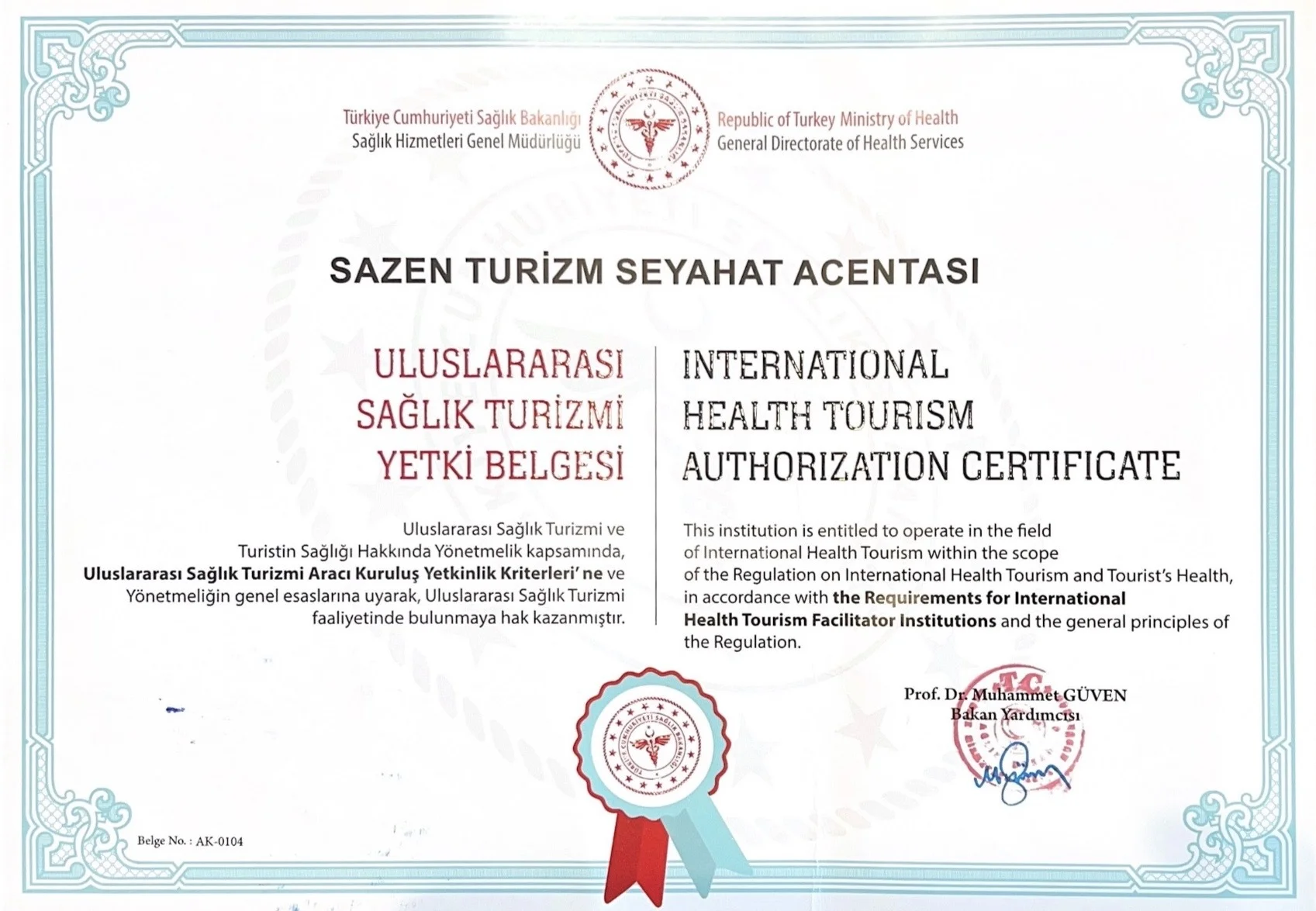
For international patients, particularly those from the UK seeking comprehensive and affordable medical care, CK Health Turkey stands as a premier choice. We are renowned for our commitment to excellence, offering world-class plastic surgery procedures, including abdominoplasty, performed by highly experienced and board-certified surgeons. Our state-of-the-art facilities ensure patient safety and comfort, while our dedicated patient care team provides seamless support from your initial inquiry through to your post-operative recovery.
At CK Health Turkey, we understand the unique needs of international patients. Our all-inclusive packages often cover accommodation, transfers, and extensive post-operative care, ensuring a stress-free experience. We pride ourselves on transparent pricing and exceptional results, making high-quality cosmetic surgery accessible. For those considering a tummy tuck, our team is equipped to guide you through every step, ensuring you receive personalized care tailored to your specific requirements. We believe in empowering our patients with knowledge and support, allowing them to make informed decisions about their health and aesthetic goals. To explore your options and learn more about how we work and the incredible transformations our patients experience, we encourage you to review our Before & After gallery and discover How Do We Work.
Take the first step towards your transformation. Contact CK Health Turkey today for a personalized consultation and begin your journey towards a more confident you. Our expert team is ready to answer all your questions and help you plan your tummy tuck with us.
Navigating the recovery process and determining the optimal time for a return to work after tummy tuck requires careful planning and adherence to medical advice. While individual timelines vary, understanding the general phases of recovery and the factors that influence them is paramount. Prioritizing your healing, communicating effectively with your surgeon and employer, and making necessary adjustments will pave the way for a successful reintegration into your professional life. Your commitment to a meticulous recovery plan will not only ensure the longevity of your surgical results but also safeguard your overall health and well-being.
FAQs
How long is the typical recovery period for a tummy tuck?
The typical recovery period involves 2-4 weeks for initial healing and light activities, with full recovery taking 6-8 weeks for most normal activities. Complete resolution of swelling and scar maturation can take up to a year.
When can I drive after a tummy tuck?
Driving is generally restricted for several weeks, typically until you are no longer taking strong pain medication and can perform an emergency stop without pain or discomfort. This is usually around 3-4 weeks post-surgery, but always confirm with your surgeon.
How long do I need to wear a compression garment?
You will typically need to wear a compression garment continuously for 4-6 weeks after your tummy tuck. Your surgeon may advise a longer period for certain activities or for continued support.
Can I work from home during my tummy tuck recovery?
For desk-based jobs, working from home may be possible as early as 2-4 weeks post-surgery, provided you have limited mobility requirements and can manage discomfort with medication. A phased return or reduced hours are often recommended initially.
What activities should I avoid when I return to work?
Upon returning to work, you should strictly avoid heavy lifting, strenuous physical activity, and any movements that strain your abdominal muscles. Gradually reintroduce activities as advised by your surgeon.
How can I minimize pain and swelling after surgery?
To minimize pain and swelling, take prescribed pain medication, wear your compression garment diligently, use cold compresses, stay hydrated, avoid excessive sodium, and get ample rest. Elevating your upper body while resting can also help.
Will my employer need a doctor’s note for my return to work?
Yes, it is highly likely that your employer will require a doctor’s note or fit-to-work certificate detailing your recovery status and any necessary restrictions for your safe return to work.
Is a phased return to work recommended after a tummy tuck?
A phased return to work is often highly recommended, especially for jobs requiring moderate physical activity. Starting with fewer hours or lighter duties can help you gradually rebuild your stamina and strength without overexerting yourself. This approach minimizes the risk of complications and supports a smoother transition back into your professional routine. It allows your body to continue healing while you re-adapt to the demands of your job. Your surgeon or medical team can provide guidance on developing an appropriate phased return plan based on your individual recovery progress and the nature of your occupation. Collaboration with your employer to implement such a plan can lead to a more successful and less stressful return to your professional responsibilities.
What kind of diet supports recovery and return to work?
A balanced diet rich in protein is crucial for tissue repair and muscle regeneration. Include lean meats, fish, eggs, and legumes. Vitamins (especially C and A) and minerals (like zinc) are also essential for wound healing. Stay well-hydrated with water and avoid processed foods, excessive sugar, and sodium, which can exacerbate swelling.