
Highlights
- Patients should generally avoid sexual activity for at least two weeks following combined breast augmentation and liposuction to allow incisions and deep tissues to begin healing.
- Resuming intimacy must be gradual and gentle, avoiding any direct pressure, vigorous movement, or strain on the chest muscles and treated liposuction areas.
- Medical clearance from a plastic surgeon is essential before returning to sexual activity, as individual recovery timelines vary based on the extent of the procedures and healing progress.
Wondering when it is safe to have sex after breast augmentation and liposuction? It is a common question, particularly when both procedures are performed during the same operation. Your breasts may be tender, liposuction areas may be swollen, and even apparently gentle movements can put pressure on healing tissues.
Table of Contents
There is no single return-to-intimacy date that is safe for everyone. This guide explains the usual recovery considerations, why the two procedures need to be assessed together, and which questions to ask your plastic surgeon before resuming sexual activity.
When can you have sex after breast augmentation and liposuction?
Do not assume that feeling better means you have been medically cleared. The Aesthetic Society’s breast augmentation aftercare guidance advises avoiding sexual activity for a minimum of two weeks after breast enlargement, followed by particularly gentle handling of the breasts for at least the next month. This is a general starting point for breast augmentation, not a guaranteed schedule for a combined breast and liposuction procedure.
Liposuction adds its own wounds, bruising, swelling and restrictions on vigorous movement. The NHS liposuction guidance advises avoiding more strenuous activity during the initial recovery period, with the duration depending on the extent of treatment and your surgeon’s instructions.
When both operations are performed together, the treating surgeon should consider whichever restrictions are more limiting. Some patients may be advised to wait longer than two weeks, especially if several liposuction areas were treated, the implant was placed beneath the chest muscle, or healing is not progressing as expected.
Ask the surgical team for explicit clearance for sexual activity, not merely permission to return to desk work or gentle walking. Different activities put different amounts of load on the body.
Why is intimate activity different after these two procedures?
Breast augmentation involves creating a space for the implant and healing an incision. The surrounding breast tissue and, where applicable, pectoral muscle can be sore or tight. Liposuction involves small incisions and treatment of the fat layer beneath the skin, often across the abdomen, flanks, back, arms or thighs.
Sexual activity may involve increased heart rate, heavier breathing, chest-muscle contraction, pressure through the arms, rotation of the torso or contact with areas that are still bruised. Even when no individual movement seems especially demanding, the combination can be uncomfortable during early recovery.
The MedlinePlus cosmetic breast surgery discharge guidance advises limiting heavy lifting, strenuous exercise and overstretching the arms during initial breast healing, because exertion can contribute to bleeding or swelling. The American Society of Plastic Surgeons (ASPS) liposuction recovery guide similarly stresses avoiding excessive force, swelling, abrasion and movement across healing liposuction incisions.
These are practical reasons to avoid rushing. The goal is not to eliminate all movement but to protect surgical sites while gradually returning to everyday activities under your surgeon’s guidance.
A realistic timeline for returning to intimacy
The periods below describe common stages of recovery, not automatic permission to have sex at the end of a particular week. The correct plan depends on your incisions, implant placement, liposuction areas, symptoms and postoperative review.
The first 48 hours: prioritise rest and supervision
You may be recovering from anaesthesia and taking prescribed pain medicines. Both operations can cause swelling and tenderness; you may need help getting comfortable, dressing or walking safely.
Sexual activity should not be a priority in the immediate postoperative period. Rest, hydration as instructed, short approved walks and following wound and medication advice are more important. If your medicine causes drowsiness or impairs judgement, avoid activities that require physical coordination or clear decision-making.
Days 3–14: healing is still early
The first couple of weeks often involve bruising, breast tightness, swelling in liposuction areas and restrictions on exercise or lifting. Incisions may look small or dry while deeper tissues are still healing.
The Aesthetic Society recommends at least two weeks without sex after isolated breast augmentation. A combined operation should not be treated as an exception to that guidance unless the surgeon has assessed your specific case and given different instructions. Gentle affection that avoids pressure, strain and wounds is a separate issue and can be discussed according to comfort and medical advice.
Weeks 2–4: discuss an individual return plan
At a follow-up, the surgeon may assess whether the breast incisions are healing, whether swelling is settling and whether your movement restrictions can be relaxed. Some patients may be cleared for carefully controlled intimacy, while others will need to continue avoiding it.
If cleared, any activity should remain gentle, without compression or vigorous movement involving the breasts or treated liposuction areas. Stop if you notice pain, pulling, increasing swelling or unexpected discomfort. Do not use pain medication to push through symptoms.
Weeks 4–6 and beyond: progress may still be gradual
Many patients resume more normal activity over several weeks, but this varies. The NHS advises avoiding heavy lifting and strenuous exercise for at least a month after breast enlargement and notes that many normal activities can resume at around six weeks. The ASPS liposuction guidance describes a gradual increase in activity from around six weeks onward, depending on recovery.
Neither source sets a universal six-week rule for intercourse following combined surgery. The surgeon may extend restrictions if there is substantial swelling, a wound-healing issue, extensive liposuction or discomfort during ordinary movement.
Breast augmentation vs liposuction: what needs protecting?
| Recovery issue | Breast augmentation | Liposuction |
|---|---|---|
| Pressure | Avoid direct compression or force against healing breasts and incisions | Avoid painful pressure and rubbing across treated regions |
| Movement | Limit strenuous chest and arm effort until cleared | Limit twisting, repeated friction and vigorous exertion as advised |
| Typical discomfort | Breast tightness, swelling, incision tenderness and altered sensation | Bruising, swelling, tenderness and sometimes numbness |
| Garments | Support bra may be required | Compression garment may be prescribed |
| Return to activity | Often gradual over several weeks | Depends on area and volume treated, with gradual increases |
| Possible warning signs | Sudden enlargement, marked pain, redness or wound problems | Worsening swelling, severe pain, fever or wound concerns |
These are general considerations, not a substitute for the specific restrictions provided after your procedures. The planned implant pocket, incision placement and liposuction distribution can change which movements are most uncomfortable.
How to avoid pressure on your breast implants during intimacy
Direct pressure against the breasts, pressing the chest into a mattress or another person’s body, and forceful use of the chest or shoulder muscles may be inappropriate early after breast augmentation. Pressure can cause pain and may increase swelling around healing tissues.
If an implant has been placed under the pectoral muscle, contracting that muscle may be especially uncomfortable in the initial weeks. The ASPS recovery discussion explains that patients with subpectoral implants may notice more chest pressure and discomfort when resuming physical activity, although individual experiences differ.
You should not assume that light contact will displace an implant, but avoiding strain and vigorous pressure is sensible until your surgeon says these restrictions can be relaxed. Do not try to test whether the implants have “settled” by pushing or manipulating them.
If you have concerns about the relationship between implant placement and chest-muscle activity, see our breast implants over versus under the muscle guide.
Does the liposuction area change the advice?
Yes. The recovery needs after liposuction of the abdomen are not necessarily identical to those after treatment of the arms, flanks or back.
After abdominal and waist liposuction, bending, twisting and sustained pressure across the torso may be uncomfortable. Following back or flank liposuction, lying on the treated region can aggravate tenderness. With arm liposuction, supporting weight on your arms or shoulders may be difficult. Treated thighs may be sensitive to compression and friction.
Because sex can involve different positions and movements, ask your surgeon which treated regions must not bear pressure or be rubbed during early healing. There is no evidence-based chart that assigns a fixed number of days to every sexual position after every combination of liposuction areas.
Do not equate minor incision size with complete internal healing. The NHS notes that swelling can last for months and that strenuous activity needs to be reintroduced according to medical advice.
Which positions may be more comfortable after surgical clearance?
Once cleared to resume intimacy, consider the principle of supported, low-effort movement rather than following a named position prescribed online. The aim is to keep body weight away from the breasts and tender liposuction sites, minimise twisting, and avoid supporting your body through painful arms or chest muscles.
Supportive pillows may help you maintain a comfortable posture and avoid accidental pressure, but they cannot guarantee that a movement is safe. A position that seems gentle for someone who had waist liposuction may be unsuitable for a patient who also had fat removed from the back or arms.
Start with activities that allow you to stay in control of movement and stop easily. Avoid vigorous, bouncing or forceful motion until the clinical team has cleared more demanding activity. If a movement causes pulling near an incision, chest tightness or discomfort in a liposuction area, stop and reassess rather than trying to ignore it.
If you are uncertain about pressure on your chest or torso, ask your surgeon or nurse directly. This is a routine recovery question, and a clear answer is more useful than an online list of supposedly safe positions.
Can you touch or massage the breasts after augmentation?
The skin and nipples can be unusually sensitive or numb after surgery. Some contact may be uncomfortable, while altered sensation can make it harder to judge the amount of pressure being applied.
For the first several weeks, avoid firm breast squeezing, rubbing, vigorous massage or direct pressure unless your operating surgeon specifically instructs otherwise. Breast massage is not universally recommended after implants and can conflict with the surgeon’s pocket and implant-management plan.
The MedlinePlus breast surgery guidance explains that altered breast and nipple sensation is common and may take time to improve. The Aesthetic Society recommends very gentle handling of the breasts after the initial no-sex period following breast augmentation.
Reassure your partner that temporary boundaries around chest contact are part of healing, not a sign of disinterest. Discuss them beforehand so that you do not have to make difficult decisions in the middle of an activity.
Should you remove your surgical bra or compression garment?
Not automatically. Breast support bras and liposuction compression garments may be prescribed for a particular duration and daily wearing schedule. Some surgeons recommend wearing them continuously for several weeks, with brief removal for cleaning or showering when permitted.
Follow the instructions provided for your own garment and operation. Removing it for a prolonged period or replacing it with tight clothing could worsen comfort or interfere with the intended support.
The NHS liposuction page notes that compression garments are commonly worn for several weeks. For breast augmentation, the NHS explains that support-bra recommendations vary between surgeons and patients.
If you want to remove a garment during intimacy, ask whether that is allowed, how long it can stay off and whether an alternative support garment is suitable. Our guide to postoperative surgical garments provides further background on support and compression.
What if you had breast augmentation and 360-degree liposuction?
A larger area of liposuction can make recovery more complicated because the back, abdomen and flanks may all be swollen or sensitive. In that situation, it may be difficult to find a posture that avoids both direct breast pressure and all treated body areas.
The extent of surgery matters more than the marketing label “360 lipo”. Ask which locations were treated, how much activity is appropriate and whether lying on the back, side or front affects your incisions and swelling.
If the combined procedure also included a tummy tuck, breast uplift or fat transfer, the advice may change substantially. For example, an abdominal muscle repair or a BBL can introduce separate positioning restrictions. Do not apply advice for breast augmentation with liposuction alone to more extensive combinations.
Our article on combining plastic surgery procedures explains why operative scope and total recovery demands need individual consideration.
What does clinical research tell us about early activity?
Published studies about exercise after breast enlargement provide useful context, but there is much less direct research identifying the safest timing for sexual activity after combined breast augmentation and liposuction.
A randomised controlled trial involving 225 primary breast augmentation patients compared an early exercise programme, begun one week after surgery, with standard restrictions. The authors reported no statistically significant difference in overall complication rates or scar quality at one year, alongside higher satisfaction scores in the early-exercise group.
That study involved breast augmentation patients and a defined exercise protocol. It did not test sexual activity or people simultaneously recovering from liposuction. It therefore cannot be used to claim that intercourse is safe one week after a combined operation.
Individual postoperative instructions remain important because outcomes can depend on implant position, incision healing, the number of liposuction areas and the patient’s medical history.
What symptoms mean you should stop and contact the surgeon?
If activity triggers new pain, pulling, bleeding, increasing swelling or a change in your surgical wounds, stop and contact the medical team for guidance. Continuing through pain is not an appropriate test of healing.
Some symptoms require prompt medical assessment even if they happen at rest:
- Rapid swelling or a marked new size difference in one breast.
- Severe or increasing pain rather than the expected gradual improvement.
- Fever, spreading redness, warmth, unusual wound drainage or an opening incision.
- A sudden increase in swelling or pain in a liposuction area, especially if one-sided.
- Unexplained calf pain or swelling, which may be a symptom of a blood clot.
Sudden breathlessness, chest pain, collapse or severe difficulty breathing requires emergency medical care. These can be signs of a serious complication such as a pulmonary embolism and should not be attributed to ordinary exercise or recovery discomfort.
The NHS lists infection, bleeding and blood-clot complications among recognised risks of liposuction. If you are travelling home after surgery, make sure you have instructions for contacting the treating team and obtaining local care where needed.
Do painkillers, fatigue and body confidence affect intimacy?
Yes. Surgery can affect sleep, mood, body confidence and energy. Some prescribed medicines cause drowsiness or nausea, while bruising and compression garments can change how comfortable you feel in your body. There is no need to rush sexual activity to meet somebody else’s expectations.
Tell your partner what currently feels comfortable and where contact should be avoided. Gentle affection and closeness do not have to involve physically demanding movement, and intimacy can resume gradually as your confidence and recovery improve.
If you take opioid pain medication or other sedating medicines, discuss any concerns about alertness, consent and physical safety with the prescribing clinician. Do not drink alcohol to make postoperative discomfort or anxiety easier to tolerate, particularly while taking sedatives or strong painkillers.
Temporary nipple numbness, hypersensitivity or other sensory changes can also influence comfort. Persistent distress about symptoms or body image is worth raising with the clinical team rather than assuming it will always resolve on its own.
What if intimacy causes implant displacement?
Patients sometimes worry that a small, accidental movement will move or damage an implant. Breast implants are placed in a surgically created pocket, and the early healing period involves adaptation of the surrounding tissues. Following the prescribed restrictions helps avoid unnecessary pressure and trauma.
However, you cannot diagnose implant movement from a fleeting sensation alone. If there is new visible asymmetry, a sudden contour change, severe pain or significant swelling, contact your surgeon for an examination rather than attempting to push the implant into position yourself.
Normal postoperative swelling and the gradual settling of implants can also change appearance over time. Only the operating team can distinguish expected healing from a problem that needs investigation.
Can you resume sex if your liposuction incisions look healed?
Not solely because the incisions have closed. The small entry sites used for liposuction can heal at the surface before swelling and tenderness in the underlying treated tissues have settled. A breast incision can look healed while vigorous chest-muscle activity remains restricted.
The ASPS specifically advises that healing incisions should not be subjected to excessive force, abrasion or motion. Your doctor may recommend gradual activity increases even after dressings are removed.
If the wounds are dry and uncomplicated but movement still causes discomfort, do not use the appearance of the skin as the only criterion for returning to more demanding activity. Ask when your surgeon expects tissue restrictions to ease and what symptoms should prompt reassessment.
Questions to ask at your postoperative appointment
It can be easier to get a useful answer by being specific about the procedures and activities rather than asking whether you have “fully recovered”. Consider discussing the following:
- When can I resume sexual activity? Ask for a recommendation that accounts for both breast augmentation and liposuction.
- Which areas must not bear pressure? Confirm whether the breasts, chest muscles, waist, abdomen, back or arms need protection.
- Are any movements restricted? Ask about bending, twisting, vigorous activity and supporting weight through the arms.
- Can my surgical bra or compression garment be removed briefly? Follow the team’s specific garment instructions.
- What if an activity becomes painful? Clarify when to stop and whether a change in swelling or shape needs examination.
- When can I progress to more vigorous activity? Ask what clinical findings will guide the decision.
If you are returning to another country after surgery, ask how to contact the operating team remotely and how to seek an in-person assessment if symptoms arise. Our recovery and stay-planning guide covers broader practical arrangements for international patients.
CK Health Turkey: personalised recovery guidance
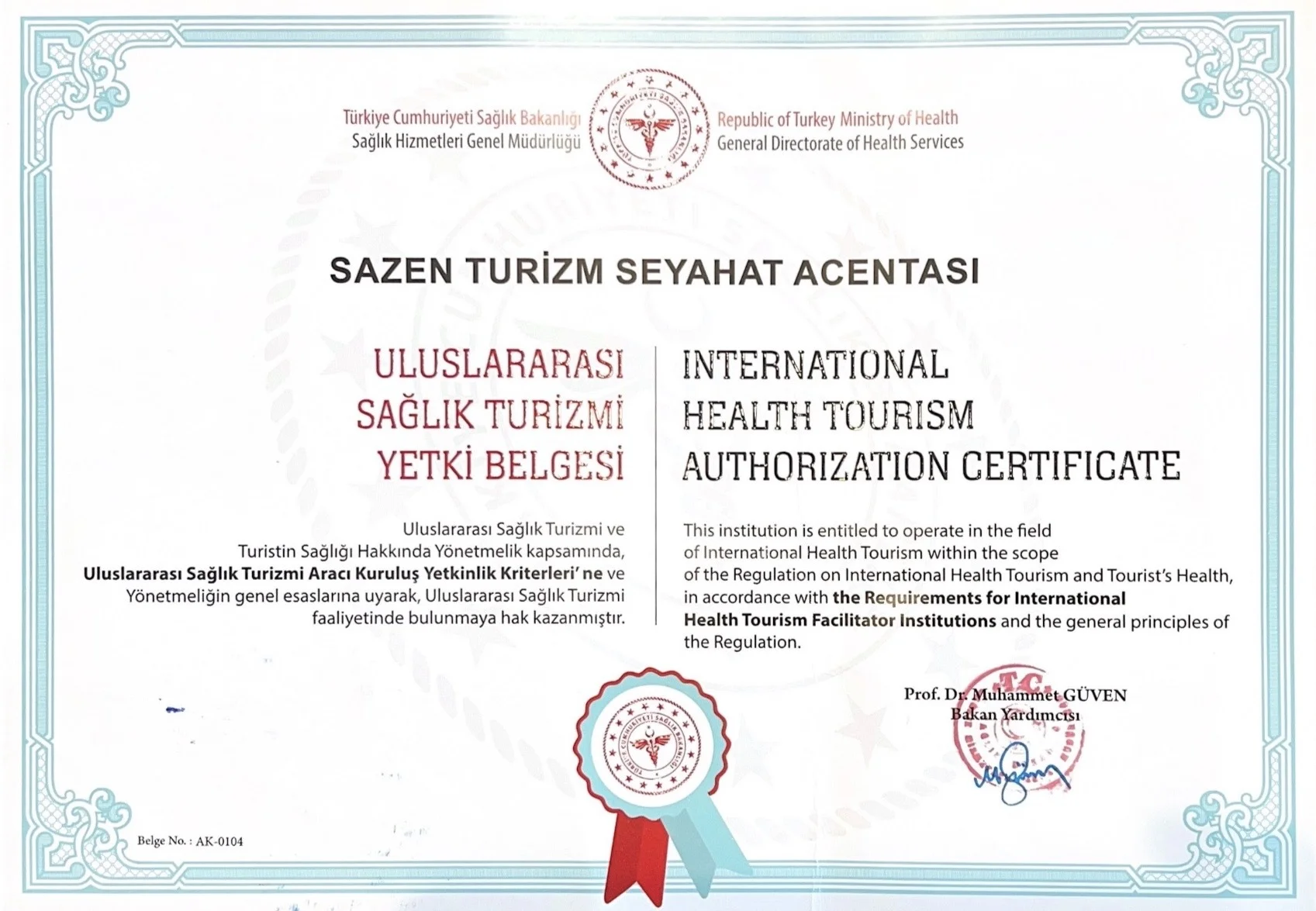
CK Health Turkey in Antalya supports international patients considering breast augmentation, liposuction and other plastic surgery procedures. If you are planning more than one operation, it is useful to raise recovery questions about physical activity, intimate relationships, compression garments and travel before your treatment is scheduled.
The operating surgeon and clinical team must assess your recovery and determine when sexual activity is appropriate based on the actual procedures, incision healing, symptoms and any complications. A patient coordinator can help communicate questions and explain the treatment journey, but general online timelines should not replace individual postoperative instructions.
For information about treatment planning, consultation arrangements and postoperative guidance, contact CK Health Turkey and ask which precautions apply to your proposed procedures.
Returning to sex after breast augmentation and liposuction is usually a gradual decision rather than a date to circle on a calendar. Protect your healing breasts and liposuction areas, avoid pressure or strenuous movement until cleared, and let your surgeon’s assessment—and your own comfort—guide the return to intimacy.