Highlights
- Massive weight loss after bariatric surgery often leaves patients with excess skin that causes physical health issues like infections and mobility impairment.
- Abdominoplasty is considered an essential part of post-bariatric care as it significantly improves psychological well-being and body image.
- Research indicates that patients who undergo abdominoplasty experience significantly less weight regain over time compared to those who do not have the procedure.
The remarkable journey of massive weight loss following bariatric surgery represents one of modern medicine’s most significant achievements in combating severe obesity. As thousands of patients across the United Kingdom undergo life-changing procedures like gastric bypass and sleeve gastrectomy each year, they discover newfound health and mobility. However, this transformation often comes with an unexpected physical and emotional challenge: substantial amounts of hanging, excess skin that refuses to retract despite rigorous exercise and maintained weight loss. This skin redundancy, particularly in the abdominal area, can cause functional difficulties like skin irritation, infections, and mobility issues while simultaneously undermining the psychological benefits of weight loss through persistent body image concerns. Abdominoplasty following massive weight loss has evolved from being considered purely cosmetic to an essential component of comprehensive post-bariatric care that addresses both physical health and emotional wellbeing for those who have undergone obesity surgery.
Table of Contents
Why Patients Seek Tummy Tuck Surgery After Bariatric Surgery
Physical Health Considerations
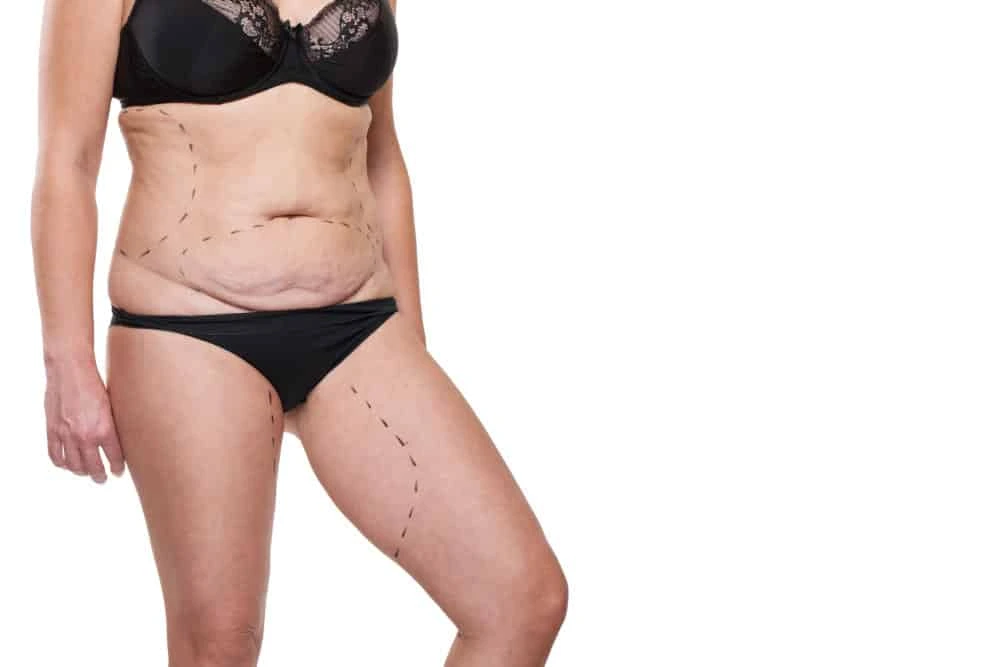
The abdominal apron that remains after significant weight loss presents substantial medical concerns that extend beyond aesthetic considerations. Patients frequently experience chronic skin conditions beneath the overhanging pannus, including persistent intertrigo (inflammation in skin folds), bacterial and fungal infections, and skin ulceration that requires ongoing medical attention . This excess skin can also impair mobility and daily functioning, making exercise uncomfortable and sometimes even preventing proper hygiene maintenance. The National Health Service recognizes these functional issues, with commissioning guidelines that support abdominoplasty when the abdominal apron hangs at or below the level of the pubic symphysis and causes severe difficulty with activities of daily living .
Psychological and Emotional Factors
The psychological impact of residual excess skin after massive weight loss should not be underestimated. Despite achieving extraordinary weight loss success, many patients report persistent body image dissatisfaction that prevents them from fully appreciating their health accomplishments. Research demonstrates that removing excess skin through body contouring procedures significantly improves self-esteem and quality of life measurements in post-bariatric patients . This psychological benefit is particularly pronounced when patients have overcome societal stigma about their bodies throughout their weight loss journey and seek physical alignment with their new identity.
Medical Research and Evidence-Based Outcomes
Impact on Weight Regain Prevention
Groundbreaking research has revealed that abdominoplasty may offer more than just cosmetic and functional benefits for post-bariatric patients. A 2020 study published in Frontiers in Endocrinology examined 645 patients who had undergone Roux-en-Y gastric bypass surgery, tracking their weight patterns over five years . The findings were remarkable: patients who underwent abdominoplasty experienced significantly less weight regain compared to those who did not have the procedure. Those with a nadir BMI <30 kg/m² who had abdominoplasty regained just 17.8% of their maximal weight loss at five years compared to 24.2% in those without abdominoplasty. Even more impressive results were seen in patients with a nadir BMI >30 kg/m², where the abdominoplasty group regained only 12.9% compared to 31.4% in the non-abdominoplasty group .
Quality of Life Improvements
The BODY-Q abdominoplasty questionnaire, a validated patient-reported outcome measure specifically designed for massive weight loss patients, has demonstrated significant improvements across multiple quality of life domains following abdominoplasty . Research shows substantial enhancements in appearance-related psychological distress, body image, physical function, and social function after surgery. These findings confirm that the benefits of post-bariatric abdominoplasty extend far beyond physical appearance to encompass meaningful improvements in overall wellbeing and daily functioning.
The Surgical Procedure Explained
Types of Abdominoplasty
Post-bariatric patients typically require more extensive abdominoplasty procedures than those who have not experienced massive weight loss. The specific technique recommended depends on the amount and distribution of excess skin, the quality of underlying muscles, and the patient’s aesthetic goals:
- Standard abdominoplasty: Involves a horizontal incision above the pubic area and often requires relocation of the belly button. This procedure removes excess skin and fat while tightening weakened abdominal muscles .
- Fleur-de-lis abdominoplasty: Incorporates both a horizontal and vertical incision to address excess skin in both the vertical and horizontal dimensions. This technique is particularly beneficial for patients with significant skin redundancy in the upper abdomen .
- Extended abdominoplasty: Removes excess skin not only from the abdomen but also from the flanks and lower back, resulting in more comprehensive contouring.
- Circumferential or belt lipectomy: Addresses excess skin around the entire trunk and is typically reserved for patients who have experienced massive weight loss with circumferential skin excess.
The Surgical Process
Abdominoplasty is performed under general anaesthesia and typically takes 2-5 hours to complete, depending on the technique used and the extent of correction required . The procedure generally involves:
- Preoperative marking while the patient is standing to identify the areas of excess skin
- Surgical incisions strategically placed to be concealable under most clothing
- Separation of skin and fat from the abdominal wall
- Tightening of the abdominal muscles (plication) when necessary
- Repositioning of the umbilicus (belly button)
- Excision of excess skin and fat
- Closure of incisions with layered sutures
- Placement of drainage tubes to prevent fluid accumulation
Recovery and Aftercare Guidelines
Immediate Postoperative Period
Patients should expect to stay in hospital for 1-2 nights following surgery for monitoring and pain management . During this time, compression garments are applied to minimize swelling and support the healing tissues. Drains are typically left in place to prevent fluid accumulation and are usually removed within 1-2 weeks after surgery. Pain, tightness, and difficulty standing fully upright are common in the first week but improve steadily with proper medication and gradual mobilization.
Long-Term Recovery Timeline
- First 2 weeks: Focus on rest and limited movement with knees bent when lying down to reduce tension on incisions
- Weeks 3-6: Gradual increase in activity level; most patients can return to sedentary work after 2-3 weeks
- 6 weeks: Typically able to resume most normal activities and discontinue compression garments
- 3-6 months: Gradual fading of scars begins; swelling continues to subside
- 12-18 months: Final results become apparent as scars mature and fade
Patients are advised to avoid strenuous exercise and heavy lifting for at least 6-8 weeks following surgery to allow proper healing of the muscle repair . The importance of maintaining stable weight through balanced nutrition and regular physical activity cannot be overstated, as significant weight fluctuations can compromise surgical results.
Risks and Considerations
Potential Complications
As with any major surgical procedure, abdominoplasty carries certain risks that patients must carefully consider. These include:
- Standard surgical risks: Infection, bleeding, blood clots, and adverse reactions to anesthesia
- Seroma formation: Fluid accumulation beneath the skin that may require drainage
- Wound healing issues: Particularly concerning in patients with compromised healing due to previous weight loss surgery
- Scarring: While surgeons make every effort to place incisions discreetly, all patients will have permanent scars
- Changes in skin sensation: Temporary or permanent numbness in the abdominal skin is common
- Asymmetry or unsatisfactory aesthetic results: Occasionally requiring revision surgery
Research indicates that complication rates in post-bariatric patients are higher than in those who have not experienced massive weight loss, making careful patient selection and surgical expertise particularly important .
Eligibility Criteria
Not every post-bariatric patient is an immediate candidate for abdominoplasty. Ideal candidates typically meet the following criteria:
- Weight stability for at least 6-12 months after bariatric surgery
- Body mass index (BMI) below 30 kg/m², though some surgeons may operate on patients with BMI up to 35 under specific circumstances
- Absence of medical conditions that would compromise healing or increase surgical risk
- Non-smoker or willing to quit smoking for at least 6 weeks before and after surgery
- Realistic expectations about surgical outcomes and scarring
The NHS commissioning criteria for abdominoplasty after massive weight loss require patients to be over 18, have a starting BMI above 40 (or above 35 with significant comorbidities), current BMI less than 30, weight stability for greater than 12 months, and significant functional problems caused by the abdominal apron .
Cost of Tummy Tuck Surgery in the UK vs Turkey
UK Pricing Structure
The cost of abdominoplasty in the United Kingdom varies significantly based on the surgeon’s experience, the type of facility, geographic location, and the complexity of the procedure required. According to current market research:
| Procedure Type | UK Average Cost (£) | Price Range (£) |
|---|---|---|
| Full Abdominoplasty | £7,995 | £5,000 – £10,000+ |
| Mini Abdominoplasty | £6,495 | £3,000 – £8,000 |
| Fleur-de-lis Abdominoplasty | £8,995 | £7,000 – £12,000 |
| Extended Abdominoplasty | £9,500 | £8,000 – £13,000 |
*Table: Cost ranges for abdominoplasty procedures in the UK *
These costs typically include surgeon fees, anesthesia, facility fees, and basic follow-up care. However, patients should confirm exactly what is included during their consultation, as additional procedures like liposuction will increase the overall price .
Turkish Pricing Landscape
Turkey has emerged as a leading destination for medical tourism, offering significant cost savings without compromising on quality. The country boasts internationally accredited hospitals, experienced surgeons, and all-inclusive packages that typically encompass transportation, accommodation, and aftercare:
| Procedure Type | Turkey Average Cost (£) | UK/Turkey Savings |
|---|---|---|
| Full Abdominoplasty | £2,500 – £4,000 | 60-70% |
| Mini Abdominoplasty | £2,000 – £3,500 | 60-70% |
| Fleur-de-lis Abdominoplasty | £3,500 – £4,500 | 60-70% |
| Extended Abdominoplasty | £4,000 – £5,000 | 60-70% |
*Table: Comparative costs for abdominoplasty in Turkey versus UK *
These packages often include luxury accommodation, private transfers, and translator services, making the international medical journey considerably less daunting for UK patients.
CK Health Turkey: A Trusted Option for International Patients
CK Health Turkey has established itself as a premier provider for UK patients seeking high-quality abdominoplasty after bariatric surgery. Their comprehensive care model includes:
- UK-based patient coordinators who facilitate seamless communication and travel planning
- JCI-accredited hospitals with state-of-the-art equipment and facilities
- British-trained surgical consultants with specific expertise in post-bariatric body contouring
- Dedicated aftercare including 24/7 patient support and follow-up consultations
Frequently Asked Questions
Is tummy tuck surgery safe after bariatric surgery?
Yes, when performed by an experienced surgeon on appropriately selected patients, abdominoplasty after bariatric surgery is considered safe. Safety depends heavily on achieving weight stability (typically for 6-12 months), having a BMI preferably below 30, and being in good general health without conditions that would compromise healing or increase surgical risk.
How long should I wait after obesity surgery before having a tummy tuck?
Most surgeons recommend waiting at least 12-18 months after bariatric surgery to allow your weight to stabilize. This waiting period is crucial because significant weight loss after abdominoplasty could compromise your results, while weight gain would similarly affect outcomes. The ideal timing is when your weight has been stable for at least 6-12 months.
Will the NHS fund my tummy tuck after weight loss surgery?
The NHS may fund abdominoplasty if specific criteria are met that demonstrate medical necessity rather than cosmetic concern. These criteria typically include: current BMI less than 30, weight stability for more than 12 months, abdominal apron hanging at or below the pubic symphysis, and severe functional difficulties including recurrent skin infections, ulceration, or mobility restrictions. However, funding varies between commissioning regions, and many patients who do not meet these strict criteria seek private options.
What is the difference between a tummy tuck and an apronectomy?
While both procedures remove excess skin from the abdomen, an apronectomy (or panniculectomy) is typically a more functional procedure that removes the hanging abdominal pannus without extensive contouring, muscle repair, or belly button repositioning. A full abdominoplasty is a more comprehensive procedure that addresses both functional and aesthetic concerns through skin removal, muscle repair, and detailed contouring to create a more natural abdominal appearance.
How much weight will I lose with a tummy tuck?
Abdominoplasty is not primarily a weight loss procedure, and the amount of weight lost through skin and tissue removal varies considerably based on the extent of the surgery. Most patients lose between 2-5 kg of tissue during the procedure, but the more significant benefit is the improvement in body contour and proportion that often makes patients appear as if they have lost considerably more weight.
The decision to pursue abdominoplasty after massive weight loss represents a significant step in the complete journey from obesity to improved health and wellbeing. This procedure addresses both the functional concerns associated with hanging abdominal skin and the psychological impact of body image dissatisfaction that can persist even after dramatic weight loss. Current medical evidence suggests that beyond the obvious aesthetic benefits, abdominoplasty may contribute to more successful long-term weight maintenance after bariatric surgery. While the financial investment is considerable, particularly for patients seeking private surgery in the UK, the availability of high-quality international options in countries like Turkey has made this transformative procedure accessible to a broader range of patients. Regardless of where patients choose to have their surgery, selecting an experienced surgical team with specific expertise in post-bariatric body contouring remains the most critical factor in achieving safe, satisfying outcomes that complete the transformative journey of massive weight loss.