Highlights
- Early mobilization within 24 hours is critical to prevent complications like deep vein thrombosis and to stimulate the lymphatic system.
- During the first week, patients should walk with a slightly hunched posture and use small steps to minimize tension on incision lines.
- A structured recovery timeline must be followed, transitioning from short indoor walks to full cardiovascular activity over a six-week period while wearing compression garments.
Thigh lift surgery, or thighplasty, is a transformative procedure that requires a meticulous approach to postoperative movement. Understanding when and how to walk is essential for both your safety and the longevity of your aesthetic results.
Table of Contents
The Importance of Early Mobilization
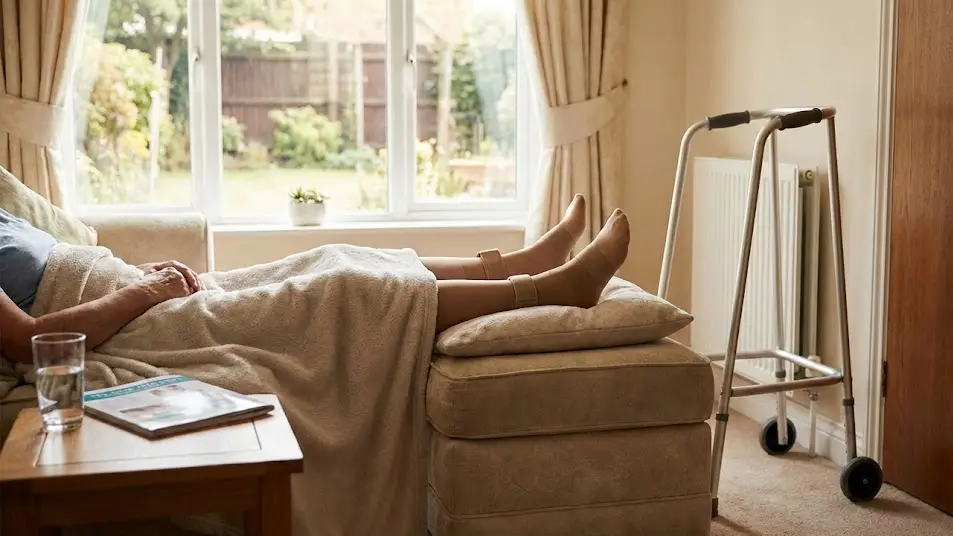
Walking shortly after surgery is a critical medical requirement to prevent complications such as deep vein thrombosis (DVT). While you must avoid strenuous activity, gentle steps help maintain healthy blood flow and reduce postoperative edema.
Most surgeons recommend taking your first steps within 24 hours of the procedure. This initial walking is typically limited to moving from the hospital bed to a nearby chair or a short trip to the restroom.
- Promotes venous return in the lower extremities.
- Stimulates the lymphatic system to drain excess fluids.
- Reduces the risk of pulmonary embolism.
- Prevents stiffness in the hip and knee joints.
The First Week: Precision and Caution
During the first 7 days, your primary goal is to remain mobile without placing any tension on the fresh incision lines. You should prioritize “house walking,” which involves short bursts of movement every two hours for about 5 to 10 minutes.
It is medically advised to walk with a slightly hunched posture if an inner thigh lift was performed. This “flexed” position minimizes the pulling force on the groin incisions, which are highly susceptible to wound dehiscence if stretched too soon.
- Walk only on flat surfaces to avoid sudden muscle contractions.
- Use a walker or have a dedicated caregiver assist with balance.
- Avoid stairs entirely during the first 72 to 96 hours.
- Keep your steps small and your pace very slow.
Mobility Timeline: A Scientific Overview
The following table provides a structured guide based on standard clinical recovery protocols for body contouring patients.
| Phase | Timeframe | Recommended Walking Activity | Purpose |
| Acute Phase | Days 1–3 | Very short walks (5 mins) inside the home. | DVT prevention and circulation. |
| Initial Healing | Days 4–14 | Gentle 10–15 min strolls on flat ground. | Reducing swelling and stiffness. |
| Intermediate | Weeks 2–4 | Brisk 20 min walks; light daily errands. | Improving stamina and muscle tone. |
| Advanced | Weeks 6+ | Incline walking and light hiking permitted. | Returning to full cardiovascular health. |
Managing Incision Tension and Compression
A significant factor in when you can walk longer distances is the management of surgical tension. Clinical research, such as studies published in the Aesthetic Surgery Journal, highlights that mechanical stress on incisions can lead to wider scars or delayed healing.
Wearing a medical-grade compression garment is mandatory while walking during the first 6 weeks. These garments stabilize the soft tissues and prevent the “shearing” effect that occurs when skin rub against the surgical internal sutures during movement.
- Ensure the garment is snug but does not create “grooves” in the skin.
- Check that the groin area of the garment is correctly aligned before standing.
- Remove the garment only for brief periods during hygiene routines.
Transitioning to Outdoor Walking
By the end of the second week, most patients are cleared to begin walking outdoors on level pavement. However, you must remain vigilant about environmental factors such as heat, which can exacerbate swelling in the lower limbs.
If you experience “throbbing” or increased tightness during your walk, it is a physiological signal to stop and elevate your legs. Scientific data suggests that over-exertion in the first 21 days can increase the risk of seroma (fluid collection) by up to 15%.
- Limit outdoor walks to early morning or late evening to stay cool.
- Wear loose, breathable clothing over your compression garment.
- Stay hydrated to maintain blood volume and support tissue repair.
Why Choose CK Health Turkey for Your Recovery?
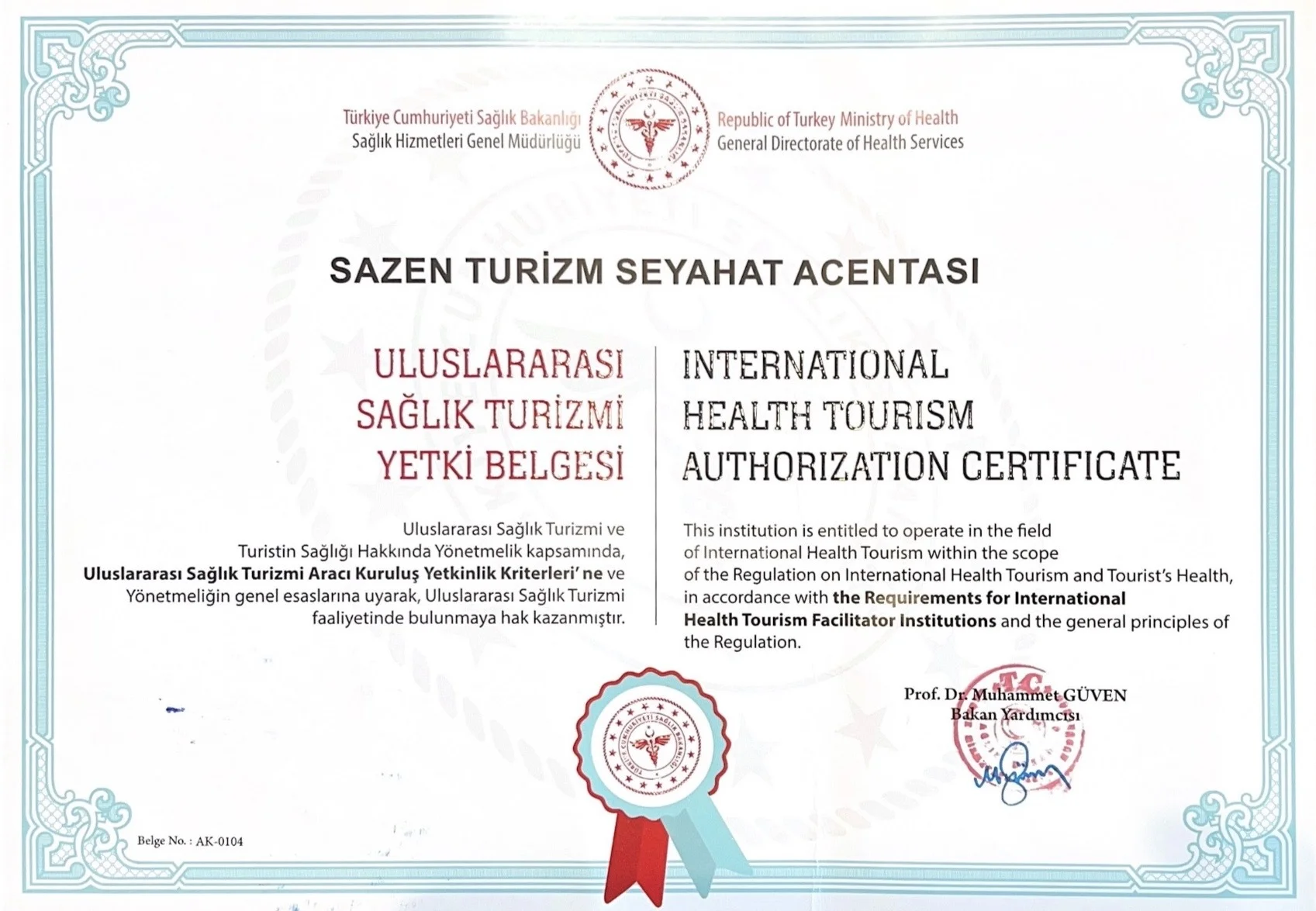
CK Health Turkey stands out as a premier destination for thigh lift surgery due to its holistic approach to patient aftercare. Their medical teams provide personalized mobility plans that ensure you are walking safely and effectively from day one.
The facility is renowned for its high-tech infrastructure and highly skilled surgeons who prioritize patient safety and natural-looking results. With CK Health Turkey, you receive 24/7 support and expert guidance throughout your entire healing journey.
- Access to internationally accredited hospitals and surgeons.
- Dedicated patient coordinators who monitor your daily progress.
- Comprehensive post-op kits including specialized compression wear.
Identifying Red Flags During Movement
While walking is beneficial, you must be able to distinguish between normal postoperative discomfort and signs of medical concern. Sharp, localized pain or sudden warmth in one calf during a walk requires immediate professional assessment.
Research by the American Society of Plastic Surgeons indicates that monitoring for signs of infection or vascular issues is most critical during the first 14 days. If you notice any of the following, pause your walking regimen and contact your surgical team.
- Sudden shortness of breath or chest pain while walking.
- Localized redness or pus drainage from the incision sites.
- A “popping” sensation followed by visible wound separation.
- Significant, asymmetrical swelling in one leg compared to the other.
Advancing to Exercise and Power Walking
Full clearance for “power walking” or walking on an incline is typically granted at the 6-week mark. By this stage, the internal collagen matrix has gained enough strength to withstand the dynamic forces of more vigorous movement.
It is important to remember that the “settling” phase of a thigh lift continues for up to 6 months. Gradually increasing your intensity ensures that your new contours are preserved while you rebuild your cardiovascular endurance.
- Start with a 5% incline if using a treadmill at week 6.
- Slowly reintroduce steps and stairs as part of your routine.
- Continue monitoring for late-stage swelling after long periods of standing.
Adhering to these walking protocols ensures that your recovery is as smooth as your new thigh contours. By balancing rest with strategic movement, you protect your investment and promote long-term surgical success.
If you have any specific concerns about your mobility, always consult your surgeon for a personalized assessment.
Following a structured walking plan is the most effective way to ensure a safe and rapid recovery after your thigh lift. Proper movement, combined with high-quality medical support, will lead to the best possible aesthetic and functional outcome. Your commitment to these guidelines is the final step in achieving the results you desire.