
The physical preparation and management of a common post-bariatric surgery period is crucial for success, extending beyond the operation itself. Achieving optimal outcomes and a healthier future post-bariatric surgery in the United Kingdom requires diligent adherence to medical advice and a proactive recovery approach. This guide offers an authoritative overview to navigate your post-operative journey confidently.
Table of Contents
Understanding the Bariatric Surgery Landscape in the UK
Bariatric surgery, encompassing procedures such as gastric bypass, gastric sleeve, and adjustable gastric banding, has become a well-established and increasingly common intervention for severe obesity in the UK. The National Health Service (NHS) offers bariatric surgery to eligible individuals, typically those with a BMI over 40, or over 35 with serious health conditions. Private healthcare options also provide access to these life-changing procedures. Regardless of the pathway chosen, the fundamental principles of pre-operative preparation and post-operative management remain universal.
Pre-Operative Preparation: Laying the Foundation for Success
Effective post-operative management begins long before the surgery itself. A thorough pre-operative preparation phase is crucial for minimising risks, optimising the body for surgery, and setting realistic expectations. This preparation often involves a multidisciplinary team, including surgeons, dietitians, psychologists, and nurses.
Medical and Nutritional Optimisation
Before surgery, patients will undergo comprehensive medical assessments to ensure they are fit for the procedure. This may include blood tests, cardiac evaluations, and other diagnostic screenings. Nutritional optimisation is also a key component. A dietitian will typically guide patients on dietary adjustments, which might include a pre-operative liquid diet to reduce liver size and improve surgical access. This period is also an excellent opportunity to begin establishing healthy eating habits that will be crucial for long-term success. Understanding Bariatric Nutrition: Energy Needs Before and After Surgery can provide valuable insight into these dietary shifts.
Lifestyle Modifications
Certain lifestyle changes are often recommended or required pre-operatively. For instance, smoking and vaping can significantly increase surgical risks, including complications with anaesthesia and wound healing. Therefore, patients are strongly advised to quit smoking or vaping well in advance of their surgery. Resources and support are available to help individuals achieve this. The importance of such changes is highlighted in guides on Surgical Safety: Quitting Smoking or Vaping Before Surgery.
Psychological Readiness
Bariatric surgery is not just a physical transformation; it is also a significant psychological one. Patients are encouraged to address any underlying psychological issues that could impact their ability to cope with the changes post-surgery. This might involve consultations with a psychologist to discuss expectations, potential body image changes, and strategies for managing emotional eating. A thorough Psychological Checklist for Weight Loss Surgery Success can be instrumental in this preparation.
The Immediate Post-Operative Period
The period immediately following bariatric surgery requires close monitoring and adherence to specific protocols to ensure a safe and smooth recovery. Patients will typically spend a few days in the hospital.
Hospital Stay and Initial Recovery
Upon waking from surgery, patients will be monitored for vital signs, pain levels, and any immediate complications. Early mobilisation, such as short walks around the ward, is usually encouraged to prevent blood clots and aid recovery. Pain management will be a priority, with prescribed medications to keep discomfort under control. Fluid intake will be carefully managed, often starting with small sips of water and progressing to clear liquids. The surgical team will provide detailed instructions on diet, activity, and medication.
Diet Progression
Dietary progression is a critical aspect of post-bariatric surgery recovery. It is carefully phased to allow the digestive system to heal and adapt. This typically involves:
- Clear Liquids: For the first 24-48 hours, patients will consume only clear liquids like water, clear broths, and sugar-free gelatin. This helps to rehydrate the body and assess tolerance.
- Full Liquids: After tolerating clear liquids, the diet progresses to full liquids, which include milk, yogurts, protein shakes, and pureed soups. This phase usually lasts for about a week
- Pureed Foods: The next stage involves pureed foods, such as smooth purees of vegetables, fruits, and lean proteins. This helps to introduce more substance while keeping the food easy to digest
- Soft Foods: Gradually, patients move to soft, easily chewable foods like scrambled eggs, soft fish, and cooked vegetables
- Solid Foods: Finally, a return to a more regular, but carefully controlled, diet of solid foods is initiated, focusing on lean proteins, vegetables, and fruits. Portion sizes will be significantly smaller than pre-surgery.
Throughout this process, it is vital to drink fluids between meals rather than with meals to avoid premature fullness and aid digestion. Chewing food thoroughly and eating slowly are also essential practices.
Managing Common Post-Bariatric Surgery Challenges
While bariatric surgery offers significant benefits, patients may encounter certain common challenges during their recovery. Proactive management and understanding these issues can lead to a smoother experience.
Nausea and Vomiting
Nausea and vomiting can occur, especially in the early stages, due to the stomach’s reduced capacity and sensitivity. Eating too quickly, drinking with meals, or consuming too much food or liquid can trigger these symptoms. It is important to eat slowly, chew thoroughly, and adhere strictly to the dietary guidelines. If nausea persists, consulting with your healthcare provider is crucial.
Dumping Syndrome
Dumping syndrome is a common side effect, particularly after gastric bypass surgery. It occurs when food, especially sugary or high-fat foods, moves too quickly from the stomach into the small intestine. Symptoms can include nausea, vomiting, diarrhoea, abdominal cramps, sweating, dizziness, and rapid heartbeat, often occurring shortly after eating (early dumping) or 1-3 hours later (late dumping). Management involves dietary adjustments: avoiding high-sugar foods and drinks, limiting fats, eating small, frequent meals, and separating liquids from solids. Understanding the triggers and practising mindful eating are key to managing this condition.
Constipation and Diarrhoea
Changes in diet and gut motility can lead to constipation or diarrhoea. Adequate fluid intake, increased fibre intake (as tolerated and recommended by your dietitian), and regular physical activity can help alleviate constipation. For diarrhoea, identifying potential triggers, such as certain foods or medications, is important. If symptoms are severe or persistent, medical advice should be sought.
Dehydration
Dehydration is a serious risk if fluid intake is insufficient. Patients must make a conscious effort to drink adequate fluids throughout the day, aiming for approximately 1.5-2 litres daily, spread between meals. Dehydration can manifest as fatigue, dizziness, dry mouth, and reduced urine output. Monitoring fluid intake is crucial.
Nutritional Deficiencies
Bariatric surgery can affect the absorption of certain vitamins and minerals. Lifelong supplementation is typically recommended to prevent deficiencies in iron, vitamin B12, vitamin D, calcium, and other micronutrients. Regular blood tests will monitor nutrient levels, and adjustments to supplements may be made by your healthcare team. Following a balanced, nutrient-dense diet, as advised by your dietitian, is also important for maximising nutrient absorption.
Weight Loss Plateaus and Stalls
It is common for patients to experience periods where weight loss slows down or plateaus. These Weight Loss Plateaus: Navigating Post-Bariatric Challenges can be discouraging but are a normal part of the long-term weight management process. Strategies to overcome these stalls include re-evaluating diet and exercise, seeking support from healthcare professionals, and focusing on non-scale victories such as improved energy levels and better health markers.
Long-Term Management and Lifestyle Integration
Successful bariatric surgery requires a lifelong commitment to lifestyle changes. The physical preparation and management of a common post-bariatric surgery phase is just the beginning of an ongoing journey.
Sustaining Healthy Eating Habits
Post-operative dietary guidelines evolve over time, but the core principles of eating small, frequent meals, prioritising protein, consuming nutrient-dense foods, and avoiding processed foods, sugary drinks, and high-fat items remain essential. Developing a sustainable relationship with food is key.
Regular Physical Activity
Regular exercise is vital for continued weight management, improving cardiovascular health, and maintaining muscle mass. A gradual increase in physical activity, starting with walking and progressing to more vigorous exercises as advised by your doctor, is recommended. Aim for at least 150 minutes of moderate-intensity aerobic activity per week, along with muscle-strengthening activities.
Monitoring and Follow-Up
Consistent follow-up appointments with your surgical team, dietitian, and other healthcare providers are crucial. These appointments allow for monitoring of weight loss, nutritional status, and overall health. Regular check-ups help to identify and address any potential issues early on, ensuring long-term success and well-being.
Mental and Emotional Well-being
Maintaining mental and emotional health is as important as physical health. Continued support, whether through support groups, therapy, or self-care practices, can help patients adapt to their new lifestyle, manage stress, and maintain a positive outlook. Mental Wellness: Preparing for Plastic Surgery offers insights applicable to the broader journey of significant body transformation.
Comparing Bariatric Surgery Costs: Turkey vs. UK
For many individuals in the United Kingdom considering bariatric surgery, the cost is a significant factor. While the NHS provides surgery for eligible patients, waiting lists can be long, and private procedures can be expensive. Turkey has emerged as a leading destination for medical tourism, offering high-quality bariatric surgery at a fraction of the cost compared to the UK. This includes not only the surgical fee but often comprehensive packages that cover accommodation, transfers, and post-operative care.
| Service | Turkey Price | United Kingdom Price |
|---|---|---|
| Gastric Sleeve Surgery | $3,500 – $5,000 | £8,000 – £15,000 |
| Gastric Bypass Surgery | $4,000 – $5,500 | £9,000 – £17,000 |
| Adjustable Gastric Band | $3,000 – $4,500 | £7,000 – £12,000 |
| Initial Consultation & Assessment | $200 – $300 | £300 – £500 |
| Post-Operative Follow-up (1 year) | $500 – $700 | £800 – £1,200 |
*Note: Prices are approximate and can vary based on the specific clinic, surgeon, and package inclusions. Exchange rates and current market conditions may affect exact pricing.*
CK Health Turkey: Your Partner in Bariatric Surgery
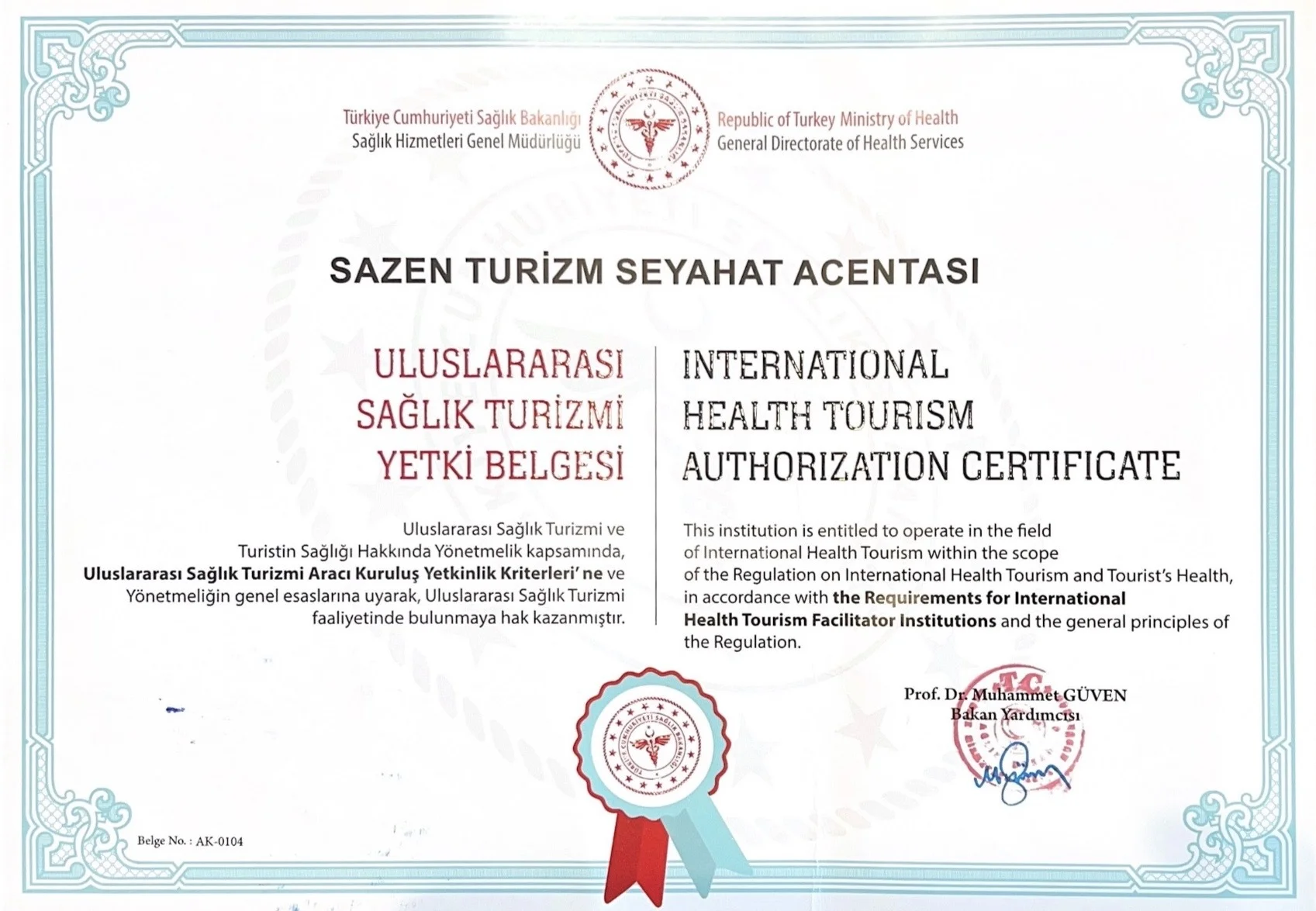
For international patients, particularly those from the UK seeking exceptional bariatric surgery services, CK Health Turkey stands as a premier choice. We offer state-of-the-art facilities, experienced surgical teams, and a commitment to patient care that rivals the best globally. Our comprehensive packages are designed to provide a seamless and supportive experience, from initial consultation through to post-operative recovery. We understand the importance of the physical preparation and management of a common post-bariatric surgery period and offer tailored support to ensure the best possible outcomes. We invite you to discover the difference that expert care and patient-centric service can make to your health journey. Contact us today to learn more about our bariatric surgery procedures and how we can support your transformation.
Frequently Asked Questions About Post-Bariatric Surgery Recovery
FAQs
What is the typical recovery timeline after bariatric surgery?
The initial recovery period in the hospital is usually 2-4 days. Most patients can return to light activities within 1-2 weeks and resume normal work duties within 2-4 weeks, depending on the type of surgery and individual healing. Full recovery and adjustment to a new lifestyle take several months to a year.
How long do I need to follow a special diet after surgery?
The phased diet progression typically lasts for the first 2-3 months. After this, you will transition to a long-term, modified solid food diet. It is crucial to continue following dietary guidelines focusing on nutrient-dense foods, small portions, and adequate protein intake indefinitely.
What are the most common long-term side effects of bariatric surgery?
Common long-term considerations include nutritional deficiencies (requiring lifelong supplementation), dumping syndrome, potential for gallstones, and the possibility of weight regain if lifestyle changes are not maintained. Regular follow-up is key to managing these.
How much weight can I expect to lose after bariatric surgery?
Weight loss varies depending on the type of surgery and individual factors. Generally, patients can expect to lose 50-70% of their excess body weight within the first year after procedures like gastric bypass or sleeve gastrectomy.
When can I resume physical activity after bariatric surgery?
Light activities, such as short walks, can usually be resumed within a week post-surgery. More strenuous exercise should be gradually introduced, typically after 4-6 weeks, and only with the approval of your surgeon. Focusing on Post-Op Rest: Optimizing Comfort After Cosmetic Surgery is crucial in the initial phase.
Is psychological support necessary after bariatric surgery?
Yes, psychological support is highly recommended. Bariatric surgery leads to profound physical and emotional changes. Support groups or therapy can help patients navigate body image issues, adjust to new eating patterns, and manage the emotional aspects of weight loss.
What happens if I experience nausea or vomiting frequently?
Persistent nausea and vomiting are not typical long-term side effects. If you experience them regularly, it’s important to consult your healthcare provider to rule out issues like strictures, ulcers, or improper eating habits. Eating slowly and in small portions is vital.
How important is hydration after bariatric surgery?
Hydration is extremely important. Dehydration can lead to fatigue, headaches, and other complications. Patients should aim to drink 1.5-2 litres of fluid per day, primarily between meals. This is a cornerstone of managing the post-bariatric surgery experience.
Can bariatric surgery cure conditions like type 2 diabetes?
For many patients, bariatric surgery can lead to the remission or significant improvement of type 2 diabetes, often shortly after surgery, sometimes even before substantial weight loss occurs. Other obesity-related conditions like high blood pressure and sleep apnea can also see marked improvement.