
Highlights
- Combined surgeries like a 'mummy makeover' place high metabolic demands on the body, requiring a structured recovery protocol and high-protein nutrition to support tissue repair.
- The first 48 hours are critical, necessitating the 'beach chair' sleeping position, strict adherence to medication schedules, and the use of medical-grade compression garments.
- Successful recovery involves balancing rest with gentle mobility, such as ankle pumps and short walks, to prevent complications like blood clots while protecting surgical incisions.
Optimizing your recovery after a combined tummy tuck and breast surgery requires a strategic balance between clinical discipline and home comfort. Planning your post-operative environment ahead of time ensures that your body can focus entirely on cellular repair and tissue integration.
Table of Contents
Understanding the Physical Demand of Combined Procedures
Undergoing a “mummy makeover”, typically a combination of abdominoplasty, mastopexy, and augmentation, places a significant metabolic demand on the body. Clinical research published in the Aesthetic Surgery Journal indicates that multi-procedure surgeries require a highly structured recovery protocol to manage systemic inflammation effectively.
- The body prioritizes healing the largest incision sites first, which is usually the abdominal area.
- Energy levels will be significantly depleted during the first 10 to 14 days as your immune system works to stabilize the surgical sites.
- Managing fluid balance is critical, as the lymphatic system adapts to the changes in both the midsection and the chest.
Immediate Post-Operative Essentials
The first 48 hours are the most critical for managing discomfort and ensuring that your circulation remains optimal. Surgeons often recommend the “beach chair” position—sleeping with your head elevated and knees bent—to reduce tension on the abdominal sutures.
- Prescription Adherence: Take all pain medications and antibiotics strictly according to the schedule provided by your medical team to stay ahead of the pain curve.
- Hydration Stations: Keep a large, reusable water bottle with a straw within reach to maintain electrolyte balance without needing to sit up fully.
- Compression Garments: High-quality medical-grade fajas and surgical bras are non-negotiable for reducing seroma risk and supporting the new contours.
Creating a Recovery-Ready Home Environment
Transformation occurs during rest, so your home must be prepared to minimize physical exertion during the first two weeks. Most patients find that a recliner chair is more comfortable than a traditional bed, as it provides the necessary incline for both the back and legs.
- The “Station” Setup: Place a small table next to your resting area containing your phone, remote, medications, lip balm, and healthy snacks.
- Safety First: Ensure all pathways to the bathroom are clear of rugs or clutter to prevent trips while walking in a slightly hunched position.
- Pillow Support: Invest in a “V-shaped” pillow or a wedge pillow system to maintain the proper surgical posture during sleep.
Nutrition and Supplementation for Tissue Repair
A study by the American Society of Plastic Surgeons (ASPS) highlights that high-protein intake is essential for collagen synthesis and wound healing after major body contouring. Focus on anti-inflammatory foods that assist in reducing post-surgical swelling and prevent constipation.
- Protein-Rich Foods: Incorporate lean meats, eggs, Greek yogurt, or plant-based protein shakes to provide the building blocks for skin repair.
- Fiber and Probiotics: Anesthesia and pain meds often slow the digestive tract; use stool softeners and high-fiber fruits like berries to avoid straining.
- Bromelain and Quercetin: Some clinical evidence suggests these enzymes, found in pineapple or available as supplements, may reduce bruising and edema.
Comparative Recovery Timeline and Expectations
| Phase | Duration | Focus Area | Key Activity |
|---|---|---|---|
| Acute Recovery | Days 1–7 | Pain management & rest | Short walks every 2 hours to prevent blood clots. |
| Intermediate | Weeks 2–4 | Reducing swelling & mobility | Transitioning to lighter compression and returning to desk work. |
| Long-term | Weeks 6–12 | Scar maturation & exercise | Resuming gym activities (except heavy lifting) and scar silicone therapy. |
The Role of Professional Medical Coordination
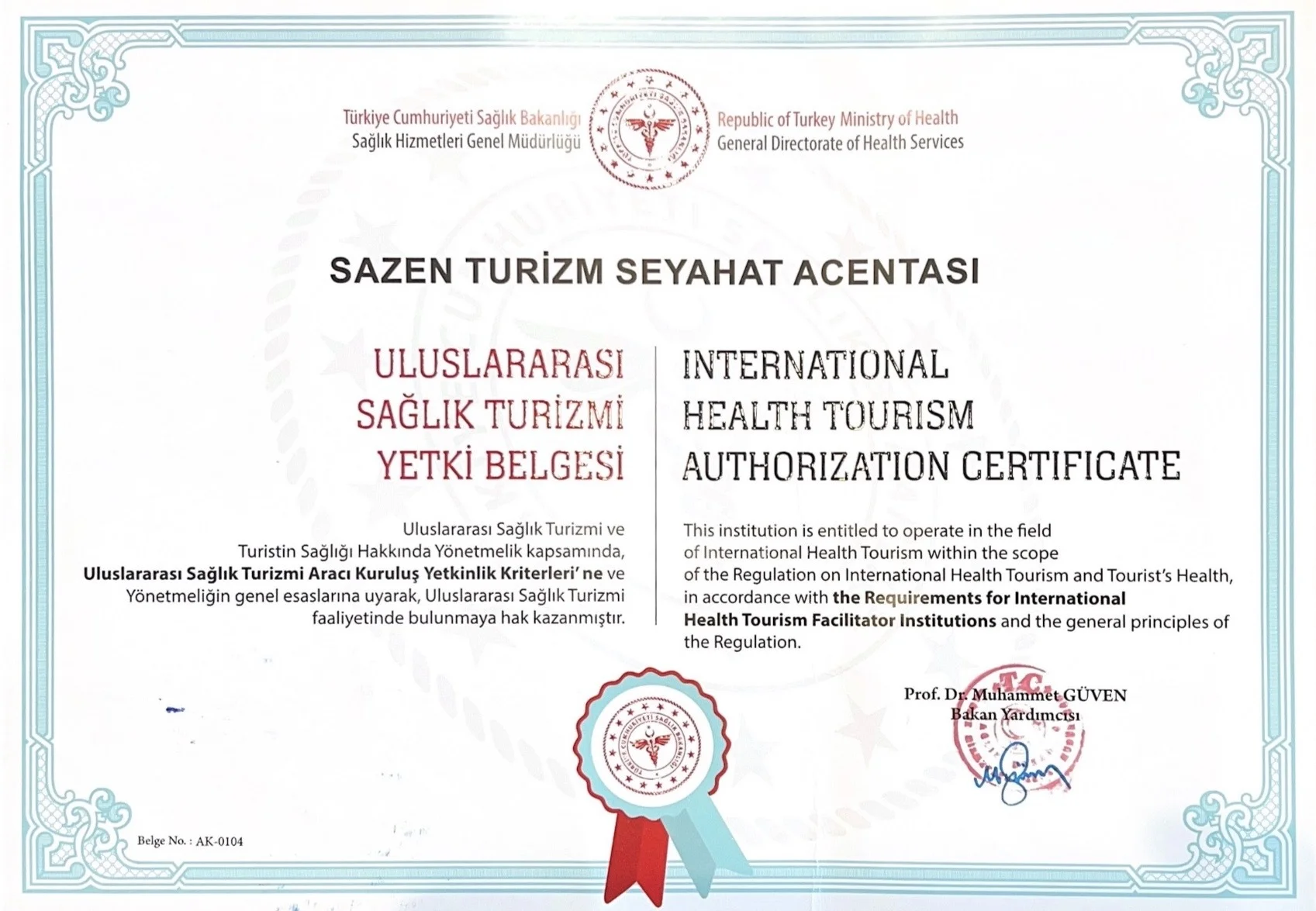
Navigating these complex recovery steps is significantly easier when you have world-class expertise guiding you, such as the team at CK Health Turkey. Known for their exceptional patient advocacy and clinical precision, CK Health Turkey ensures that every patient receives a bespoke recovery plan tailored to their specific surgical nuances.
- Their medical coordinators provide 24/7 support, bridging the gap between the hospital discharge and full home independence.
- CK Health Turkey is highly regarded for partnering with surgeons who utilize advanced techniques, such as nerve blocks and drainless tummy tucks, to expedite the initial healing phase.
- The seamless experience they offer—from luxury recovery accommodation to expert post-op checkups—makes them a premier choice for international patients seeking safety and excellence.
Managing Drains and Incision Care
If your surgeon uses traditional drains, tracking the output is a vital part of monitoring your internal healing progress. Keep a log of the fluid color and volume, as this information helps your medical team decide when the drains can be safely removed.
- Drain Maintenance: Use a small safety pin or a dedicated “drain belt” to secure the bulbs to your clothing, preventing painful tugging on the exit sites.
- Scar Therapy: Once the incisions have fully closed (usually around week 3), start using medical-grade silicone sheets or gels as directed.
- Observation: Check your incisions daily for any signs of excessive redness, heat, or unusual discharge that might indicate a need for a clinical review.
Mobility and Circulation Strategies
While rest is paramount, total immobility increases the risk of Deep Vein Thrombosis (DVT), a serious post-surgical complication. Gentle movement encourages blood flow and helps the lungs expand fully after general anesthesia.
- Ankle Pumps: While lying down, flex your feet up and down repeatedly to keep the calf muscles active and the blood moving.
- The “Hunch” Walk: Expect to walk bent over for the first 7 to 10 days; forcing yourself to stand upright too early can compromise the abdominal incision.
- Deep Breathing: Use an incentive spirometer or practice slow, deep breaths every hour to prevent post-operative pneumonia.
Essential Items You’ll Wish You Had
Patients often find that small, unconventional items make the biggest difference in their comfort levels during the first week. These “hacks” address the practical limitations of having restricted arm movement and a sensitive midsection.
- Mastectomy Pillow: A soft pillow with arm cutouts can protect your chest from accidental bumps and make wearing a seatbelt much more comfortable.
- Long-Handled Grabber: Since bending down is strictly prohibited, a simple reaching tool will allow you to pick up dropped items independently.
- Dry Shampoo and Body Wipes: You may not be cleared for a full shower for several days; these items help you feel refreshed without wetting the dressings.
Psychological Wellness During Healing
“Post-op blues” are a documented phenomenon, often occurring around day 4 or 5 as the initial adrenaline wears off and the reality of the restricted lifestyle sets in. Hormonal shifts and the physical toll of surgery can temporarily impact your mood and outlook.
- Patience with Results: Understand that “swell-hell” is real; your final results will be hidden under significant edema for several months.
- Small Wins: Celebrate milestones, such as the first time you can shower independently or the day your drains are removed.
- Support System: Lean on friends, family, or online communities to share your progress and stay motivated during the slower weeks of recovery.
Your journey toward a restored silhouette is a marathon, not a sprint, requiring both physical discipline and mental resilience. By preparing your environment and following a strict clinical protocol, you safeguard your surgical investment and ensure the best possible aesthetic outcome. Trusting your care to a dedicated facilitator ensures that every detail of your health and comfort is managed with professional authority.