Highlights
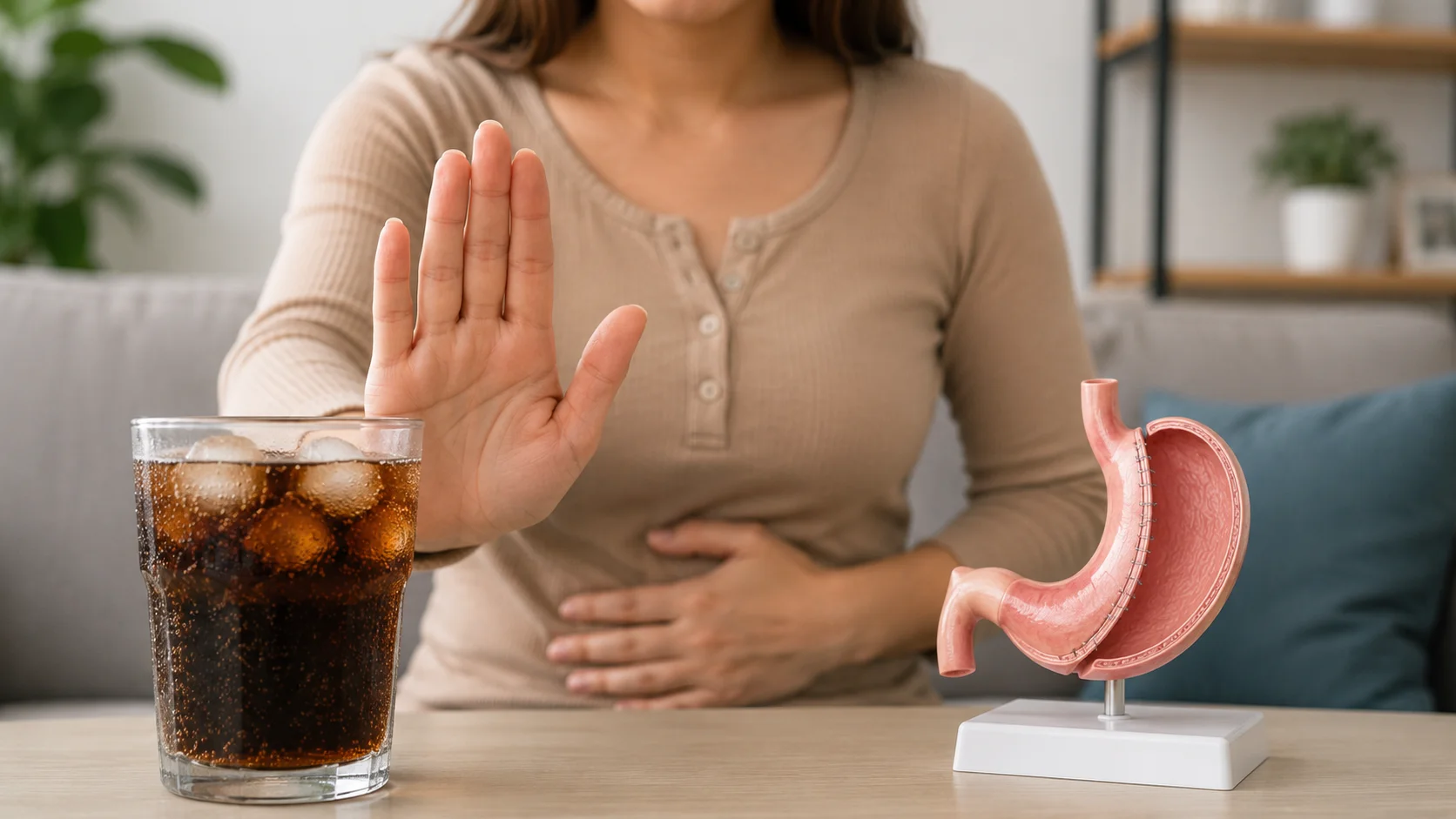
- Carbonated drinks cause intense intra-abdominal pressure and pain because the newly shaped, rigid gastric sleeve cannot accommodate the rapid expansion of carbon dioxide gas.
- Consuming fizzy beverages, including diet sodas and sparkling water, can lead to serious complications such as staple line leaks, chronic acid reflux, and potential stretching of the stomach sleeve.
- Surgeons generally recommend a complete ban on carbonation for at least three to six months, as these drinks can also trigger sugar cravings and sabotage long-term weight loss goals.
Giving up your favorite carbonated beverages is often one of the most psychologically taxing adjustments after bariatric surgery. Many patients immediately begin looking for loopholes, wondering when they can safely consume fizzy drinks after gastric sleeve surgery without causing serious complications. The cold, hard truth of anatomy is that your newly shaped digestive tract is simply not built to handle the expansion of gas.
Table of Contents
Why Carbonation and Bariatric Surgery Do Not Mix
To understand why bubbles are your new enemy, you have to look at the dramatic structural changes your body has undergone. During a gastric sleeve procedure, surgeons remove approximately eighty percent of your stomach, transforming a highly elastic, stretchable pouch into a narrow, rigid tube. In a normal stomach, carbonated liquids have plenty of room to expand, and any excess gas is easily expelled through a simple burp.
Your new sleeve lacks this expansive volume and elastic buffer. When you swallow a carbonated beverage, the dissolved carbon dioxide gas is released rapidly as the liquid warms up to your body temperature. This sudden release of gas creates immediate, intense intra-abdominal pressure. Because the volume of the sleeve is so limited, this trapped gas has nowhere to go, resulting in severe chest pain, painful bloating, immediate nausea, and an overwhelming sensation of pressure that can easily mimic a medical emergency.
The Myth of the “Harmless” Diet Soda
The human brain is remarkably creative when it is desperate for a familiar comfort, and this creativity usually manifests as trying to negotiate with the laws of physics. Patients frequently convince themselves that zero-calorie options like Pepsi Max or Diet Coke are perfectly fine because they do not contain sugar or calories. While it is true that these beverages will not directly derail your caloric deficit or cause insulin spikes, your stomach sleeve does not read the nutrition label. It only reacts to the physical presence of carbon dioxide, meaning a diet soda will cause the exact same mechanical distress and pressure as its full-sugar counterparts.
Furthermore, relying on artificial sweeteners during your recovery can actively sabotage your weight loss goals. These hyper-sweet chemical substitutes can overstimulate your sweet receptors, keeping your cravings for sugary foods alive and well. Trying to replace water with diet sodas keeps you psychologically tethered to the very habits that necessitated surgery in the first place, defeating the purpose of your lifestyle overhaul.
The Sparkling Water Illusion
Another common trap is the assumption that sparkling water or unsweetened seltzers are safe because they are “just water.” While staying hydrated is your absolute highest priority after surgery, carbon dioxide does not become safer just because it is dissolved in premium mineral water. Your stomach cannot distinguish between the bubbles in an expensive sparkling water and those in a cheap cola. The mechanical distension caused by the expanding gas remains entirely identical, making sparkling water just as dangerous to your healing tissue as any other carbonated beverage.
Scientific Insights on Fizzy Drinks After Gastric Sleeve
Clinical research consistently supports the strict avoidance of carbonated beverages in the post-bariatric population. A clinical study published in the journal Obesity Surgery examined the gastrointestinal tolerance of bariatric patients and confirmed that carbonated beverages are a primary trigger for gastroesophageal reflux disease (GERD) and acute gastric discomfort. Researchers observed that the introduction of carbon dioxide gas into a restricted gastric volume significantly elevates intra-gastric pressure, which can force gastric acid backward into the esophagus and cause severe pain. This objective measurement debates the casual assumption that patients can simply tolerate the bubbles over time, highlighting that the physical laws of pressure do not change just because a patient feels subjectively fine.
The Real Risks of Early Carbonation Consumption
Drinking carbonated beverages too soon after your procedure is not just a recipe for a highly uncomfortable afternoon; it poses genuine clinical risks to your long-term health and surgical outcome.
Staple Line Leaks and Micro-Tears
During the first six to eight weeks following your surgery, your stomach sleeve is in a critical, active state of healing. The tissue is held together by surgical staples, and any excessive internal pressure can compromise the integrity of this staple line. Forcing pressurized gas into this healing tube can cause microscopic tears or, in severe cases, contribute to a staple line leak. A leak is a life-threatening complication that requires immediate, invasive medical intervention, making that craving for a bubbly drink a highly dangerous gamble.
Chronic Acid Reflux and Esophageal Issues
Gastric sleeve surgery naturally alters the pressure dynamics between your stomach and your esophagus, making many patients more susceptible to acid reflux. Introducing carbonation to this delicate ecosystem is equivalent to pouring gasoline on a fire. The rising gas bubbles force the lower esophageal sphincter open, allowing highly acidic gastric juices to wash upward into your throat. Over time, chronic exposure to this acid can cause severe inflammation, esophagitis, and long-term damage to the esophageal lining.
Gastric Sleeve Stretching and Weight Regain
While the idea that a single soda will permanently stretch your stomach into its pre-surgery size is somewhat exaggerated, chronic exposure to high internal pressure is a different story. Regularly consuming carbonated beverages over months and years subjects the sleeve to constant mechanical stretching. Over time, this persistent pressure can cause the gastric tissue to lose its restriction, allowing you to consume larger portions of food before feeling full. Once this restriction is compromised, the risk of significant weight regain increases dramatically.
When Can You Safely Drink Fizzy Drinks After Gastric Sleeve?
Most bariatric surgeons recommend a complete and absolute ban on all carbonated beverages for at least three to six months post-surgery, with many advocating for a permanent lifetime ban. If you do choose to experiment with bubbles after your stomach has completely healed and stabilized, you must do so with extreme caution. This means allowing the beverage to sit open and go partially flat, pouring it over a large cup of ice to release excess gas, and taking tiny, experimental sips rather than gulping. If you experience even a minor amount of discomfort, pain, or pressure, it is an unmistakable sign that your body is not ready, and you should immediately return to flat liquids.
Comparing Post-Bariatric Beverage Options
To help you navigate your hydration choices safely, the following table compares the safety levels and risks associated with various common beverages during your post-operative recovery.
| Beverage Type | Carbonation Level | Sugar & Calorie Content | Safety Level | Primary Post-Sleeve Risk |
| Still Water | None | Zero | Highly Recommended | None (essential for hydration) |
| Unsweetened Flat Tea | None | Zero | Safe (choose decaf) | Mild caffeine dehydration if overconsumed |
| Sparkling Water / Seltzer | High | Zero | High Risk / Avoid | Acute gas pain, stomach pressure |
| Pepsi Max / Diet Sodas | High | Zero | High Risk / Avoid | Reflux, gas distress, sweet cravings |
| Regular Sugary Sodas | High | High | Danger / Avoid | Dumping syndrome, weight regain, extreme gas |
Why Choose CK Health Turkey for Your Weight Loss Journey
Achieving long-term success after weight loss surgery requires far more than just a successful operation; it demands dedicated, expert guidance to help you navigate your new lifestyle. Located in the beautiful coastal city of Antalya, CK Health Turkey offers world-class bariatric care tailored specifically for international patients seeking high-quality, affordable medical treatments. Our highly experienced surgical teams and dedicated post-operative nutritional counselors work closely with you to ensure a smooth recovery, helping you manage dietary transitions and successfully phase out high-risk items like carbonation. We prioritize your comfort, safety, and long-term success from the moment you land to long after you return home. If you are ready to take control of your health and begin a life-changing weight loss journey, we invite you to reach out to our specialists through our website to schedule your personalized consultation.
Transitioning to a healthier lifestyle after bariatric surgery requires a profound shift in your daily habits and dietary choices. While the temptation to indulge in a cold, bubbly beverage can be difficult to overcome, protecting your delicate gastric sleeve from the painful mechanical pressure of expanding gas is essential for a smooth recovery. By focusing your hydration efforts on clean, flat liquids and choosing to entirely avoid fizzy drinks after gastric sleeve surgery, you protect your medical investment, prevent uncomfortable complications, and set yourself up for lasting weight loss success.