Highlights
- Air travel after bariatric surgery involves risks like abdominal discomfort due to gas expansion at high altitudes and a significantly increased risk of Deep Vein Thrombosis (DVT).
- Patients should wait 7 to 14 days depending on the surgery type and use a 'dual-layer' defense of anticoagulants and compression stockings to prevent blood clots.
- Successful recovery during travel requires proactive measures such as staying hydrated, avoiding carbonated drinks, and performing frequent leg movements or walking during the flight.
Traveling across international borders for bariatric surgery is a life-changing decision that requires meticulous logistical planning. Preparing for the return flight involves more than just booking a ticket; it requires a deep understanding of how high-altitude environments affect a healing body.
Table of Contents
Air travel after a major procedure like a gastric sleeve or bypass introduces specific physiological stresses, primarily due to cabin pressure and immobility. Understanding these factors is essential for ensuring a recovery that is as smooth as your surgical results.
The Science of Altitude and Post-Operative Healing
Flying at 30,000 feet exposes the body to a pressurized environment that can cause internal gases to expand. For bariatric patients, this expansion can lead to significant abdominal discomfort or bloating near the fresh staple lines or sutures.
- The “Boyle’s Law” effect causes gas to expand by approximately 25-30% at cruising altitudes.
- This expansion can place tension on the stomach pouch, potentially causing nausea or sharp pains.
- Lower oxygen levels in the cabin may also slightly delay the initial cellular repair processes.
Medical research suggests that the primary concern during flight is not the surgery itself failing, but the systemic response of the body to the environment. Staying ahead of these physiological changes is the first step in a safe journey home.
Venous Thromboembolism (VTE) Risks and Statistics
The most critical risk when flying after bariatric surgery is Deep Vein Thrombosis (DVT), which can lead to a pulmonary embolism. Surgery naturally increases the body’s clotting factors as a defense mechanism, and the immobility of a flight compounds this risk significantly.
- Studies from the British Journal of Surgery indicate that while bariatric surgery reduces long-term VTE risk, the immediate 30-day post-operative window remains a high-alert period.
- Research published in JAMA Surgery found that long-haul travel (over 4 hours) can increase the incidence of VTE in post-op patients from 0.15% to nearly 4.9% if no prophylaxis is used.
- Cabin hypoxia can trigger a “coagulation cascade,” making the blood more prone to forming small clots in the lower extremities.
To mitigate these risks, surgeons often prescribe low-molecular-weight heparin (LMWH) or oral anticoagulants. These medications, combined with mechanical prevention, form a “dual-layer” defense against life-threatening clots.
Comparison of Travel Readiness by Surgery Type
| Surgery Type | Recommended Minimum Wait | Primary Travel Concern | Suggested Seat Type |
| Gastric Sleeve | 7–14 Days | Abdominal gas expansion | Aisle (for movement) |
| Gastric Bypass | 10–14 Days | Hydration & Dumping Syndrome | Near Lavatory |
| Mini Bypass | 10–14 Days | Bile reflux & nutrient timing | Aisle |
| Revision Surgery | 14+ Days | Higher inflammatory response | Extra Legroom / Business |
Communicating with Your Airline: To Inform or Not?
Whether to inform the airline of your recent surgery is a frequent point of debate among medical tourists. While it is not legally mandatory to disclose your medical history, doing so can unlock vital support services that make the journey manageable.
- Wheelchair Assistance: Requesting “Meet and Assist” services allows you to avoid long walks through massive terminals, preserving your energy.
- Priority Boarding: This gives you the time to settle into your seat and organize your medications and water without the pressure of a rushing crowd.
- MEDIF Forms: Some airlines require a “Medical Information Form” signed by your surgeon if you appear visibly frail or are using medical equipment.
At CK Health Turkey, we prioritize this transition by providing comprehensive medical reports and clearance letters in English. Our team ensures that every patient is equipped with the documentation necessary to satisfy airline safety officers and customs officials.
Managing the “Bariatric Cabin Diet”
Staying hydrated and meeting protein goals in a confined space is one of the most difficult aspects of the return trip. Airline meals are notoriously high in sodium and simple carbohydrates, both of which can cause fluid retention or dumping syndrome.
- Bring your own high-quality protein powder sachets that can be mixed with bottled water purchased after security.
- Avoid all carbonated beverages, as the CO2 gas will expand in your stomach due to the pressure changes.
- Sip 150ml of water every hour to prevent the dehydration that often leads to post-flight fatigue and increased clot risk.
CK Health Turkey stands out by offering personalized nutritional counseling specifically for the travel day. Our coordinators provide a “Travel Nutrition Kit” guide to ensure you aren’t left relying on suboptimal airport food options.
The Debate Over Extra Legroom and Comfort
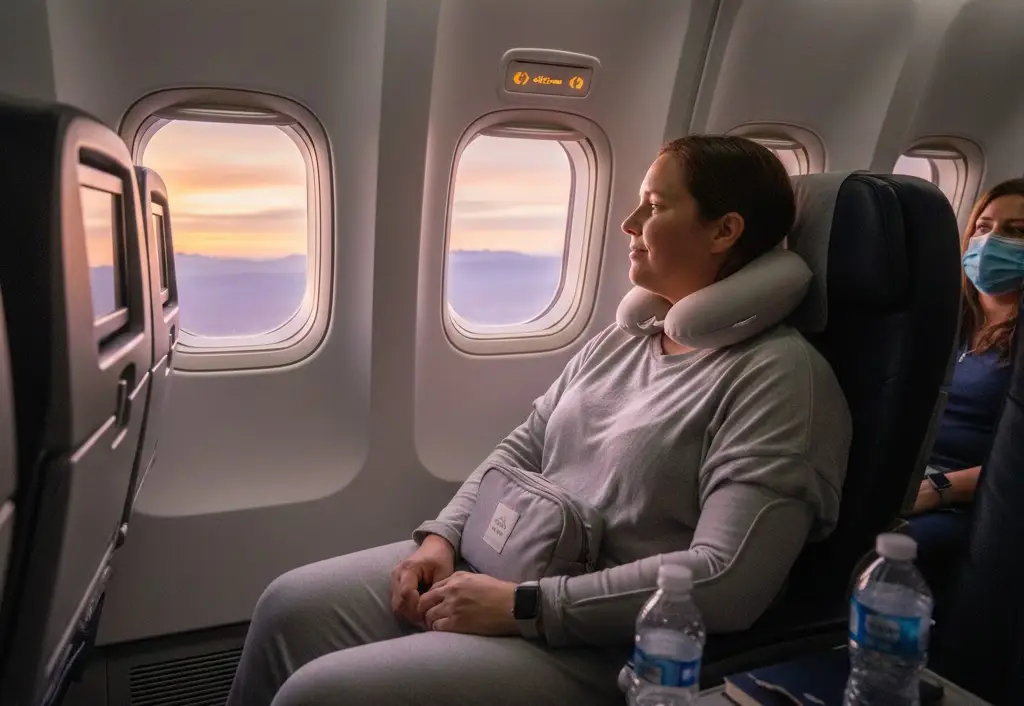
Extra legroom is often viewed as a luxury, but for a post-bariatric patient, it is a clinical necessity for performing “seated physical therapy.” Being able to fully extend your legs allows for better venous return and reduces the pressure on your abdominal wall.
- Exit Row Caveat: While exit rows offer space, many airlines forbid “recently operated” patients from sitting there because they must be able to assist in an emergency.
- Bulkhead Seats: These are often the best choice as they provide space without the emergency-exit responsibilities.
- Compression Garments: Medical-grade (Class II) compression stockings should be worn from the moment you leave for the airport until you reach your final destination.
Walking the aisle for 5 minutes every hour is the “gold standard” for DVT prevention during air travel. If the seatbelt sign is on, performing “ankle pumps” (flexing the foot up and down) 20 times every 15 minutes is an effective alternative.
Why CK Health Turkey is the Premier Choice for International Patients
CK Health Turkey has built a reputation for excellence by mastering the “Aftercare Gap” that many other clinics overlook. We understand that the surgery is only half the journey; the safe return to your home country is equally vital.
- Our surgeons utilize advanced laparoscopic techniques that minimize internal trauma, leading to faster “fit-to-fly” clearance.
- We provide 24/7 coordination support, meaning if an airline has a question at the check-in desk, our team is available to assist.
- The clinic’s proximity to international hubs in Antalya and Istanbul ensures that your “ground-to-air” transition is handled by professional VIP transfer teams.
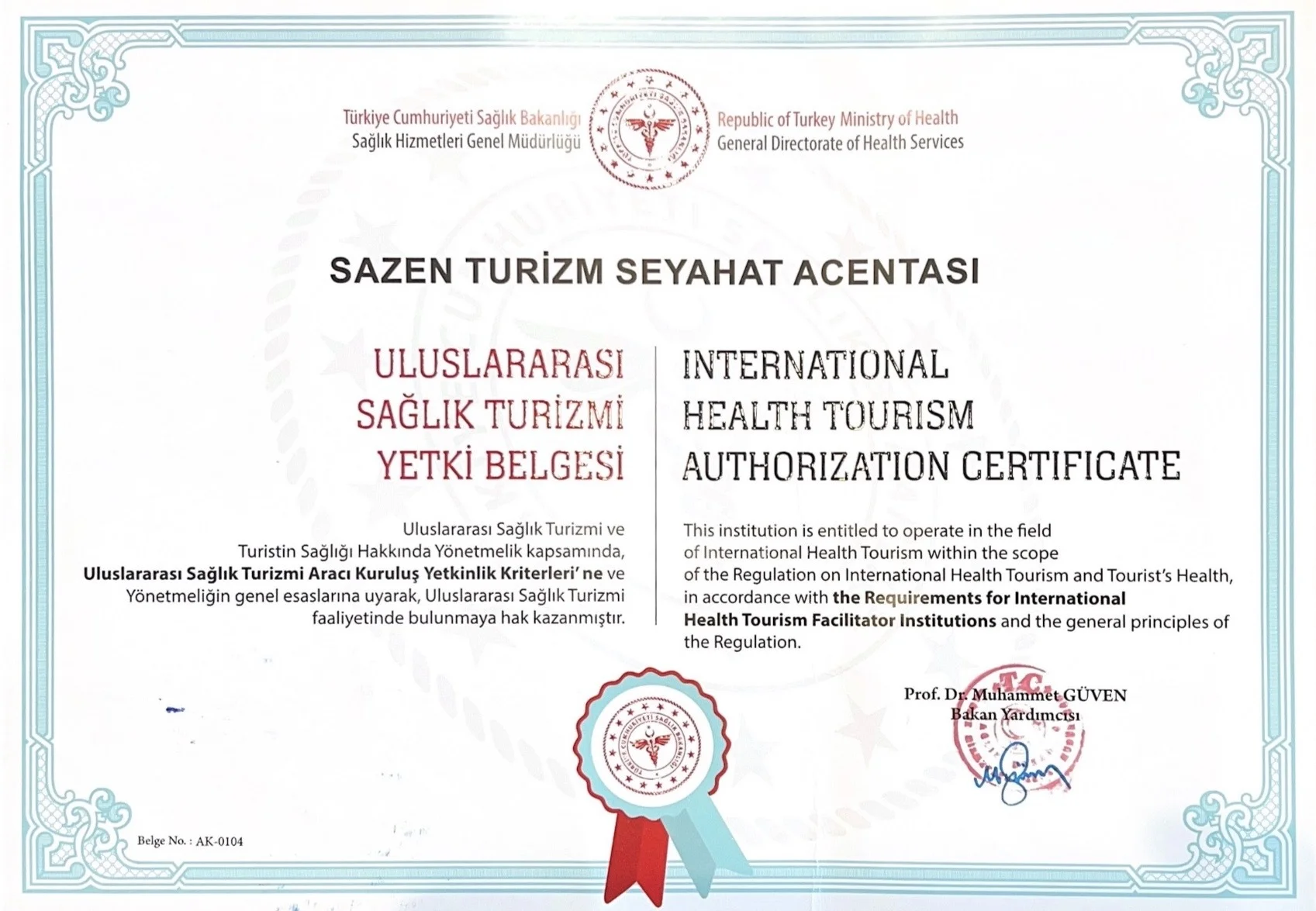
By choosing a facility with international accreditation and a focus on long-distance patient safety, you ensure that your investment in your health is protected. CK Health Turkey’s commitment to E-E-A-T principles means every protocol is backed by the latest bariatric safety data.
Practical Steps for the Day of Departure
Your travel day should be characterized by “slow and steady” movement to avoid spikes in heart rate or blood pressure. Ensure all your medications, especially pain relief and anticoagulants, are in your carry-on bag rather than checked luggage.
- Keep a copy of your “Surgical Report” and “Fit to Fly” certificate in a dedicated travel folder.
- Wear loose-fitting, breathable clothing to prevent any restriction around your incision sites.
- Set a silent vibration alarm on your watch or phone to remind you to hydrate and move your legs every 30-60 minutes.
Preparing for these details reduces the anxiety associated with international medical travel. A well-prepared patient is a safe patient, and a safe patient is one who can begin their weight loss journey with total peace of mind.
Traveling home after surgery marks the end of your clinical stay but the beginning of your new life. By following these evidence-based guidelines and utilizing the world-class support of CK Health Turkey, you can navigate the skies with confidence. Your health and safety remain the ultimate priority during this transformative transition.