Highlights
- Post-operative blood monitoring is essential after a gastric sleeve because the reduction in stomach volume and acid production significantly impairs the body's ability to absorb vital micronutrients like iron and vitamin B12.
- Clinical guidelines recommend a structured testing schedule at 3, 6, and 12 months post-surgery, followed by comprehensive annual blood panels for the rest of the patient's life to prevent asymptomatic deficiencies.
- Regular screening allows for the early detection of serious complications such as irreversible nerve damage, bone density loss, and severe anemia by monitoring markers like ferritin, vitamin D, and trace elements.
Undergoing sleeve gastrectomy is a transformative milestone on your weight loss journey, but long-term success relies heavily on post-operative nutritional monitoring. Establishing a structured routine for gastric sleeve aftercare blood tests UK ensures your body maintains optimal micronutrient levels while rapidly losing weight. Without routine laboratory checks, hidden deficiencies can quietly develop and compromise your overall health.
Table of Contents
Why Post-Operative Blood Monitoring is Critical After Gastric Sleeve Surgery
During a sleeve gastrectomy, a surgeon removes approximately 75% to 80% of the stomach along its greater curvature. While this restriction drastically reduces stomach volume and suppresses ghrelin (the hunger hormone), it also fundamentally alters your digestive physiology. The excised portion of the stomach contains the vast majority of parietal cells, which are responsible for secreting hydrochloric acid and intrinsic factor. Hydrochloric acid is essential for cleaving dietary iron and converting it into an absorbable form, while intrinsic factor is required for the intestinal absorption of vitamin B12.
Although the gastric sleeve is primarily a restrictive procedure rather than a malabsorptive one, the combination of significantly reduced food volume and diminished gastric secretions places every patient at risk of progressive nutrient depletion. Micronutrients like iron, vitamin B12, folate, vitamin D, and zinc become far harder for the body to extract and absorb in sufficient quantities.
Clinical guidance from the British Obesity & Metabolic Surgery Society (BOMSS) and National Institute for Health and Care Excellence (NICE CG189) emphasizes that post-bariatric patients face a lifetime risk of nutritional deficiencies.Published clinical data demonstrates that without structured biochemical surveillance, over 40% of sleeve gastrectomy patients develop iron deficiency within two years, while subclinical vitamin D and B12 deficits occur with similar frequency. BOMSS guidelines highlight that routine laboratory screening is vital because nutritional deficits frequently remain asymptomatic until severe complications—such as irreversible peripheral neuropathy, metabolic bone disease, or profound anaemia—take hold.
Complete Schedule for Gastric Sleeve Aftercare Blood Tests UK
Following surgery, your blood monitoring schedule changes as your body transitions from rapid weight loss to weight stabilization. Adhering to the established UK timeline ensures potential deficiencies are caught early.
3-Month Post-Operative Blood Screening
The 3-month review represents your first major biochemical milestone following surgery. At this stage, your body is undergoing rapid fat mobilization, and your diet is transitioning from liquid and soft phases toward solid foods. The primary objective of this initial screen is to verify baseline kidney function, assess electrolyte stability, check liver enzyme adaptation, and catch acute drops in water-soluble vitamins or iron stores.
6-Month Mid-Year Check
By 6 months post-op, weight loss is typically at its peak velocity. Internal stores of key micronutrients—particularly ferritin, folate, and vitamin B12—may begin to show significant depletion if oral supplementation is inadequate or improperly absorbed. Testing at 6 months allows healthcare providers to adjust oral supplement dosages or convert patients to therapeutic injections before physiological symptoms manifest.
12-Month Mark and Lifelong Annual Panel
At the 12-month mark, weight loss often begins to plateaus, and patients are usually transitioned from specialist hospital-based bariatric clinics to long-term primary care management. This panel expands beyond basic vitamins to evaluate trace elements, bone turn-over markers, and long-term metabolic health. After the first year, this exact comprehensive panel must be repeated annually for life.
Detailed Breakdown of Essential Bariatric Blood Panels
Understanding what each blood test measures helps you interpret your laboratory reports and stay proactive in your aftercare.
Full Blood Count (FBC) and Iron Profile
A full blood count evaluates red cell mass, haemoglobin levels, and white blood cells. In bariatric aftercare, FBC is paired with a comprehensive iron profile including serum ferritin, total iron-binding capacity, and transferrin saturation. Serum ferritin measures stored iron. Because ferritin is an acute-phase reactant that can artificially rise during inflammation, levels below 30 µg/L strongly indicate iron depletion even if haemoglobin appears normal. Reduced stomach acid impairs iron conversion, often requiring high-dose oral iron coupled with vitamin C or intravenous iron infusions if oral tablets fail.
Vitamin B12 and Serum Folate
Vitamin B12 (cobalamin) and serum folate work in tandem to support red blood cell synthesis and neurological function. Loss of intrinsic factor post-sleeve makes standard oral B12 absorption inefficient for many individuals. Deficiencies cause macrocytic anaemia, nerve damage, memory fog, and chronic fatigue. In the UK, post-gastric sleeve patients frequently require intramuscular hydroxocobalamin injections (1mg every 3 months) or specialized high-dose sublingual formulations to maintain adequate serum concentrations.
Bone Profile, Vitamin D, and Parathyroid Hormone (PTH)
Sleeve gastrectomy alters calcium absorption dynamics. A complete bone panel tracks serum calcium, phosphate, alkaline phosphatase, 25-hydroxyvitamin D, and intact parathyroid hormone. When vitamin D or dietary calcium is insufficient, the body compensates by elevating PTH levels to extract calcium directly from bone tissue. Over time, secondary hyperparathyroidism leads to severe bone density loss and osteoporosis. Maintaining serum vitamin D well above 50 nmol/L prevents bone demineralization.
Liver and Kidney Function (U&Es, LFTs)
Urea and electrolytes (U&Es) evaluate renal clearance and hydration status. Because reduced stomach volume makes rapid fluid consumption challenging, bariatric patients face elevated risks of mild dehydration and renal stress. Liver function tests (LFTs) monitor liver enzymes. Temporary transaminitis is common during rapid weight loss as non-alcoholic fatty liver disease resolves, but persistent elevations require clinical investigation. Albumin levels within LFTs also serve as a marker for protein intake.
Trace Elements: Zinc, Copper, and Selenium
Trace minerals are often overlooked in routine healthcare but are mandatory components of annual bariatric monitoring. Zinc deficiency manifests as thinning hair, impaired skin healing, and dysgeusia (taste distortion). Copper deficiencymimics vitamin B12 deficiency, causing severe sensory ataxia and microcytic anaemia that does not respond to iron. Because supplementation with high doses of iron or zinc can block copper absorption, monitoring the ratio of these trace minerals is critical.
HbA1c and Lipid Profiles
For patients who underwent surgery to treat obesity-related comorbidities like Type 2 diabetes or dyslipidaemia, tracking glycated haemoglobin (HbA1c) and lipid levels validates metabolic recovery. Regular HbA1c testing confirms diabetes remission or alerts clinicians if glycemic control begins to shift.
Post-Gastric Sleeve Blood Test Monitoring Schedule
| Test Category | Required Markers | 3 Months | 6 Months | 12 Months | Annual (Lifelong) |
| Haematology | FBC, Ferritin, Iron Profile | Required | Required | Required | Required |
| Vitamins | Vitamin B12, Serum Folate, Vitamin D | Required | Required | Required | Required |
| Bone Health | Calcium, Phosphate, ALP, Intact PTH | Required | Required | Required | Required |
| Biochemistry | U&Es, LFTs, Serum Albumin | Required | Required | Required | Required |
| Trace Minerals | Zinc, Copper, Selenium | Optional | Optional | Required | Required |
| Metabolic | HbA1c, Full Lipid Profile | Required* | Optional | Required | Required |
*HbA1c monitoring at 3 months is specifically recommended for patients with a pre-existing diagnosis of diabetes.
How to Navigate Post-Bariatric Shared Care with Your UK GP
Securing comprehensive aftercare blood tests through primary care requires clear communication between you, your surgical team, and your GP practice.
- Request a formal bariatric discharge summary from your surgical hospital that explicitly references BOMSS nutritional monitoring guidelines.
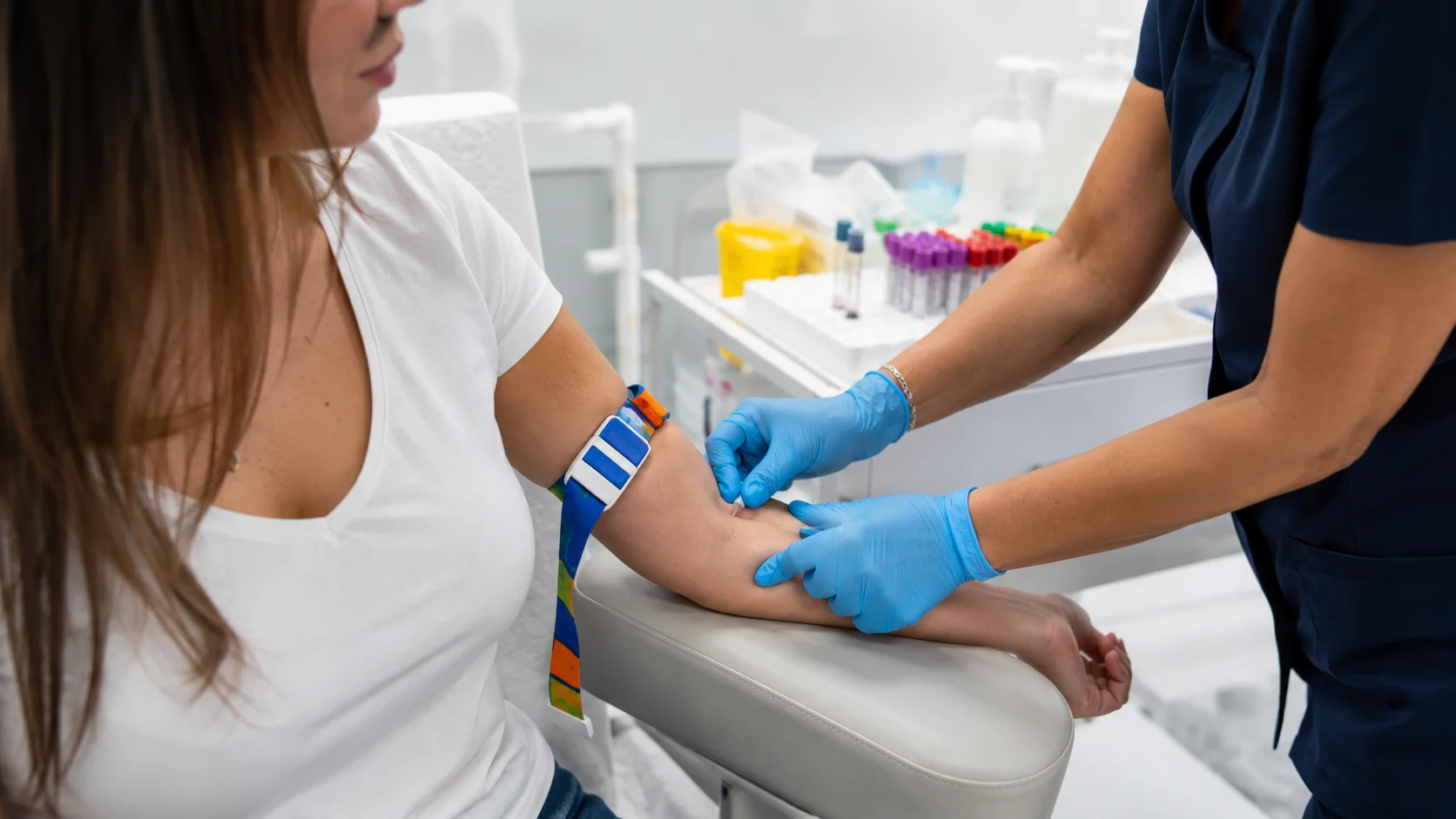
- Contact your GP surgery 3 to 4 weeks prior to your 3-month, 6-month, or annual milestone to book a phlebotomy appointment.
- Confirm with the practice nurse that the blood order includes bariatric-specific markers like ferritin, vitamin D, PTH, B12, folate, and trace minerals rather than just a basic routine health check.
- Request a digital or printed copy of your lab results to maintain a personal health file and compare marker trends year over year.
Bariatric Surgery Aftercare and Support with CK Health Turkey
For international patients who travel to Turkey for bariatric surgery, establishing seamless post-operative care upon returning home is essential. CK Health Turkey stands out as a premier healthcare provider that places aftercare coordination at the forefront of the patient experience. Understanding that weight loss surgery is a lifelong commitment, the medical team provides structured follow-up protocols designed to integrate smoothly with UK healthcare practices.
Patients choosing CK Health Turkey receive personalized nutritional guidance, detailed discharge documentation tailored to international guidelines, and ongoing access to bariatric specialists. This multi-disciplinary support ensures that patients return home with clear instructions regarding supplement schedules and required blood testing intervals. By bridging the gap between overseas surgical excellence and local primary care follow-up, CK Health Turkey helps patients navigate their post-operative journey with total confidence.
To learn more about bariatric surgery packages, aftercare protocols, and expert support, get in touch with the medical coordination team or visit the official CK Health Turkey website today.
Prioritising your post-operative health through structured monitoring is the ultimate investment in your long-term transformation. Working proactively with healthcare professionals and adhering to lifetime annual screenings guarantees that potential deficiencies are identified and corrected long before symptoms arise. Committing to a consistent schedule for gastric sleeve aftercare blood tests UK empowers you to maintain vital nutrient levels, protect your metabolic health, and enjoy the full benefits of your weight loss journey.