
Sleeve gastrectomy is highly effective for initial weight reduction, yet long-term maintenance remains a lifelong journey for many individuals. When initial restriction diminishes, understanding your Gastric Sleeve Revision Options After Weight Regain becomes crucial for restoring metabolic health. Navigating these secondary interventions requires a clear look at why the body alters its energy balance and which medical solutions align best with your long-term wellness goals.
Table of Contents
Understanding Why Weight Regain Occurs After a Gastric Sleeve
Experiencing weight recurrence after primary bariatric surgery is a well-documented phenomenon. It is vital to recognize that a rebound in weight does not signify that the initial surgical procedure failed, nor does it indicate a simple lack of personal discipline. Obesity is a chronic, relapsing metabolic disease, and the human body possesses deeply ingrained evolutionary defense mechanisms designed to protect fat stores during periods of caloric deficit.
The physiological framework behind weight regain involves a complex interplay of anatomical changes, hormonal shifts, and metabolic adaptations. Over time, the restricted gastric pouch can expand, or hormonal signals can revert to baseline, leading to increased hunger and altered energy expenditures.
Biological and Metabolic Drivers of Weight Recurrence
To effectively address weight recurrence, patients and clinicians must analyze the specific underlying physiological triggers:
- Metabolic Adaptation: The body responds to massive weight loss by downregulating its baseline metabolic rate to conserve energy. This natural slowdown means the body requires fewer calories to function than it did at the same weight prior to surgery.
- Hormonal Volatility: Primary sleeve gastrectomy reduces hunger by removing the gastric fundus, the primary site of ghrelin (the hunger hormone) production. However, over a period of three to five years, peripheral hormonal adaptations can cause a resurgence in appetite while gut peptides like GLP-1, which promote satiety, may decline.
- Anatomical Stretching: The stomach is a highly distensible muscular organ. Over years of processing solid foods, the long, narrow sleeve can naturally dilate or stretch, increasing the volume of food required to achieve physical fullness.
- Nutritional Gradients and Grazing: When physical restriction declines slightly, behavioral shifts such as continuous snacking on high-calorie, low-nutrient foods can bypass the restrictive mechanisms of the sleeve entirely.
A 2026 study published by Moizé et al. in Obesity Surgery demonstrated that significant metabolic adaptation occurs within the first year following metabolic bariatric surgery. The research indicated that the magnitude of this adaptation was particularly pronounced in sleeve gastrectomy patients, showing an average post-operative reduction in resting energy expenditure (REE) of -259 kcal/day at twelve months. This relative reduction in metabolic rate was directly correlated with long-term recurrent weight gain, proving that weight recidivism is driven by quantifiable biological adaptations rather than a failure of patient willpower.
Gastric Sleeve Revision Options After Weight Regain
When lifestyle changes, nutritional therapy, and anti-obesity medications are insufficient to manage weight recurrence, secondary surgical or endoscopic interventions offer a structural solution. These procedures work by introducing malabsorption, reinforcing mechanical restriction, or combining both methods.
Conversion to Roux-en-Y Gastric Bypass (RYGB)
Converting a primary sleeve to a Roux-en-Y Gastric Bypass is widely regarded as the gold standard for revisional bariatric surgery. During this procedure, the surgeon divides the upper portion of the elongated stomach sleeve to create a small gastric pouch, which is then connected directly to the middle section of the small intestine (the jejunum).
This secondary routing restricts the amount of food that can be consumed at one time and limits calorie absorption by bypassing the lower stomach and the first segment of the small intestine. It is exceptionally effective for individuals who suffer from severe, unresolved chronic acid reflux or gastroesophageal reflux disease (GERD) following their initial sleeve, as the new configuration naturally prevents gastric juices from traveling upward.
Conversion to Single Anastomosis Duodeno-Ileal Bypass (SADI-S)
For patients experiencing significant weight regain without severe acid reflux, conversion to a SADI-S offers a powerful malabsorptive solution. In this procedure, the existing sleeve is preserved or calibrated, and the duodenum is divided just past the pyloric valve. The small intestine is then arranged in a loop, creating a single channel where food mixes with digestive enzymes much further down the intestinal tract.
This intervention significantly reduces the total distance food travels through the digestive pathway, restricting the absorption of carbohydrates and fats. It provides excellent long-term weight reduction outcomes and exhibits a high rate of resolution for type 2 diabetes and metabolic syndrome.
One Anastomosis Gastric Bypass (OAGB)
Also known as the mini-gastric bypass, the One Anastomosis Gastric Bypass modifies the stomach into a long, narrow tube that is slightly larger than a traditional RYGB pouch and joins it directly to a loop of the small intestine.
The procedure features a shortened operative time because it requires only one surgical junction (anastomosis) instead of two. While it yields excellent excess weight loss percentages, it may not be suitable for patients with a pre-existing history of severe bile reflux, as the single-loop design can occasionally allow bile to enter the gastric pouch.
Re-Sleeve Gastrectomy
A re-sleeve gastrectomy is an anatomical correction that is performed when a multi-slice CT scan or upper endoscopy reveals that the primary sleeve has significantly dilated or that a portion of the gastric fundus was left intact during the initial operation.
The surgeon laparoscopically trims the stretched portion of the stomach over a calibrated sizing tube (bougie), restoring the tight, restrictive structure of the original sleeve. This option is generally reserved for individuals who retained excellent metabolic control but lost physical restriction due to structural enlargement of the stomach wall.
Endoscopic and Non-Surgical Revision Interventions
Patients who prefer to avoid a secondary full-scale surgical operation, or those who carry high surgical risk profiles, may qualify for minimally invasive endoscopic procedures performed entirely through the mouth.
Endoscopic Sleeve Gastroplasty (Sleeve-in-Sleeve)
Endoscopic sleeve gastroplasty, often referred to as a sleeve-in-sleeve plication, uses a specialized suturing device attached to a flexible endoscope. The physician enters the stomach via the esophagus and places full-thickness accordion-like sutures along the interior wall of the expanded sleeve to fold and tighten the tissue from the inside out.
This reduces the functional volume and diameter of the stomach without requiring external incisions or permanent intestinal remodeling. While the overall percentage of excess weight loss is typically lower than that achieved via surgical conversions, the endoscopic approach features an ultra-low complication rate and a rapid recovery timeline.
Comparing Secondary Bariatric Procedures
Selecting the appropriate revisional strategy requires a direct assessment of each procedure’s mechanism, potential outcomes, and inherent risks.
| Revisional Procedure | Primary Mechanism | Average Excess Weight Loss (%EWL) | Key Advantage | Major Risk Factor |
| Roux-en-Y Gastric Bypass | Restriction & Moderate Malabsorption | 60% – 65% | Cures post-sleeve GERD and acid reflux | Marginal ulcers, dumping syndrome |
| SADI-S | High Malabsorption & Restriction | 70% – 75% | Maximum long-term weight reduction | Vitamin deficiencies, chronic diarrhea |
| One Anastomosis Bypass | Malabsorption & Restriction | 65% – 70% | Shorter operative times and simpler anatomy | Persistent bile reflux |
| Re-Sleeve Gastrectomy | Pure Mechanical Restriction | 45% – 50% | No intestinal rearrangement or bypass | Risk of staple line leaks or worsening GERD |
| Endoscopic Plication | Internal Volume Reduction | 35% – 40% | No external incisions or surgical cuts | Lower long-term durability |
The Multidisciplinary Evaluation Process
Determining the ideal approach to correct weight regain involves a systematic, step-by-step clinical evaluation to isolate the precise combination of physical and behavioral factors at play.
- Anatomical Diagnostic Imaging An upper gastrointestinal barium swallow series or a diagnostic upper endoscopy is conducted to map the exact dimensions of the current stomach pouch and check for anatomical abnormalities like hiatal hernias, sleeve twisting, or dilation.
- Comprehensive Nutritional Review A specialized bariatric dietitian analyzes the patient’s daily macronutrient breakdown, eating frequencies, and hydration habits to identify dietary patterns such as grazing or liquid calorie consumption that could undermine a secondary procedure.
- Metabolic and Endocrine Blood Panel Comprehensive laboratory evaluations check for thyroid deficiencies, insulin resistance changes, and critical vitamin baselines to rule out underlying hormonal conditions contributing to weight retention.
- Psychological and Behavioral Assessment A behavioral health screening helps identify emotional eating patterns, stress-induced snacking, or underlying mental health barriers, establishing a supportive framework for long-term lifestyle adherence.
- Surgical Multidisciplinary Consensus The surgical team reviews the combined findings from the anatomical, nutritional, and psychological evaluations to recommend the specific revision technique that minimizes risk while maximizing metabolic correction.
Choosing CK Health Turkey for Revisional Care
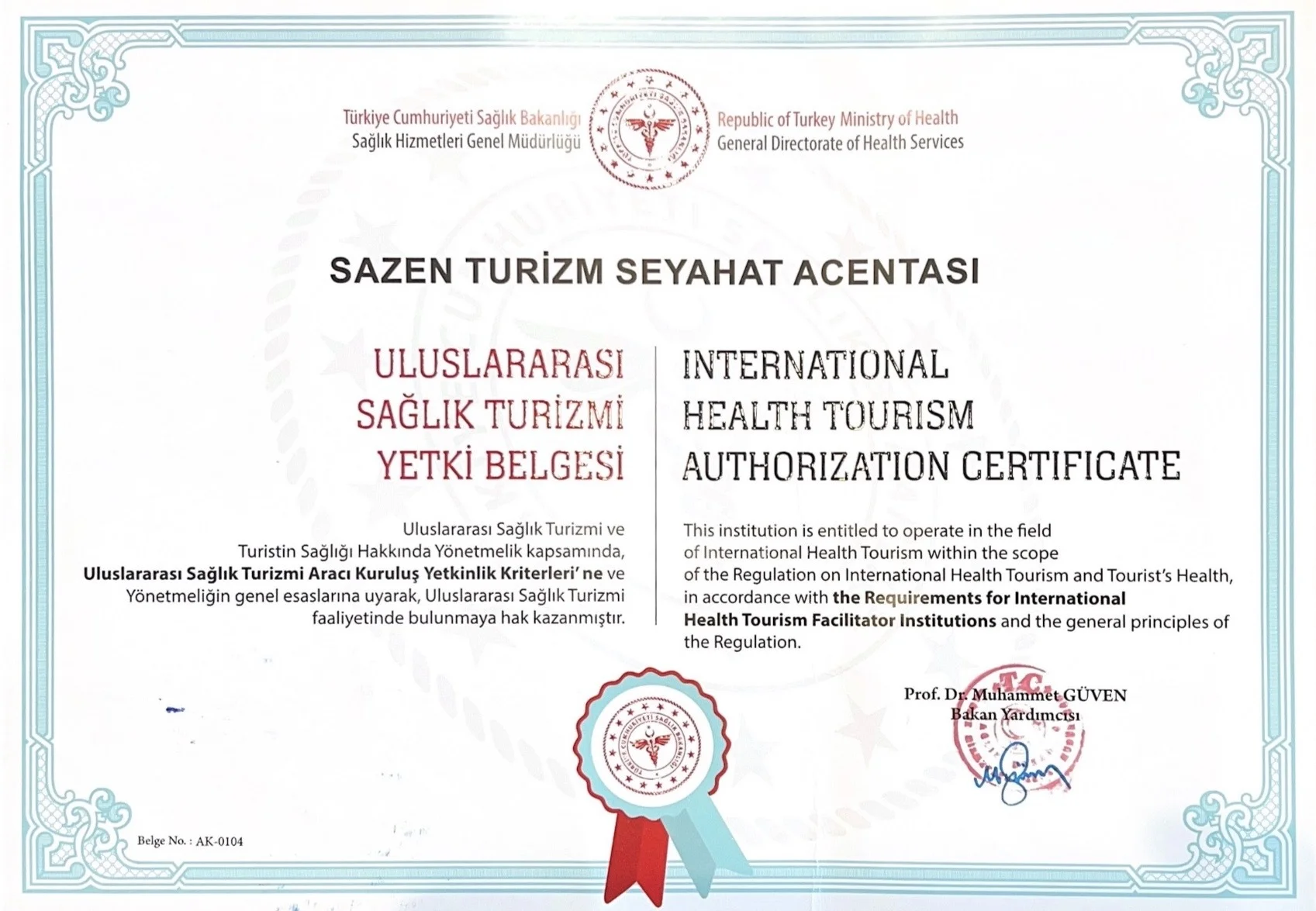
For international patients seeking experienced, world-class medical care, CK Health Turkey provides comprehensive, state-of-the-art bariatric revision pathways. Located in Antalya, the clinic pairs highly experienced bariatric surgeons with advanced diagnostic infrastructure specifically tailored to manage complex secondary cases.
Every patient undergoes a meticulous, multidisciplinary evaluation involving bariatric surgeons, dedicated nutritionists, and internal medicine coordinators to map out a highly customized treatment plan. Beyond surgical excellence, the clinical team provides an integrated, long-term post-operative follow-up framework to support your metabolic reset and guide your lifestyle adjustments. If you are ready to address weight changes and regain control of your long-term health, please reach out to learn more about our tailored treatment programs or visit our website to schedule a consultation.
Managing weight recurrence requires treating obesity as a complex, chronic condition rather than an individual shortcoming. Exploring customized Gastric Sleeve Revision Options After Weight Regain provides a structured pathway to overcome metabolic plateaus, repair anatomical stretching, and ultimately re-establish a reliable foundation for sustained, long-term wellness.