
Highlights
- The gastric sleeve is generally preferred over gastric bypass for coeliac patients because it keeps the intestinal tract intact, avoiding the extreme nutritional deficiencies caused by bypassing the small intestine.
- Combining obesity and coeliac disease creates a 'double malabsorption threat' where a reduced stomach size and damaged intestinal villi make precise, lifelong nutritional monitoring essential.
- Successful outcomes require the coeliac disease to be in strict remission before surgery to prevent complications and to ensure that post-operative symptoms are not confused with gluten exposure.
Getting bariatric surgery requires navigating a daunting landscape of highly restrictive diets, but throwing an autoimmune condition into the mix takes things to a completely different level. If you are considering a gastric sleeve with coeliac disease, you might feel like your body is playing on some twisted, ultra-hard mode. Fortunately, with the right surgical guidance and meticulous nutritional management, this combined journey is not only possible but highly successful.
Table of Contents
What Happens When You Combine Obesity and Coeliac Disease?
It is one of the ultimate cosmic jokes of modern medicine that coeliac disease, historically associated with severe weight loss and physical wasting, is increasingly diagnosed in people who are overweight or morbidly obese. The modern gluten-free market is partially to blame for this paradox. Replacement products are frequently calorie-dense, packed with extra sugars, and heavily processed to compensate for the missing gluten, leading to rapid weight gain. When obesity-related comorbidities like type 2 diabetes, joint pain, or cardiovascular risks enter the picture, bariatric surgery becomes a necessary medical intervention.
However, having coeliac disease means your gut is already an active battleground where gluten triggers an autoimmune response that flattens your intestinal villi, severely limiting your ability to absorb nutrients. Managing both conditions simultaneously requires a complete recalibration of how you view food and digestion. It is a delicate balancing act of shrinking your stomach while desperately trying to heal the lining of your small intestine.
The Double Malabsorption Threat
A standard sleeve gastrectomy permanently removes about 75 to 80 percent of the stomach, leaving a narrow, tube-like pouch. While this is technically a restrictive procedure that does not reroute your intestines, it does decrease the production of stomach acid and intrinsic factor. Both of these are essential for breaking down and absorbing vital nutrients like iron, calcium, and vitamin B12.
When you superimpose this surgical restriction onto a digestive tract already compromised by coeliac disease, the margin for nutritional error shrinks to zero. Your body now has a tiny stomach that holds significantly less food, paired with a small intestine that might still be recovering from autoimmune damage. This dual mechanism makes you highly susceptible to severe, rapid-onset vitamin and mineral deficiencies if your diet is not monitored with microscopic precision.
Why Gastric Sleeve is Preferable to Gastric Bypass
When deciding on weight loss surgery, the two main contenders are the gastric sleeve and the Roux-en-Y gastric bypass. For a patient with coeliac disease, the differences between these two procedures are not just structural; they can dictate your long-term survival and daily quality of life. A gastric bypass reroutes the small intestine, completely bypassing the duodenum and a portion of the jejunum. These bypassed areas are the exact anatomical sites where critical nutrients like iron, calcium, and folate are primarily absorbed. Because coeliac disease already targets and damages these precise regions of the small intestine, compounding this with a malabsorptive surgical bypass is often a recipe for extreme nutritional bankruptcy.
The gastric sleeve, on the other hand, leaves your intestinal tract entirely intact. This preserves every centimeter of your small intestine, allowing it to continue absorbing what little nutrients pass through your reduced stomach. For this reason, most experienced bariatric surgeons heavily favor the gastric sleeve over gastric bypass for patients with gluten-sensitive enteropathy. It ensures that if you maintain a strict gluten-free diet, your small intestinal villi can actually heal and recover, maximizing your body’s remaining capacity to absorb nutrients without the added trauma of bypassed digestive plumbing.
The table below highlights the crucial differences between these two approaches for patients managing gluten-sensitive enteropathy.
| Comparison Factor | Gastric Sleeve | Gastric Bypass |
| Intestinal Rerouting | None; anatomy remains intact | Yes; bypasses duodenum and upper jejunum |
| Malabsorption Risk | Low; primarily restrictive | High; deliberately limits absorption |
| Coeliac-Specific Risk | Manageable with careful supplementation | Extreme; compound malabsorption of iron and calcium |
| Intestinal Surveillance | Easy to access via standard endoscopy | Complex; bypassed segments are difficult to reach |
| Average Weight Loss | 50 to 70 percent of excess weight | 60 to 80 percent of excess weight |
Is Gastric Sleeve with Coeliac Disease Safe and Effective?
Let’s cut through the clinical paranoia: yes, undergoing a gastric sleeve with coeliac disease is both safe and highly effective, provided your surgical team actually understands the disease. Many patients wonder if their autoimmune system will react poorly to the physical trauma of surgery or if weight loss will be compromised. In reality, the massive reduction in systemic inflammation that accompanies major fat loss often helps calm the overactive immune response, making it easier to manage coeliac symptoms over time. However, the catch is that you must be entirely transparent with your bariatric team about your condition before anyone picks up a scalpel.
A critical piece of clinical evidence supporting this comes from a study published in the Annals of Gastroenterology, which analyzed a decade of data from the Nationwide Inpatient Sample on patients with morbid obesity and celiac disease. The researchers found that while bariatric procedures are safe and significantly reduce major morbidities like renal failure, sepsis, and respiratory complications, they also carry distinct trade-offs. Specifically, celiac patients who underwent bariatric surgery experienced a threefold increase in the risk of vitamin D deficiency and post-operative strictures, underscoring the absolute necessity of aggressive, tailored nutritional monitoring and expert surgical execution.
Pre-Operative Preparation and Managing the Diagnostic Maze
Before you can even schedule your surgery, your coeliac disease must be under absolute, airtight control. Your surgical team will require you to have normalized celiac serology, which means blood tests must confirm that your antibody levels are down, proving that you have been strictly avoiding gluten. An uncontrolled flare-up at the time of surgery increases mucosal inflammation, which can complicate the healing of your staple line and lead to severe early-stage complications. For many patients, a pre-operative upper endoscopy is mandatory to assess the current state of the small intestinal lining and rule out active villous atrophy.
Another challenge is that the symptoms of a post-operative gastric sleeve transition—such as nausea, vomiting, changes in bowel habits, and abdominal cramping—mimic the exact symptoms of a gluten exposure flare-up. If you start experiencing these issues three weeks after surgery, it becomes a complex diagnostic guessing game. Is your new stomach pouch protesting the solid food transition, or did you accidentally consume hidden gluten in a liquid supplement? Keeping your coeliac disease in deep remission before surgery eliminates one major variable from this equation, making your recovery far more predictable.
The Post-Operative Diet: Surviving the Phases Without Gluten
Navigating the progressive phases of a bariatric diet is already a chore, but doing it gluten-free requires reading every single label with obsessive, almost exhausting vigilance. Many standard meal replacement shakes, protein powders, and liquid supplements contain wheat-derived binders, barley malt, or cross-contaminated oats that can trigger an autoimmune response. During the initial liquid phase, you must source certified gluten-free, high-quality protein isolates to ensure you hit your daily protein targets without irritating your healing gut.
As you transition to pureed and soft foods, simplicity is your best friend. Lean meats, soft-cooked eggs, and blended vegetables are naturally gluten-free and gentle on both your stomach pouch and your intestinal villi. You will need to work closely with a bariatric dietitian who understands autoimmune enteropathies to construct a meal plan that prevents dumping syndrome while respecting your mucosal limits. Relying on packaged, gluten-free convenience foods is a trap; they are usually lower in protein and higher in simple carbohydrates, which can stall your weight loss and cause rapid blood sugar spikes.
Lifelong Nutritional Monitoring and Supplementation
Because your stomach is smaller and your intestinal absorption might be sub-optimal, standard over-the-counter multivitamins will not cut it. You will need high-potency, bariatric-specific supplements that are certified gluten-free. Your daily regimen will likely include chewable or liquid calcium citrate, iron, vitamin D3, vitamin B12, and a comprehensive multivitamin. Because of the compound risks of deficiency, your blood work must be monitored closely at three, six, and twelve months post-op, and annually for the rest of your life.
Special attention must be paid to thiamine (vitamin B1) and vitamin D levels. If you experience persistent vomiting or poor oral intake in the early weeks following surgery, your thiamine stores can deplete rapidly, raising the risk of severe neurological complications. Regular lab work is your safety net, allowing your medical team to adjust your dosages before subclinical deficiencies turn into chronic health problems like osteoporosis or severe anemia.
Choosing CK Health Turkey for Your Bariatric Journey
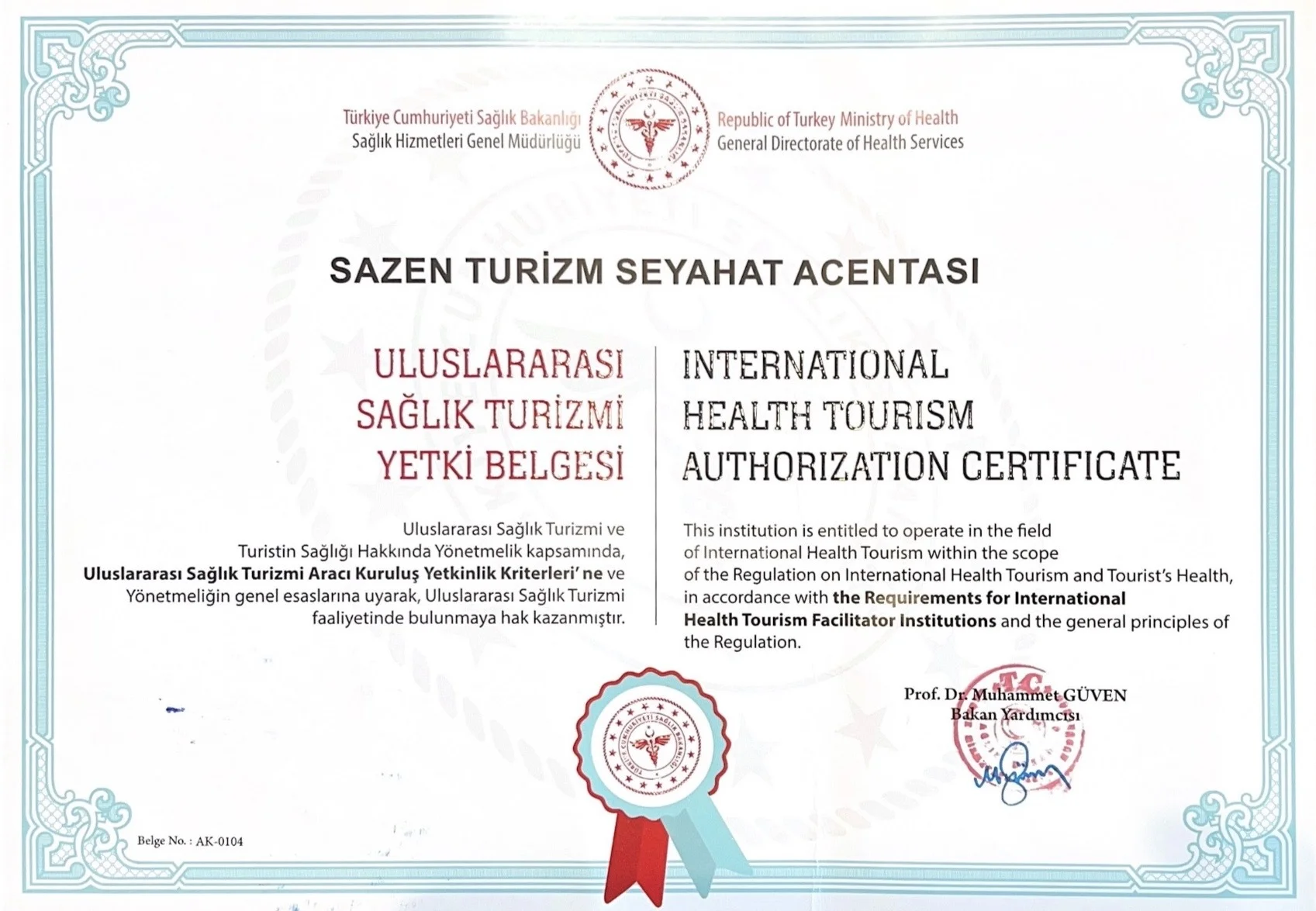
For international patients looking to undergo bariatric surgery, managing a complex profile like coeliac disease requires world-class medical expertise that does not cost a fortune. This is where CK Health Turkey stands out as a premier destination for specialized bariatric care. Operating in state-of-the-art clinical environments in Antalya, our multidisciplinary teams bring together highly experienced bariatric surgeons, gastroenterology specialists, and dedicated bariatric dietitians who understand the precise mechanics of autoimmune digestive disorders.
At CK Health Turkey, we do not believe in one-size-fits-all treatments. We design highly customized surgical and nutritional pathways that treat your obesity while actively protecting your intestinal health. From comprehensive pre-operative screening and endoscopic evaluations to meticulously planned, gluten-free post-operative diet guides, we ensure you are fully supported at every step of your journey. If you are ready to take control of your health and want to learn more about our comprehensive, safe bariatric packages, we invite you to visit our website and get in touch with our medical coordinators today.
Living with a chronic autoimmune condition while battling morbid obesity can feel like an exhausting, uphill struggle, but you do not have to accept a compromise on either front. Choosing a gastric sleeve with coeliac disease is a scientifically backed, highly viable pathway to reclaiming your health, lowering systemic inflammation, and achieving sustainable weight loss. By prioritizing gut health, committing to a strict gluten-free post-op diet, and partnering with an elite clinical team, you can transform your lifestyle and secure the vibrant, active future you deserve.