Navigating weight loss surgery while managing chronic bowel conditions requires careful clinical planning. Many patients wonder if undergoing a gastric sleeve with diverticulitis is safe and effective for long-term health. When properly evaluated and managed, bariatric surgery can significantly improve overall metabolic function without compromising intestinal well-being.
Table of Contents
Understanding Diverticulitis and Its Connection to Obesity
Diverticular disease occurs when small, bulging pouches called diverticula develop in the lining of the digestive tract, most commonly in the lower part of the large intestine (colon). When these pouches are present without causing pain or infection, the condition is referred to as diverticulosis. However, when one or more of these pouches become inflamed or infected, it progresses to diverticulitis, causing severe abdominal pain, fever, nausea, and noticeable changes in bowel habits.
Excess body weight plays a direct role in the severity and frequency of diverticular flare-ups. Severe obesity increases intra-abdominal pressure, which puts additional strain on the colon walls and promotes the formation of diverticula. Furthermore, chronic low-grade inflammation associated with high visceral fat levels can make bowel tissue more susceptible to infection. Weight loss through metabolic procedures often relieves this physical pressure, but the surgical strategy must be tailored carefully to avoid triggering acute bowel complications.
Evaluating Gastric Sleeve with Diverticulitis: Safety and Candidacy
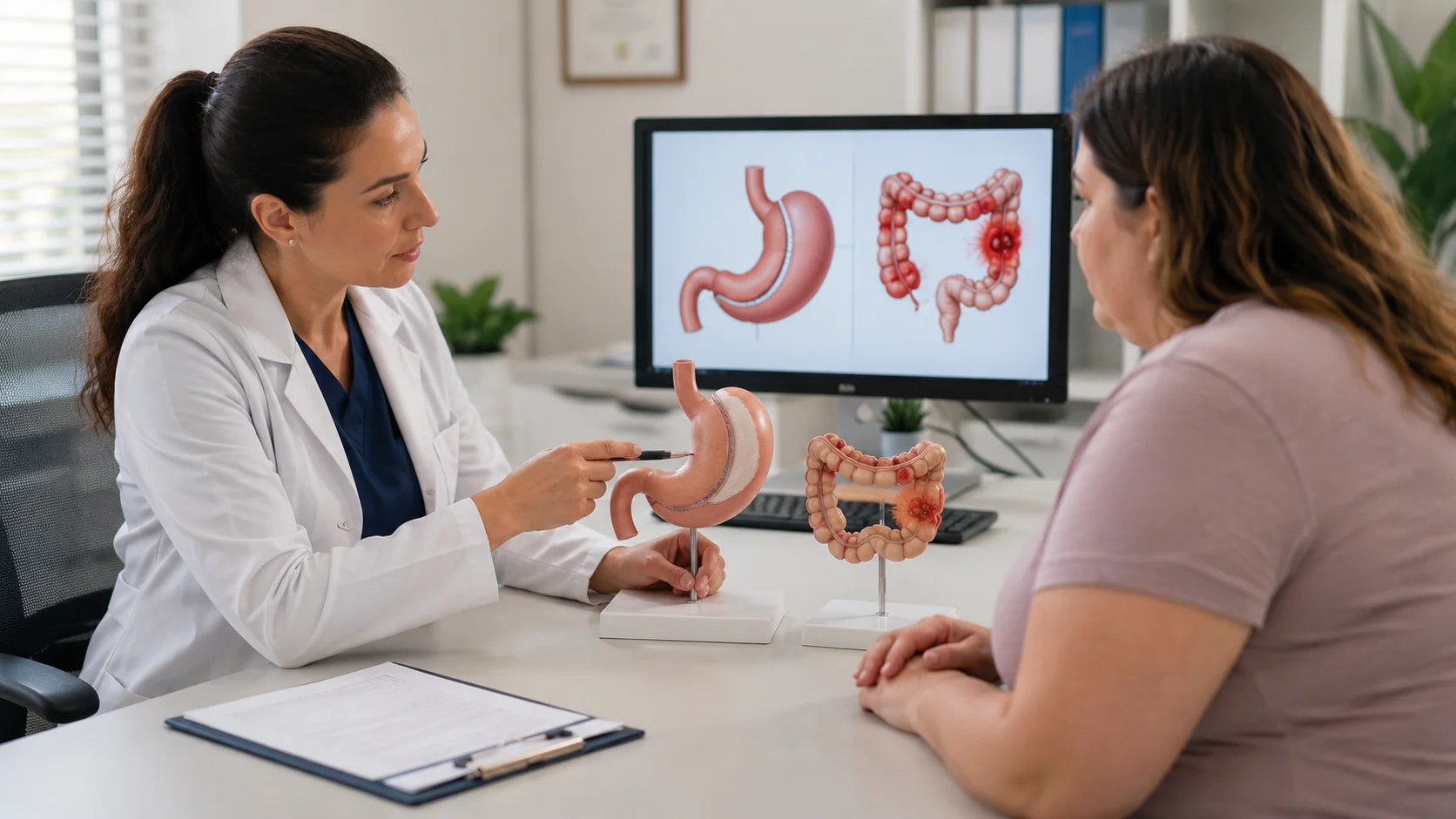
Performing a gastric sleeve with diverticulitis is generally considered safe, provided the bowel condition is in complete remission prior to surgery. Gastric sleeve surgery (sleeve gastrectomy) focuses entirely on reshaping the stomach into a narrow tube, reducing its capacity by approximately 80 percent. Because the procedure does not involve rerouting or cutting the small or large intestines, it carries a lower risk of direct intestinal disruption compared to bypass procedures.
However, candidate selection requires strict medical clearance. Patients experiencing active diverticulitis—characterized by fever, acute left lower quadrant abdominal pain, or elevated inflammatory markers—must defer elective bariatric procedures until the infection is resolved with antibiotics or conservative management.
Pre-operative evaluation usually includes a comprehensive gastroenterology consultation. Bariatric teams typically require a recent colonoscopy to assess the extent of diverticular disease and rule out structural complications such as strictures, fistulas, or severe scarring before approving the patient for anesthesia and surgery.
Gastric Sleeve vs. Gastric Bypass for Patients with Intestinal Issues
Choosing the right weight loss procedure involves comparing how different operations impact gastrointestinal motility and bowel function. For individuals with a history of diverticular disease, maintaining straightforward anatomical access to the lower digestive tract is an important consideration.
| Surgical Factor | Gastric Sleeve (Sleeve Gastrectomy) | Roux-en-Y Gastric Bypass |
| Intestinal Rerouting | None; bowel structure remains untouched | Significant; reroutes small intestine |
| Colonoscopy Access | Normal, full endoscopic access | Normal lower endoscopic access |
| Constipation Risk | Moderate to High in early post-op | Moderate |
| Nutritional Malabsorption | Minimal (restrictive mechanism) | Higher (restrictive + malabsorptive) |
| Suitability for Bowel Disease | Highly preferred for isolated colon issues | Requires careful evaluation due to malabsorption |
The gastric sleeve is frequently favored for patients with diverticular history because it leaves the intestinal tract intact. If future diagnostic procedures or treatments for diverticulitis—such as colonoscopies or localized colonic interventions—are needed, the digestive layout remains unaltered and easily accessible.
Clinical Insights on Bariatric Surgery and Bowel Health
Recent clinical research examining gastrointestinal outcomes after metabolic surgery indicates that sustained weight loss significantly reduces intra-abdominal pressure and systemic inflammatory markers, which are primary drivers of diverticular disease progression. Longitudinal observational studies demonstrate that while short-term post-operative bowel changes require strict fluid and fiber management to prevent constipation, long-term visceral fat reduction dramatically lowers the overall incidence and severity of recurrent diverticular flare-ups in bariatric patients.
Step-by-Step Post-Operative Nutrition for Diverticular Care
Managing diet after sleeve gastrectomy requires balancing two distinct needs: allowing the newly created stomach pouch to heal while keeping the colon healthy and moving steadily. Constipation is a common side effect following gastric sleeve surgery due to reduced food volume and lower initial fiber intake. Because hard stools and straining can trigger diverticular inflammation, a structured post-operative dietary strategy is essential.
Follow these step-by-step dietary instructions to safeguard both your stomach pouch and your colon during recovery:
- Prioritize strict fluid goals during the initial liquid phase by sipping at least 1.5 to 2 liters of clear liquids daily between protein shakes.
- Introduce soluble fiber supplements gradually during the pureed and soft food phases only after receiving explicit approval from your surgical team.
- Transition to well-cooked, soft vegetables and peeled fruits before attempting raw produce or seeds to minimize digestive irritation.
- Chew every bite thoroughly, taking small portions to prevent sudden pressure on both the stomach sleeve and the lower digestive tract.
- Establish a daily routine for gentle physical activity, such as walking, to stimulate natural intestinal peristalsis.
Fiber Progression and Stool Management
In standard diverticulitis management, a high-fiber diet is recommended to keep stools soft and prevent pressure spikes in the colon. However, immediately after a gastric sleeve, high-fiber foods can cause abdominal discomfort, gas, and premature fullness. Patients must increase fiber intake incrementally, starting with soft, soluble sources such as cooked oatmeal or soluble fiber powders, before advancing to high-fiber solids like legumes and whole grains.
Hydration Strategies for Intestinal Health
Proper hydration is the single most critical factor in preventing constipation after weight loss surgery. Because the stomach’s capacity is drastically smaller, drinking large amounts of water at once is no longer possible. Patients must sip fluids continuously throughout the day, waiting 30 minutes before and after meals to avoid overfilling the stomach pouch. Adequate fluid intake ensures that fiber supplements absorb enough water to keep stools soft and easy to pass.
Treatment Cost Comparison for International Patients
Many individuals seek high-quality bariatric surgery abroad to access world-class medical expertise and lower treatment costs. Understanding global pricing differences helps patients make informed financial decisions.
| Country | Estimated Gastric Sleeve Cost | Inclusions Typically Covered |
| United States | $15,000 – $25,000 | Surgery only (consultations extra) |
| United Kingdom | £8,000 – £12,000 | Surgery and limited follow-up |
| Turkey | $3,500 – $6,000 | Surgery, hospital stay, transfers, dietetics |
Choosing an international medical destination offers significant cost savings without sacrificing safety or clinical excellence, particularly when comprehensive care packages are provided.
Comprehensive Bariatric Care at CK Health Turkey
For international patients seeking safe weight loss surgery with personalized medical oversight, CK Health Turkeystands out as a premier healthcare provider. Managing bariatric procedures alongside pre-existing gut conditions like diverticulitis requires an integrated approach that combines expert surgical precision with specialized gastroenterology evaluations.
At CK Health Turkey, every patient undergoes rigorous pre-operative testing to ensure chronic conditions are fully evaluated and stabilized before surgery. The medical team tailors the surgical plan to individual health profiles, ensuring that intestinal health, dietary progression, and long-term metabolic goals align seamlessly. International guests benefit from all-inclusive care packages that cover pre-operative diagnostics, expert bariatric surgery, luxurious recovery accommodations, VIP transportation, and continuous nutritional follow-up.
If you are considering weight loss surgery and want expert guidance on managing underlying bowel conditions, visit the CK Health Turkey website today to schedule a comprehensive consultation with a bariatric specialist.
Achieving substantial weight loss through metabolic surgery offers transformative benefits for long-term health, mobility, and gut function. By thoroughly evaluating bowel health during pre-operative screening and adhering to a structured post-operative nutrition plan, patients can safely undergo a gastric sleeve with diverticulitis and embark on a healthier, more active life.